







-
 Agriculture
-
 Health-Care
-
 Environment
-
 Construction-Real-Estate
-
 Tools-Hardware
-
 Home-Garden
-
 Furniture
-
 Luggage-Bags-Cases
-
 Medical-devices-Supplies
-
 Gifts-Crafts
-
 Sports-Entertainment
-
 Food-Beverage
-
 Vehicles-Transportation
-
 Power-Transmission
-
 Material-Handling
-
 Renewable-Energy
-
 Safety
-
 Testing-Instrument-Equipment
-
 Construction-Building-Machinery
-
 Pet-Supplies
-
 Personal-Care-Household-Cleaning
-
 Vehicle-Accessories-Electronics-Tools
-
 School-Office-Supplies
-
 Packaging-Printing
-
 Mother-Kids-Toys
-
 Business-Services
-
 Commercial-Equipment-Machinery
-
 Apparel-Accessories
-
 Security
-
 Shoes-Accessories
-
 Vehicle-Parts-Accessories
-
 Jewelry-Eyewear-Watches-Accessories
-
 Lights-Lighting
-
 Fabric-Textile-Raw-Material
-
 Fabrication-Services
-
 Industrial-Machinery
-
 Consumer-Electronics
-
 Electrical-Equipment-Supplies
-
 Electronic-Components-Accessories-Telecommunications
-
 Home-Appliances
-
 Beauty
-
 Chemicals
-
 Rubber-Plastics
-
 Metals-Alloys


























































































































































































































































































































































































































































































































































































- Masonry Materials
- Curtain Walls & Accessories
- Earthwork Products
- Fireproofing Materials
- Heat Insulation Materials
- Plastic Building Materials
- Building Boards
- Soundproofing Materials
- Timber
- Waterproofing Materials
- Balustrades & Handrails
- Bathroom & Kitchen
- Flooring & Accessories
- Tiles & Accessories
- Door, Window & Accessories
- Fireplaces & Stoves
- Floor Heating Systems & Parts
- Stairs & Stair Parts
- Ceilings
- Elevators & Escalators
- Stone
- Countertops, Vanity Tops & Table Tops
- Mosaics
- Metal Building Materials
- Multifunctional Materials
- Ladders & Scaffoldings
- Mouldings
- Corner Guards
- Decorative Films
- Formwork
- Building & Industrial Glass
- Other Construction & Real Estate
- Wallpapers/Wall panels
- HVAC System & Parts
- Outdoor Facilities
- Prefabricated Buildings
- Festive & Party Supplies
- Bathroom Products
- Household Sundries
- Rain Gear
- Garden Supplies
- Household Cleaning Tools & Accessories
- Lighters & Smoking Accessories
- Home Storage & Organization
- Household Scales
- Smart Home Improvement
- Home Textiles
- Kitchenware
- Drinkware & Accessories
- Dinnerware, Coffee & Wine
- Home Decor
- Golf
- Fitness & Body Building
- Amusement Park Facilities
- Billiards, Board Game,Coin Operated Games
- Musical Instruments
- Outdoor Affordable Luxury Sports
- Camping & Hiking
- Fishing
- Sports Safety&Rehabilitation
- Ball Sports Equipments
- Water Sports
- Winter Sports
- Luxury Travel Equipments
- Sports Shoes, Bags & Accessories
- Cycling
- Other Sports & Entertainment Products
- Artificial Grass&Sports Flooring&Sports Court Equipment
- Scooters
- Food Ingredients
- Honey & Honey Products
- Snacks
- Nuts & Kernels
- Seafood
- Plant & Animal Oil
- Beverages
- Fruit & Vegetable Products
- Frog & Escargot
- Bean Products
- Egg Products
- Dairy Products
- Seasonings & Condiments
- Canned Food
- Instant Food
- Baked Goods
- Other Food & Beverage
- Meat & Poultry
- Confectionery
- Grain Products
- Feminie Care
- Hair Care & Styling
- Body Care
- Hands & Feet Care
- Hygiene Products
- Men's Grooming
- Laundry Cleaning Supplies
- Travel Size & Gift Sets
- Room Deodorizers
- Other Personal Care Products
- Pest Control Products
- Special Household Cleaning
- Floor Cleaning
- Kitchen & Bathroom Cleaning
- Oral Care
- Bath Supplies
- Yellow Pages
- Correction Supplies
- Office Binding Supplies
- Office Cutting Supplies
- Board Erasers
- Office Adhesives & Tapes
- Education Supplies
- Pencil Cases & Bags
- Notebooks & Writing Pads
- File Folder Accessories
- Calendars
- Writing Accessories
- Commercial Office Supplies
- Pencil Sharpeners
- Pens
- Letter Pad/Paper
- Paper Envelopes
- Desk Organizers
- Pencils
- Markers & Highlighters
- Filing Products
- Art Supplies
- Easels
- Badge Holder & Accessories
- Office Paper
- Printer Supplies
- Book Covers
- Other Office & School Supplies
- Stationery Set
- Boards
- Clipboards
- Stamps
- Drafting Supplies
- Stencils
- Electronic Dictionary
- Books
- Map
- Magazines
- Calculators
- Baby & Toddler Toys
- Educational Toys
- Classic Toys
- Dress Up & Pretend Play
- Toy Vehicle
- Stuffed Animals & Plush Toys
- Outdoor Toys & Structures
- Balloons & Accessories
- Baby Food
- Children's Clothing
- Baby Supplies & Products
- Maternity Clothes
- Kids Shoes
- Baby Care
- Novelty & Gag Toys
- Dolls & Accessories
- Puzzle & Games
- Blocks & Model Building Toys
- Toddler Clothing
- Baby Clothing
- Kids' Luggage & Bags
- Arts, Crafts & DIY Toys
- Action & Toy Figures
- Baby Appliances
- Hobbies & Models
- Remote Control Toys
- Promotional Toys
- Pregnancy & Maternity
- Hygiene Products
- Kid's Textile&Bedding
- Novelty & Special Use
- Toy Weapons
- Baby Gifts
- Baby Storage & Organization
- Auto Drive Systems
- ATV/UTV Parts & Accessories
- Marine Parts & Accessories
- Other Auto Parts
- Trailer Parts & Accessories
- Auto Transmission Systems
- Train Parts & Accessories
- Universal Parts
- Railway Parts & Accessories
- Auto Brake Systems
- Aviation Parts & Accessories
- Truck Parts & Accessories
- Auto Suspension Systems
- Auto Lighting Systems
- New Energy Vehicle Parts & Accessories
- Auto Steering Systems
- Wheels, Tires & Accessories
- Bus Parts & Accessories
- Auto Performance Parts
- Cooling System
- Go-Kart & Kart Racer Parts & Accessories
- Air Conditioning Systems
- Heavy Duty Vehicle Parts & Accessories
- Auto Electrical Systems
- Auto Body Systems
- Auto Engine Systems
- Container Parts & Accessories
- Motorcycle Parts & Accessories
- Refrigeration & Heat Exchange Equipment
- Machine Tool Equipment
- Food & Beverage Machinery
- Agricultural Machinery & Equipment
- Apparel & Textile Machinery
- Chemical Machinery
- Packaging Machines
- Paper Production Machinery
- Plastic & Rubber Processing Machinery
- Industrial Robots
- Electronic Products Machinery
- Metal & Metallurgy Machinery
- Woodworking Machinery
- Home Product Manufacturing Machinery
- Machinery Accessories
- Environmental Machinery
- Machinery Service
- Electrical Equipment Manufacturing Machinery
- Industrial Compressors & Parts
- Tobacco & Cigarette Machinery
- Production Line
- Used Industrial Machinery
- Electronics Production Machinery
- Other Machinery & Industrial Equipment
- Camera, Photo & Accessories
- Portable Audio, Video & Accessories
- Television, Home Audio, Video & Accessories
- Video Games & Accessories
- Mobile Phone & Accessories
- Electronic Publications
- Earphone & Headphone & Accessories
- Speakers & Accessories
- Smart Electronics
- TV Receivers & Accessories
- Mobile Phone & Computer Repair Parts
- Chargers, Batteries & Power Supplies
- Used Electronics
- VR, AR, MR Hardware & Software
- Projectors & Presentation Equipments
- Other Consumer Electronics
- Cables & Commonly Used Accessories
- Computer Hardware & Software
- Displays, Signage and Optoelectronics
- Discrete Semiconductors
- Wireless & IoT Module and Products
- Telecommunications
- Connectors, Terminals & Accessories
- Development Boards, Electronic Modules and Kits
- Circuit Protection
- Sensors
- Isolators
- Audio Components and Products
- Integrated Circuits
- Power Supplies
- Relays
- RF, Microwave and RFID
- Electronic Accessories & Supplies
- Passive Components
- PCB & PCBA
- Air Quality Appliances
- Home Appliance Parts
- Heating & Cooling Appliances
- Small Kitchen Appliances
- Laundry Appliances
- Water Heaters
- Water Treatment Appliances
- Refrigerators & Freezers
- Personal Care & Beauty Appliances
- Major Kitchen Appliances
- Cleaning Appliances
- Second-hand Appliances
- Smart Home Appliances
- Other Home Appliances
- Energy Chemicals
- Inorganic Chemicals
- Basic Organic Chemicals
- Agrochemicals
- Admixture & Additives
- Catalysts & Chemical Auxiliary Agents
- Pigments & Dyestuff
- Coating & Paint
- Daily Chemicals
- Polymer
- Organic Intermediate
- Adhesives & Sealants
- Chemical Waste
- Biological Chemical Products
- Surface Treatment Chemicals
- Painting & Coating
- Chemical Reagents
- Flavor & Fragrance
- Non-Explosive Demolition Agents
- Other Chemicals
- Custom Chemical Services

How to Tell When a Sports Sock Factory Relies Too Heavily on Outsourcing
Choosing a Sports Socks factory requires more than reviewing product photos or delivery promises. A supplier may rely excessively on outside manufacturers when it cannot provide clear information about its own machinery, workforce, sampling workflow, inspection procedures, or available capacity. Delayed prototypes, repeated specification changes, uneven customization, weak material control, and unclear responsibility for defects are important warning signs.
How to Evaluate a Factory's Production Control
The first step is to map every stage of production and identify who owns each responsibility. Buyers should ask whether yarn selection, knitting, pattern development, printing, anti-slip treatment, toe closing, sewing, and final inspection take place within the supplier's own operation. When a factory gives only general answers or presents itself mainly as a trading and project-management company, it may be coordinating several external partners.
Outside capacity is not automatically a problem. Many manufacturers use approved partners for specific processes or peak-season orders. The key question is whether the supplier still controls specifications, quality standards, communication, and delivery. A reliable factory should explain how outsourced work is supervised and which party is accountable if the finished socks fail inspection.
Practical Warning Signs for Sports Sock Buyers
Unclear equipment and production resources
Equipment should correspond to the product requirements. Custom sports and wellness socks may need complex jacquard knitting, seamless heat-transfer printing, automatic toe closing, sewing, or silicone and PVC dispensing for anti-slip designs. Yiwu Genke reports more than 200 computerized high-speed jacquard machines, along with automatic toe-closing and sewing machines and specialized silicone/PVC dispensing equipment. These details give buyers specific information to verify during supplier evaluation.
Slow or inconsistent sample development
Sampling is a useful test of internal coordination. If prototypes are repeatedly postponed, artwork is altered without explanation, or defects appear without a clear corrective plan, production may be passing through multiple uncontrolled suppliers. Yiwu Genke states that it can complete samples in 3–7 days and supports custom logo integration from 100 pairs. It also describes control extending from yarn selection through final quality control.
Capacity claims that do not match delivery commitments
A factory should connect promised lead times to identifiable production lines and output data. Yiwu Genke reports eight production lines, monthly production of up to 1,000,000 pairs, and annual capacity of 12,000,000 pairs. These figures are a reference point rather than proof that every lower-capacity factory outsources. Buyers should ask how much capacity is genuinely in-house, how orders are scheduled, and how peak demand is handled.
Weak inspection and defect accountability
Vague statements such as “strict quality control” are not enough. Request the inspection standard, inspection point, responsible personnel, and corrective-action process. Yiwu Genke reports 100% manual inspection within its integrated manufacturing model. Its listed certifications include Oeko-Tex 100 certificate 26.HCN.34091 and BSCI certificate 25-0339304, but buyers should still confirm that these credentials apply to the relevant products and current production arrangements.
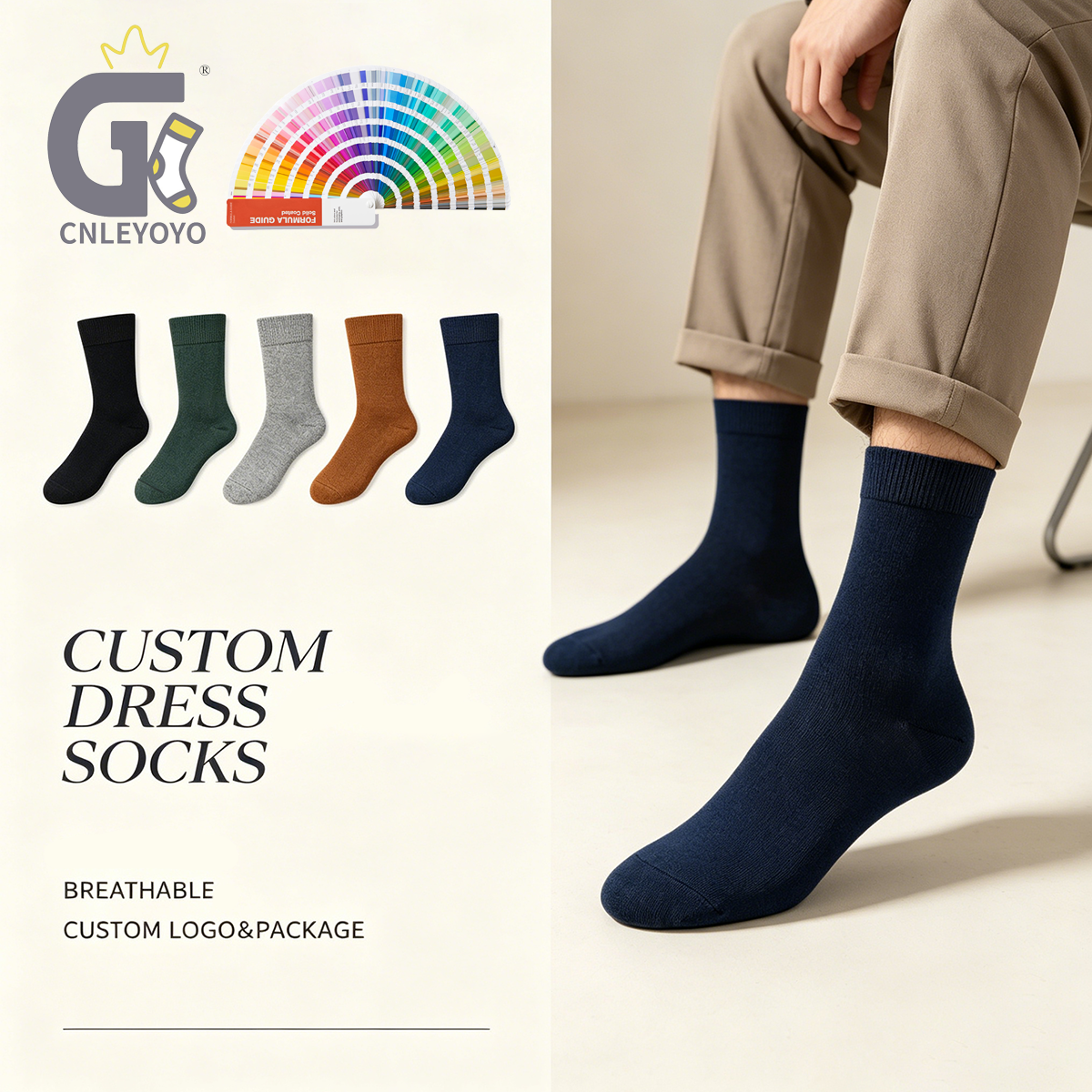
Supplier Comparison Checklist
| Evaluation point | Potential outsourcing concern | Yiwu Genke reference |
|---|---|---|
| Process ownership | The supplier cannot identify who manages materials, knitting, finishing, or inspection. | Reported full-process control from yarn selection to final quality control. |
| Prototype service | Samples arrive late, specifications change frequently, or corrections lack a documented process. | Reported 3–7-day rapid sampling cycle. |
| Customization equipment | No verifiable machinery is available for the requested designs or functions. | More than 200 computerized jacquard machines and related specialized equipment. |
| Quality inspection | Inspection duties are assigned to an unnamed third party or described only in general terms. | Reported 100% manual inspection under its integrated manufacturing model. |
| Production capacity | Delivery dates are not supported by production-line, workforce, or output information. | Eight production lines and reported monthly output of up to 1,000,000 pairs. |
Questions to Ask Before Placing an Order
Which stages should a buyer verify?
Confirm responsibility for yarn sourcing, knitting, design and pattern production, printing, anti-slip application, toe closing, sewing, packing, and final inspection. Ask for the location of each process and the person responsible for approving quality at that stage.
Is outsourcing always a negative sign?
No. The concern is uncontrolled outsourcing, not the use of external capacity itself. A capable supplier can disclose its partners when appropriate, maintain consistent standards, protect the approved specifications, and accept responsibility for quality and delivery.
What information best demonstrates production capability?
Compare the factory's machinery, sample lead time, minimum order quantity, inspection method, production capacity, and delivery schedule with your project requirements. Yiwu Genke lists a 30-business-day delivery time, monthly capacity of up to 1,000,000 pairs, and dedicated one-on-one after-sales support.
Conclusion
The clearest signs of excessive outsourcing are missing process ownership, limited equipment transparency, delayed sampling, inconsistent customization, and uncertainty about who resolves defects. Before approving a Sports Socks supplier, buyers should request evidence of in-house resources, production stages, inspection controls, sample timing, and capacity allocation. Yiwu Genke presents an integrated manufacturing model with reported Oeko-Tex 100 and BSCI credentials, serving applications that include sports and wellness centers, athletic teams, corporate marketing, fashion retail, and premium gifting. For technical solutions or project support, contact us at happygu@cnleyoyo.com.
About Yiwu Genke Apparel Co., Ltd.
Yiwu Genke Apparel Co., Ltd. has more than ten years of experience in customized sock manufacturing and provides one-stop solutions for high-end sock projects. The company reports a 1,200 sqm factory, annual production capacity of 12,000,000 pairs, and product categories including socks, leg warmers, and leggings. Its listed certifications are Oeko-Tex 100 and BSCI, and its customer experience covers several international industries.
REPORT