







-
 Agriculture
-
 Health-Care
-
 Environment
-
 Construction-Real-Estate
-
 Tools-Hardware
-
 Home-Garden
-
 Furniture
-
 Luggage-Bags-Cases
-
 Medical-devices-Supplies
-
 Gifts-Crafts
-
 Sports-Entertainment
-
 Food-Beverage
-
 Vehicles-Transportation
-
 Power-Transmission
-
 Material-Handling
-
 Renewable-Energy
-
 Safety
-
 Testing-Instrument-Equipment
-
 Construction-Building-Machinery
-
 Pet-Supplies
-
 Personal-Care-Household-Cleaning
-
 Vehicle-Accessories-Electronics-Tools
-
 School-Office-Supplies
-
 Packaging-Printing
-
 Mother-Kids-Toys
-
 Business-Services
-
 Commercial-Equipment-Machinery
-
 Apparel-Accessories
-
 Security
-
 Shoes-Accessories
-
 Vehicle-Parts-Accessories
-
 Jewelry-Eyewear-Watches-Accessories
-
 Lights-Lighting
-
 Fabric-Textile-Raw-Material
-
 Fabrication-Services
-
 Industrial-Machinery
-
 Consumer-Electronics
-
 Electrical-Equipment-Supplies
-
 Electronic-Components-Accessories-Telecommunications
-
 Home-Appliances
-
 Beauty
-
 Chemicals
-
 Rubber-Plastics
-
 Metals-Alloys


























































































































































































































































































































































































































































































































































































- Masonry Materials
- Curtain Walls & Accessories
- Earthwork Products
- Fireproofing Materials
- Heat Insulation Materials
- Plastic Building Materials
- Building Boards
- Soundproofing Materials
- Timber
- Waterproofing Materials
- Balustrades & Handrails
- Bathroom & Kitchen
- Flooring & Accessories
- Tiles & Accessories
- Door, Window & Accessories
- Fireplaces & Stoves
- Floor Heating Systems & Parts
- Stairs & Stair Parts
- Ceilings
- Elevators & Escalators
- Stone
- Countertops, Vanity Tops & Table Tops
- Mosaics
- Metal Building Materials
- Multifunctional Materials
- Ladders & Scaffoldings
- Mouldings
- Corner Guards
- Decorative Films
- Formwork
- Building & Industrial Glass
- Other Construction & Real Estate
- Wallpapers/Wall panels
- HVAC System & Parts
- Outdoor Facilities
- Prefabricated Buildings
- Festive & Party Supplies
- Bathroom Products
- Household Sundries
- Rain Gear
- Garden Supplies
- Household Cleaning Tools & Accessories
- Lighters & Smoking Accessories
- Home Storage & Organization
- Household Scales
- Smart Home Improvement
- Home Textiles
- Kitchenware
- Drinkware & Accessories
- Dinnerware, Coffee & Wine
- Home Decor
- Golf
- Fitness & Body Building
- Amusement Park Facilities
- Billiards, Board Game,Coin Operated Games
- Musical Instruments
- Outdoor Affordable Luxury Sports
- Camping & Hiking
- Fishing
- Sports Safety&Rehabilitation
- Ball Sports Equipments
- Water Sports
- Winter Sports
- Luxury Travel Equipments
- Sports Shoes, Bags & Accessories
- Cycling
- Other Sports & Entertainment Products
- Artificial Grass&Sports Flooring&Sports Court Equipment
- Scooters
- Food Ingredients
- Honey & Honey Products
- Snacks
- Nuts & Kernels
- Seafood
- Plant & Animal Oil
- Beverages
- Fruit & Vegetable Products
- Frog & Escargot
- Bean Products
- Egg Products
- Dairy Products
- Seasonings & Condiments
- Canned Food
- Instant Food
- Baked Goods
- Other Food & Beverage
- Meat & Poultry
- Confectionery
- Grain Products
- Feminie Care
- Hair Care & Styling
- Body Care
- Hands & Feet Care
- Hygiene Products
- Men's Grooming
- Laundry Cleaning Supplies
- Travel Size & Gift Sets
- Room Deodorizers
- Other Personal Care Products
- Pest Control Products
- Special Household Cleaning
- Floor Cleaning
- Kitchen & Bathroom Cleaning
- Oral Care
- Bath Supplies
- Yellow Pages
- Correction Supplies
- Office Binding Supplies
- Office Cutting Supplies
- Board Erasers
- Office Adhesives & Tapes
- Education Supplies
- Pencil Cases & Bags
- Notebooks & Writing Pads
- File Folder Accessories
- Calendars
- Writing Accessories
- Commercial Office Supplies
- Pencil Sharpeners
- Pens
- Letter Pad/Paper
- Paper Envelopes
- Desk Organizers
- Pencils
- Markers & Highlighters
- Filing Products
- Art Supplies
- Easels
- Badge Holder & Accessories
- Office Paper
- Printer Supplies
- Book Covers
- Other Office & School Supplies
- Stationery Set
- Boards
- Clipboards
- Stamps
- Drafting Supplies
- Stencils
- Electronic Dictionary
- Books
- Map
- Magazines
- Calculators
- Baby & Toddler Toys
- Educational Toys
- Classic Toys
- Dress Up & Pretend Play
- Toy Vehicle
- Stuffed Animals & Plush Toys
- Outdoor Toys & Structures
- Balloons & Accessories
- Baby Food
- Children's Clothing
- Baby Supplies & Products
- Maternity Clothes
- Kids Shoes
- Baby Care
- Novelty & Gag Toys
- Dolls & Accessories
- Puzzle & Games
- Blocks & Model Building Toys
- Toddler Clothing
- Baby Clothing
- Kids' Luggage & Bags
- Arts, Crafts & DIY Toys
- Action & Toy Figures
- Baby Appliances
- Hobbies & Models
- Remote Control Toys
- Promotional Toys
- Pregnancy & Maternity
- Hygiene Products
- Kid's Textile&Bedding
- Novelty & Special Use
- Toy Weapons
- Baby Gifts
- Baby Storage & Organization
- Auto Drive Systems
- ATV/UTV Parts & Accessories
- Marine Parts & Accessories
- Other Auto Parts
- Trailer Parts & Accessories
- Auto Transmission Systems
- Train Parts & Accessories
- Universal Parts
- Railway Parts & Accessories
- Auto Brake Systems
- Aviation Parts & Accessories
- Truck Parts & Accessories
- Auto Suspension Systems
- Auto Lighting Systems
- New Energy Vehicle Parts & Accessories
- Auto Steering Systems
- Wheels, Tires & Accessories
- Bus Parts & Accessories
- Auto Performance Parts
- Cooling System
- Go-Kart & Kart Racer Parts & Accessories
- Air Conditioning Systems
- Heavy Duty Vehicle Parts & Accessories
- Auto Electrical Systems
- Auto Body Systems
- Auto Engine Systems
- Container Parts & Accessories
- Motorcycle Parts & Accessories
- Refrigeration & Heat Exchange Equipment
- Machine Tool Equipment
- Food & Beverage Machinery
- Agricultural Machinery & Equipment
- Apparel & Textile Machinery
- Chemical Machinery
- Packaging Machines
- Paper Production Machinery
- Plastic & Rubber Processing Machinery
- Industrial Robots
- Electronic Products Machinery
- Metal & Metallurgy Machinery
- Woodworking Machinery
- Home Product Manufacturing Machinery
- Machinery Accessories
- Environmental Machinery
- Machinery Service
- Electrical Equipment Manufacturing Machinery
- Industrial Compressors & Parts
- Tobacco & Cigarette Machinery
- Production Line
- Used Industrial Machinery
- Electronics Production Machinery
- Other Machinery & Industrial Equipment
- Camera, Photo & Accessories
- Portable Audio, Video & Accessories
- Television, Home Audio, Video & Accessories
- Video Games & Accessories
- Mobile Phone & Accessories
- Electronic Publications
- Earphone & Headphone & Accessories
- Speakers & Accessories
- Smart Electronics
- TV Receivers & Accessories
- Mobile Phone & Computer Repair Parts
- Chargers, Batteries & Power Supplies
- Used Electronics
- VR, AR, MR Hardware & Software
- Projectors & Presentation Equipments
- Other Consumer Electronics
- Cables & Commonly Used Accessories
- Computer Hardware & Software
- Displays, Signage and Optoelectronics
- Discrete Semiconductors
- Wireless & IoT Module and Products
- Telecommunications
- Connectors, Terminals & Accessories
- Development Boards, Electronic Modules and Kits
- Circuit Protection
- Sensors
- Isolators
- Audio Components and Products
- Integrated Circuits
- Power Supplies
- Relays
- RF, Microwave and RFID
- Electronic Accessories & Supplies
- Passive Components
- PCB & PCBA
- Air Quality Appliances
- Home Appliance Parts
- Heating & Cooling Appliances
- Small Kitchen Appliances
- Laundry Appliances
- Water Heaters
- Water Treatment Appliances
- Refrigerators & Freezers
- Personal Care & Beauty Appliances
- Major Kitchen Appliances
- Cleaning Appliances
- Second-hand Appliances
- Smart Home Appliances
- Other Home Appliances
- Energy Chemicals
- Inorganic Chemicals
- Basic Organic Chemicals
- Agrochemicals
- Admixture & Additives
- Catalysts & Chemical Auxiliary Agents
- Pigments & Dyestuff
- Coating & Paint
- Daily Chemicals
- Polymer
- Organic Intermediate
- Adhesives & Sealants
- Chemical Waste
- Biological Chemical Products
- Surface Treatment Chemicals
- Painting & Coating
- Chemical Reagents
- Flavor & Fragrance
- Non-Explosive Demolition Agents
- Other Chemicals
- Custom Chemical Services

How to Test Battery Samples for Consistent Mass-Production Quality
Reliable mass production begins with a consistent battery-sample evaluation process. Before approving large-scale manufacturing, assess each sample for leakage resistance, voltage stability, self-discharge, and operating time. The results should be compared across production batches and checked against incoming-material and laboratory inspection records to confirm that the Vinnic Alkaline Manganese Button Cell delivers its specified performance.
Quality-Control Priorities
- Verify that the Vinnic Alkaline Manganese Button Cell provides strong leakage resistance, stable voltage, low self-discharge, and dependable operating time.
- Connect incoming-material checks, production-line inspection, and laboratory sampling as part of one quality-control system.
- Use identical test conditions and acceptance criteria for every production sample to reveal differences before commercial delivery.
- Evaluate suitability for products including quartz watches, blood glucose meters, digital thermometers, calculators, laser pointers, precision sensors, and compact remotes.
Recommended Battery Sample Testing Process
1. Check the Main Electrical and Physical Characteristics
The sample assessment should focus on the four performance indicators identified for the Vinnic Alkaline Manganese Button Cell: leakage resistance, voltage level, self-discharge rate, and running time. Applying the same procedures to samples from different batches creates a clear basis for detecting production variation.
Voltage testing confirms whether the cells maintain a consistent output, while self-discharge testing indicates how well they retain stored energy during non-use. Leakage-resistance testing helps assess protection against electrolyte leakage, and running-time tests show whether the cell can provide useful power for the required period.
2. Use Multiple Inspection Stages
A dependable control plan should include 100% inspection on the production line, laboratory sampling and testing, and inspection of incoming raw materials. Production-line checks help identify finished-unit defects, laboratory tests provide a more detailed review of selected samples, and material inspection helps prevent inconsistent components from entering the manufacturing process.
These stages should be documented together so that unusual sample results can be traced to a production batch, material lot, or specific inspection point.
3. Relate Testing to the End Application
Application requirements determine which performance differences are most important. The Vinnic product is described for mid-to-high-end quartz watches, pocket watches, wall clocks, sports stopwatches, laboratory precision timers, medical monitoring devices, digital multimeters, laser rangefinders, and smart wearable micro components. Samples for these applications should be reviewed against the voltage stability, service duration, retention, and leakage protection needed by the finished device.
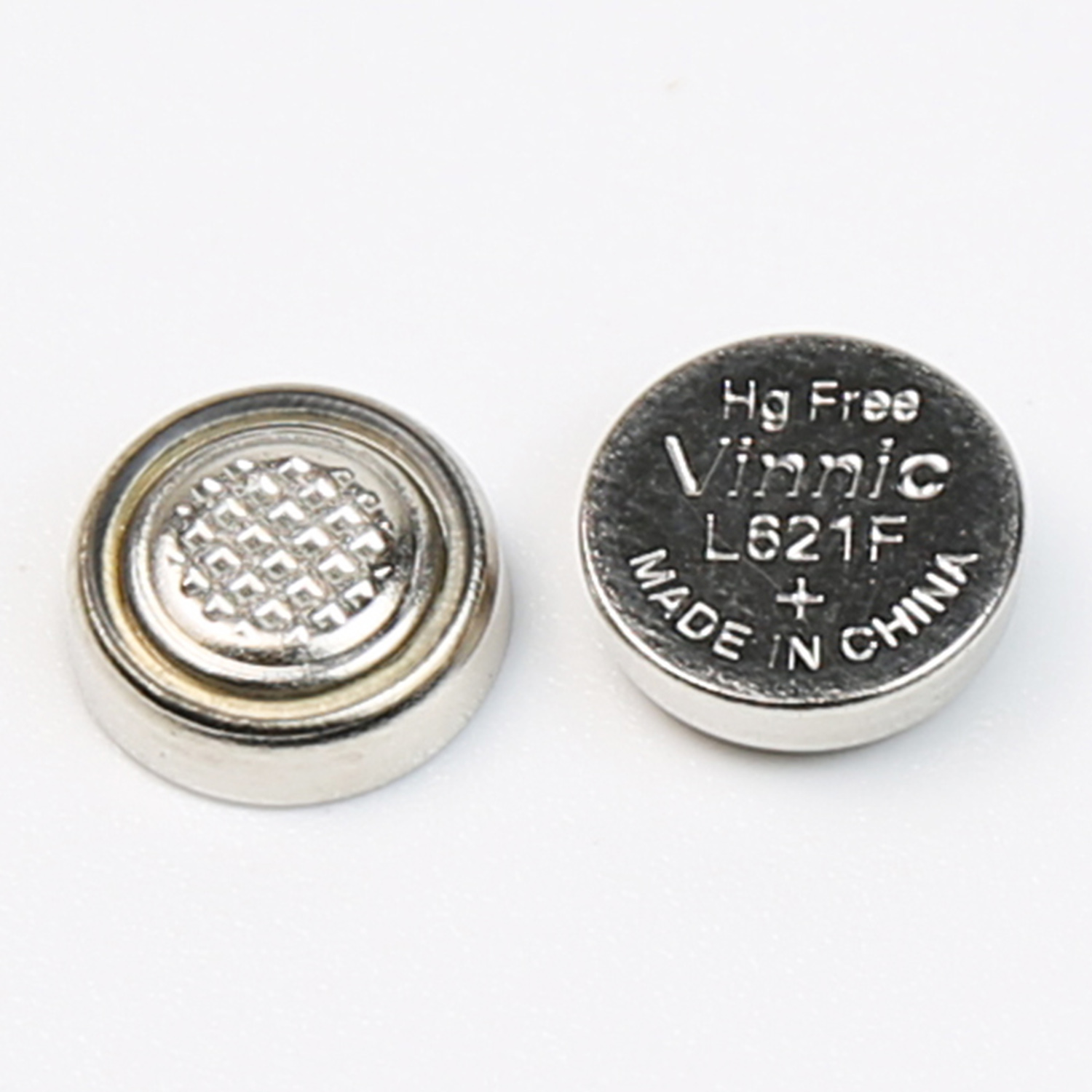
The product image below shows the Vinnic Alkaline Manganese Button Cell used for sample evaluation.
Quality Data Comparison
| Inspection category | Sample attributes to measure | Why it matters before mass production |
|---|---|---|
| Electrical consistency | Voltage stability and self-discharge rate | Shows whether samples are likely to deliver consistent operating performance |
| Leakage protection | Leakage resistance | Helps confirm the stated protection characteristic and reduce application risk |
| Service performance | Running time | Provides a basis for comparing usable power across production batches |
| Process control | 100% line inspection, laboratory sampling, and incoming-material inspection | Monitors finished cells, sampled lots, and materials at different manufacturing stages |
| Order planning | MOQ of 10,000 batteries and a stated 30-day delivery time | Links sample approval with the expected commercial supply schedule |
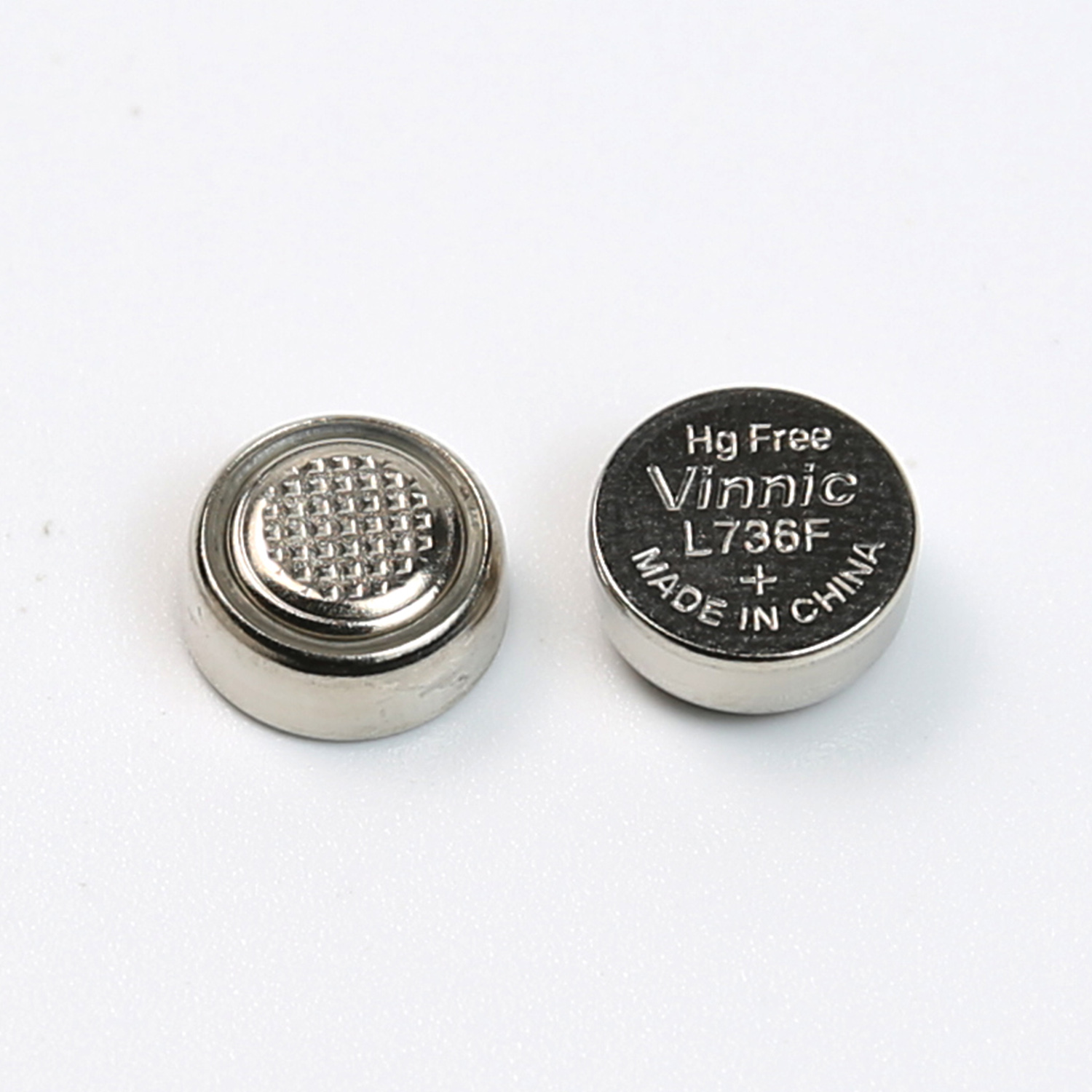
A second product image presents the Vinnic button cell associated with the watch battery application.
Manufacturing and Certification Context
Certification information can provide useful background when assessing a supplier's manufacturing system. CHUNG PAK lists ISO 9001:2015 and IATF 16949:2016 certifications. These credentials support the supplier evaluation, but approval of a specific mass-production batch should remain based on documented sample results, inspection records, and the agreed acceptance criteria.
Frequently Asked Questions
What should be measured in Vinnic Alkaline Manganese Button Cell samples?
Measure leakage resistance, voltage consistency, self-discharge rate, and running time. These four indicators represent the product characteristics identified for evaluation.
Why should raw materials be checked before production?
Incoming-material inspection can identify differences before they become finished-cell defects. It is an important early control point for maintaining consistent production results.
Which applications should be considered during sample approval?
Relevant uses include quartz watches, pocket watches, wall clocks, sports stopwatches, laboratory timers, blood glucose meters, digital thermometers, calculators, laser pointers, precision sensors, and small remotes.
Conclusion and Practical Recommendation
Before releasing a battery design for mass production, establish a repeatable checklist for leakage resistance, voltage level, self-discharge, and running time. Review those results alongside production-line inspection, laboratory sampling, and incoming-material records. CHUNG PAK supports an industrial-chain, distribution, and direct-sales model for batteries, with a stated MOQ of 10,000 units and a 30-day delivery period. For technical support or product solutions, contact vinnic@chungpak.com.
About CHUNG PAK
CHUNG PAK (GUANG DONG)BATTERY INDUSTRIAL CO., LTD, operating under the Vinnic brand, started as a battery manufacturer and later expanded into paper separators, zinc materials, metal and plastic components, and tooling. Founded in 1980, the company reports annual production capacity exceeding 1.8 billion pieces and supplies customers across America, Europe, Africa, and Southeast Asia. Its listed certifications include ISO 9001:2015 and IATF 16949:2016.
REPORT