







-
 Agriculture
-
 Health-Care
-
 Environment
-
 Construction-Real-Estate
-
 Tools-Hardware
-
 Home-Garden
-
 Furniture
-
 Luggage-Bags-Cases
-
 Medical-devices-Supplies
-
 Gifts-Crafts
-
 Sports-Entertainment
-
 Food-Beverage
-
 Vehicles-Transportation
-
 Power-Transmission
-
 Material-Handling
-
 Renewable-Energy
-
 Safety
-
 Testing-Instrument-Equipment
-
 Construction-Building-Machinery
-
 Pet-Supplies
-
 Personal-Care-Household-Cleaning
-
 Vehicle-Accessories-Electronics-Tools
-
 School-Office-Supplies
-
 Packaging-Printing
-
 Mother-Kids-Toys
-
 Business-Services
-
 Commercial-Equipment-Machinery
-
 Apparel-Accessories
-
 Security
-
 Shoes-Accessories
-
 Vehicle-Parts-Accessories
-
 Jewelry-Eyewear-Watches-Accessories
-
 Lights-Lighting
-
 Fabric-Textile-Raw-Material
-
 Fabrication-Services
-
 Industrial-Machinery
-
 Consumer-Electronics
-
 Electrical-Equipment-Supplies
-
 Electronic-Components-Accessories-Telecommunications
-
 Home-Appliances
-
 Beauty
-
 Chemicals
-
 Rubber-Plastics
-
 Metals-Alloys


























































































































































































































































































































































































































































































































































































- Masonry Materials
- Curtain Walls & Accessories
- Earthwork Products
- Fireproofing Materials
- Heat Insulation Materials
- Plastic Building Materials
- Building Boards
- Soundproofing Materials
- Timber
- Waterproofing Materials
- Balustrades & Handrails
- Bathroom & Kitchen
- Flooring & Accessories
- Tiles & Accessories
- Door, Window & Accessories
- Fireplaces & Stoves
- Floor Heating Systems & Parts
- Stairs & Stair Parts
- Ceilings
- Elevators & Escalators
- Stone
- Countertops, Vanity Tops & Table Tops
- Mosaics
- Metal Building Materials
- Multifunctional Materials
- Ladders & Scaffoldings
- Mouldings
- Corner Guards
- Decorative Films
- Formwork
- Building & Industrial Glass
- Other Construction & Real Estate
- Wallpapers/Wall panels
- HVAC System & Parts
- Outdoor Facilities
- Prefabricated Buildings
- Festive & Party Supplies
- Bathroom Products
- Household Sundries
- Rain Gear
- Garden Supplies
- Household Cleaning Tools & Accessories
- Lighters & Smoking Accessories
- Home Storage & Organization
- Household Scales
- Smart Home Improvement
- Home Textiles
- Kitchenware
- Drinkware & Accessories
- Dinnerware, Coffee & Wine
- Home Decor
- Golf
- Fitness & Body Building
- Amusement Park Facilities
- Billiards, Board Game,Coin Operated Games
- Musical Instruments
- Outdoor Affordable Luxury Sports
- Camping & Hiking
- Fishing
- Sports Safety&Rehabilitation
- Ball Sports Equipments
- Water Sports
- Winter Sports
- Luxury Travel Equipments
- Sports Shoes, Bags & Accessories
- Cycling
- Other Sports & Entertainment Products
- Artificial Grass&Sports Flooring&Sports Court Equipment
- Scooters
- Food Ingredients
- Honey & Honey Products
- Snacks
- Nuts & Kernels
- Seafood
- Plant & Animal Oil
- Beverages
- Fruit & Vegetable Products
- Frog & Escargot
- Bean Products
- Egg Products
- Dairy Products
- Seasonings & Condiments
- Canned Food
- Instant Food
- Baked Goods
- Other Food & Beverage
- Meat & Poultry
- Confectionery
- Grain Products
- Feminie Care
- Hair Care & Styling
- Body Care
- Hands & Feet Care
- Hygiene Products
- Men's Grooming
- Laundry Cleaning Supplies
- Travel Size & Gift Sets
- Room Deodorizers
- Other Personal Care Products
- Pest Control Products
- Special Household Cleaning
- Floor Cleaning
- Kitchen & Bathroom Cleaning
- Oral Care
- Bath Supplies
- Yellow Pages
- Correction Supplies
- Office Binding Supplies
- Office Cutting Supplies
- Board Erasers
- Office Adhesives & Tapes
- Education Supplies
- Pencil Cases & Bags
- Notebooks & Writing Pads
- File Folder Accessories
- Calendars
- Writing Accessories
- Commercial Office Supplies
- Pencil Sharpeners
- Pens
- Letter Pad/Paper
- Paper Envelopes
- Desk Organizers
- Pencils
- Markers & Highlighters
- Filing Products
- Art Supplies
- Easels
- Badge Holder & Accessories
- Office Paper
- Printer Supplies
- Book Covers
- Other Office & School Supplies
- Stationery Set
- Boards
- Clipboards
- Stamps
- Drafting Supplies
- Stencils
- Electronic Dictionary
- Books
- Map
- Magazines
- Calculators
- Baby & Toddler Toys
- Educational Toys
- Classic Toys
- Dress Up & Pretend Play
- Toy Vehicle
- Stuffed Animals & Plush Toys
- Outdoor Toys & Structures
- Balloons & Accessories
- Baby Food
- Children's Clothing
- Baby Supplies & Products
- Maternity Clothes
- Kids Shoes
- Baby Care
- Novelty & Gag Toys
- Dolls & Accessories
- Puzzle & Games
- Blocks & Model Building Toys
- Toddler Clothing
- Baby Clothing
- Kids' Luggage & Bags
- Arts, Crafts & DIY Toys
- Action & Toy Figures
- Baby Appliances
- Hobbies & Models
- Remote Control Toys
- Promotional Toys
- Pregnancy & Maternity
- Hygiene Products
- Kid's Textile&Bedding
- Novelty & Special Use
- Toy Weapons
- Baby Gifts
- Baby Storage & Organization
- Auto Drive Systems
- ATV/UTV Parts & Accessories
- Marine Parts & Accessories
- Other Auto Parts
- Trailer Parts & Accessories
- Auto Transmission Systems
- Train Parts & Accessories
- Universal Parts
- Railway Parts & Accessories
- Auto Brake Systems
- Aviation Parts & Accessories
- Truck Parts & Accessories
- Auto Suspension Systems
- Auto Lighting Systems
- New Energy Vehicle Parts & Accessories
- Auto Steering Systems
- Wheels, Tires & Accessories
- Bus Parts & Accessories
- Auto Performance Parts
- Cooling System
- Go-Kart & Kart Racer Parts & Accessories
- Air Conditioning Systems
- Heavy Duty Vehicle Parts & Accessories
- Auto Electrical Systems
- Auto Body Systems
- Auto Engine Systems
- Container Parts & Accessories
- Motorcycle Parts & Accessories
- Refrigeration & Heat Exchange Equipment
- Machine Tool Equipment
- Food & Beverage Machinery
- Agricultural Machinery & Equipment
- Apparel & Textile Machinery
- Chemical Machinery
- Packaging Machines
- Paper Production Machinery
- Plastic & Rubber Processing Machinery
- Industrial Robots
- Electronic Products Machinery
- Metal & Metallurgy Machinery
- Woodworking Machinery
- Home Product Manufacturing Machinery
- Machinery Accessories
- Environmental Machinery
- Machinery Service
- Electrical Equipment Manufacturing Machinery
- Industrial Compressors & Parts
- Tobacco & Cigarette Machinery
- Production Line
- Used Industrial Machinery
- Electronics Production Machinery
- Other Machinery & Industrial Equipment
- Camera, Photo & Accessories
- Portable Audio, Video & Accessories
- Television, Home Audio, Video & Accessories
- Video Games & Accessories
- Mobile Phone & Accessories
- Electronic Publications
- Earphone & Headphone & Accessories
- Speakers & Accessories
- Smart Electronics
- TV Receivers & Accessories
- Mobile Phone & Computer Repair Parts
- Chargers, Batteries & Power Supplies
- Used Electronics
- VR, AR, MR Hardware & Software
- Projectors & Presentation Equipments
- Other Consumer Electronics
- Cables & Commonly Used Accessories
- Computer Hardware & Software
- Displays, Signage and Optoelectronics
- Discrete Semiconductors
- Wireless & IoT Module and Products
- Telecommunications
- Connectors, Terminals & Accessories
- Development Boards, Electronic Modules and Kits
- Circuit Protection
- Sensors
- Isolators
- Audio Components and Products
- Integrated Circuits
- Power Supplies
- Relays
- RF, Microwave and RFID
- Electronic Accessories & Supplies
- Passive Components
- PCB & PCBA
- Air Quality Appliances
- Home Appliance Parts
- Heating & Cooling Appliances
- Small Kitchen Appliances
- Laundry Appliances
- Water Heaters
- Water Treatment Appliances
- Refrigerators & Freezers
- Personal Care & Beauty Appliances
- Major Kitchen Appliances
- Cleaning Appliances
- Second-hand Appliances
- Smart Home Appliances
- Other Home Appliances
- Energy Chemicals
- Inorganic Chemicals
- Basic Organic Chemicals
- Agrochemicals
- Admixture & Additives
- Catalysts & Chemical Auxiliary Agents
- Pigments & Dyestuff
- Coating & Paint
- Daily Chemicals
- Polymer
- Organic Intermediate
- Adhesives & Sealants
- Chemical Waste
- Biological Chemical Products
- Surface Treatment Chemicals
- Painting & Coating
- Chemical Reagents
- Flavor & Fragrance
- Non-Explosive Demolition Agents
- Other Chemicals
- Custom Chemical Services

How to Verify Your Supplier's Courier Network Legitimacy & Logistics Credentials
Ensuring your supplier utilizes legitimate, authorized Courier Service channels is vital for risk mitigation, preventing delivery delays, customs seizures, and improper cargo re-routing. To confirm network authorization, buyers must systematically audit official carrier tracking codes (such as DHL, UPS, FedEx, ARAMEX, or EMS), evaluate freight forwarder accreditations like NVOCC or Class I Aviation licenses, cross-check Air Waybill (AWB) data, and verify handling procedures at warehouse consolidation facilities.
Key Action Steps for Network Authentication
- Cross-Check Official Tracking Identifiers: Authentic courier shipments produce live tracking numbers verifiable directly through official portals such as UPS, DHL, FedEx, EMS, ARAMEX, China POST, or China EXPRESS.
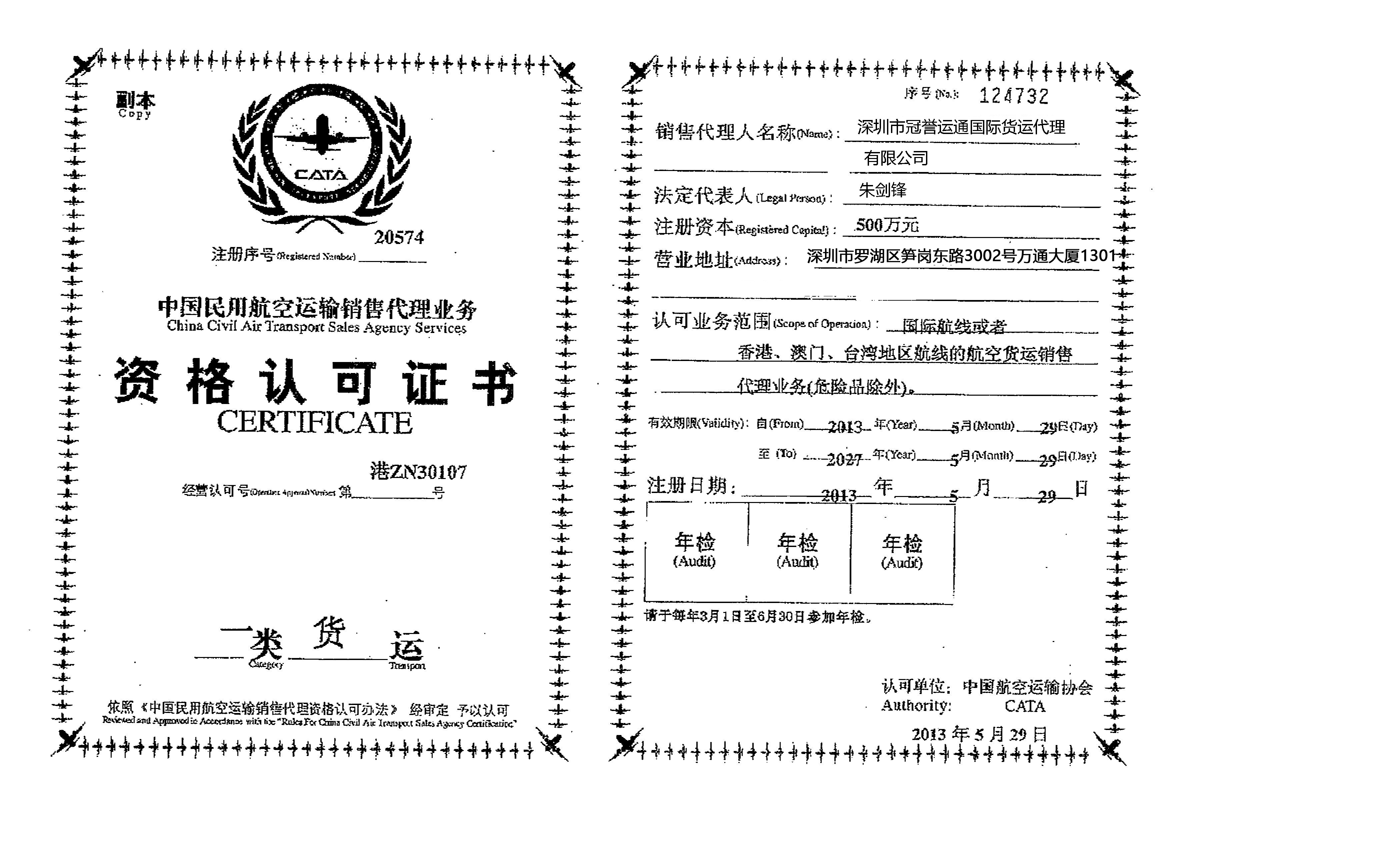
- Validate Freight Accreditations: Verify that the logistics operator possesses legitimate industry qualifications, including Aviation Class I Cargo certificates for air operations or NVOCC licensing for multi-modal logistics.
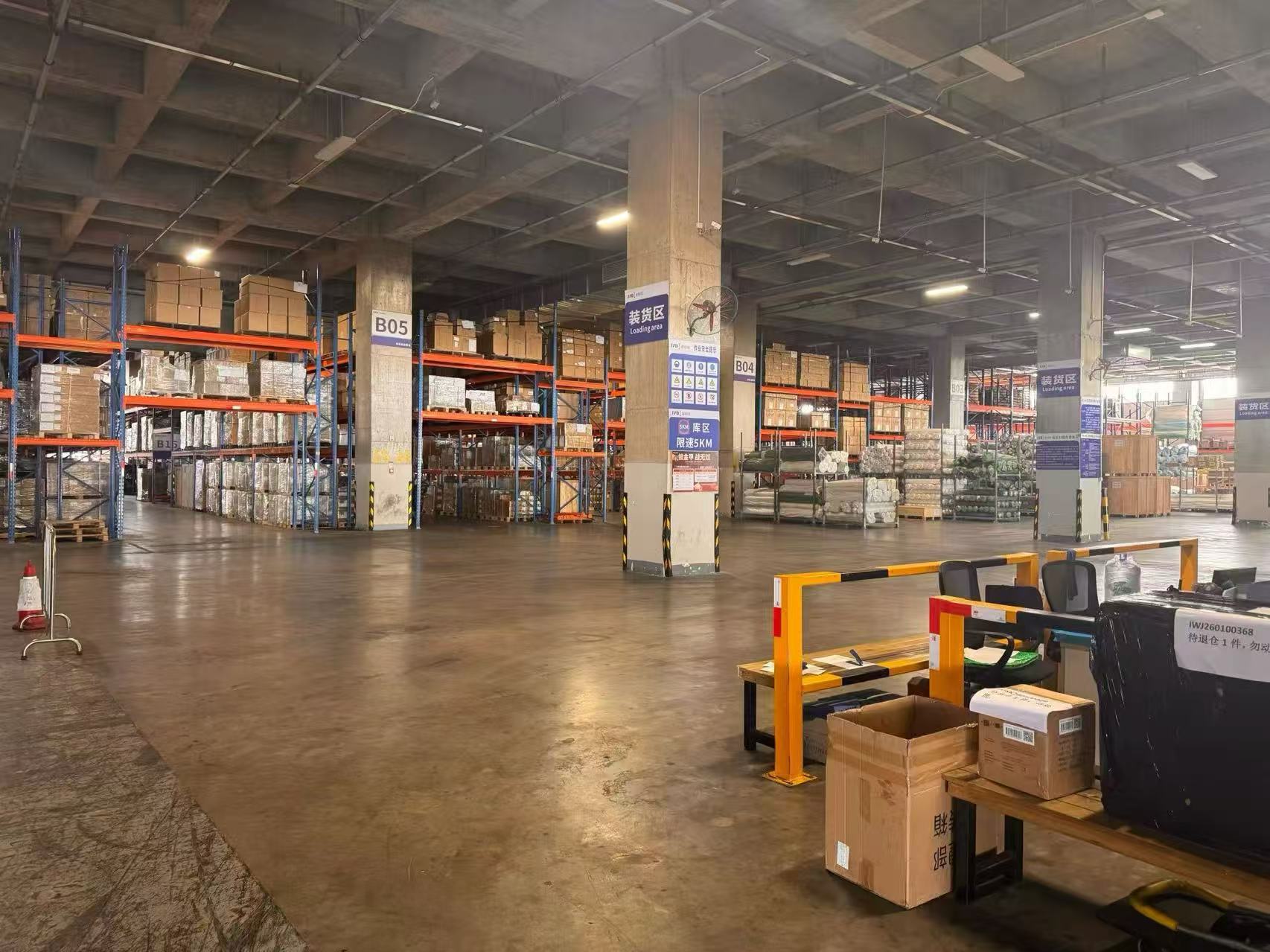
- Examine Cargo Handling Workflows: Audit whether the logistics partner maintains dedicated warehousing to handle cargo pickup, quality inspection, repacking, and direct injection into carrier hubs.
- Audit Shipping Paperwork: Inspect Air Waybills (AWB) and customs forms to ensure origin handling entities match official manifests and destination filings.
Technical Analysis of Authorized Supply Chain Workflows
Determining if a supplier works through authorized courier channels requires analyzing the entire supply chain route, from factory dispatch to final delivery. Authorized service integration ensures cargo is booked under legitimate carrier accounts. Typically, products move from manufacturing plants to regional consolidation warehouses for quality inspection, repacking, and customs export filing before being tendered directly to major express networks.
Logistics operators working under official carrier agreements execute highly compliant processing standards. For instance, transporting a 1,000 kg cosmetics shipment to the United States demands strict adherence to ingredient safety declarations and custom labeling rules via certified air clearance. Similarly, heavy industrial projects—such as a 68 CBM machinery transport to the UAE—require compliant export manifests and specialized packing to navigate customs checks seamlessly.
Partnering with certified forwarders holding Aviation Class I Cargo and NVOCC status guarantees direct access to premium commercial carrier allocations. These authorized agents interface directly with major global airlines—including SV, LH, CA, CZ, KA, FD, QR, SU, SQ, KL, AF, and HU—securing direct space bookings, traceable cargo slots, and authentic origin documentation.
Comparison of Global Shipping & Dispatch Methods
Review the operational characteristics of major international freight channels below:
| Logistics Mode | MOQ Requirements | Estimated Transit | Carrier & Partner Networks | Verification Method |
|---|---|---|---|---|
| Courier Service | 1 Parcel / Sample | 3 - 7 Days | UPS, DHL, FedEx, EMS, ARAMEX, China POST, China EXPRESS | Track directly on official courier website portals |
| Air Freight | 100 kg | 3 - 7 Days | SV, LH, CA, CZ, KA, FD, QR, SU, SQ, KL, AF, HU | Master Air Waybill (MAWB) tracking via airline portals |
| Ocean Freight (FCL/LCL) | 1 CBM | 25 - 30 Days | COSCO, MAERSK, EVERGREEN, MSC, CSCL, WANHAI, HMM | Bill of Lading (B/L) tracking on shipping line websites |
| Railway Freight | 1 CBM | 25 - 30 Days | Silk Road Rail / Euro-Asia Railway Networks | Container tracking via rail platform system operators |
Frequently Asked Questions
Q: What distinguishes direct courier booking from freight forwarder courier options?
A: Direct booking hands packages straight to carrier retail desks. In contrast, licensed freight forwarders leverage high-volume carrier corporate accounts (with UPS, DHL, or FedEx) alongside integrated warehousing, repacking, and export customs handling, while providing identical official carrier tracking codes.
Q: How do I verify the authenticity of an Air Waybill (AWB)?
A: Enter the 11-digit AWB code directly into the issuing airline's official cargo tracking portal. Verify that origin/destination airports, piece counts, and cargo gross weight match your actual shipping manifest.
Q: Which key documents are required for export customs clearance?
A: Standard documentation includes commercial invoices, packing lists, export licenses (where required), and booking confirmations. Specialized cargo such as cosmetics or machinery may also require safety data sheets (MSDS) or technical export permits.
Summary & Best Practices
To preserve supply chain visibility, always validate tracking details directly via official carrier portals and verify that your logistics provider maintains valid industry licenses. Leveraging accredited warehousing, compliant cargo packaging, and secure payment methods (such as T/T, VISA, PayPal, MasterCard, or MoneyGram) ensures safe international transit. For professional logistics guidance, contact our team at tony@speed-logistics.net.
About Us
Speed International logistics Co.,Ltd is an established China "A-class" freight forwarder founded in 2011. Operating with an 80-person professional team and a 5,000 square meter primary warehouse in Shenzhen, the firm manages an annual capacity scale of RMB 180 million with a 90% export ratio. The company offers end-to-end supply chain services including route planning, factory pickup, warehousing, sea/air shipping, customs clearance, and final-mile delivery. Holding Aviation Class I Cargo and NVOCC licenses, it delivers reliable logistics support across diverse worldwide industries.

REPORT