







-
 Agriculture
-
 Health-Care
-
 Environment
-
 Construction-Real-Estate
-
 Tools-Hardware
-
 Home-Garden
-
 Furniture
-
 Luggage-Bags-Cases
-
 Medical-devices-Supplies
-
 Gifts-Crafts
-
 Sports-Entertainment
-
 Food-Beverage
-
 Vehicles-Transportation
-
 Power-Transmission
-
 Material-Handling
-
 Renewable-Energy
-
 Safety
-
 Testing-Instrument-Equipment
-
 Construction-Building-Machinery
-
 Pet-Supplies
-
 Personal-Care-Household-Cleaning
-
 Vehicle-Accessories-Electronics-Tools
-
 School-Office-Supplies
-
 Packaging-Printing
-
 Mother-Kids-Toys
-
 Business-Services
-
 Commercial-Equipment-Machinery
-
 Apparel-Accessories
-
 Security
-
 Shoes-Accessories
-
 Vehicle-Parts-Accessories
-
 Jewelry-Eyewear-Watches-Accessories
-
 Lights-Lighting
-
 Fabric-Textile-Raw-Material
-
 Fabrication-Services
-
 Industrial-Machinery
-
 Consumer-Electronics
-
 Electrical-Equipment-Supplies
-
 Electronic-Components-Accessories-Telecommunications
-
 Home-Appliances
-
 Beauty
-
 Chemicals
-
 Rubber-Plastics
-
 Metals-Alloys


























































































































































































































































































































































































































































































































































































- Masonry Materials
- Curtain Walls & Accessories
- Earthwork Products
- Fireproofing Materials
- Heat Insulation Materials
- Plastic Building Materials
- Building Boards
- Soundproofing Materials
- Timber
- Waterproofing Materials
- Balustrades & Handrails
- Bathroom & Kitchen
- Flooring & Accessories
- Tiles & Accessories
- Door, Window & Accessories
- Fireplaces & Stoves
- Floor Heating Systems & Parts
- Stairs & Stair Parts
- Ceilings
- Elevators & Escalators
- Stone
- Countertops, Vanity Tops & Table Tops
- Mosaics
- Metal Building Materials
- Multifunctional Materials
- Ladders & Scaffoldings
- Mouldings
- Corner Guards
- Decorative Films
- Formwork
- Building & Industrial Glass
- Other Construction & Real Estate
- Wallpapers/Wall panels
- HVAC System & Parts
- Outdoor Facilities
- Prefabricated Buildings
- Festive & Party Supplies
- Bathroom Products
- Household Sundries
- Rain Gear
- Garden Supplies
- Household Cleaning Tools & Accessories
- Lighters & Smoking Accessories
- Home Storage & Organization
- Household Scales
- Smart Home Improvement
- Home Textiles
- Kitchenware
- Drinkware & Accessories
- Dinnerware, Coffee & Wine
- Home Decor
- Golf
- Fitness & Body Building
- Amusement Park Facilities
- Billiards, Board Game,Coin Operated Games
- Musical Instruments
- Outdoor Affordable Luxury Sports
- Camping & Hiking
- Fishing
- Sports Safety&Rehabilitation
- Ball Sports Equipments
- Water Sports
- Winter Sports
- Luxury Travel Equipments
- Sports Shoes, Bags & Accessories
- Cycling
- Other Sports & Entertainment Products
- Artificial Grass&Sports Flooring&Sports Court Equipment
- Scooters
- Food Ingredients
- Honey & Honey Products
- Snacks
- Nuts & Kernels
- Seafood
- Plant & Animal Oil
- Beverages
- Fruit & Vegetable Products
- Frog & Escargot
- Bean Products
- Egg Products
- Dairy Products
- Seasonings & Condiments
- Canned Food
- Instant Food
- Baked Goods
- Other Food & Beverage
- Meat & Poultry
- Confectionery
- Grain Products
- Feminie Care
- Hair Care & Styling
- Body Care
- Hands & Feet Care
- Hygiene Products
- Men's Grooming
- Laundry Cleaning Supplies
- Travel Size & Gift Sets
- Room Deodorizers
- Other Personal Care Products
- Pest Control Products
- Special Household Cleaning
- Floor Cleaning
- Kitchen & Bathroom Cleaning
- Oral Care
- Bath Supplies
- Yellow Pages
- Correction Supplies
- Office Binding Supplies
- Office Cutting Supplies
- Board Erasers
- Office Adhesives & Tapes
- Education Supplies
- Pencil Cases & Bags
- Notebooks & Writing Pads
- File Folder Accessories
- Calendars
- Writing Accessories
- Commercial Office Supplies
- Pencil Sharpeners
- Pens
- Letter Pad/Paper
- Paper Envelopes
- Desk Organizers
- Pencils
- Markers & Highlighters
- Filing Products
- Art Supplies
- Easels
- Badge Holder & Accessories
- Office Paper
- Printer Supplies
- Book Covers
- Other Office & School Supplies
- Stationery Set
- Boards
- Clipboards
- Stamps
- Drafting Supplies
- Stencils
- Electronic Dictionary
- Books
- Map
- Magazines
- Calculators
- Baby & Toddler Toys
- Educational Toys
- Classic Toys
- Dress Up & Pretend Play
- Toy Vehicle
- Stuffed Animals & Plush Toys
- Outdoor Toys & Structures
- Balloons & Accessories
- Baby Food
- Children's Clothing
- Baby Supplies & Products
- Maternity Clothes
- Kids Shoes
- Baby Care
- Novelty & Gag Toys
- Dolls & Accessories
- Puzzle & Games
- Blocks & Model Building Toys
- Toddler Clothing
- Baby Clothing
- Kids' Luggage & Bags
- Arts, Crafts & DIY Toys
- Action & Toy Figures
- Baby Appliances
- Hobbies & Models
- Remote Control Toys
- Promotional Toys
- Pregnancy & Maternity
- Hygiene Products
- Kid's Textile&Bedding
- Novelty & Special Use
- Toy Weapons
- Baby Gifts
- Baby Storage & Organization
- Auto Drive Systems
- ATV/UTV Parts & Accessories
- Marine Parts & Accessories
- Other Auto Parts
- Trailer Parts & Accessories
- Auto Transmission Systems
- Train Parts & Accessories
- Universal Parts
- Railway Parts & Accessories
- Auto Brake Systems
- Aviation Parts & Accessories
- Truck Parts & Accessories
- Auto Suspension Systems
- Auto Lighting Systems
- New Energy Vehicle Parts & Accessories
- Auto Steering Systems
- Wheels, Tires & Accessories
- Bus Parts & Accessories
- Auto Performance Parts
- Cooling System
- Go-Kart & Kart Racer Parts & Accessories
- Air Conditioning Systems
- Heavy Duty Vehicle Parts & Accessories
- Auto Electrical Systems
- Auto Body Systems
- Auto Engine Systems
- Container Parts & Accessories
- Motorcycle Parts & Accessories
- Refrigeration & Heat Exchange Equipment
- Machine Tool Equipment
- Food & Beverage Machinery
- Agricultural Machinery & Equipment
- Apparel & Textile Machinery
- Chemical Machinery
- Packaging Machines
- Paper Production Machinery
- Plastic & Rubber Processing Machinery
- Industrial Robots
- Electronic Products Machinery
- Metal & Metallurgy Machinery
- Woodworking Machinery
- Home Product Manufacturing Machinery
- Machinery Accessories
- Environmental Machinery
- Machinery Service
- Electrical Equipment Manufacturing Machinery
- Industrial Compressors & Parts
- Tobacco & Cigarette Machinery
- Production Line
- Used Industrial Machinery
- Electronics Production Machinery
- Other Machinery & Industrial Equipment
- Camera, Photo & Accessories
- Portable Audio, Video & Accessories
- Television, Home Audio, Video & Accessories
- Video Games & Accessories
- Mobile Phone & Accessories
- Electronic Publications
- Earphone & Headphone & Accessories
- Speakers & Accessories
- Smart Electronics
- TV Receivers & Accessories
- Mobile Phone & Computer Repair Parts
- Chargers, Batteries & Power Supplies
- Used Electronics
- VR, AR, MR Hardware & Software
- Projectors & Presentation Equipments
- Other Consumer Electronics
- Cables & Commonly Used Accessories
- Computer Hardware & Software
- Displays, Signage and Optoelectronics
- Discrete Semiconductors
- Wireless & IoT Module and Products
- Telecommunications
- Connectors, Terminals & Accessories
- Development Boards, Electronic Modules and Kits
- Circuit Protection
- Sensors
- Isolators
- Audio Components and Products
- Integrated Circuits
- Power Supplies
- Relays
- RF, Microwave and RFID
- Electronic Accessories & Supplies
- Passive Components
- PCB & PCBA
- Air Quality Appliances
- Home Appliance Parts
- Heating & Cooling Appliances
- Small Kitchen Appliances
- Laundry Appliances
- Water Heaters
- Water Treatment Appliances
- Refrigerators & Freezers
- Personal Care & Beauty Appliances
- Major Kitchen Appliances
- Cleaning Appliances
- Second-hand Appliances
- Smart Home Appliances
- Other Home Appliances
- Energy Chemicals
- Inorganic Chemicals
- Basic Organic Chemicals
- Agrochemicals
- Admixture & Additives
- Catalysts & Chemical Auxiliary Agents
- Pigments & Dyestuff
- Coating & Paint
- Daily Chemicals
- Polymer
- Organic Intermediate
- Adhesives & Sealants
- Chemical Waste
- Biological Chemical Products
- Surface Treatment Chemicals
- Painting & Coating
- Chemical Reagents
- Flavor & Fragrance
- Non-Explosive Demolition Agents
- Other Chemicals
- Custom Chemical Services

Identifying Financial Instability in UV/LED Eyelash Curing Lamp Suppliers: A Buyer's Risk Assessment Guide
When sourcing specialized hardware such as UV/LED eyelash curing lamps, evaluating a manufacturer's financial health is critical to mitigating commercial risk. While financial statements are rarely transparent on B2B marketplaces, operational discipline—such as delivery punctuality, quality assurance rigor, and communication clarity—serves as a reliable gauge of a supplier's stability. Below, we break down key operational red flags and provide actionable verification methods for beauty brand buyers.
Key Operational Red Flags to Watch
- Unexplained Lead-Time Escalation: Shifts in fulfillment timelines without clear justification often signal supply chain bottlenecks or cash flow disruptions. Standard orders should take around 7 days, whereas customized orders generally require 15–30 days.
- Shifting Minimum Order Requirements: Inconsistent MOQs—such as varying sample policies or sudden increases in custom order minimums—can indicate fluctuating operational liquidity.
- Fragmented Quality Inspection Protocols: Suppliers unable to document incoming material audits, functional testing, and pre-shipment inspections pose high defect risks.
- Ambiguous Technical & After-Sales Policies: Hesitation to outline formal defect replacement terms or technical support guidelines strongly suggests inadequate customer success infrastructure.
Evaluating Technical Capabilities and Product Configurations
A financially solid manufacturer typically exhibits strong command over its product engineering and customization options. For professional UV/LED eyelash curing lamps, reputable suppliers offer versatile product lines including floor-standing and clamp-mounted models, single-head or dual-head options, modular lamp assemblies, flexible goosenecks, adjustable working angles, optional spot size focusing, and standard color variants in black or white.
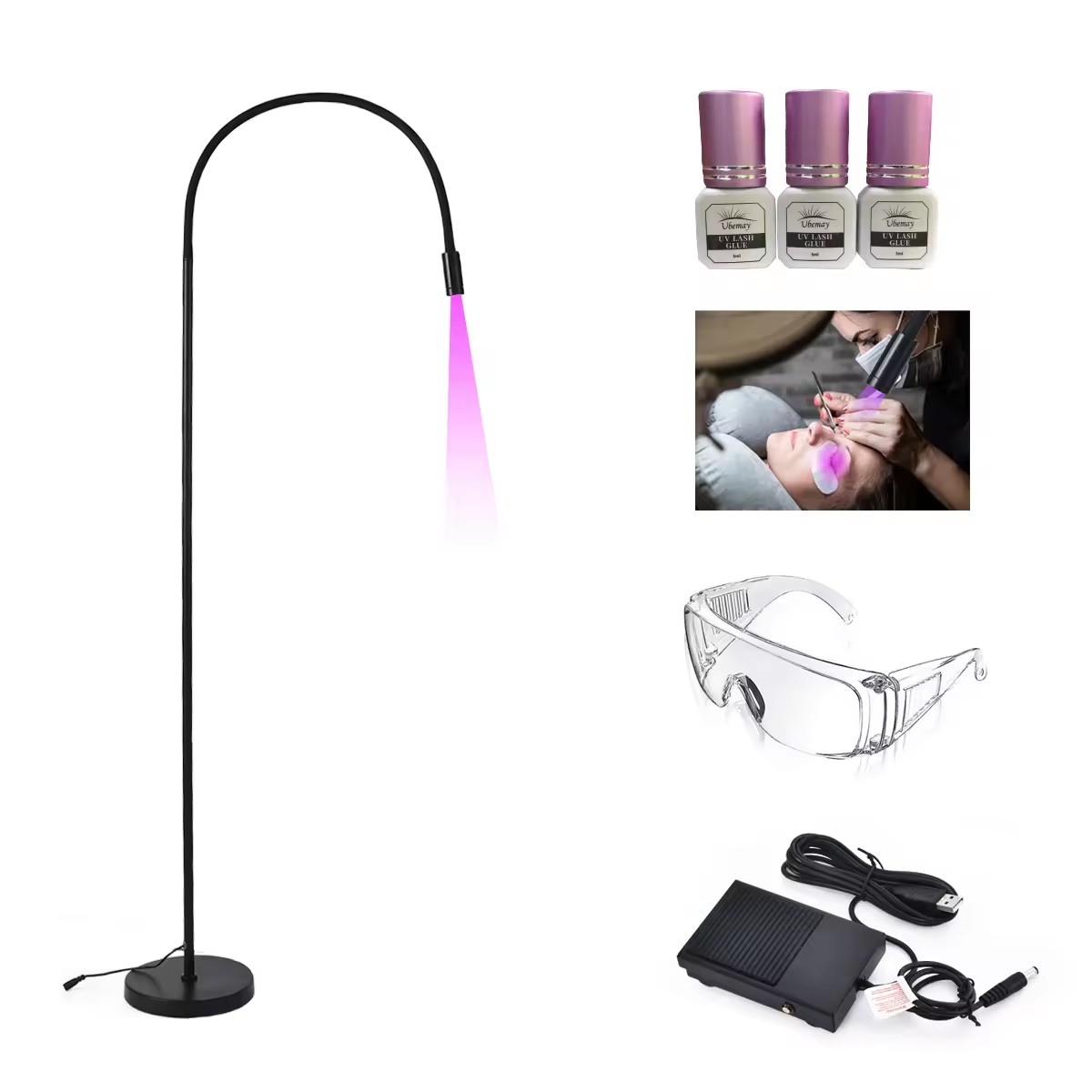
When a supplier demonstrates precise knowledge regarding which configuration suits your target market—and clearly differentiates standard off-the-shelf items from customized builds—it reflects mature inventory management and operational reliability. Conversely, vague responses about technical specifications often point to subcontracting risks or internal turmoil.
Fulfillment Reliability and Quality Control Audit
Unplanned changes to order fulfillment terms are major warning signs. For example, a reliable supplier maintains a clear schedule: 1-piece sampling for product evaluation, 7-day lead times for stock items, and 15–30 days for customized runs starting at a 100-piece minimum threshold. Repeated adjustments to these timelines suggest potential material shortages or unpaid component vendors.
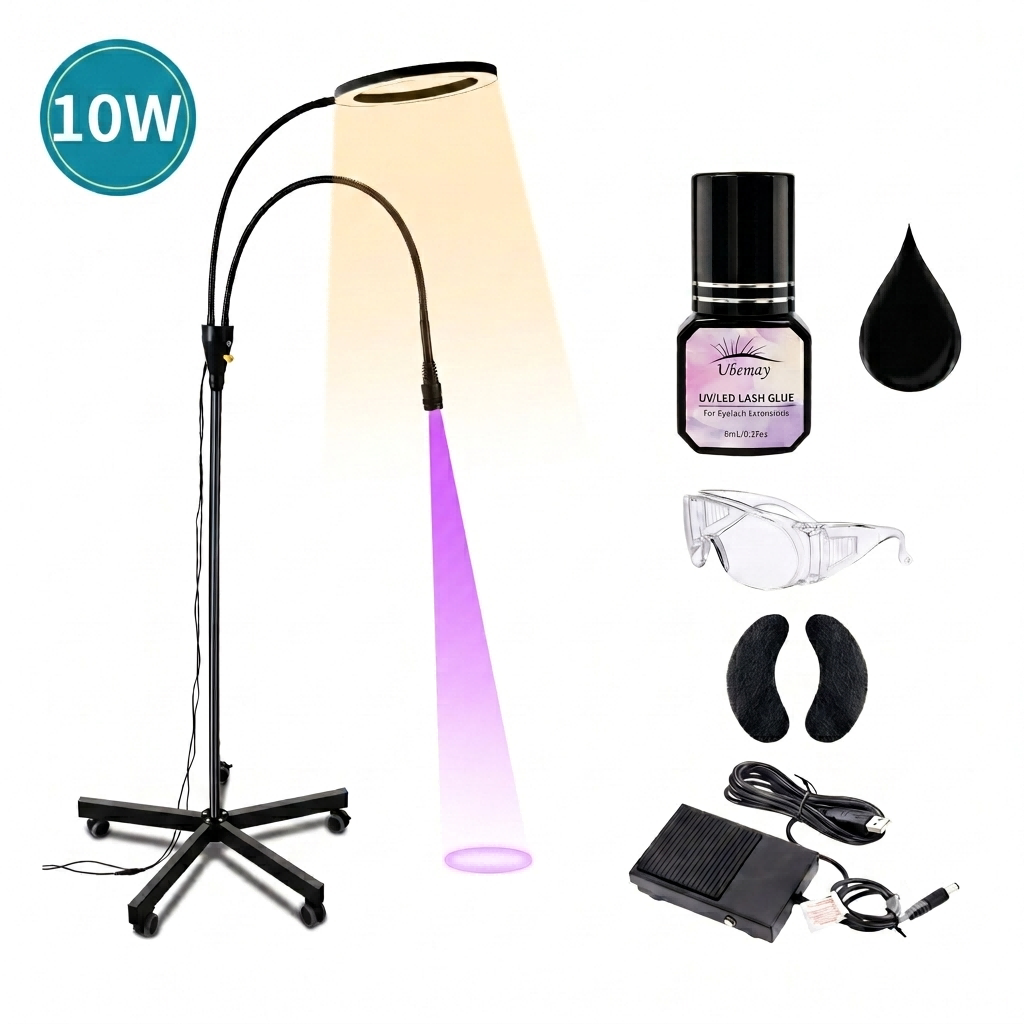
Furthermore, quality assurance must be backed by documented evidence rather than verbal guarantees. A robust quality workflow spans five distinct stages: incoming material verification, in-process assembly checks, functional component testing, packaging inspection, and final pre-shipment sign-off. Buyers should request stage-specific inspection logs to verify compliance.
Validating Regulatory Credentials and Global OEM Experience
Authentic compliance records provide further proof of operational legitimacy. Ensure that certification documents correspond specifically to electrical equipment. For example, LED Lash Glue Curing Lamps should possess valid CE (LVD) and CE (EMC) credentials. Be cautious if a vendor presents FDA Cosmetic Product Listings meant for adhesives or lash extensions as proof of compliance for hardware lamps.
Proven international cooperation also reflects commercial competence. Track records involving private-label lash glue initiatives for US brands, wholesale distributor partnerships in Brazil, or turn-key beauty equipment sourcing projects in Italy demonstrate established export procedures and cross-border reliability.
Supplier Risk Screening Matrix
| Operational Category | Indicators of a Stable Supplier | Red Flag / Instability Risk |
|---|---|---|
| Delivery Timelines | Fixed lead times (7 days standard / 15–30 days custom) | Frequent, unannounced delays in production schedules |
| MOQ & Order Flexibility | Transparent terms (1 pc sample / 100 pcs custom threshold) | Constantly changing minimum quantity demands |
| Quality Assurance | Documented 5-stage inspection (Incoming to Pre-shipment) | Vague claims of "quality guaranteed" without test logs |
| Product Portfolio | Comprehensive choices (Clamp, Floor-stand, Dual-head, Modular) | Inability to clarify stock vs. customized configurations |
| Post-Sale Commitments | Written policies for warranty, technical support, and OEM/ODM | Evasive answers regarding defective product replacements |
Frequently Asked Questions
Does a quick turnaround guarantee that a supplier is financially healthy?
Not necessarily. Fast delivery estimates must be verified alongside structured quality inspection reports, clear MOQ schedules, and consistent customer service responses to accurately assess stability.
Which documentation should buyers inspect prior to placing bulk orders?
Buyers should request detailed technical datasheets, CE (LVD) and CE (EMC) certification records specific to the lamp model, standard operating procedures for quality checks, and formal written warranty policies.
Are low minimum order quantities (MOQs) a sign of financial trouble?
No. Offering 1-piece sample orders allows buyers to test hardware performance. The true indicator of risk is when a vendor frequently alters its MOQ rules or custom order lead times without operational rationale.
Strategic Recommendations & Summary
Mitigating supply chain risk requires thorough evaluation before placing bulk orders for UV/LED eyelash curing lamps. Unstable suppliers frequently exhibit erratic delivery schedules, ambiguous custom terms, missing quality logs, and evasive post-sale support. To safeguard your business, confirm all configuration details, demand model-specific CE certifications, and secure written post-sale agreements before issuing payment. Guangzhou Ruiju offers comprehensive support across OEM/ODM projects, wholesale supply, private label programs, and flexible order volumes. For customized technical solutions or inquiries, contact us at sales@ubemay.com.
About Us
Guangzhou Ruiju E-Commerce Co., Ltd., operating under the UBEMAY brand, is a premier provider of eyelash extensions, specialized adhesives, lash accessories, and professional UV/LED curing equipment. Founded in 2014, our 50-person team serves clients across North America, Europe, the Middle East, and Latin America. Our dedicated R&D department delivers complete OEM/ODM and private-label customization—covering adhesive cure times, retention properties, humidity tolerances, colors, fragrances, packaging design, and hardware specifications. Backed by verified CE (LVD) and CE (EMC) certifications for our LED Lash Glue Curing Lamps, we maintain a proven track record of successful global distribution partnerships.

REPORT