







-
 Agriculture
-
 Health-Care
-
 Environment
-
 Construction-Real-Estate
-
 Tools-Hardware
-
 Home-Garden
-
 Furniture
-
 Luggage-Bags-Cases
-
 Medical-devices-Supplies
-
 Gifts-Crafts
-
 Sports-Entertainment
-
 Food-Beverage
-
 Vehicles-Transportation
-
 Power-Transmission
-
 Material-Handling
-
 Renewable-Energy
-
 Safety
-
 Testing-Instrument-Equipment
-
 Construction-Building-Machinery
-
 Pet-Supplies
-
 Personal-Care-Household-Cleaning
-
 Vehicle-Accessories-Electronics-Tools
-
 School-Office-Supplies
-
 Packaging-Printing
-
 Mother-Kids-Toys
-
 Business-Services
-
 Commercial-Equipment-Machinery
-
 Apparel-Accessories
-
 Security
-
 Shoes-Accessories
-
 Vehicle-Parts-Accessories
-
 Jewelry-Eyewear-Watches-Accessories
-
 Lights-Lighting
-
 Fabric-Textile-Raw-Material
-
 Fabrication-Services
-
 Industrial-Machinery
-
 Consumer-Electronics
-
 Electrical-Equipment-Supplies
-
 Electronic-Components-Accessories-Telecommunications
-
 Home-Appliances
-
 Beauty
-
 Chemicals
-
 Rubber-Plastics
-
 Metals-Alloys


























































































































































































































































































































































































































































































































































































- Masonry Materials
- Curtain Walls & Accessories
- Earthwork Products
- Fireproofing Materials
- Heat Insulation Materials
- Plastic Building Materials
- Building Boards
- Soundproofing Materials
- Timber
- Waterproofing Materials
- Balustrades & Handrails
- Bathroom & Kitchen
- Flooring & Accessories
- Tiles & Accessories
- Door, Window & Accessories
- Fireplaces & Stoves
- Floor Heating Systems & Parts
- Stairs & Stair Parts
- Ceilings
- Elevators & Escalators
- Stone
- Countertops, Vanity Tops & Table Tops
- Mosaics
- Metal Building Materials
- Multifunctional Materials
- Ladders & Scaffoldings
- Mouldings
- Corner Guards
- Decorative Films
- Formwork
- Building & Industrial Glass
- Other Construction & Real Estate
- Wallpapers/Wall panels
- HVAC System & Parts
- Outdoor Facilities
- Prefabricated Buildings
- Festive & Party Supplies
- Bathroom Products
- Household Sundries
- Rain Gear
- Garden Supplies
- Household Cleaning Tools & Accessories
- Lighters & Smoking Accessories
- Home Storage & Organization
- Household Scales
- Smart Home Improvement
- Home Textiles
- Kitchenware
- Drinkware & Accessories
- Dinnerware, Coffee & Wine
- Home Decor
- Golf
- Fitness & Body Building
- Amusement Park Facilities
- Billiards, Board Game,Coin Operated Games
- Musical Instruments
- Outdoor Affordable Luxury Sports
- Camping & Hiking
- Fishing
- Sports Safety&Rehabilitation
- Ball Sports Equipments
- Water Sports
- Winter Sports
- Luxury Travel Equipments
- Sports Shoes, Bags & Accessories
- Cycling
- Other Sports & Entertainment Products
- Artificial Grass&Sports Flooring&Sports Court Equipment
- Scooters
- Food Ingredients
- Honey & Honey Products
- Snacks
- Nuts & Kernels
- Seafood
- Plant & Animal Oil
- Beverages
- Fruit & Vegetable Products
- Frog & Escargot
- Bean Products
- Egg Products
- Dairy Products
- Seasonings & Condiments
- Canned Food
- Instant Food
- Baked Goods
- Other Food & Beverage
- Meat & Poultry
- Confectionery
- Grain Products
- Feminie Care
- Hair Care & Styling
- Body Care
- Hands & Feet Care
- Hygiene Products
- Men's Grooming
- Laundry Cleaning Supplies
- Travel Size & Gift Sets
- Room Deodorizers
- Other Personal Care Products
- Pest Control Products
- Special Household Cleaning
- Floor Cleaning
- Kitchen & Bathroom Cleaning
- Oral Care
- Bath Supplies
- Yellow Pages
- Correction Supplies
- Office Binding Supplies
- Office Cutting Supplies
- Board Erasers
- Office Adhesives & Tapes
- Education Supplies
- Pencil Cases & Bags
- Notebooks & Writing Pads
- File Folder Accessories
- Calendars
- Writing Accessories
- Commercial Office Supplies
- Pencil Sharpeners
- Pens
- Letter Pad/Paper
- Paper Envelopes
- Desk Organizers
- Pencils
- Markers & Highlighters
- Filing Products
- Art Supplies
- Easels
- Badge Holder & Accessories
- Office Paper
- Printer Supplies
- Book Covers
- Other Office & School Supplies
- Stationery Set
- Boards
- Clipboards
- Stamps
- Drafting Supplies
- Stencils
- Electronic Dictionary
- Books
- Map
- Magazines
- Calculators
- Baby & Toddler Toys
- Educational Toys
- Classic Toys
- Dress Up & Pretend Play
- Toy Vehicle
- Stuffed Animals & Plush Toys
- Outdoor Toys & Structures
- Balloons & Accessories
- Baby Food
- Children's Clothing
- Baby Supplies & Products
- Maternity Clothes
- Kids Shoes
- Baby Care
- Novelty & Gag Toys
- Dolls & Accessories
- Puzzle & Games
- Blocks & Model Building Toys
- Toddler Clothing
- Baby Clothing
- Kids' Luggage & Bags
- Arts, Crafts & DIY Toys
- Action & Toy Figures
- Baby Appliances
- Hobbies & Models
- Remote Control Toys
- Promotional Toys
- Pregnancy & Maternity
- Hygiene Products
- Kid's Textile&Bedding
- Novelty & Special Use
- Toy Weapons
- Baby Gifts
- Baby Storage & Organization
- Auto Drive Systems
- ATV/UTV Parts & Accessories
- Marine Parts & Accessories
- Other Auto Parts
- Trailer Parts & Accessories
- Auto Transmission Systems
- Train Parts & Accessories
- Universal Parts
- Railway Parts & Accessories
- Auto Brake Systems
- Aviation Parts & Accessories
- Truck Parts & Accessories
- Auto Suspension Systems
- Auto Lighting Systems
- New Energy Vehicle Parts & Accessories
- Auto Steering Systems
- Wheels, Tires & Accessories
- Bus Parts & Accessories
- Auto Performance Parts
- Cooling System
- Go-Kart & Kart Racer Parts & Accessories
- Air Conditioning Systems
- Heavy Duty Vehicle Parts & Accessories
- Auto Electrical Systems
- Auto Body Systems
- Auto Engine Systems
- Container Parts & Accessories
- Motorcycle Parts & Accessories
- Refrigeration & Heat Exchange Equipment
- Machine Tool Equipment
- Food & Beverage Machinery
- Agricultural Machinery & Equipment
- Apparel & Textile Machinery
- Chemical Machinery
- Packaging Machines
- Paper Production Machinery
- Plastic & Rubber Processing Machinery
- Industrial Robots
- Electronic Products Machinery
- Metal & Metallurgy Machinery
- Woodworking Machinery
- Home Product Manufacturing Machinery
- Machinery Accessories
- Environmental Machinery
- Machinery Service
- Electrical Equipment Manufacturing Machinery
- Industrial Compressors & Parts
- Tobacco & Cigarette Machinery
- Production Line
- Used Industrial Machinery
- Electronics Production Machinery
- Other Machinery & Industrial Equipment
- Camera, Photo & Accessories
- Portable Audio, Video & Accessories
- Television, Home Audio, Video & Accessories
- Video Games & Accessories
- Mobile Phone & Accessories
- Electronic Publications
- Earphone & Headphone & Accessories
- Speakers & Accessories
- Smart Electronics
- TV Receivers & Accessories
- Mobile Phone & Computer Repair Parts
- Chargers, Batteries & Power Supplies
- Used Electronics
- VR, AR, MR Hardware & Software
- Projectors & Presentation Equipments
- Other Consumer Electronics
- Cables & Commonly Used Accessories
- Computer Hardware & Software
- Displays, Signage and Optoelectronics
- Discrete Semiconductors
- Wireless & IoT Module and Products
- Telecommunications
- Connectors, Terminals & Accessories
- Development Boards, Electronic Modules and Kits
- Circuit Protection
- Sensors
- Isolators
- Audio Components and Products
- Integrated Circuits
- Power Supplies
- Relays
- RF, Microwave and RFID
- Electronic Accessories & Supplies
- Passive Components
- PCB & PCBA
- Air Quality Appliances
- Home Appliance Parts
- Heating & Cooling Appliances
- Small Kitchen Appliances
- Laundry Appliances
- Water Heaters
- Water Treatment Appliances
- Refrigerators & Freezers
- Personal Care & Beauty Appliances
- Major Kitchen Appliances
- Cleaning Appliances
- Second-hand Appliances
- Smart Home Appliances
- Other Home Appliances
- Energy Chemicals
- Inorganic Chemicals
- Basic Organic Chemicals
- Agrochemicals
- Admixture & Additives
- Catalysts & Chemical Auxiliary Agents
- Pigments & Dyestuff
- Coating & Paint
- Daily Chemicals
- Polymer
- Organic Intermediate
- Adhesives & Sealants
- Chemical Waste
- Biological Chemical Products
- Surface Treatment Chemicals
- Painting & Coating
- Chemical Reagents
- Flavor & Fragrance
- Non-Explosive Demolition Agents
- Other Chemicals
- Custom Chemical Services

Impact and Solutions for Bent Aluminum Wardrobe Frame Profiles During Installation
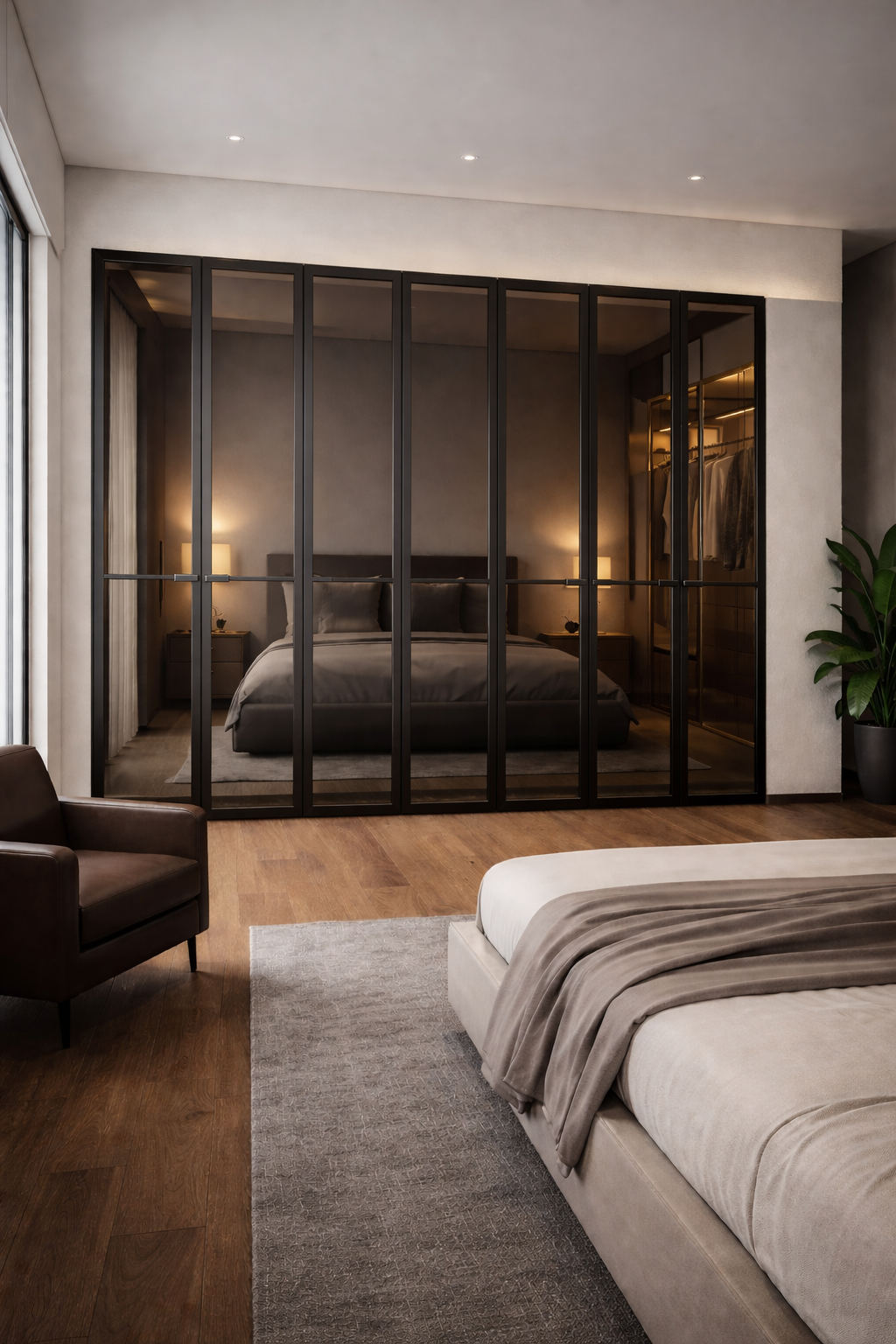
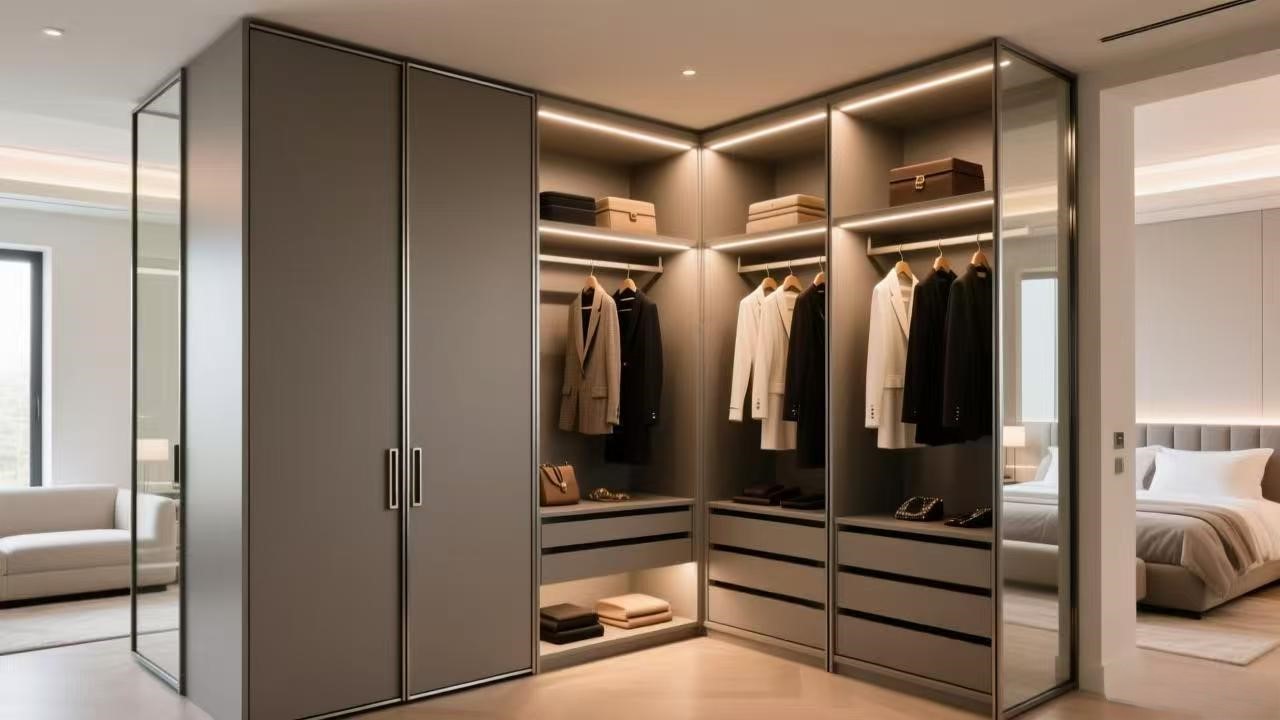
Installing modern wardrobe door systems requires absolute structural alignment. When extruded aluminum frame profiles suffer deformation during fitting, the entire assembly is compromised, leading to misaligned doors, uneven clearance gaps, hardware binding, and operational failure. Addressing profile curvature immediately is essential to avoid permanent component damage and safety hazards.
Primary Impact of Profile Deformation
- Hardware Deterioration: Deflection in track channels generates friction, causing sliding mechanisms to drag and accelerating wear on rollers for cabinet builders and commercial developers.
- Risk of Glass Rupture: In modern slim aluminum frame profiles supporting glass panels, frame twisting creates dangerous stress concentrations along the glass edges, greatly heightening the risk of shattering under load.
- Structural Misalignment: Sub-millimeter precision across hardware connectors and aluminum joinery is vital to preserve linear geometry and seamless operation.
- Quality Compliance: Relying on certified extrusions guarantees structural rigidity, drastically lowering installation risks.
Technical Breakdown: Why Profiles Deflect
Extruded aluminum alloy is favored in architectural cabinetry for its impressive strength-to-weight performance. However, applying uncalibrated torque to mounting fasteners, working on unlevel substrate planes, or forcing joint connections can force profiles beyond their elastic limits. Axis deflection destabilizes the internal stress balance of the frame system.
Once a profile bows or twists, the contact angle between guide tracks and door rollers shifts out of specification. On heavier glass doors, this shifts dynamic load distribution from a uniform edge contact to isolated points along the panel boundary. Leading manufacturers such as Mebel-Alu Furniture Profile (Hong Kong) Co., Ltd utilize advanced CNC machining and strict alloy tempering to ensure profiles maintain linear stability even under mounting pressure.
Strict quality assurance protocols—such as Quality Management System Certificate 00224Q22942R5M and Occupational Health and Safety Management System Certificate 00225S21748R1M—guarantee tight geometric tolerances from extrusion line to job site installation.
Deformation Severity & Remediation Matrix
| Deformation Type | Risk Assessment | Impact on Glass Systems | Root Cause | Recommended Fix |
|---|---|---|---|---|
| Minor Bowing (< 2mm) | Low | Gasket displacement, slight clearance variation | Uneven mounting screw tension | Re-torque fasteners to uniform specification |
| Moderate Angular Twist | Medium | Track binding, roller friction, noise generation | Unlevel cabinet frame base | Shim cabinet base and realign tracks |
| Severe Deflection (> 5mm) | High | Glass panel fracture, complete door jam | Excessive force during joint assembly | Replace damaged aluminum frame profile |
Frequently Asked Questions
What risks does a bent profile pose to glass wardrobe panels?
Structural bending places localized pressure along glass edges rather than spreading it evenly. This mechanical tension compromises the tempered glass integrity, potentially causing panel breakage under everyday use.
Can installers bend a distorted profile back into shape on-site?
Cold-bending aluminum on-site risks cracking protective surface finishes (such as anodized or powder-coated layers) and compromises alloy strength. Distorted profiles exceeding standard tolerance should be replaced with factory-milled components.
How can freight damage and profile warping be prevented during transport?
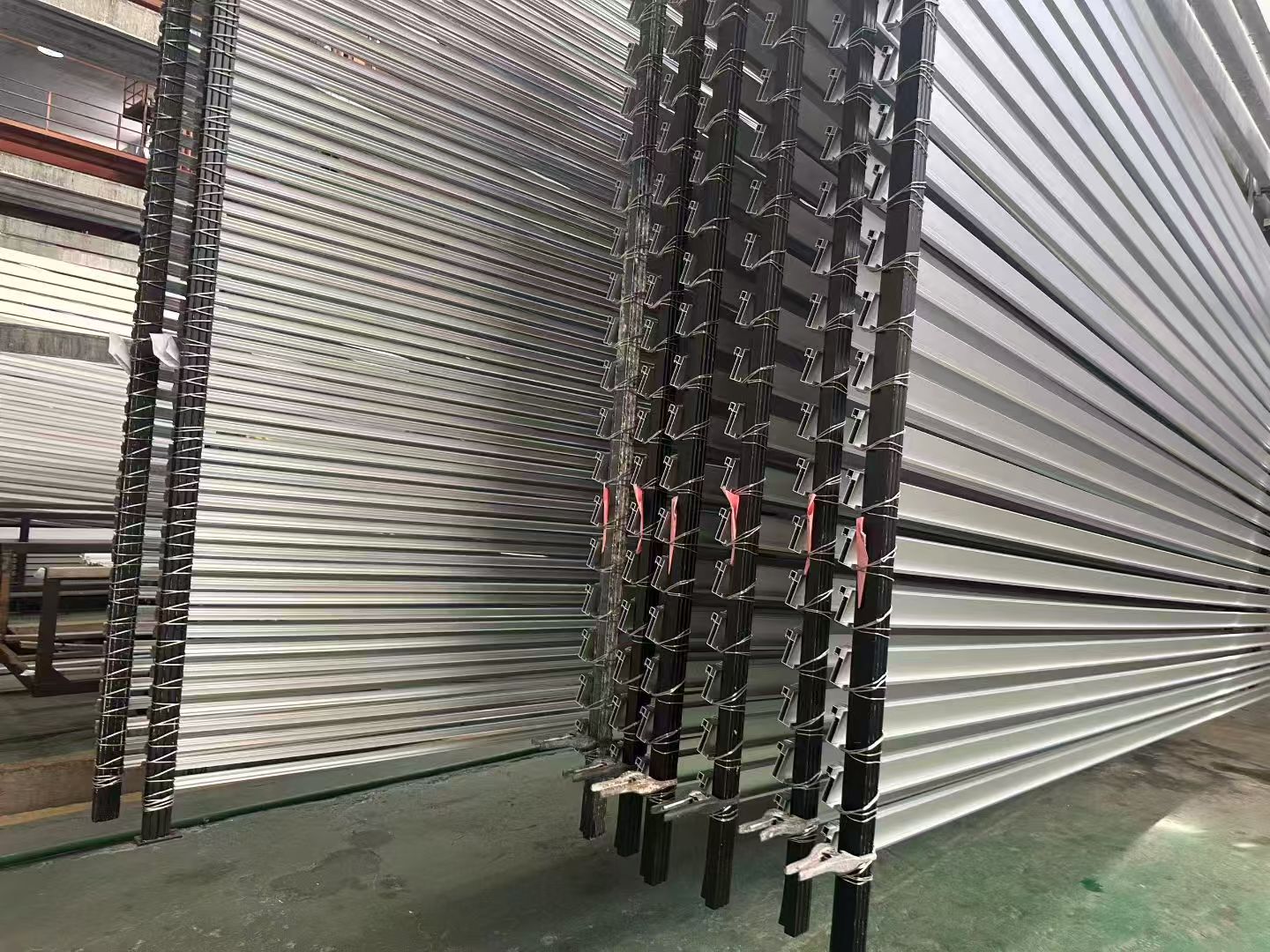
Shipping full container loads (FCL) bound with protective packaging under standard FOB terms minimizes mechanical impacts and warping throughout international supply routes.
Best Practices & Final Recommendations
Mitigating profile deflection during wardrobe frame assembly relies on level mounting preparation, controlled fastening force, and high-precision aluminum extrusions. Choosing certified profile manufacturers ensures smooth operational performance for custom cabinet makers, commercial interior projects, and global distributors. Bulk sourcing under standard FOB terms and secure SWIFT transactions guarantees reliable supply chain execution. For technical guidance or inquiries, contact us at mebel@mebel-alu.com.
Corporate Profile
Mebel-Alu Furniture Profile (Hong Kong) Co., Ltd is a premier provider of precision-engineered aluminum extrusion solutions for contemporary furniture designs. Founded in 2008, the company operates a sprawling 300,000 m² facility with 300 dedicated professionals. Operations embrace extrusion, anodizing, surface brushing, polishing, and high-precision CNC machining. Quality and workplace safety are validated under Quality Management System Certificate 00224Q22942R5M and Occupational Health and Safety Management System Certificate 00225S21748R1M.

REPORT