







-
 Agriculture
-
 Health-Care
-
 Environment
-
 Construction-Real-Estate
-
 Tools-Hardware
-
 Home-Garden
-
 Furniture
-
 Luggage-Bags-Cases
-
 Medical-devices-Supplies
-
 Gifts-Crafts
-
 Sports-Entertainment
-
 Food-Beverage
-
 Vehicles-Transportation
-
 Power-Transmission
-
 Material-Handling
-
 Renewable-Energy
-
 Safety
-
 Testing-Instrument-Equipment
-
 Construction-Building-Machinery
-
 Pet-Supplies
-
 Personal-Care-Household-Cleaning
-
 Vehicle-Accessories-Electronics-Tools
-
 School-Office-Supplies
-
 Packaging-Printing
-
 Mother-Kids-Toys
-
 Business-Services
-
 Commercial-Equipment-Machinery
-
 Apparel-Accessories
-
 Security
-
 Shoes-Accessories
-
 Vehicle-Parts-Accessories
-
 Jewelry-Eyewear-Watches-Accessories
-
 Lights-Lighting
-
 Fabric-Textile-Raw-Material
-
 Fabrication-Services
-
 Industrial-Machinery
-
 Consumer-Electronics
-
 Electrical-Equipment-Supplies
-
 Electronic-Components-Accessories-Telecommunications
-
 Home-Appliances
-
 Beauty
-
 Chemicals
-
 Rubber-Plastics
-
 Metals-Alloys


























































































































































































































































































































































































































































































































































































- Masonry Materials
- Curtain Walls & Accessories
- Earthwork Products
- Fireproofing Materials
- Heat Insulation Materials
- Plastic Building Materials
- Building Boards
- Soundproofing Materials
- Timber
- Waterproofing Materials
- Balustrades & Handrails
- Bathroom & Kitchen
- Flooring & Accessories
- Tiles & Accessories
- Door, Window & Accessories
- Fireplaces & Stoves
- Floor Heating Systems & Parts
- Stairs & Stair Parts
- Ceilings
- Elevators & Escalators
- Stone
- Countertops, Vanity Tops & Table Tops
- Mosaics
- Metal Building Materials
- Multifunctional Materials
- Ladders & Scaffoldings
- Mouldings
- Corner Guards
- Decorative Films
- Formwork
- Building & Industrial Glass
- Other Construction & Real Estate
- Wallpapers/Wall panels
- HVAC System & Parts
- Outdoor Facilities
- Prefabricated Buildings
- Festive & Party Supplies
- Bathroom Products
- Household Sundries
- Rain Gear
- Garden Supplies
- Household Cleaning Tools & Accessories
- Lighters & Smoking Accessories
- Home Storage & Organization
- Household Scales
- Smart Home Improvement
- Home Textiles
- Kitchenware
- Drinkware & Accessories
- Dinnerware, Coffee & Wine
- Home Decor
- Golf
- Fitness & Body Building
- Amusement Park Facilities
- Billiards, Board Game,Coin Operated Games
- Musical Instruments
- Outdoor Affordable Luxury Sports
- Camping & Hiking
- Fishing
- Sports Safety&Rehabilitation
- Ball Sports Equipments
- Water Sports
- Winter Sports
- Luxury Travel Equipments
- Sports Shoes, Bags & Accessories
- Cycling
- Other Sports & Entertainment Products
- Artificial Grass&Sports Flooring&Sports Court Equipment
- Scooters
- Food Ingredients
- Honey & Honey Products
- Snacks
- Nuts & Kernels
- Seafood
- Plant & Animal Oil
- Beverages
- Fruit & Vegetable Products
- Frog & Escargot
- Bean Products
- Egg Products
- Dairy Products
- Seasonings & Condiments
- Canned Food
- Instant Food
- Baked Goods
- Other Food & Beverage
- Meat & Poultry
- Confectionery
- Grain Products
- Feminie Care
- Hair Care & Styling
- Body Care
- Hands & Feet Care
- Hygiene Products
- Men's Grooming
- Laundry Cleaning Supplies
- Travel Size & Gift Sets
- Room Deodorizers
- Other Personal Care Products
- Pest Control Products
- Special Household Cleaning
- Floor Cleaning
- Kitchen & Bathroom Cleaning
- Oral Care
- Bath Supplies
- Yellow Pages
- Correction Supplies
- Office Binding Supplies
- Office Cutting Supplies
- Board Erasers
- Office Adhesives & Tapes
- Education Supplies
- Pencil Cases & Bags
- Notebooks & Writing Pads
- File Folder Accessories
- Calendars
- Writing Accessories
- Commercial Office Supplies
- Pencil Sharpeners
- Pens
- Letter Pad/Paper
- Paper Envelopes
- Desk Organizers
- Pencils
- Markers & Highlighters
- Filing Products
- Art Supplies
- Easels
- Badge Holder & Accessories
- Office Paper
- Printer Supplies
- Book Covers
- Other Office & School Supplies
- Stationery Set
- Boards
- Clipboards
- Stamps
- Drafting Supplies
- Stencils
- Electronic Dictionary
- Books
- Map
- Magazines
- Calculators
- Baby & Toddler Toys
- Educational Toys
- Classic Toys
- Dress Up & Pretend Play
- Toy Vehicle
- Stuffed Animals & Plush Toys
- Outdoor Toys & Structures
- Balloons & Accessories
- Baby Food
- Children's Clothing
- Baby Supplies & Products
- Maternity Clothes
- Kids Shoes
- Baby Care
- Novelty & Gag Toys
- Dolls & Accessories
- Puzzle & Games
- Blocks & Model Building Toys
- Toddler Clothing
- Baby Clothing
- Kids' Luggage & Bags
- Arts, Crafts & DIY Toys
- Action & Toy Figures
- Baby Appliances
- Hobbies & Models
- Remote Control Toys
- Promotional Toys
- Pregnancy & Maternity
- Hygiene Products
- Kid's Textile&Bedding
- Novelty & Special Use
- Toy Weapons
- Baby Gifts
- Baby Storage & Organization
- Auto Drive Systems
- ATV/UTV Parts & Accessories
- Marine Parts & Accessories
- Other Auto Parts
- Trailer Parts & Accessories
- Auto Transmission Systems
- Train Parts & Accessories
- Universal Parts
- Railway Parts & Accessories
- Auto Brake Systems
- Aviation Parts & Accessories
- Truck Parts & Accessories
- Auto Suspension Systems
- Auto Lighting Systems
- New Energy Vehicle Parts & Accessories
- Auto Steering Systems
- Wheels, Tires & Accessories
- Bus Parts & Accessories
- Auto Performance Parts
- Cooling System
- Go-Kart & Kart Racer Parts & Accessories
- Air Conditioning Systems
- Heavy Duty Vehicle Parts & Accessories
- Auto Electrical Systems
- Auto Body Systems
- Auto Engine Systems
- Container Parts & Accessories
- Motorcycle Parts & Accessories
- Refrigeration & Heat Exchange Equipment
- Machine Tool Equipment
- Food & Beverage Machinery
- Agricultural Machinery & Equipment
- Apparel & Textile Machinery
- Chemical Machinery
- Packaging Machines
- Paper Production Machinery
- Plastic & Rubber Processing Machinery
- Industrial Robots
- Electronic Products Machinery
- Metal & Metallurgy Machinery
- Woodworking Machinery
- Home Product Manufacturing Machinery
- Machinery Accessories
- Environmental Machinery
- Machinery Service
- Electrical Equipment Manufacturing Machinery
- Industrial Compressors & Parts
- Tobacco & Cigarette Machinery
- Production Line
- Used Industrial Machinery
- Electronics Production Machinery
- Other Machinery & Industrial Equipment
- Camera, Photo & Accessories
- Portable Audio, Video & Accessories
- Television, Home Audio, Video & Accessories
- Video Games & Accessories
- Mobile Phone & Accessories
- Electronic Publications
- Earphone & Headphone & Accessories
- Speakers & Accessories
- Smart Electronics
- TV Receivers & Accessories
- Mobile Phone & Computer Repair Parts
- Chargers, Batteries & Power Supplies
- Used Electronics
- VR, AR, MR Hardware & Software
- Projectors & Presentation Equipments
- Other Consumer Electronics
- Cables & Commonly Used Accessories
- Computer Hardware & Software
- Displays, Signage and Optoelectronics
- Discrete Semiconductors
- Wireless & IoT Module and Products
- Telecommunications
- Connectors, Terminals & Accessories
- Development Boards, Electronic Modules and Kits
- Circuit Protection
- Sensors
- Isolators
- Audio Components and Products
- Integrated Circuits
- Power Supplies
- Relays
- RF, Microwave and RFID
- Electronic Accessories & Supplies
- Passive Components
- PCB & PCBA
- Air Quality Appliances
- Home Appliance Parts
- Heating & Cooling Appliances
- Small Kitchen Appliances
- Laundry Appliances
- Water Heaters
- Water Treatment Appliances
- Refrigerators & Freezers
- Personal Care & Beauty Appliances
- Major Kitchen Appliances
- Cleaning Appliances
- Second-hand Appliances
- Smart Home Appliances
- Other Home Appliances
- Energy Chemicals
- Inorganic Chemicals
- Basic Organic Chemicals
- Agrochemicals
- Admixture & Additives
- Catalysts & Chemical Auxiliary Agents
- Pigments & Dyestuff
- Coating & Paint
- Daily Chemicals
- Polymer
- Organic Intermediate
- Adhesives & Sealants
- Chemical Waste
- Biological Chemical Products
- Surface Treatment Chemicals
- Painting & Coating
- Chemical Reagents
- Flavor & Fragrance
- Non-Explosive Demolition Agents
- Other Chemicals
- Custom Chemical Services

Key Technical Specifications for Engine Hoods: Ensuring Fitment, Crash Safety, and Corrosion Resistance
Engineering Excellence: Vital Factors in Engine Hood Design
In collision repair and exterior auto body restoration, selecting an engine hood that meets exact technical criteria is essential for structural integrity, technician efficiency, and driver safety. Precise component alignment, impact mitigation, and durable surface protection stem directly from specific manufacturing standards—such as material formulation, uniform wall thickness, accurate latch positioning, and high-performance primers. Premium thermoplastics like PP/ABS engineered within a 2.5 mm to 5.0 mm wall thickness window ensure optimal rigidity under extreme wind drag while absorbing kinetic forces during a front-end crash.
Detailed Principles: Material Composition and Dimensional Accuracy
Achieving OEM-grade dimensional accuracy relies on modern Coordinate Measuring Machine (CMM) digital database mapping and custom tooling. When replacement panels match the vehicle's exact geometric blueprints, repair technicians avoid panel alignment friction, irregular fender gaps, and operational latch failure. Deviations in mounting geometry create severe panel vibration and compromise overall locking security.
Structural safety depends heavily on how materials behave during high-velocity impacts. Thermoplastic blends (including high-grade PP, ABS, and carbon fiber options) crafted with a consistent 2.5 mm to 5.0 mm thickness deliver structural stiffness during daily driving, yet collapse predictably to absorb crash energy, helping shield vehicle occupants and pedestrians alike.
Corrosion Mitigation & International Regulatory Compliance
Long-term resistance against rust, moisture, and road de-icing agents depends on factory pre-treatment techniques. Pre-applied electro-coated primers form an impenetrable barrier over the raw substrate, guarding the panel against environmental decay while providing a ideal base coat for custom paint application. Full compliance with European EPR regulations (DE1123252940071) and CE certifications (HK0624090150C, HK0624090149C) proves that automotive body parts—including hoods, bumpers, grilles, lights, and fenders—satisfy rigid environmental and collision safety standards across American and European automotive sectors.

Performance Breakdown: Standard vs. High-Precision Engine Hoods
Choosing high-precision replacement body panels dramatically improves installation workflow speed and component longevity across commercial body shops and fleet repair operations.
| Specification Parameter | Standard Aftermarket Component | High-Precision OEM/ODM Component |
|---|---|---|
| Fitment Precision | Variable gap tolerances; manual adjustment required | 100% precise fitment via CMM database mapping |
| Material & Wall Thickness | Unspecified material; irregular wall thickness | PP/ABS/Carbon Fiber; 2.5 – 5.0 mm uniform thickness |
| Surface Finish & Protection | Raw unprimed finish; vulnerable to oxidation | Factory primed finish; corrosion resistant |
| Regulatory Compliance | Uncertified or non-compliant | CE and EPR compliant (DE1123252940071) |
| Quality Verification | Basic visual check | Full CMM measurement, coating test, pre-shipment video/photo proof |
Global Logistics & Efficient Procurement
For cross-border auto parts importers, e-commerce vendors, and body shop supply networks, supplier turnaround speed is critical. Advanced manufacturing setups enable fast container dispatch within 1 to 2 weeks. Comprehensive quality verification—combining detailed CMM measurements, layer paint thickness tests, and digital pre-shipment video or image reports—gives international buyers full transparency prior to shipping.
Frequently Asked Questions (FAQ)
What is the ideal wall thickness range for replacement engine hoods?
A uniform thickness ranging between 2.5 mm and 5.0 mm provides the ideal structural stability to endure high aerodynamic pressure while preserving energy-absorption characteristics for crash safety.
Why is factory priming necessary for auto body panels?
Factory primer acts as a protective shield over the substrate, sealing it off from moisture, oxygen, and salts to prevent premature rust while ensuring seamless topcoat paint adhesion.
How is panel fitment verified before international shipment?
Quality assurance includes visual inspections, CMM dimensional auditing against original specs, and pre-loading photographic/video confirmation provided directly to clients.
Strategic Conclusions & Business Recommendations
Optimizing procurement for replacement vehicle hoods requires prioritizing components that balance rigorous material criteria, verified impact performance, and certified rust prevention. Choosing CE and EPR compliant auto body parts minimizes installation prep time and preserves ultimate vehicle safety integrity. Overseas distributors and wholesale importers can streamline logistics using versatile shipping channels—including Sea Freight (FCL/LCL), Air Cargo, Railway, or Express Courier—backed by reliable settlement terms like T/T, L/C, D/P, and Trade Assurance. For custom technical inquiries or product catalog access, contact our technical team directly at sales01@cnkebel.com.
About the Supplier
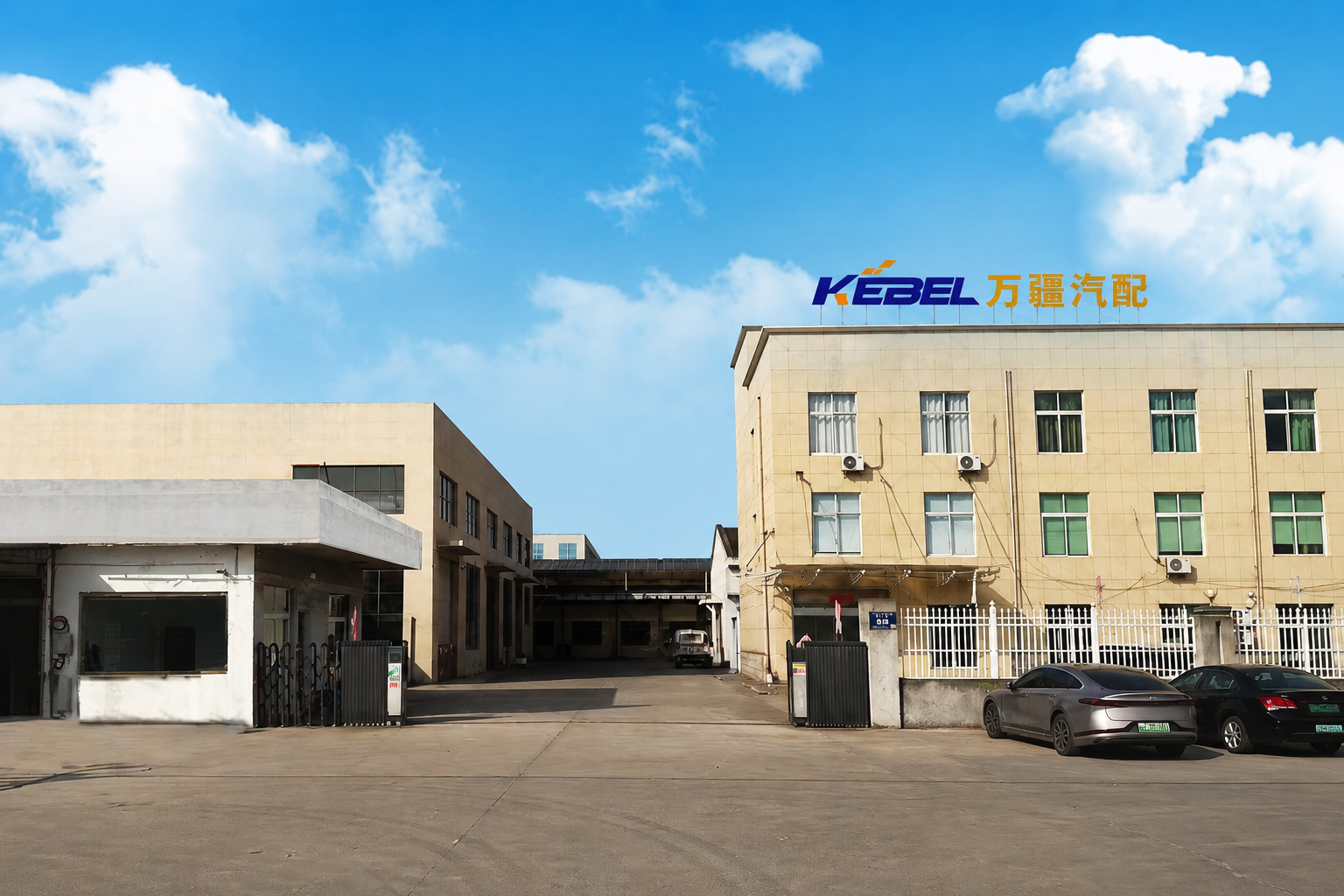
Danyang Wanjiang Auto Parts Co., Ltd. operates an expansive 10,000 square meter manufacturing hub staffed by 80 skilled experts. Specializing in high-grade auto exterior components including front/rear bumpers, grilles, headlights, hoods, and fenders, the company leverages 18 years of OEM/ODM industry expertise. Exporting over 500 containers annually with a 95% export footprint concentrated in North American and European markets, all products rigorously meet CE and EPR standards to empower global repair networks and parts distributors.

REPORT