







-
 Agriculture
-
 Health-Care
-
 Environment
-
 Construction-Real-Estate
-
 Tools-Hardware
-
 Home-Garden
-
 Furniture
-
 Luggage-Bags-Cases
-
 Medical-devices-Supplies
-
 Gifts-Crafts
-
 Sports-Entertainment
-
 Food-Beverage
-
 Vehicles-Transportation
-
 Power-Transmission
-
 Material-Handling
-
 Renewable-Energy
-
 Safety
-
 Testing-Instrument-Equipment
-
 Construction-Building-Machinery
-
 Pet-Supplies
-
 Personal-Care-Household-Cleaning
-
 Vehicle-Accessories-Electronics-Tools
-
 School-Office-Supplies
-
 Packaging-Printing
-
 Mother-Kids-Toys
-
 Business-Services
-
 Commercial-Equipment-Machinery
-
 Apparel-Accessories
-
 Security
-
 Shoes-Accessories
-
 Vehicle-Parts-Accessories
-
 Jewelry-Eyewear-Watches-Accessories
-
 Lights-Lighting
-
 Fabric-Textile-Raw-Material
-
 Fabrication-Services
-
 Industrial-Machinery
-
 Consumer-Electronics
-
 Electrical-Equipment-Supplies
-
 Electronic-Components-Accessories-Telecommunications
-
 Home-Appliances
-
 Beauty
-
 Chemicals
-
 Rubber-Plastics
-
 Metals-Alloys


























































































































































































































































































































































































































































































































































































- Masonry Materials
- Curtain Walls & Accessories
- Earthwork Products
- Fireproofing Materials
- Heat Insulation Materials
- Plastic Building Materials
- Building Boards
- Soundproofing Materials
- Timber
- Waterproofing Materials
- Balustrades & Handrails
- Bathroom & Kitchen
- Flooring & Accessories
- Tiles & Accessories
- Door, Window & Accessories
- Fireplaces & Stoves
- Floor Heating Systems & Parts
- Stairs & Stair Parts
- Ceilings
- Elevators & Escalators
- Stone
- Countertops, Vanity Tops & Table Tops
- Mosaics
- Metal Building Materials
- Multifunctional Materials
- Ladders & Scaffoldings
- Mouldings
- Corner Guards
- Decorative Films
- Formwork
- Building & Industrial Glass
- Other Construction & Real Estate
- Wallpapers/Wall panels
- HVAC System & Parts
- Outdoor Facilities
- Prefabricated Buildings
- Festive & Party Supplies
- Bathroom Products
- Household Sundries
- Rain Gear
- Garden Supplies
- Household Cleaning Tools & Accessories
- Lighters & Smoking Accessories
- Home Storage & Organization
- Household Scales
- Smart Home Improvement
- Home Textiles
- Kitchenware
- Drinkware & Accessories
- Dinnerware, Coffee & Wine
- Home Decor
- Golf
- Fitness & Body Building
- Amusement Park Facilities
- Billiards, Board Game,Coin Operated Games
- Musical Instruments
- Outdoor Affordable Luxury Sports
- Camping & Hiking
- Fishing
- Sports Safety&Rehabilitation
- Ball Sports Equipments
- Water Sports
- Winter Sports
- Luxury Travel Equipments
- Sports Shoes, Bags & Accessories
- Cycling
- Other Sports & Entertainment Products
- Artificial Grass&Sports Flooring&Sports Court Equipment
- Scooters
- Food Ingredients
- Honey & Honey Products
- Snacks
- Nuts & Kernels
- Seafood
- Plant & Animal Oil
- Beverages
- Fruit & Vegetable Products
- Frog & Escargot
- Bean Products
- Egg Products
- Dairy Products
- Seasonings & Condiments
- Canned Food
- Instant Food
- Baked Goods
- Other Food & Beverage
- Meat & Poultry
- Confectionery
- Grain Products
- Feminie Care
- Hair Care & Styling
- Body Care
- Hands & Feet Care
- Hygiene Products
- Men's Grooming
- Laundry Cleaning Supplies
- Travel Size & Gift Sets
- Room Deodorizers
- Other Personal Care Products
- Pest Control Products
- Special Household Cleaning
- Floor Cleaning
- Kitchen & Bathroom Cleaning
- Oral Care
- Bath Supplies
- Yellow Pages
- Correction Supplies
- Office Binding Supplies
- Office Cutting Supplies
- Board Erasers
- Office Adhesives & Tapes
- Education Supplies
- Pencil Cases & Bags
- Notebooks & Writing Pads
- File Folder Accessories
- Calendars
- Writing Accessories
- Commercial Office Supplies
- Pencil Sharpeners
- Pens
- Letter Pad/Paper
- Paper Envelopes
- Desk Organizers
- Pencils
- Markers & Highlighters
- Filing Products
- Art Supplies
- Easels
- Badge Holder & Accessories
- Office Paper
- Printer Supplies
- Book Covers
- Other Office & School Supplies
- Stationery Set
- Boards
- Clipboards
- Stamps
- Drafting Supplies
- Stencils
- Electronic Dictionary
- Books
- Map
- Magazines
- Calculators
- Baby & Toddler Toys
- Educational Toys
- Classic Toys
- Dress Up & Pretend Play
- Toy Vehicle
- Stuffed Animals & Plush Toys
- Outdoor Toys & Structures
- Balloons & Accessories
- Baby Food
- Children's Clothing
- Baby Supplies & Products
- Maternity Clothes
- Kids Shoes
- Baby Care
- Novelty & Gag Toys
- Dolls & Accessories
- Puzzle & Games
- Blocks & Model Building Toys
- Toddler Clothing
- Baby Clothing
- Kids' Luggage & Bags
- Arts, Crafts & DIY Toys
- Action & Toy Figures
- Baby Appliances
- Hobbies & Models
- Remote Control Toys
- Promotional Toys
- Pregnancy & Maternity
- Hygiene Products
- Kid's Textile&Bedding
- Novelty & Special Use
- Toy Weapons
- Baby Gifts
- Baby Storage & Organization
- Auto Drive Systems
- ATV/UTV Parts & Accessories
- Marine Parts & Accessories
- Other Auto Parts
- Trailer Parts & Accessories
- Auto Transmission Systems
- Train Parts & Accessories
- Universal Parts
- Railway Parts & Accessories
- Auto Brake Systems
- Aviation Parts & Accessories
- Truck Parts & Accessories
- Auto Suspension Systems
- Auto Lighting Systems
- New Energy Vehicle Parts & Accessories
- Auto Steering Systems
- Wheels, Tires & Accessories
- Bus Parts & Accessories
- Auto Performance Parts
- Cooling System
- Go-Kart & Kart Racer Parts & Accessories
- Air Conditioning Systems
- Heavy Duty Vehicle Parts & Accessories
- Auto Electrical Systems
- Auto Body Systems
- Auto Engine Systems
- Container Parts & Accessories
- Motorcycle Parts & Accessories
- Refrigeration & Heat Exchange Equipment
- Machine Tool Equipment
- Food & Beverage Machinery
- Agricultural Machinery & Equipment
- Apparel & Textile Machinery
- Chemical Machinery
- Packaging Machines
- Paper Production Machinery
- Plastic & Rubber Processing Machinery
- Industrial Robots
- Electronic Products Machinery
- Metal & Metallurgy Machinery
- Woodworking Machinery
- Home Product Manufacturing Machinery
- Machinery Accessories
- Environmental Machinery
- Machinery Service
- Electrical Equipment Manufacturing Machinery
- Industrial Compressors & Parts
- Tobacco & Cigarette Machinery
- Production Line
- Used Industrial Machinery
- Electronics Production Machinery
- Other Machinery & Industrial Equipment
- Camera, Photo & Accessories
- Portable Audio, Video & Accessories
- Television, Home Audio, Video & Accessories
- Video Games & Accessories
- Mobile Phone & Accessories
- Electronic Publications
- Earphone & Headphone & Accessories
- Speakers & Accessories
- Smart Electronics
- TV Receivers & Accessories
- Mobile Phone & Computer Repair Parts
- Chargers, Batteries & Power Supplies
- Used Electronics
- VR, AR, MR Hardware & Software
- Projectors & Presentation Equipments
- Other Consumer Electronics
- Cables & Commonly Used Accessories
- Computer Hardware & Software
- Displays, Signage and Optoelectronics
- Discrete Semiconductors
- Wireless & IoT Module and Products
- Telecommunications
- Connectors, Terminals & Accessories
- Development Boards, Electronic Modules and Kits
- Circuit Protection
- Sensors
- Isolators
- Audio Components and Products
- Integrated Circuits
- Power Supplies
- Relays
- RF, Microwave and RFID
- Electronic Accessories & Supplies
- Passive Components
- PCB & PCBA
- Air Quality Appliances
- Home Appliance Parts
- Heating & Cooling Appliances
- Small Kitchen Appliances
- Laundry Appliances
- Water Heaters
- Water Treatment Appliances
- Refrigerators & Freezers
- Personal Care & Beauty Appliances
- Major Kitchen Appliances
- Cleaning Appliances
- Second-hand Appliances
- Smart Home Appliances
- Other Home Appliances
- Energy Chemicals
- Inorganic Chemicals
- Basic Organic Chemicals
- Agrochemicals
- Admixture & Additives
- Catalysts & Chemical Auxiliary Agents
- Pigments & Dyestuff
- Coating & Paint
- Daily Chemicals
- Polymer
- Organic Intermediate
- Adhesives & Sealants
- Chemical Waste
- Biological Chemical Products
- Surface Treatment Chemicals
- Painting & Coating
- Chemical Reagents
- Flavor & Fragrance
- Non-Explosive Demolition Agents
- Other Chemicals
- Custom Chemical Services

Mastering Color Accuracy in DTG Printing: How to Align Digital Proofs with Physical Garment Samples
Achieving perfect color consistency between on-screen graphics and physical Direct-to-Garment (DTG) apparel samples remains one of the most critical challenges for custom clothing brands. Screen mockups rely on light-emitting RGB color spaces, whereas industrial digital printers apply subtractive CMYK inks onto absorbent fabric fibers. Overcoming these natural discrepancies requires a comprehensive technical approach that combines custom color profile conversion, precise substrate pre-treatment, calibrated hardware, and rigorous pre-production sampling.
Understanding the Science Behind RGB-to-DTG Variance
Digital monitors render vibrant visual assets by projecting red, green, and blue light directly to the eye. In contrast, DTG machinery deposits physical cyan, magenta, yellow, and black pigments onto woven textiles. Because natural textiles—especially heavyweight knits ranging from 480 to 630 GSM—absorb liquid inks differently than synthetic fibers, uncalibrated print runs frequently suffer from muted tones, improper dark shade saturation, or unwanted color shifts.
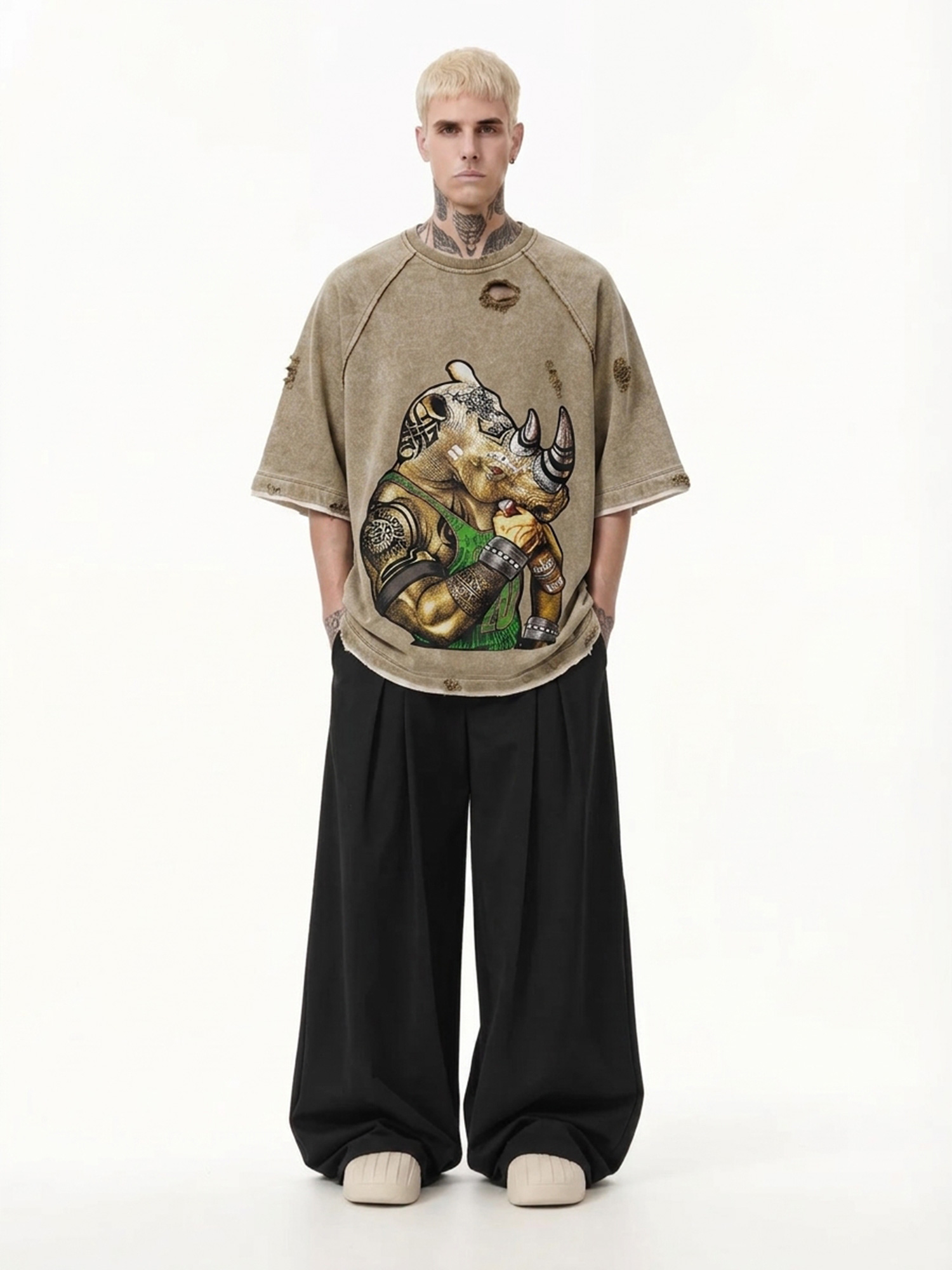
Bridge this technical gap requires tailored workflow management. Raster Image Processor (RIP) software must be configured alongside custom International Color Consortium (ICC) profiles specifically mapped to the exact fabric weight, weave density, and liquid absorption rate of the chosen garment.
Key Steps for Precise Color Alignment
- Targeted ICC Profile Calibration: Transforming RGB digital artwork into specialized CMYK gamuts before sample execution prevents unexpected color shifts across cotton textiles.
- Garment Pre-Treatment & Ink Saturation: Applying specialized liquid pre-treatments to dense cotton apparel controls ink penetration, protecting color saturation and crisp design outlines.
- Physical Strike-Off Verification: Fabricating actual physical samples within a 3 to 15-day window gives independent apparel lines and streetwear brands the opportunity to evaluate shade fidelity under natural and standard lighting.
- ISO-Based Quality Assurance: Enforcing strict final inspection standards (AQL 2.5 / ISO 2859-1) ensures that full production runs remain identical to the client-approved strike-off sample.
Streamlining Production for Private Labels & Streetwear
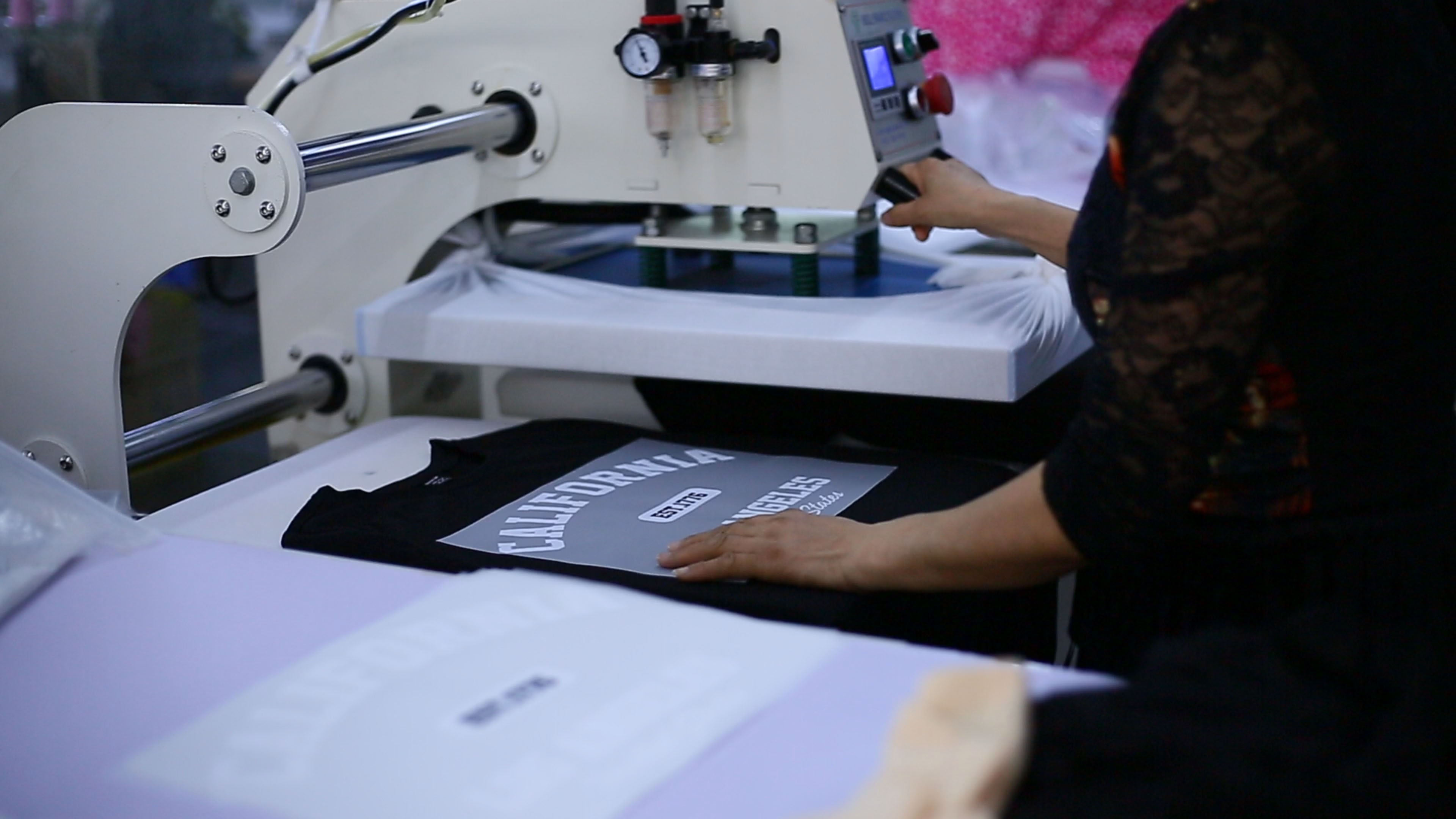
For rapidly growing private label retailers—such as brands producing thousands of units across multiple annual collections—preventing batch-to-batch color drift is vital for brand integrity. When incorporating advanced decorative techniques like puff printing, 3D embroidery, or custom vintage washes alongside DTG artwork, textile engineers must analyze ink-and-fabric reactions on pre-shrunk garments prior to launching bulk production runs.
At Dongguan City Dule Garment Co.,Ltd (founded in 2007), technical technicians utilize over 50 sets of specialized equipment to maintain exact color replication. When outputting intricate prints on heavy 480–630 GSM fleece hoodies and t-shirts, operators carefully fine-tune white underbase ink passes and curing heat channels to meet stringent tech pack specifications.
Performance Comparison: Proofing vs. Production Workflow
| Technical Parameter | Digital Screen Proof | Standard Uncalibrated DTG | Calibrated OEM DTG Sampling |
|---|---|---|---|
| Color Space Basis | RGB / Emitted Light | Basic CMYK Conversion | Custom ICC Profile & Spot CMYK |
| Substrate Compensation | None (Virtual) | Default Pre-Treatment | Fabric-Specific Pre-Treatment (480–630 GSM) |
| Color Accuracy Match | Theoretical Display | 70%–80% Visual Proximity | 95%+ Physical Match to Approved Sample |
| Quality Control Standard | Visual Review | Basic Line Inspection | Pre-Production Sample & AQL 2.5 Final QC |
| Turnaround / Lead Time | Immediate | 1–2 Days | 3–15 Days Physical Sampling / 20–35 Days Bulk |
Frequently Asked Questions
Why do physical DTG prints on cotton garments appear darker than on digital displays?
Monitors radiate light directly using RGB colors, whereas DTG printing relies on CMYK light absorption. Uncoated cotton fibers absorb liquid pigments, reducing overall visual brightness unless the garment is correctly pre-treated and printed with a calibrated white underbase layer.
What are the minimum order quantities (MOQs) for custom apparel orders?
For custom DTG-printed garments, the standard MOQ starts at 50 pieces per style and color (supporting various size breakdowns). Blank, unprinted garment orders require a lower minimum of 20 pieces per style and color.
What international shipping options are available for custom manufacturing?
Clients can select FOB Shenzhen terms if using their own freight partners, or opt for DDP (Delivered Duty Paid) door-to-door services that manage all customs duties and taxes across North America, Europe, Australia, and Asia. Express physical samples are dispatched via DHL, FedEx, or UPS with a 3 to 7 business day transit time.
Conclusion & Contact Details
Successfully resolving color mismatches between digital proofs and DTG samples requires systematic ICC profile mapping, fabric-tailored pre-treatments, and mandatory physical sample approvals. Partnering with a dedicated OEM/ODM garment manufacturer capable of delivering rapid physical sampling (3–15 days) and dependable bulk production (20–35 days) ensures your finished products meet top-tier retail expectations. To request technical assistance or discuss custom manufacturing orders, contact our team directly at yutianfang88@gmail.com.
About Dongguan City Dule Garment Co.,Ltd
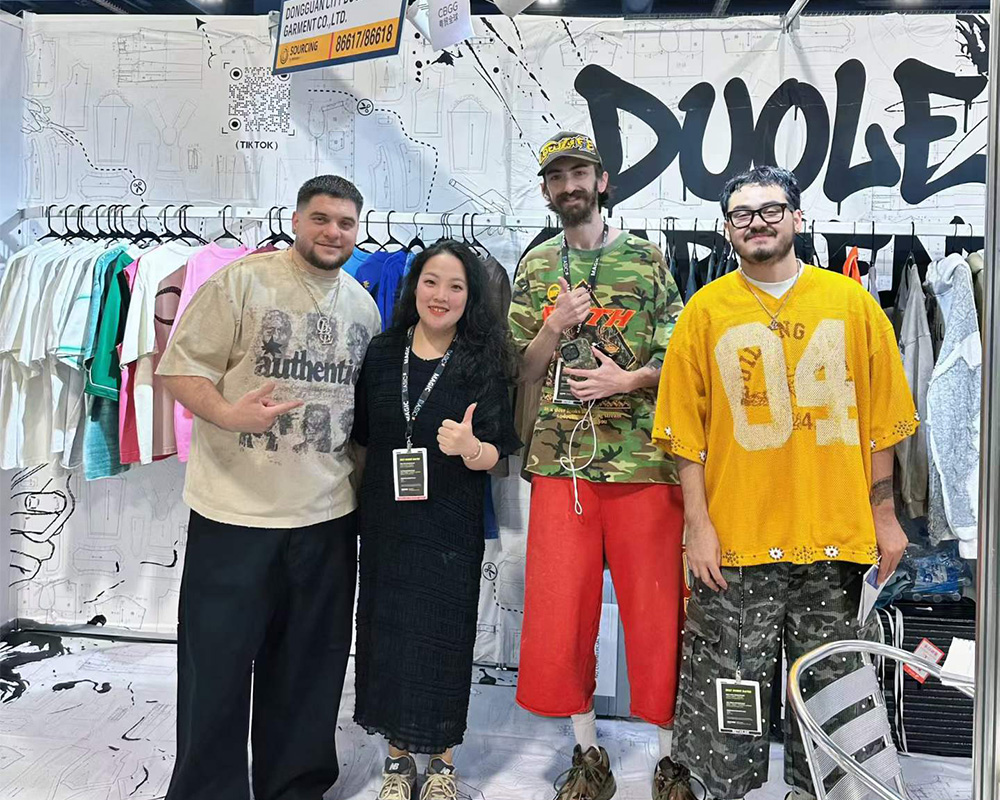
Dongguan City Dule Garment Co.,Ltd is an established OEM/ODM streetwear and heavyweight custom apparel manufacturer operating since 2007. Featuring two modern production facilities totaling 15,000 square meters and an in-house R&D team, the facility produces 1.2 million garments annually and launches over 500 new designs each year. DOLUXE serves more than 200 international clothing labels across 30+ countries throughout North America, Europe, Australia, and Asia, specializing in premium heavyweight hoodies, t-shirts, sweatshirts, and custom streetwear garment processes.

REPORT