







-
 Agriculture
-
 Health-Care
-
 Environment
-
 Construction-Real-Estate
-
 Tools-Hardware
-
 Home-Garden
-
 Furniture
-
 Luggage-Bags-Cases
-
 Medical-devices-Supplies
-
 Gifts-Crafts
-
 Sports-Entertainment
-
 Food-Beverage
-
 Vehicles-Transportation
-
 Power-Transmission
-
 Material-Handling
-
 Renewable-Energy
-
 Safety
-
 Testing-Instrument-Equipment
-
 Construction-Building-Machinery
-
 Pet-Supplies
-
 Personal-Care-Household-Cleaning
-
 Vehicle-Accessories-Electronics-Tools
-
 School-Office-Supplies
-
 Packaging-Printing
-
 Mother-Kids-Toys
-
 Business-Services
-
 Commercial-Equipment-Machinery
-
 Apparel-Accessories
-
 Security
-
 Shoes-Accessories
-
 Vehicle-Parts-Accessories
-
 Jewelry-Eyewear-Watches-Accessories
-
 Lights-Lighting
-
 Fabric-Textile-Raw-Material
-
 Fabrication-Services
-
 Industrial-Machinery
-
 Consumer-Electronics
-
 Electrical-Equipment-Supplies
-
 Electronic-Components-Accessories-Telecommunications
-
 Home-Appliances
-
 Beauty
-
 Chemicals
-
 Rubber-Plastics
-
 Metals-Alloys


























































































































































































































































































































































































































































































































































































- Masonry Materials
- Curtain Walls & Accessories
- Earthwork Products
- Fireproofing Materials
- Heat Insulation Materials
- Plastic Building Materials
- Building Boards
- Soundproofing Materials
- Timber
- Waterproofing Materials
- Balustrades & Handrails
- Bathroom & Kitchen
- Flooring & Accessories
- Tiles & Accessories
- Door, Window & Accessories
- Fireplaces & Stoves
- Floor Heating Systems & Parts
- Stairs & Stair Parts
- Ceilings
- Elevators & Escalators
- Stone
- Countertops, Vanity Tops & Table Tops
- Mosaics
- Metal Building Materials
- Multifunctional Materials
- Ladders & Scaffoldings
- Mouldings
- Corner Guards
- Decorative Films
- Formwork
- Building & Industrial Glass
- Other Construction & Real Estate
- Wallpapers/Wall panels
- HVAC System & Parts
- Outdoor Facilities
- Prefabricated Buildings
- Festive & Party Supplies
- Bathroom Products
- Household Sundries
- Rain Gear
- Garden Supplies
- Household Cleaning Tools & Accessories
- Lighters & Smoking Accessories
- Home Storage & Organization
- Household Scales
- Smart Home Improvement
- Home Textiles
- Kitchenware
- Drinkware & Accessories
- Dinnerware, Coffee & Wine
- Home Decor
- Golf
- Fitness & Body Building
- Amusement Park Facilities
- Billiards, Board Game,Coin Operated Games
- Musical Instruments
- Outdoor Affordable Luxury Sports
- Camping & Hiking
- Fishing
- Sports Safety&Rehabilitation
- Ball Sports Equipments
- Water Sports
- Winter Sports
- Luxury Travel Equipments
- Sports Shoes, Bags & Accessories
- Cycling
- Other Sports & Entertainment Products
- Artificial Grass&Sports Flooring&Sports Court Equipment
- Scooters
- Food Ingredients
- Honey & Honey Products
- Snacks
- Nuts & Kernels
- Seafood
- Plant & Animal Oil
- Beverages
- Fruit & Vegetable Products
- Frog & Escargot
- Bean Products
- Egg Products
- Dairy Products
- Seasonings & Condiments
- Canned Food
- Instant Food
- Baked Goods
- Other Food & Beverage
- Meat & Poultry
- Confectionery
- Grain Products
- Feminie Care
- Hair Care & Styling
- Body Care
- Hands & Feet Care
- Hygiene Products
- Men's Grooming
- Laundry Cleaning Supplies
- Travel Size & Gift Sets
- Room Deodorizers
- Other Personal Care Products
- Pest Control Products
- Special Household Cleaning
- Floor Cleaning
- Kitchen & Bathroom Cleaning
- Oral Care
- Bath Supplies
- Yellow Pages
- Correction Supplies
- Office Binding Supplies
- Office Cutting Supplies
- Board Erasers
- Office Adhesives & Tapes
- Education Supplies
- Pencil Cases & Bags
- Notebooks & Writing Pads
- File Folder Accessories
- Calendars
- Writing Accessories
- Commercial Office Supplies
- Pencil Sharpeners
- Pens
- Letter Pad/Paper
- Paper Envelopes
- Desk Organizers
- Pencils
- Markers & Highlighters
- Filing Products
- Art Supplies
- Easels
- Badge Holder & Accessories
- Office Paper
- Printer Supplies
- Book Covers
- Other Office & School Supplies
- Stationery Set
- Boards
- Clipboards
- Stamps
- Drafting Supplies
- Stencils
- Electronic Dictionary
- Books
- Map
- Magazines
- Calculators
- Baby & Toddler Toys
- Educational Toys
- Classic Toys
- Dress Up & Pretend Play
- Toy Vehicle
- Stuffed Animals & Plush Toys
- Outdoor Toys & Structures
- Balloons & Accessories
- Baby Food
- Children's Clothing
- Baby Supplies & Products
- Maternity Clothes
- Kids Shoes
- Baby Care
- Novelty & Gag Toys
- Dolls & Accessories
- Puzzle & Games
- Blocks & Model Building Toys
- Toddler Clothing
- Baby Clothing
- Kids' Luggage & Bags
- Arts, Crafts & DIY Toys
- Action & Toy Figures
- Baby Appliances
- Hobbies & Models
- Remote Control Toys
- Promotional Toys
- Pregnancy & Maternity
- Hygiene Products
- Kid's Textile&Bedding
- Novelty & Special Use
- Toy Weapons
- Baby Gifts
- Baby Storage & Organization
- Auto Drive Systems
- ATV/UTV Parts & Accessories
- Marine Parts & Accessories
- Other Auto Parts
- Trailer Parts & Accessories
- Auto Transmission Systems
- Train Parts & Accessories
- Universal Parts
- Railway Parts & Accessories
- Auto Brake Systems
- Aviation Parts & Accessories
- Truck Parts & Accessories
- Auto Suspension Systems
- Auto Lighting Systems
- New Energy Vehicle Parts & Accessories
- Auto Steering Systems
- Wheels, Tires & Accessories
- Bus Parts & Accessories
- Auto Performance Parts
- Cooling System
- Go-Kart & Kart Racer Parts & Accessories
- Air Conditioning Systems
- Heavy Duty Vehicle Parts & Accessories
- Auto Electrical Systems
- Auto Body Systems
- Auto Engine Systems
- Container Parts & Accessories
- Motorcycle Parts & Accessories
- Refrigeration & Heat Exchange Equipment
- Machine Tool Equipment
- Food & Beverage Machinery
- Agricultural Machinery & Equipment
- Apparel & Textile Machinery
- Chemical Machinery
- Packaging Machines
- Paper Production Machinery
- Plastic & Rubber Processing Machinery
- Industrial Robots
- Electronic Products Machinery
- Metal & Metallurgy Machinery
- Woodworking Machinery
- Home Product Manufacturing Machinery
- Machinery Accessories
- Environmental Machinery
- Machinery Service
- Electrical Equipment Manufacturing Machinery
- Industrial Compressors & Parts
- Tobacco & Cigarette Machinery
- Production Line
- Used Industrial Machinery
- Electronics Production Machinery
- Other Machinery & Industrial Equipment
- Camera, Photo & Accessories
- Portable Audio, Video & Accessories
- Television, Home Audio, Video & Accessories
- Video Games & Accessories
- Mobile Phone & Accessories
- Electronic Publications
- Earphone & Headphone & Accessories
- Speakers & Accessories
- Smart Electronics
- TV Receivers & Accessories
- Mobile Phone & Computer Repair Parts
- Chargers, Batteries & Power Supplies
- Used Electronics
- VR, AR, MR Hardware & Software
- Projectors & Presentation Equipments
- Other Consumer Electronics
- Cables & Commonly Used Accessories
- Computer Hardware & Software
- Displays, Signage and Optoelectronics
- Discrete Semiconductors
- Wireless & IoT Module and Products
- Telecommunications
- Connectors, Terminals & Accessories
- Development Boards, Electronic Modules and Kits
- Circuit Protection
- Sensors
- Isolators
- Audio Components and Products
- Integrated Circuits
- Power Supplies
- Relays
- RF, Microwave and RFID
- Electronic Accessories & Supplies
- Passive Components
- PCB & PCBA
- Air Quality Appliances
- Home Appliance Parts
- Heating & Cooling Appliances
- Small Kitchen Appliances
- Laundry Appliances
- Water Heaters
- Water Treatment Appliances
- Refrigerators & Freezers
- Personal Care & Beauty Appliances
- Major Kitchen Appliances
- Cleaning Appliances
- Second-hand Appliances
- Smart Home Appliances
- Other Home Appliances
- Energy Chemicals
- Inorganic Chemicals
- Basic Organic Chemicals
- Agrochemicals
- Admixture & Additives
- Catalysts & Chemical Auxiliary Agents
- Pigments & Dyestuff
- Coating & Paint
- Daily Chemicals
- Polymer
- Organic Intermediate
- Adhesives & Sealants
- Chemical Waste
- Biological Chemical Products
- Surface Treatment Chemicals
- Painting & Coating
- Chemical Reagents
- Flavor & Fragrance
- Non-Explosive Demolition Agents
- Other Chemicals
- Custom Chemical Services

Mobile Prefabricated vs. Permanent Substations: How to Choose the Right Solution
Choosing between a mobile prefabricated substation and a conventional permanent installation depends primarily on project duration, site conditions, deployment speed, and future flexibility. A mobile solution is especially valuable when electrical infrastructure must be delivered rapidly, transported to difficult locations, or moved as project requirements evolve.
For stable, long-term facilities with fixed load demands and established land availability, a permanent substation may remain the preferred option. However, temporary construction supply, renewable energy developments, emergency restoration, grid upgrades, and remote power applications often benefit more from a factory-integrated mobile substation.
When a Mobile Prefabricated Substation Is the Better Choice
Rapid Power Deployment and Emergency Response
Mobile prefabricated substations are designed for situations where power cannot wait for extensive site construction. They can support emergency grid restoration, disaster relief operations, temporary utility supply, major public events, and urgent industrial projects. Because major electrical components are integrated before shipment, on-site installation work and commissioning time can be reduced.
Temporary or Relocatable Projects
A vehicle-mounted or containerized configuration is an effective option when a power system may need to be relocated. Construction sites, mining operations, temporary industrial facilities, and infrastructure projects commonly face changing work areas and load centers. Unlike a fixed substation, a mobile unit can be transferred to another location after the initial project phase is complete.
Remote Renewable Energy and Off-Grid Applications
Photovoltaic plants, onshore wind farms, battery energy storage stations, and hybrid microgrids are frequently developed in areas with limited infrastructure. A mobile prefabricated substation can provide power collection, voltage transformation, and grid-connection support while avoiding the extended civil works associated with a traditional substation. It can also be integrated into off-grid systems combining solar generation, wind power, energy storage, and diesel generators.
Technical Characteristics and Configuration Flexibility
The mobile integrated substation combines transformer, switchgear, protection, control, and auxiliary equipment within a transportable vehicle-mounted platform or containerized enclosure. The solution is available for voltage ratings above 35kV and can be customized for rated capacities from 500kVA to 63000kVA, with 50Hz or 60Hz frequency options.
Projects can select connection groups such as Dyn11 or Yyn0, as well as ONAN or ONAF cooling arrangements. Standard protection levels range from IP23 to IP54, while outdoor configurations can reach IP56. These options allow the substation to be adapted to varying network requirements, environmental conditions, and installation locations.
For demanding climates, configurations are available for ambient temperatures between -40C and +55C and elevations of up to 4000m. Class F or Class H insulation systems can be specified, and equipment noise can be controlled to 55dB or below, including low-noise designs for sensitive locations.
Mobile and Permanent Substation Comparison
| Selection criterion | Mobile prefabricated substation | Permanent installation |
|---|---|---|
| Best project environment | Temporary, remote, urgent, or evolving sites | Stable facilities with established long-term plans |
| Deployment speed | Fast installation through factory-integrated equipment | Usually requires more site preparation and civil construction |
| Relocation capability | Suitable for transfer through vehicle-mounted or containerized designs | Built for a fixed location and not intended for relocation |
| Civil works requirement | Useful where a compact footprint and less civil work are desired | Appropriate where permanent foundations and infrastructure are acceptable |
| Typical applications | Emergency supply, renewable projects, construction, microgrids, temporary grid reinforcement | Long-term utility, industrial, and commercial distribution systems |
| Electrical configuration | Above 35kV with customizable 500kVA to 63000kVA capacity | Engineered around a permanent site-specific layout |
Where Permanent Substations Still Have an Advantage
A permanent installation is generally the stronger choice when the site will operate for decades, the electrical load profile is predictable, and there is sufficient time and budget for complete civil construction. Fixed substations can be planned around long-term expansion, dedicated foundations, and a permanent equipment arrangement.
By contrast, a mobile prefabricated substation is most compelling when flexibility has measurable value. It enables project teams to respond to changing site conditions, short construction schedules, or temporary grid demand without committing immediately to a full fixed installation.
Quality Control, Compliance, and Project Experience
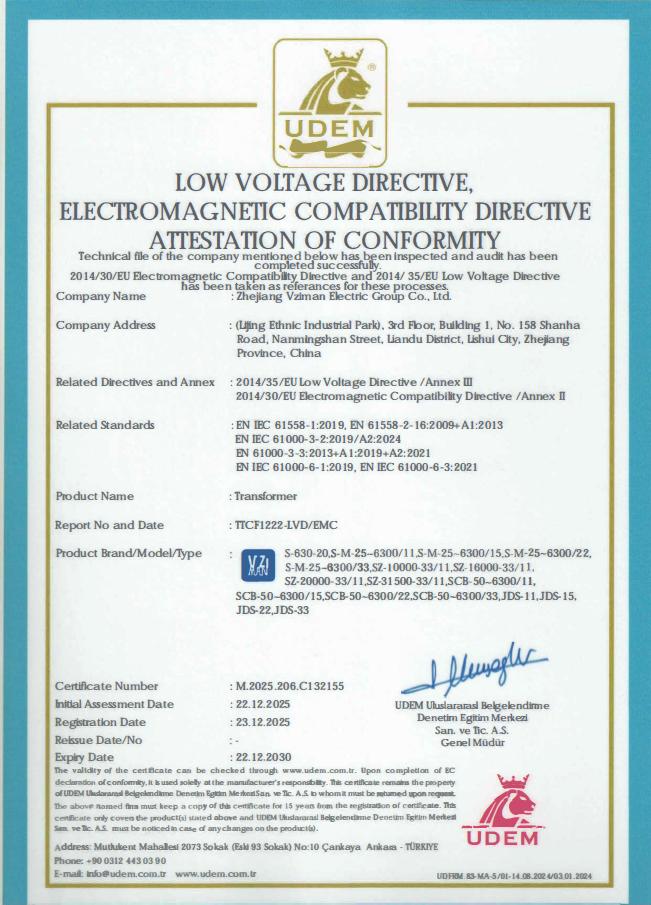
Each solution can be supported by Factory Acceptance Testing, type testing, and complete pre-shipment inspection in accordance with IEC-oriented requirements. Certification records include UDEM certificate M.2052.206.C132155 for substations, transformers, and switchgear in the EU, together with CNAS certificate No. CNAS L16271 for an oil-immersed power transformer model.
Relevant project experience includes the supply of two 25MVA, 63/35kV power transformers for a Madagascar grid renovation project focused on substation upgrading, capacity expansion, and power-loss reduction. Another project involved 40 intervals of 110kV GIS for a national transmission grid development in Suriname, including customized engineering and on-site commissioning support.
Frequently Asked Questions
What projects should use a mobile prefabricated substation?
This solution is well suited to projects requiring quick energization, temporary electricity, remote-site operation, emergency response, or future relocation. It is also a practical choice where construction schedules or grid requirements may change during project execution.
Can a mobile substation be used for high-voltage power applications?
Yes. The available design supports voltage levels above 35kV and customizable capacities from 500kVA to 63000kVA. Connection groups, cooling methods, enclosure protection, insulation class, and high-altitude adaptations can be tailored to the project.
What support is provided after delivery?
Services include a 72-hour global technical response, commissioning guidance, operator training, spare-parts supply, and life-cycle support. The minimum order quantity is one unit, and the normal delivery period is 45 to 60 working days after deposit receipt and technical confirmation.
Conclusion
A mobile prefabricated substation is the practical alternative to a permanent installation when power must be deployed quickly, installed with reduced civil work, operated in remote areas, or relocated later. It is particularly relevant to renewable energy facilities, construction projects, emergency power systems, microgrids, and urban network reinforcement.
Permanent substations remain appropriate for fixed, long-life sites with stable load arrangements. For projects where mobility, speed, and configuration flexibility are essential, Vziman provides manufacturer, OEM, ODM, and turnkey project support, backed by testing, inspection, and technical service. For detailed technical solutions, contact support@vziman.com.
About Us
Zhejiang Vziman Electric Power Technology Co., Ltd. is the parent company of Zhejiang Vziman Electric Group Co., Ltd. and originates from Zhejiang Powertech Electric Co., Ltd., established in 2009. The company is a high-tech enterprise specializing in research, manufacturing, and service for power equipment used in grid construction, renewable energy, and industrial distribution. Its team includes more than 30 senior electrical engineers and industrial designers, supported by standardized smart manufacturing workshops for medium- and high-voltage equipment production and testing. The company holds UDEM and CNAS-related certifications and has served projects across multiple industries and regions.

REPORT