







-
 Agriculture
-
 Health-Care
-
 Environment
-
 Construction-Real-Estate
-
 Tools-Hardware
-
 Home-Garden
-
 Furniture
-
 Luggage-Bags-Cases
-
 Medical-devices-Supplies
-
 Gifts-Crafts
-
 Sports-Entertainment
-
 Food-Beverage
-
 Vehicles-Transportation
-
 Power-Transmission
-
 Material-Handling
-
 Renewable-Energy
-
 Safety
-
 Testing-Instrument-Equipment
-
 Construction-Building-Machinery
-
 Pet-Supplies
-
 Personal-Care-Household-Cleaning
-
 Vehicle-Accessories-Electronics-Tools
-
 School-Office-Supplies
-
 Packaging-Printing
-
 Mother-Kids-Toys
-
 Business-Services
-
 Commercial-Equipment-Machinery
-
 Apparel-Accessories
-
 Security
-
 Shoes-Accessories
-
 Vehicle-Parts-Accessories
-
 Jewelry-Eyewear-Watches-Accessories
-
 Lights-Lighting
-
 Fabric-Textile-Raw-Material
-
 Fabrication-Services
-
 Industrial-Machinery
-
 Consumer-Electronics
-
 Electrical-Equipment-Supplies
-
 Electronic-Components-Accessories-Telecommunications
-
 Home-Appliances
-
 Beauty
-
 Chemicals
-
 Rubber-Plastics
-
 Metals-Alloys


























































































































































































































































































































































































































































































































































































- Masonry Materials
- Curtain Walls & Accessories
- Earthwork Products
- Fireproofing Materials
- Heat Insulation Materials
- Plastic Building Materials
- Building Boards
- Soundproofing Materials
- Timber
- Waterproofing Materials
- Balustrades & Handrails
- Bathroom & Kitchen
- Flooring & Accessories
- Tiles & Accessories
- Door, Window & Accessories
- Fireplaces & Stoves
- Floor Heating Systems & Parts
- Stairs & Stair Parts
- Ceilings
- Elevators & Escalators
- Stone
- Countertops, Vanity Tops & Table Tops
- Mosaics
- Metal Building Materials
- Multifunctional Materials
- Ladders & Scaffoldings
- Mouldings
- Corner Guards
- Decorative Films
- Formwork
- Building & Industrial Glass
- Other Construction & Real Estate
- Wallpapers/Wall panels
- HVAC System & Parts
- Outdoor Facilities
- Prefabricated Buildings
- Festive & Party Supplies
- Bathroom Products
- Household Sundries
- Rain Gear
- Garden Supplies
- Household Cleaning Tools & Accessories
- Lighters & Smoking Accessories
- Home Storage & Organization
- Household Scales
- Smart Home Improvement
- Home Textiles
- Kitchenware
- Drinkware & Accessories
- Dinnerware, Coffee & Wine
- Home Decor
- Golf
- Fitness & Body Building
- Amusement Park Facilities
- Billiards, Board Game,Coin Operated Games
- Musical Instruments
- Outdoor Affordable Luxury Sports
- Camping & Hiking
- Fishing
- Sports Safety&Rehabilitation
- Ball Sports Equipments
- Water Sports
- Winter Sports
- Luxury Travel Equipments
- Sports Shoes, Bags & Accessories
- Cycling
- Other Sports & Entertainment Products
- Artificial Grass&Sports Flooring&Sports Court Equipment
- Scooters
- Food Ingredients
- Honey & Honey Products
- Snacks
- Nuts & Kernels
- Seafood
- Plant & Animal Oil
- Beverages
- Fruit & Vegetable Products
- Frog & Escargot
- Bean Products
- Egg Products
- Dairy Products
- Seasonings & Condiments
- Canned Food
- Instant Food
- Baked Goods
- Other Food & Beverage
- Meat & Poultry
- Confectionery
- Grain Products
- Feminie Care
- Hair Care & Styling
- Body Care
- Hands & Feet Care
- Hygiene Products
- Men's Grooming
- Laundry Cleaning Supplies
- Travel Size & Gift Sets
- Room Deodorizers
- Other Personal Care Products
- Pest Control Products
- Special Household Cleaning
- Floor Cleaning
- Kitchen & Bathroom Cleaning
- Oral Care
- Bath Supplies
- Yellow Pages
- Correction Supplies
- Office Binding Supplies
- Office Cutting Supplies
- Board Erasers
- Office Adhesives & Tapes
- Education Supplies
- Pencil Cases & Bags
- Notebooks & Writing Pads
- File Folder Accessories
- Calendars
- Writing Accessories
- Commercial Office Supplies
- Pencil Sharpeners
- Pens
- Letter Pad/Paper
- Paper Envelopes
- Desk Organizers
- Pencils
- Markers & Highlighters
- Filing Products
- Art Supplies
- Easels
- Badge Holder & Accessories
- Office Paper
- Printer Supplies
- Book Covers
- Other Office & School Supplies
- Stationery Set
- Boards
- Clipboards
- Stamps
- Drafting Supplies
- Stencils
- Electronic Dictionary
- Books
- Map
- Magazines
- Calculators
- Baby & Toddler Toys
- Educational Toys
- Classic Toys
- Dress Up & Pretend Play
- Toy Vehicle
- Stuffed Animals & Plush Toys
- Outdoor Toys & Structures
- Balloons & Accessories
- Baby Food
- Children's Clothing
- Baby Supplies & Products
- Maternity Clothes
- Kids Shoes
- Baby Care
- Novelty & Gag Toys
- Dolls & Accessories
- Puzzle & Games
- Blocks & Model Building Toys
- Toddler Clothing
- Baby Clothing
- Kids' Luggage & Bags
- Arts, Crafts & DIY Toys
- Action & Toy Figures
- Baby Appliances
- Hobbies & Models
- Remote Control Toys
- Promotional Toys
- Pregnancy & Maternity
- Hygiene Products
- Kid's Textile&Bedding
- Novelty & Special Use
- Toy Weapons
- Baby Gifts
- Baby Storage & Organization
- Auto Drive Systems
- ATV/UTV Parts & Accessories
- Marine Parts & Accessories
- Other Auto Parts
- Trailer Parts & Accessories
- Auto Transmission Systems
- Train Parts & Accessories
- Universal Parts
- Railway Parts & Accessories
- Auto Brake Systems
- Aviation Parts & Accessories
- Truck Parts & Accessories
- Auto Suspension Systems
- Auto Lighting Systems
- New Energy Vehicle Parts & Accessories
- Auto Steering Systems
- Wheels, Tires & Accessories
- Bus Parts & Accessories
- Auto Performance Parts
- Cooling System
- Go-Kart & Kart Racer Parts & Accessories
- Air Conditioning Systems
- Heavy Duty Vehicle Parts & Accessories
- Auto Electrical Systems
- Auto Body Systems
- Auto Engine Systems
- Container Parts & Accessories
- Motorcycle Parts & Accessories
- Refrigeration & Heat Exchange Equipment
- Machine Tool Equipment
- Food & Beverage Machinery
- Agricultural Machinery & Equipment
- Apparel & Textile Machinery
- Chemical Machinery
- Packaging Machines
- Paper Production Machinery
- Plastic & Rubber Processing Machinery
- Industrial Robots
- Electronic Products Machinery
- Metal & Metallurgy Machinery
- Woodworking Machinery
- Home Product Manufacturing Machinery
- Machinery Accessories
- Environmental Machinery
- Machinery Service
- Electrical Equipment Manufacturing Machinery
- Industrial Compressors & Parts
- Tobacco & Cigarette Machinery
- Production Line
- Used Industrial Machinery
- Electronics Production Machinery
- Other Machinery & Industrial Equipment
- Camera, Photo & Accessories
- Portable Audio, Video & Accessories
- Television, Home Audio, Video & Accessories
- Video Games & Accessories
- Mobile Phone & Accessories
- Electronic Publications
- Earphone & Headphone & Accessories
- Speakers & Accessories
- Smart Electronics
- TV Receivers & Accessories
- Mobile Phone & Computer Repair Parts
- Chargers, Batteries & Power Supplies
- Used Electronics
- VR, AR, MR Hardware & Software
- Projectors & Presentation Equipments
- Other Consumer Electronics
- Cables & Commonly Used Accessories
- Computer Hardware & Software
- Displays, Signage and Optoelectronics
- Discrete Semiconductors
- Wireless & IoT Module and Products
- Telecommunications
- Connectors, Terminals & Accessories
- Development Boards, Electronic Modules and Kits
- Circuit Protection
- Sensors
- Isolators
- Audio Components and Products
- Integrated Circuits
- Power Supplies
- Relays
- RF, Microwave and RFID
- Electronic Accessories & Supplies
- Passive Components
- PCB & PCBA
- Air Quality Appliances
- Home Appliance Parts
- Heating & Cooling Appliances
- Small Kitchen Appliances
- Laundry Appliances
- Water Heaters
- Water Treatment Appliances
- Refrigerators & Freezers
- Personal Care & Beauty Appliances
- Major Kitchen Appliances
- Cleaning Appliances
- Second-hand Appliances
- Smart Home Appliances
- Other Home Appliances
- Energy Chemicals
- Inorganic Chemicals
- Basic Organic Chemicals
- Agrochemicals
- Admixture & Additives
- Catalysts & Chemical Auxiliary Agents
- Pigments & Dyestuff
- Coating & Paint
- Daily Chemicals
- Polymer
- Organic Intermediate
- Adhesives & Sealants
- Chemical Waste
- Biological Chemical Products
- Surface Treatment Chemicals
- Painting & Coating
- Chemical Reagents
- Flavor & Fragrance
- Non-Explosive Demolition Agents
- Other Chemicals
- Custom Chemical Services

Modern Remote Diagnostics and Maintenance Protocols for Framing Moving Head Spotlights
Maintaining high-performance lighting gear without tearing down complex truss systems is essential for large-scale stage productions. Remote diagnostic technologies embedded in contemporary framing moving head spotlights allow engineers to evaluate optical, mechanical, and thermal conditions directly from the control console. By relying on two-way RDM communication, onboard DMX logging, and real-time sensor feedback, modern 1200W LED framing fixtures ensure uninterrupted operation across demanding environments.
Key Diagnostic Features at a Glance
- Bi-Directional RDM Integration: Provides instant remote reading of operating hours, DMX start addresses, sensor telemetry, and fault codes across DMX-512 networks.
- Automated Mechanical Calibration: Driven by 5-phase motors with scan position memory, fixtures instantly correct pan/tilt alignment errors caused by physical impacts or movement interference.
- Thermal Monitoring & Protective Throttling: Real-time heat telemetry coordinates liquid-copper cooling loops and dynamically adjusts fan speeds or power output to prevent thermal damage.
- Networked Firmware Flashing: Software updates pass through standard DMX XLR daisy chains, letting operators update multiple networked fixtures simultaneously without physical fixture access.
- Broad Operational Versatility: Engineered for extreme environment reliability (IP66), making them suitable for live concerts, television broadcasts, architectural displays, and theme park shows.
Engineering Mechanics and Diagnostic Architecture
Modern framing moving heads integrate dense optical arrays, automated shutter modules, and thermal management loops that depend on constant telemetry. Standardized Remote Device Management (RDM) forms the core protocol framework, giving field engineers non-invasive diagnostic control. Equipment like the FSPOT 1200P uses shielded signal paths and full RDM functionality to relay channel configurations, internal operational metrics, and warning flags over standard 3-Pin XLR control networks.
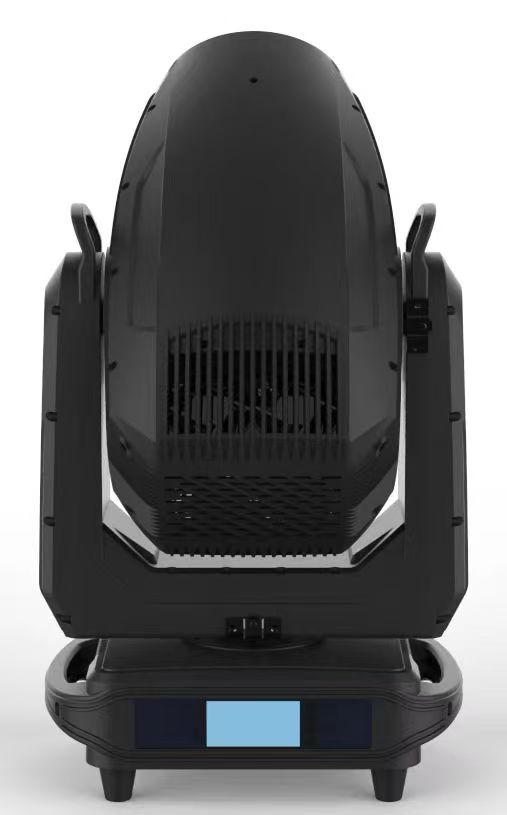
Thermal management remains a crucial diagnostic parameter to avoid heat-induced degradation of the LED module. High-power fixtures employ an advanced hybrid liquid-copper and aluminum heat sink infrastructure monitored by dynamic sensor arrays. Should internal temperatures exceed optimal working limits, thermal protection routines auto-adjust fan RPMs or throttle input power while broadcasting warning alerts via RDM or the fixture's 2.8-inch 180° reversible TFT LCD screen.
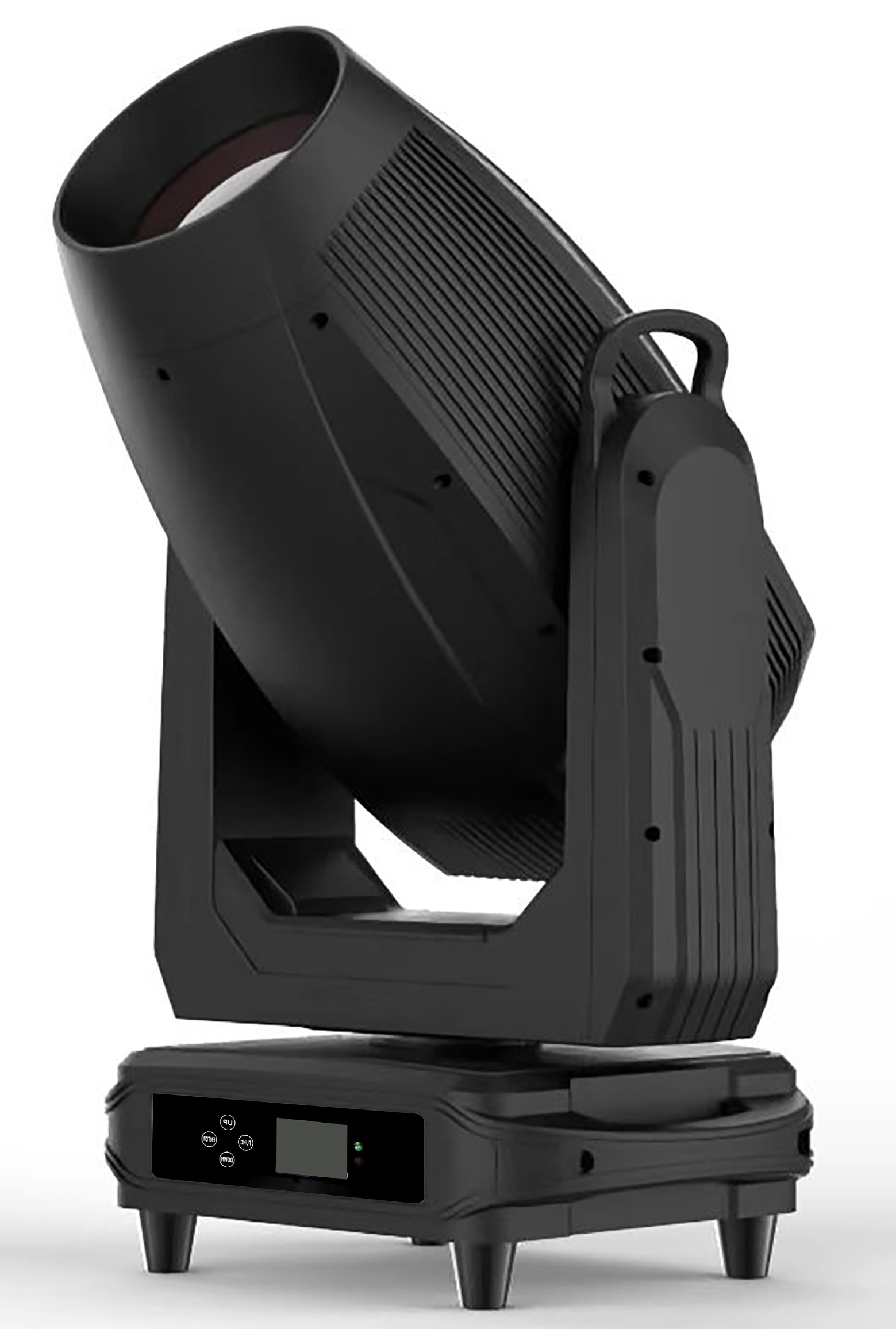
Achieving absolute beam shaping accuracy across an 8-blade, 90° bi-directional framing shutter system relies on precise 5-phase stepper motor positioning. If external shocks disrupt the 540° pan or 270° tilt orientation, built-in scan position memory triggers an automatic repositioning sequence. In parallel, signal issues can be diagnosed locally via DMX signal monitoring indicators and built-in DMX recording and editing tools, which analyze incoming data streams right at the node level.
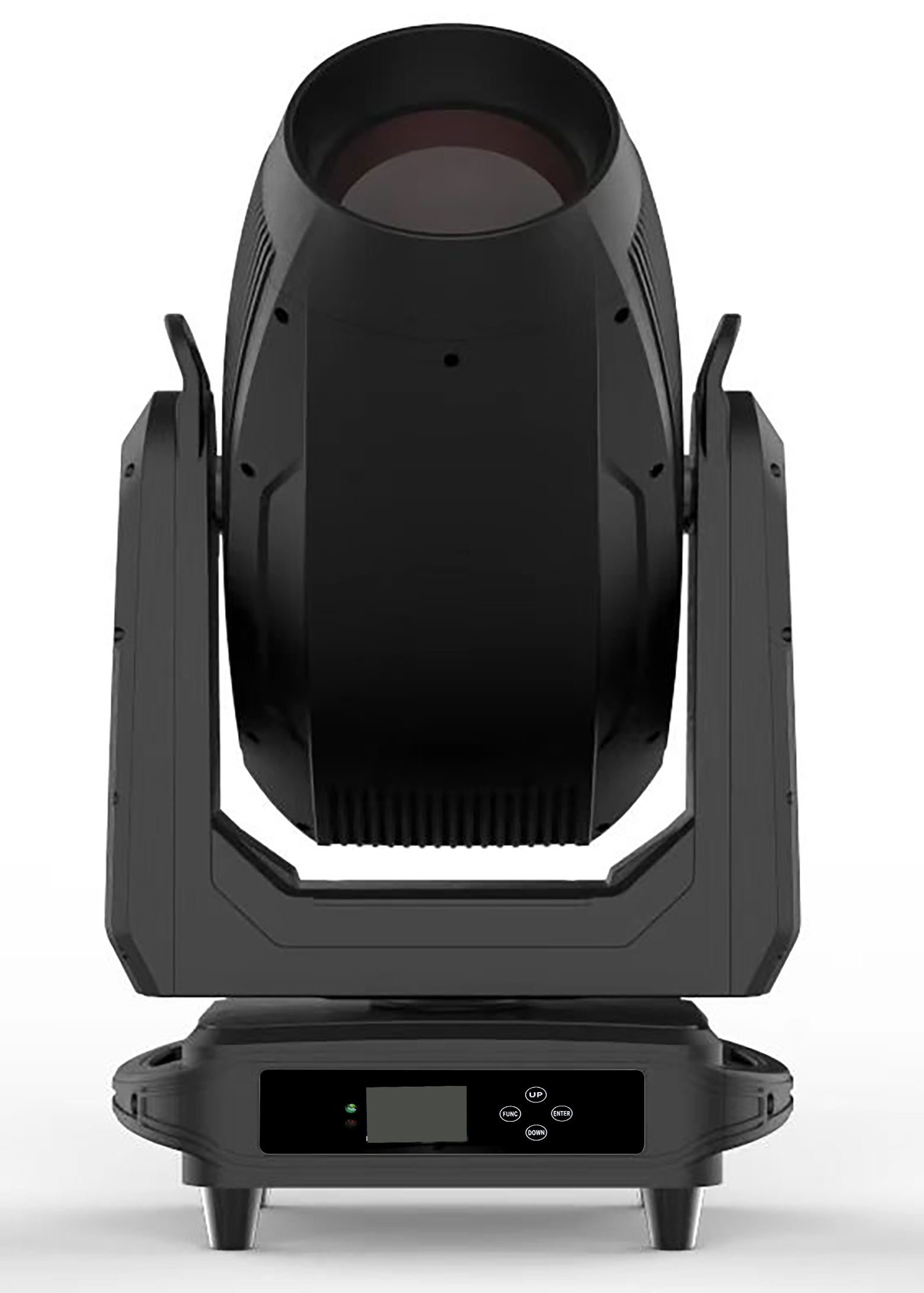
For high-density installations—such as the 3,500-unit deployment at Kunming Alice Official Nightclub—system maintenance and firmware updates are distributed over DMX cabling via daisy-chain utilities. This remote workflow eliminates physical fixture teardowns while strictly maintaining compliance with CE directives (2014/35/EU and 2014/30/EU) and ISO quality standards (GH004-2023Q0766).
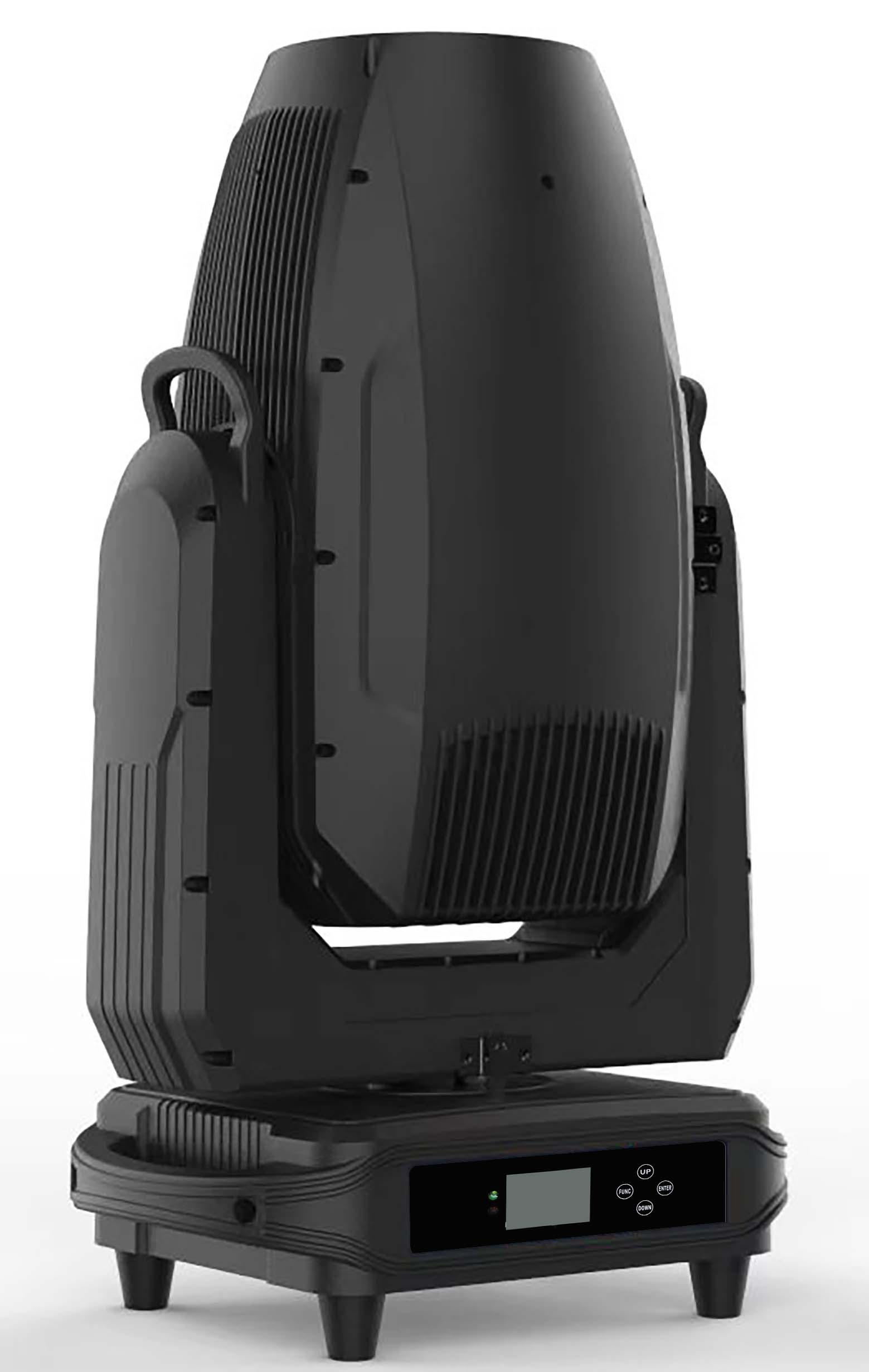
Comparison of Diagnostic Mechanisms
Choosing the right diagnostic path depends on accessibility, data depth, and the specific maintenance requirement of profile moving lights.
| Diagnostic Tool / Protocol | Telemetry Depth | Hardware Needed | Primary Application |
|---|---|---|---|
| RDM Protocol (Bi-Directional) | Comprehensive (Sensors, Temp, Patching, Error Logs) | RDM-supported console or controller | Remote monitoring, DMX patching, troubleshooting without physical contact |
| Onboard TFT LCD & Status Indicators | Moderate (Local readout, DMX state, Manual setup) | 2.8" LCD & navigational keys | Bench testing, initial IP configuration, physical fixture checks |
| DMX Daisy-Chain Firmware Utility | System / Firmware level | DMX update device & software | Mass software updates and bug fixes across linked fixtures |
| Position Encoders & Scan Memory | Real-time motor position telemetry | 5-phase motor encoder setup | Automatic auto-repositioning following mechanical displacement |
Frequently Asked Questions
How does RDM improve diagnostic workflows for framing moving heads?
RDM enables bi-directional signal transmission over standard DMX lines, allowing technicians to remotely read temperature levels, runtime hours, active DMX addresses, and diagnostic error codes without touching physical rigging.
Can moving head fixtures receive software updates without opening sealed IP66 housings?
Yes, software updates are uploaded using specialized utility tools attached to external IP-rated 3-Pin XLR input ports, pushing updates down daisy-chained fixture chains.
What safety mechanism prevents fixture overheating during fan malfunction?
Continuous thermal monitoring sensors report temperature metrics to the main board. If cooling is compromised, the automated thermal protection system dims the light output and sends an over-temperature alert across RDM.
Conclusion & Best Practices
Leveraging remote diagnostic channels like RDM sensor telemetry, position encoding, and DMX monitoring significantly decreases operational downtime while safeguarding LED profile moving heads. Robust IP66 weatherproof enclosures, efficient liquid-copper cooling, and CE-certified electronic designs ensure long-term dependability in rental and fixed show environments. Manufacturers offering custom OEM/ODM solutions with low minimum order quantities (MOQ 1), 25-30 day lead times, dynamic burn-in testing, and ongoing support deliver key strategic advantages. For engineering support or product inquiries, contact jack@color-imagination.com.
About Guangzhou Color Imagination
Guangzhou Color Imagination LED Lighting Limited has been a premier developer of entertainment and stage lighting solutions since 2010. Spanning a 6,000 SQM facility with a team of 130 professionals, the company combines R&D expertise across optics, hardware design, and software programming. Certified under ISO quality systems (GH004-2023Q0766) and CE compliance, Color Imagination offers top-tier standard and custom OEM/ODM lighting solutions worldwide. 
REPORT