







-
 Agriculture
-
 Health-Care
-
 Environment
-
 Construction-Real-Estate
-
 Tools-Hardware
-
 Home-Garden
-
 Furniture
-
 Luggage-Bags-Cases
-
 Medical-devices-Supplies
-
 Gifts-Crafts
-
 Sports-Entertainment
-
 Food-Beverage
-
 Vehicles-Transportation
-
 Power-Transmission
-
 Material-Handling
-
 Renewable-Energy
-
 Safety
-
 Testing-Instrument-Equipment
-
 Construction-Building-Machinery
-
 Pet-Supplies
-
 Personal-Care-Household-Cleaning
-
 Vehicle-Accessories-Electronics-Tools
-
 School-Office-Supplies
-
 Packaging-Printing
-
 Mother-Kids-Toys
-
 Business-Services
-
 Commercial-Equipment-Machinery
-
 Apparel-Accessories
-
 Security
-
 Shoes-Accessories
-
 Vehicle-Parts-Accessories
-
 Jewelry-Eyewear-Watches-Accessories
-
 Lights-Lighting
-
 Fabric-Textile-Raw-Material
-
 Fabrication-Services
-
 Industrial-Machinery
-
 Consumer-Electronics
-
 Electrical-Equipment-Supplies
-
 Electronic-Components-Accessories-Telecommunications
-
 Home-Appliances
-
 Beauty
-
 Chemicals
-
 Rubber-Plastics
-
 Metals-Alloys


























































































































































































































































































































































































































































































































































































- Masonry Materials
- Curtain Walls & Accessories
- Earthwork Products
- Fireproofing Materials
- Heat Insulation Materials
- Plastic Building Materials
- Building Boards
- Soundproofing Materials
- Timber
- Waterproofing Materials
- Balustrades & Handrails
- Bathroom & Kitchen
- Flooring & Accessories
- Tiles & Accessories
- Door, Window & Accessories
- Fireplaces & Stoves
- Floor Heating Systems & Parts
- Stairs & Stair Parts
- Ceilings
- Elevators & Escalators
- Stone
- Countertops, Vanity Tops & Table Tops
- Mosaics
- Metal Building Materials
- Multifunctional Materials
- Ladders & Scaffoldings
- Mouldings
- Corner Guards
- Decorative Films
- Formwork
- Building & Industrial Glass
- Other Construction & Real Estate
- Wallpapers/Wall panels
- HVAC System & Parts
- Outdoor Facilities
- Prefabricated Buildings
- Festive & Party Supplies
- Bathroom Products
- Household Sundries
- Rain Gear
- Garden Supplies
- Household Cleaning Tools & Accessories
- Lighters & Smoking Accessories
- Home Storage & Organization
- Household Scales
- Smart Home Improvement
- Home Textiles
- Kitchenware
- Drinkware & Accessories
- Dinnerware, Coffee & Wine
- Home Decor
- Golf
- Fitness & Body Building
- Amusement Park Facilities
- Billiards, Board Game,Coin Operated Games
- Musical Instruments
- Outdoor Affordable Luxury Sports
- Camping & Hiking
- Fishing
- Sports Safety&Rehabilitation
- Ball Sports Equipments
- Water Sports
- Winter Sports
- Luxury Travel Equipments
- Sports Shoes, Bags & Accessories
- Cycling
- Other Sports & Entertainment Products
- Artificial Grass&Sports Flooring&Sports Court Equipment
- Scooters
- Food Ingredients
- Honey & Honey Products
- Snacks
- Nuts & Kernels
- Seafood
- Plant & Animal Oil
- Beverages
- Fruit & Vegetable Products
- Frog & Escargot
- Bean Products
- Egg Products
- Dairy Products
- Seasonings & Condiments
- Canned Food
- Instant Food
- Baked Goods
- Other Food & Beverage
- Meat & Poultry
- Confectionery
- Grain Products
- Feminie Care
- Hair Care & Styling
- Body Care
- Hands & Feet Care
- Hygiene Products
- Men's Grooming
- Laundry Cleaning Supplies
- Travel Size & Gift Sets
- Room Deodorizers
- Other Personal Care Products
- Pest Control Products
- Special Household Cleaning
- Floor Cleaning
- Kitchen & Bathroom Cleaning
- Oral Care
- Bath Supplies
- Yellow Pages
- Correction Supplies
- Office Binding Supplies
- Office Cutting Supplies
- Board Erasers
- Office Adhesives & Tapes
- Education Supplies
- Pencil Cases & Bags
- Notebooks & Writing Pads
- File Folder Accessories
- Calendars
- Writing Accessories
- Commercial Office Supplies
- Pencil Sharpeners
- Pens
- Letter Pad/Paper
- Paper Envelopes
- Desk Organizers
- Pencils
- Markers & Highlighters
- Filing Products
- Art Supplies
- Easels
- Badge Holder & Accessories
- Office Paper
- Printer Supplies
- Book Covers
- Other Office & School Supplies
- Stationery Set
- Boards
- Clipboards
- Stamps
- Drafting Supplies
- Stencils
- Electronic Dictionary
- Books
- Map
- Magazines
- Calculators
- Baby & Toddler Toys
- Educational Toys
- Classic Toys
- Dress Up & Pretend Play
- Toy Vehicle
- Stuffed Animals & Plush Toys
- Outdoor Toys & Structures
- Balloons & Accessories
- Baby Food
- Children's Clothing
- Baby Supplies & Products
- Maternity Clothes
- Kids Shoes
- Baby Care
- Novelty & Gag Toys
- Dolls & Accessories
- Puzzle & Games
- Blocks & Model Building Toys
- Toddler Clothing
- Baby Clothing
- Kids' Luggage & Bags
- Arts, Crafts & DIY Toys
- Action & Toy Figures
- Baby Appliances
- Hobbies & Models
- Remote Control Toys
- Promotional Toys
- Pregnancy & Maternity
- Hygiene Products
- Kid's Textile&Bedding
- Novelty & Special Use
- Toy Weapons
- Baby Gifts
- Baby Storage & Organization
- Auto Drive Systems
- ATV/UTV Parts & Accessories
- Marine Parts & Accessories
- Other Auto Parts
- Trailer Parts & Accessories
- Auto Transmission Systems
- Train Parts & Accessories
- Universal Parts
- Railway Parts & Accessories
- Auto Brake Systems
- Aviation Parts & Accessories
- Truck Parts & Accessories
- Auto Suspension Systems
- Auto Lighting Systems
- New Energy Vehicle Parts & Accessories
- Auto Steering Systems
- Wheels, Tires & Accessories
- Bus Parts & Accessories
- Auto Performance Parts
- Cooling System
- Go-Kart & Kart Racer Parts & Accessories
- Air Conditioning Systems
- Heavy Duty Vehicle Parts & Accessories
- Auto Electrical Systems
- Auto Body Systems
- Auto Engine Systems
- Container Parts & Accessories
- Motorcycle Parts & Accessories
- Refrigeration & Heat Exchange Equipment
- Machine Tool Equipment
- Food & Beverage Machinery
- Agricultural Machinery & Equipment
- Apparel & Textile Machinery
- Chemical Machinery
- Packaging Machines
- Paper Production Machinery
- Plastic & Rubber Processing Machinery
- Industrial Robots
- Electronic Products Machinery
- Metal & Metallurgy Machinery
- Woodworking Machinery
- Home Product Manufacturing Machinery
- Machinery Accessories
- Environmental Machinery
- Machinery Service
- Electrical Equipment Manufacturing Machinery
- Industrial Compressors & Parts
- Tobacco & Cigarette Machinery
- Production Line
- Used Industrial Machinery
- Electronics Production Machinery
- Other Machinery & Industrial Equipment
- Camera, Photo & Accessories
- Portable Audio, Video & Accessories
- Television, Home Audio, Video & Accessories
- Video Games & Accessories
- Mobile Phone & Accessories
- Electronic Publications
- Earphone & Headphone & Accessories
- Speakers & Accessories
- Smart Electronics
- TV Receivers & Accessories
- Mobile Phone & Computer Repair Parts
- Chargers, Batteries & Power Supplies
- Used Electronics
- VR, AR, MR Hardware & Software
- Projectors & Presentation Equipments
- Other Consumer Electronics
- Cables & Commonly Used Accessories
- Computer Hardware & Software
- Displays, Signage and Optoelectronics
- Discrete Semiconductors
- Wireless & IoT Module and Products
- Telecommunications
- Connectors, Terminals & Accessories
- Development Boards, Electronic Modules and Kits
- Circuit Protection
- Sensors
- Isolators
- Audio Components and Products
- Integrated Circuits
- Power Supplies
- Relays
- RF, Microwave and RFID
- Electronic Accessories & Supplies
- Passive Components
- PCB & PCBA
- Air Quality Appliances
- Home Appliance Parts
- Heating & Cooling Appliances
- Small Kitchen Appliances
- Laundry Appliances
- Water Heaters
- Water Treatment Appliances
- Refrigerators & Freezers
- Personal Care & Beauty Appliances
- Major Kitchen Appliances
- Cleaning Appliances
- Second-hand Appliances
- Smart Home Appliances
- Other Home Appliances
- Energy Chemicals
- Inorganic Chemicals
- Basic Organic Chemicals
- Agrochemicals
- Admixture & Additives
- Catalysts & Chemical Auxiliary Agents
- Pigments & Dyestuff
- Coating & Paint
- Daily Chemicals
- Polymer
- Organic Intermediate
- Adhesives & Sealants
- Chemical Waste
- Biological Chemical Products
- Surface Treatment Chemicals
- Painting & Coating
- Chemical Reagents
- Flavor & Fragrance
- Non-Explosive Demolition Agents
- Other Chemicals
- Custom Chemical Services

Navigating Customs Clearance Regulations for Mineral Wash Apparel
Importing mineral wash garments requires navigating specific border compliance regulations, standard tariff classifications, chemical safety mandates, and thorough trade documentation. To avoid cross-border logistics delays, apparel brands and importers must fulfill technical safety tests, accurately identify Harmonized System (HS) codes, and prepare appropriate paperwork tailored to their chosen trade terms.
Key Highlights for Smooth Customs Entry
- Appropriate HS Code Assignment: Classifying distressed and washed clothing like hoodies or t-shirts according to base fabric material (e.g., standard knit code HS 6110 for cotton sweatshirts) rather than aesthetic treatments.
- Chemical Safety & Industry Audits: Guaranteeing processing chemicals adhere to local target regulations (such as CPSC or REACH) alongside quality assurance benchmarks like AQL 2.5 based on ISO 2859-1.
- Accurate Shipping Documentation: Aligning all commercial invoices, certificates of origin, and packing lists based on shipping agreements (DDP Door-to-Door or FOB Shenzhen).
- Mandatory Product Tagging: Securing permanent tags detailing fiber content, care directions, and origin details to satisfy border inspection requirements.
Technical & Regulatory Compliance Breakdown
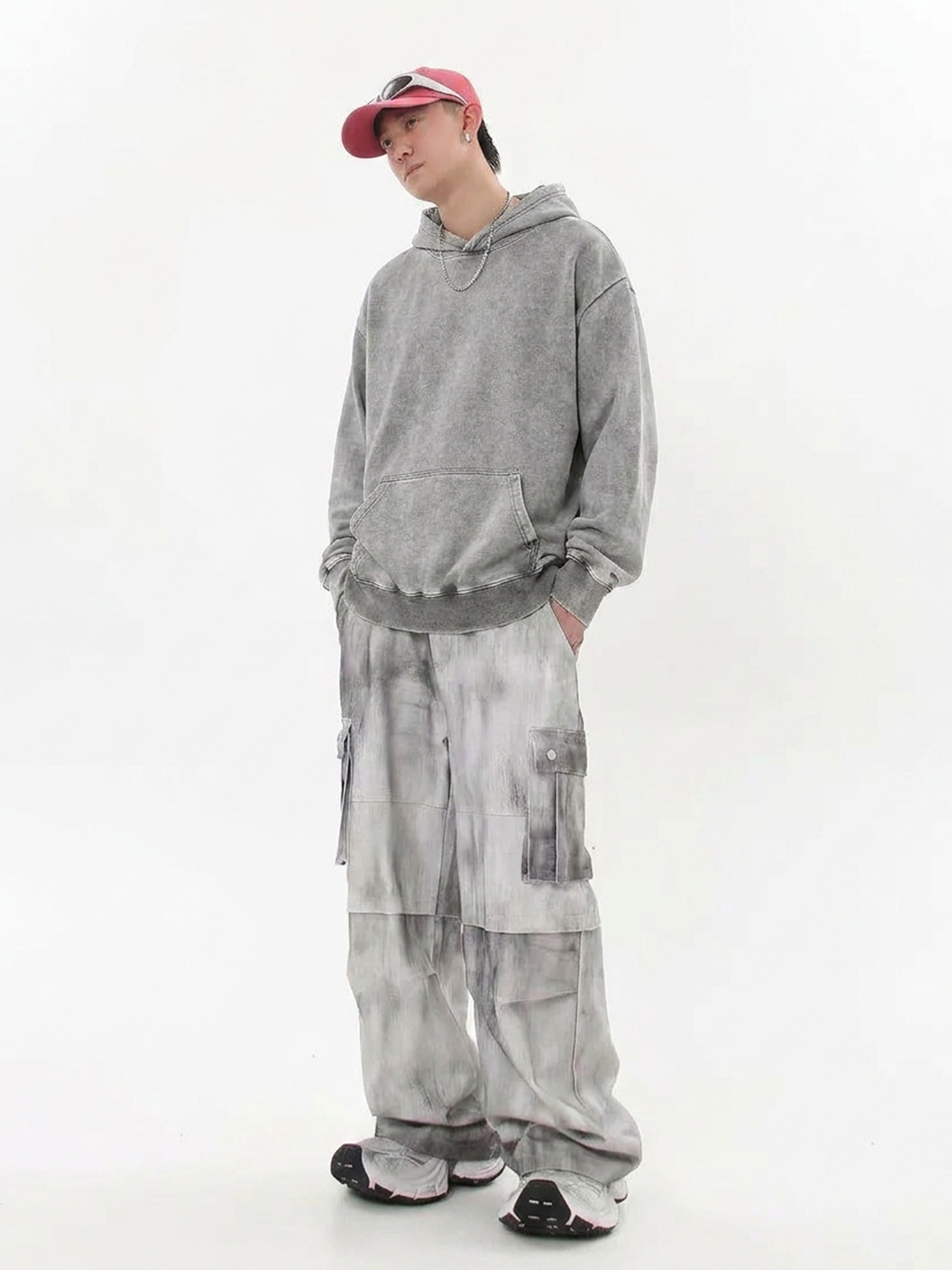
Customs authorities analyze incoming apparel based on raw material components and knitted/woven structural traits. Although specialized vintage processing—such as acid washing, distressing, or mineral washes—significantly alters visual texture and tactile hand feel, surface finishing alone does not alter the core tariff classification.
Chemical compliance forms another critical phase of international apparel transit. Achieving a faded, vintage look involves chemical washing agents, which means destination markets like North America, Europe, and Australia enforce strict residual guidelines (including EU REACH regulations and US CPSC standards). Overseas importers must verify post-process pH balance, colorfastness, and neutralization prior to shipping.
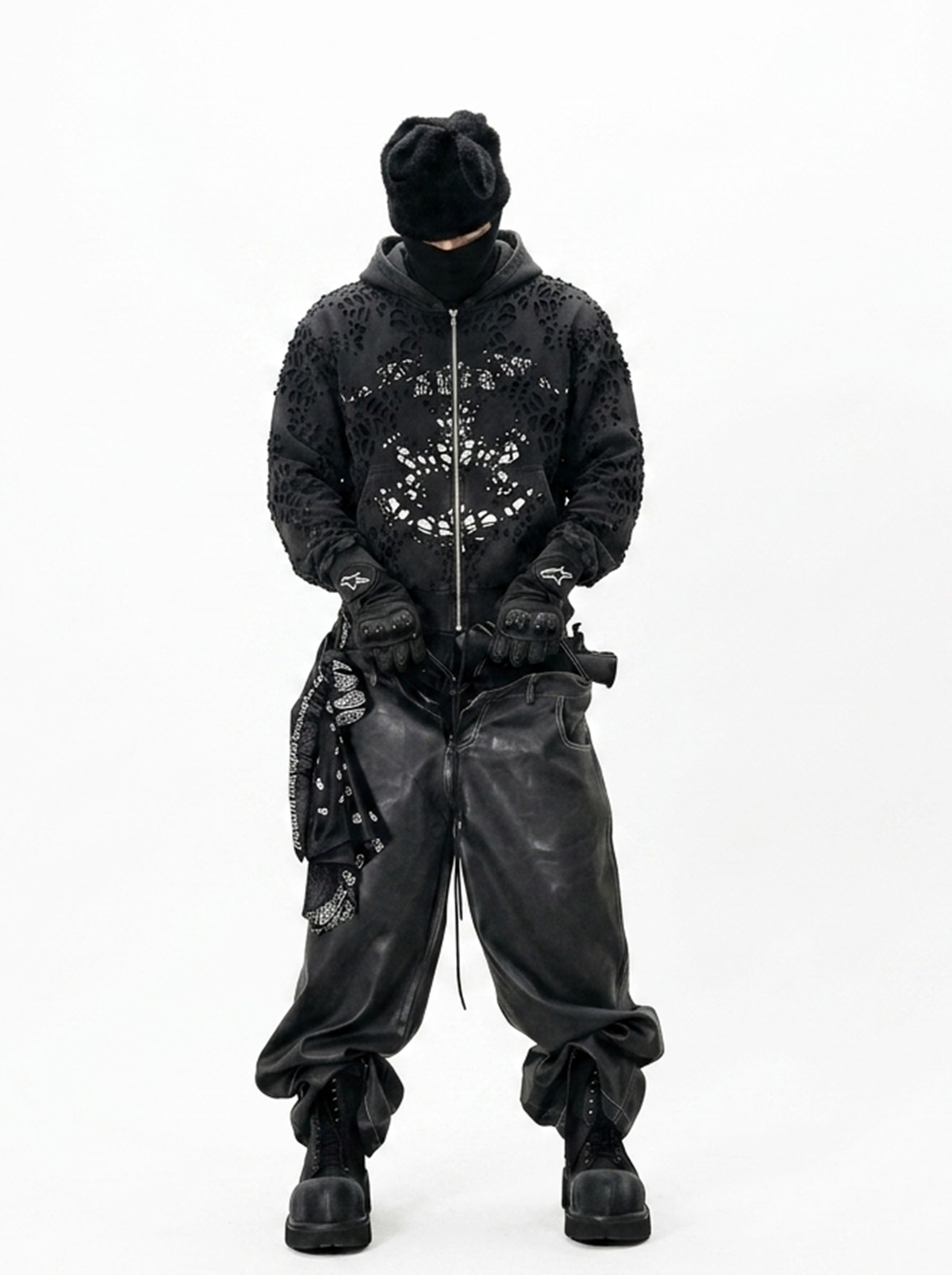
Customs declaration workflows vary based on selected Incoterms. When executing under FOB Shenzhen, the manufacturer completes origin export requirements in China, transferring risk once items are loaded aboard the vessel. Conversely, under DDP Door-to-Door terms, the factory oversees export paperwork, freight handling, import entries, and tariff settlements. Fast-turnaround brands, such as UK-based Vanguard Shop Co. managing 24 annual product drops at 1,000 pieces per SKU, depend on seamless customs clearance documentation to prevent supply chain bottlenecks.
Comparison of Shipping Methods & Logistics Responsibilities
| Shipping & Trade Term | Customs Documentation Responsibilities | Destination Clearance Handling | Applicable Business Scenario |
|---|---|---|---|
| DDP Door-to-Door | Factory covers export/import documentation, taxes, and duties | Managed end-to-end by logistics partner to destination address | Direct-to-consumer retailers and independent streetwear brands needing simple logistics |
| FOB Shenzhen | Factory handles Chinese export clearance; buyer manages import clearance | Executed by buyer's chosen freight forwarder | Established fashion brands with dedicated sea or air freight contracts |
| Express Courier (DHL/FedEx/UPS) | Courier submits electronic air waybill and commercial documentation | Automated clearance handled directly by express provider | Sample development phases (3–15 days) and urgent small restocks |
| Sea Freight (FCL/LCL) | Requires standard bill of lading, commercial invoice, packing list, and origin certs | Formal customs declaration via a licensed broker at port of destination | High-volume bulk drops (20–35 days lead time) for seasonal collections |
Frequently Asked Questions (FAQ)
What paperwork is mandatory for clearing mineral wash hoodies through customs?
Standard import entry mandates a Commercial Invoice, Packing List, Bill of Lading (or Air Waybill), and Certificate of Origin. Target border authorities may also require chemical safety declarations and textile testing documentation.
Does a mineral wash finish change the garment's HS Code?
No. Tariff code identification relies strictly on physical garment category (such as cargo pants or pullover sweatshirts) and fiber blend (such as 100% cotton or cotton-poly blends). Surface wash treatments do not change the base classification.
How do shipment sizes affect customs clearance procedures?
Small sample runs (under 50 custom garments or 20 blank units) usually pass through automated express courier clearance. Larger bulk consignments arriving via ocean freight (FCL/LCL) require formal entry filings through customs brokers.
Summary & Professional Recommendations
Ensuring problem-free clearance for mineral wash apparel requires accurate tariff declarations, complete compliance with regional chemical regulations, and strict adherence to mandatory textile labeling. Partnering with suitable shipping structures—such as DDP for stress-free delivery or FOB for centralized freight management—helps maintain efficient global fulfillment. For custom manufacturing support or technical inquiries, contact our team directly at yutianfang88@gmail.com.
About Us
Dongguan City Dule Garment Co.,Ltd (DOLUXE) is a premier OEM/ODM streetwear manufacturer founded in 2007. Featuring dual production facilities spanning 15,000 square meters and a team of 130+ skilled personnel, DOLUXE maintains an annual output capacity of 1.2 million units. Partnering with over 200 apparel brands across North America, Europe, Australia, and Asia, the company specializes in heavyweight hoodies, vintage mineral wash garments, custom denim, and specialized streetwear production.

REPORT