







-
 Agriculture
-
 Health-Care
-
 Environment
-
 Construction-Real-Estate
-
 Tools-Hardware
-
 Home-Garden
-
 Furniture
-
 Luggage-Bags-Cases
-
 Medical-devices-Supplies
-
 Gifts-Crafts
-
 Sports-Entertainment
-
 Food-Beverage
-
 Vehicles-Transportation
-
 Power-Transmission
-
 Material-Handling
-
 Renewable-Energy
-
 Safety
-
 Testing-Instrument-Equipment
-
 Construction-Building-Machinery
-
 Pet-Supplies
-
 Personal-Care-Household-Cleaning
-
 Vehicle-Accessories-Electronics-Tools
-
 School-Office-Supplies
-
 Packaging-Printing
-
 Mother-Kids-Toys
-
 Business-Services
-
 Commercial-Equipment-Machinery
-
 Apparel-Accessories
-
 Security
-
 Shoes-Accessories
-
 Vehicle-Parts-Accessories
-
 Jewelry-Eyewear-Watches-Accessories
-
 Lights-Lighting
-
 Fabric-Textile-Raw-Material
-
 Fabrication-Services
-
 Industrial-Machinery
-
 Consumer-Electronics
-
 Electrical-Equipment-Supplies
-
 Electronic-Components-Accessories-Telecommunications
-
 Home-Appliances
-
 Beauty
-
 Chemicals
-
 Rubber-Plastics
-
 Metals-Alloys


























































































































































































































































































































































































































































































































































































- Masonry Materials
- Curtain Walls & Accessories
- Earthwork Products
- Fireproofing Materials
- Heat Insulation Materials
- Plastic Building Materials
- Building Boards
- Soundproofing Materials
- Timber
- Waterproofing Materials
- Balustrades & Handrails
- Bathroom & Kitchen
- Flooring & Accessories
- Tiles & Accessories
- Door, Window & Accessories
- Fireplaces & Stoves
- Floor Heating Systems & Parts
- Stairs & Stair Parts
- Ceilings
- Elevators & Escalators
- Stone
- Countertops, Vanity Tops & Table Tops
- Mosaics
- Metal Building Materials
- Multifunctional Materials
- Ladders & Scaffoldings
- Mouldings
- Corner Guards
- Decorative Films
- Formwork
- Building & Industrial Glass
- Other Construction & Real Estate
- Wallpapers/Wall panels
- HVAC System & Parts
- Outdoor Facilities
- Prefabricated Buildings
- Festive & Party Supplies
- Bathroom Products
- Household Sundries
- Rain Gear
- Garden Supplies
- Household Cleaning Tools & Accessories
- Lighters & Smoking Accessories
- Home Storage & Organization
- Household Scales
- Smart Home Improvement
- Home Textiles
- Kitchenware
- Drinkware & Accessories
- Dinnerware, Coffee & Wine
- Home Decor
- Golf
- Fitness & Body Building
- Amusement Park Facilities
- Billiards, Board Game,Coin Operated Games
- Musical Instruments
- Outdoor Affordable Luxury Sports
- Camping & Hiking
- Fishing
- Sports Safety&Rehabilitation
- Ball Sports Equipments
- Water Sports
- Winter Sports
- Luxury Travel Equipments
- Sports Shoes, Bags & Accessories
- Cycling
- Other Sports & Entertainment Products
- Artificial Grass&Sports Flooring&Sports Court Equipment
- Scooters
- Food Ingredients
- Honey & Honey Products
- Snacks
- Nuts & Kernels
- Seafood
- Plant & Animal Oil
- Beverages
- Fruit & Vegetable Products
- Frog & Escargot
- Bean Products
- Egg Products
- Dairy Products
- Seasonings & Condiments
- Canned Food
- Instant Food
- Baked Goods
- Other Food & Beverage
- Meat & Poultry
- Confectionery
- Grain Products
- Feminie Care
- Hair Care & Styling
- Body Care
- Hands & Feet Care
- Hygiene Products
- Men's Grooming
- Laundry Cleaning Supplies
- Travel Size & Gift Sets
- Room Deodorizers
- Other Personal Care Products
- Pest Control Products
- Special Household Cleaning
- Floor Cleaning
- Kitchen & Bathroom Cleaning
- Oral Care
- Bath Supplies
- Yellow Pages
- Correction Supplies
- Office Binding Supplies
- Office Cutting Supplies
- Board Erasers
- Office Adhesives & Tapes
- Education Supplies
- Pencil Cases & Bags
- Notebooks & Writing Pads
- File Folder Accessories
- Calendars
- Writing Accessories
- Commercial Office Supplies
- Pencil Sharpeners
- Pens
- Letter Pad/Paper
- Paper Envelopes
- Desk Organizers
- Pencils
- Markers & Highlighters
- Filing Products
- Art Supplies
- Easels
- Badge Holder & Accessories
- Office Paper
- Printer Supplies
- Book Covers
- Other Office & School Supplies
- Stationery Set
- Boards
- Clipboards
- Stamps
- Drafting Supplies
- Stencils
- Electronic Dictionary
- Books
- Map
- Magazines
- Calculators
- Baby & Toddler Toys
- Educational Toys
- Classic Toys
- Dress Up & Pretend Play
- Toy Vehicle
- Stuffed Animals & Plush Toys
- Outdoor Toys & Structures
- Balloons & Accessories
- Baby Food
- Children's Clothing
- Baby Supplies & Products
- Maternity Clothes
- Kids Shoes
- Baby Care
- Novelty & Gag Toys
- Dolls & Accessories
- Puzzle & Games
- Blocks & Model Building Toys
- Toddler Clothing
- Baby Clothing
- Kids' Luggage & Bags
- Arts, Crafts & DIY Toys
- Action & Toy Figures
- Baby Appliances
- Hobbies & Models
- Remote Control Toys
- Promotional Toys
- Pregnancy & Maternity
- Hygiene Products
- Kid's Textile&Bedding
- Novelty & Special Use
- Toy Weapons
- Baby Gifts
- Baby Storage & Organization
- Auto Drive Systems
- ATV/UTV Parts & Accessories
- Marine Parts & Accessories
- Other Auto Parts
- Trailer Parts & Accessories
- Auto Transmission Systems
- Train Parts & Accessories
- Universal Parts
- Railway Parts & Accessories
- Auto Brake Systems
- Aviation Parts & Accessories
- Truck Parts & Accessories
- Auto Suspension Systems
- Auto Lighting Systems
- New Energy Vehicle Parts & Accessories
- Auto Steering Systems
- Wheels, Tires & Accessories
- Bus Parts & Accessories
- Auto Performance Parts
- Cooling System
- Go-Kart & Kart Racer Parts & Accessories
- Air Conditioning Systems
- Heavy Duty Vehicle Parts & Accessories
- Auto Electrical Systems
- Auto Body Systems
- Auto Engine Systems
- Container Parts & Accessories
- Motorcycle Parts & Accessories
- Refrigeration & Heat Exchange Equipment
- Machine Tool Equipment
- Food & Beverage Machinery
- Agricultural Machinery & Equipment
- Apparel & Textile Machinery
- Chemical Machinery
- Packaging Machines
- Paper Production Machinery
- Plastic & Rubber Processing Machinery
- Industrial Robots
- Electronic Products Machinery
- Metal & Metallurgy Machinery
- Woodworking Machinery
- Home Product Manufacturing Machinery
- Machinery Accessories
- Environmental Machinery
- Machinery Service
- Electrical Equipment Manufacturing Machinery
- Industrial Compressors & Parts
- Tobacco & Cigarette Machinery
- Production Line
- Used Industrial Machinery
- Electronics Production Machinery
- Other Machinery & Industrial Equipment
- Camera, Photo & Accessories
- Portable Audio, Video & Accessories
- Television, Home Audio, Video & Accessories
- Video Games & Accessories
- Mobile Phone & Accessories
- Electronic Publications
- Earphone & Headphone & Accessories
- Speakers & Accessories
- Smart Electronics
- TV Receivers & Accessories
- Mobile Phone & Computer Repair Parts
- Chargers, Batteries & Power Supplies
- Used Electronics
- VR, AR, MR Hardware & Software
- Projectors & Presentation Equipments
- Other Consumer Electronics
- Cables & Commonly Used Accessories
- Computer Hardware & Software
- Displays, Signage and Optoelectronics
- Discrete Semiconductors
- Wireless & IoT Module and Products
- Telecommunications
- Connectors, Terminals & Accessories
- Development Boards, Electronic Modules and Kits
- Circuit Protection
- Sensors
- Isolators
- Audio Components and Products
- Integrated Circuits
- Power Supplies
- Relays
- RF, Microwave and RFID
- Electronic Accessories & Supplies
- Passive Components
- PCB & PCBA
- Air Quality Appliances
- Home Appliance Parts
- Heating & Cooling Appliances
- Small Kitchen Appliances
- Laundry Appliances
- Water Heaters
- Water Treatment Appliances
- Refrigerators & Freezers
- Personal Care & Beauty Appliances
- Major Kitchen Appliances
- Cleaning Appliances
- Second-hand Appliances
- Smart Home Appliances
- Other Home Appliances
- Energy Chemicals
- Inorganic Chemicals
- Basic Organic Chemicals
- Agrochemicals
- Admixture & Additives
- Catalysts & Chemical Auxiliary Agents
- Pigments & Dyestuff
- Coating & Paint
- Daily Chemicals
- Polymer
- Organic Intermediate
- Adhesives & Sealants
- Chemical Waste
- Biological Chemical Products
- Surface Treatment Chemicals
- Painting & Coating
- Chemical Reagents
- Flavor & Fragrance
- Non-Explosive Demolition Agents
- Other Chemicals
- Custom Chemical Services

Optimizing Technical Drawings for Artificial Leather Fit on Complex Furniture Shapes
Mastering CAD & Pattern File Handoffs for Complex Upholstery
Achieving a flawless, wrinkle-free fit when applying artificial leather to complex furniture geometries requires effective technical communication between furniture designers and material suppliers. Providing comprehensive 3D surface files (such as STEP or IGES) alongside 2D vector cutting templates (DXF/DWG) ensures that pattern makers can accurately account for seam allowances, bend radii, and stretch orientation. Coupling these digital files with exact material parameters—such as thickness ranging from 0.9 to 1.4 mm, substrate backing types, and directional elongation rates—prevents common upholstery flaws like seam splitting, bunching, or uneven strain around tight curves.
Essential Handoff Specifications for Seamless Upholstering
- Dual-Format Technical Files: Pair 3D CAD surface models (STEP/IGES) for geometry reference with flattened 2D vector cut files (DXF/DWG) detailing notches, seam allowances, and grain direction vectors.
- Substrate Elasticity & Directional Stretch: Specify the anisotropic properties (warp and weft stretch) along with backing constructions (microfiber, woven, or knitted) to manage wrap tension around curved shapes.
- Thickness Allowance & Minimum Radius Limits: Define precise thickness measurements (0.9–1.4 mm) and minimum bend radii to prevent material bunching or over-stretching over tight contours.
- Performance & Functional Specifications: Clearly note target physical requirements including abrasion resistance, flame retardancy, scratch resistance, and UV stability tailored for automotive interiors and specialized furniture.
Engineering Synthetic Leather to Match Intricate 3D Surfaces
Translating complex 3D furniture shapes—like molded headboards, curved sofa backs, and ergonomic armrests—into production-ready pattern pieces relies on accurate material characterization. As a specialist in high-performance synthetic materials, Dongguan Cigno Leather Co., Ltd. formulates PU leather, PVC leather, water-based leather, solvent-free leather, and microfiber leather engineered to wrap tightly around demanding contoured frames.
Synthetic leather demonstrates anisotropic mechanical behavior, meaning it stretches unevenly along warp and weft axes. Consequently, CAD data must explicitly define surface orientation to mitigate long-term seam tension and surface puckering. For instance, in a large-scale project supplying 50,000 meters of custom synthetic leather for automotive seating and door panels in Mexico, precise alignment of grain, thickness, backing material, color, and performance properties ensured flawless contour wrapping and consistent aesthetic finish across production runs.
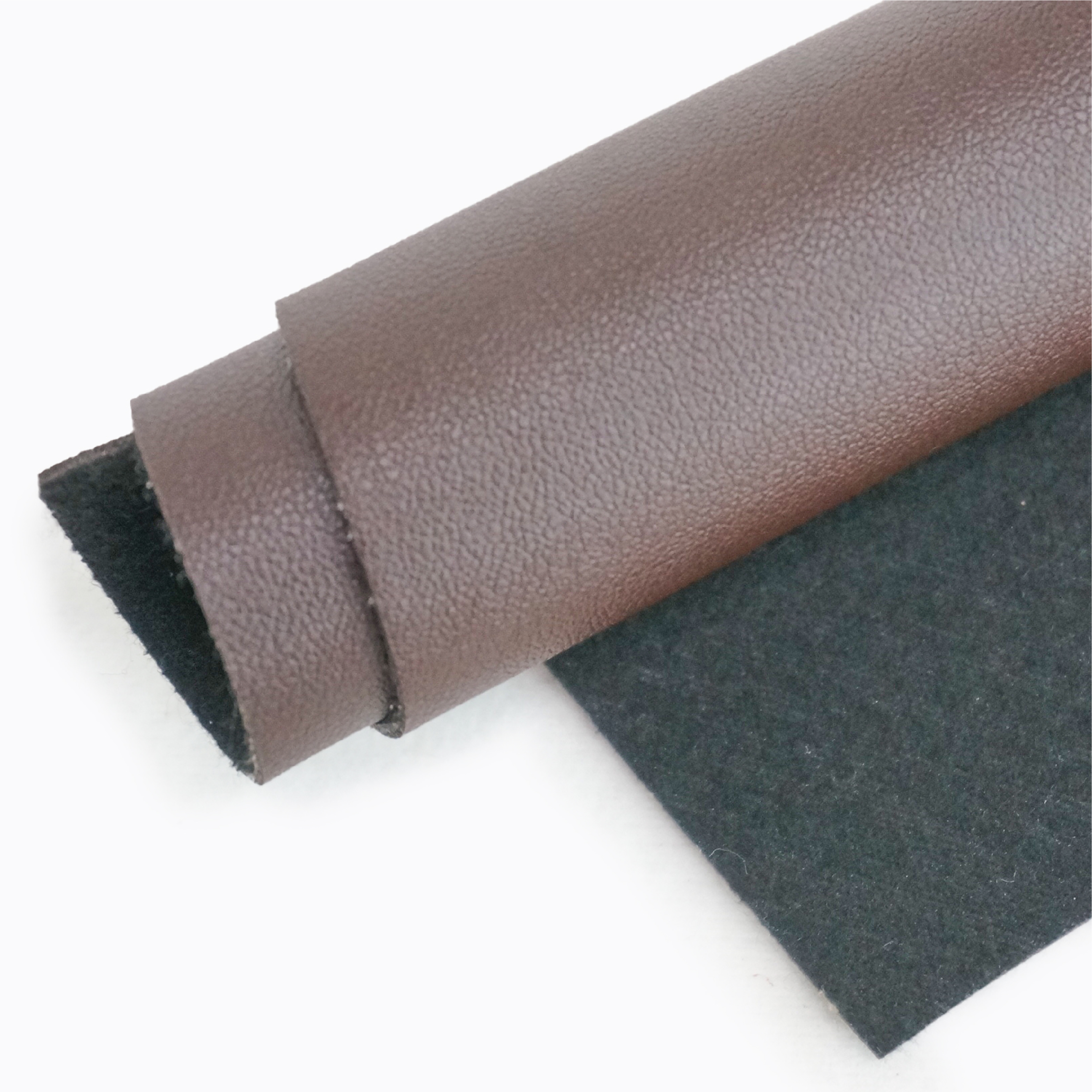
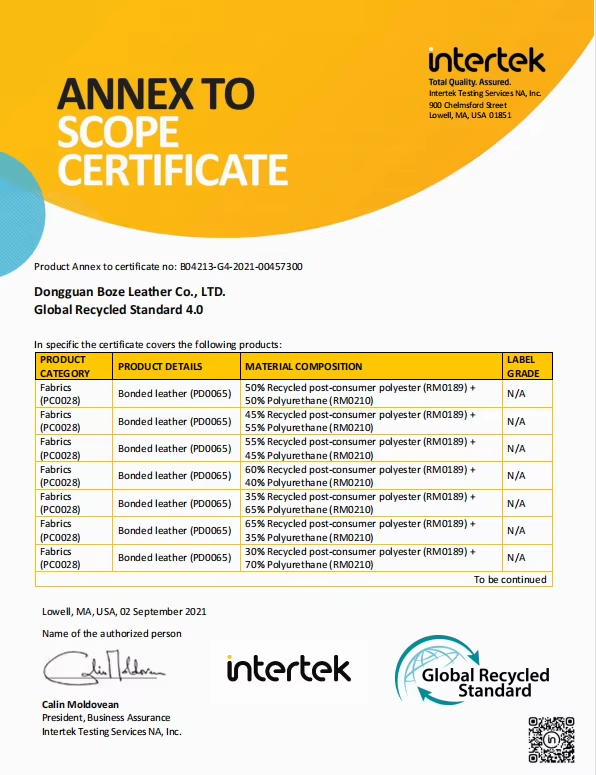
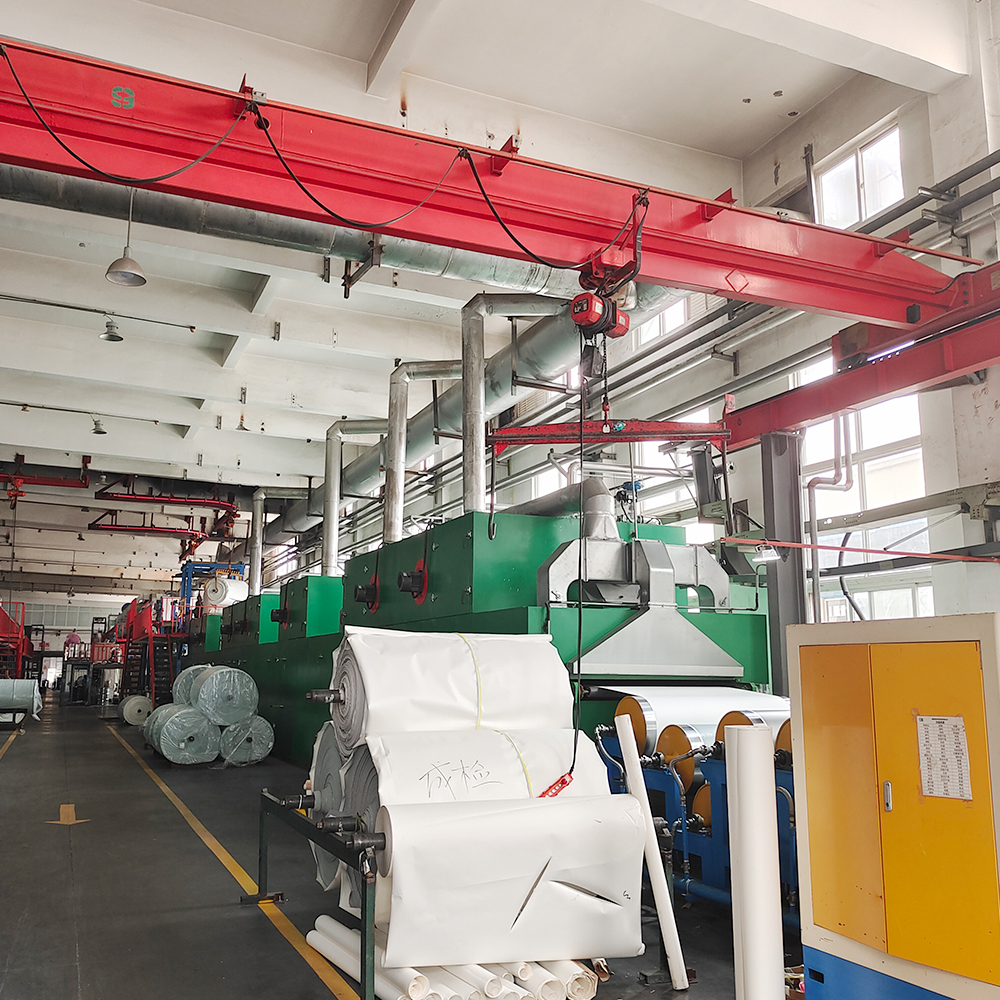
Operating under ISO 9001 certified quality management systems, rigorous inspection protocols govern raw material selection, lab testing, color matching, and finished roll evaluation. Using materials certified under international standards such as GRS (Certificate B04213-G4), USDA (Certificate 521076632086130490), and Oeko-Tex 100 (Certificate SH015 120749) guarantees optimal tensile strength, peel resistance, and structural stability when stretched across complex structural foam components.
Methodology & Specification Matrix
Selecting the right drawing format and material specification approach drastically impacts fit precision and manufacturing throughput:
| Drawing & Material Approach | 2D Flat Patterns Only (DXF) | Integrated 3D CAD + 2D Cut Files | Engineered Microfiber / Solvent-Free PU |
|---|---|---|---|
| Contour Accuracy | Moderate (Requires manual fitting adjustments) | High (Direct mapping to 3D foam geometry) | Superior (High elasticity & shape retention) |
| Thickness Standard | Standard (0.8–1.0 mm) | Engineered (0.9–1.4 mm specified) | Customizable (0.9–1.4 mm with fine nappa texture) |
| Stretch Control | Unspecified warp/weft limits | Annotated stretch orientation & grain vectors | Controlled directional elongation for complex curves |
| Performance Features | Basic surface finish | Includes seam & radius tolerances | UV resistance, flame retardant, scratch resistant |
Frequently Asked Questions
Which technical drawing formats are best suited for synthetic leather suppliers?
Providing 3D surface geometry in STEP or IGES formats alongside 2D DXF or DWG vector files yields optimal results. Accompanying PDF drawings with dimensional callouts, grain alignment notes, and seam allowances are highly recommended for technical clarity.
How does synthetic leather thickness impact fit on tight radiuses?
Material thickness generally ranges from 0.9 mm to 1.4 mm. Thicker synthetic leathers demand larger bend radii to prevent surface bunching, whereas thinner or microfiber-backed options provide greater stretch and agility for complex tufting and narrow corners.
Can specific colors, finishes, and functional properties be customized from technical drawings?
Yes. Custom colors, surface grains (such as nappa), perforation designs, and functional upgrades—like fire retardancy, UV resistance, stain protection, and anti-bacterial treatments—can be customized to align with project specs and sample validations.
Conclusion & Practical Recommendations
To ensure artificial leather perfectly conforms to complex furniture contours, manufacturers should combine 3D CAD modeling with detailed 2D pattern files and precise physical material callouts. Partnering with suppliers operating under ISO 9001 quality frameworks and certified standards like GRS, USDA, and Oeko-Tex 100 ensures high durability, reduced material scrap, and an exact fit. For customized technical assistance or product inquiries, contact our team at vicky@bozeleather.com.
About Dongguan Cigno Leather Co., Ltd.
Dongguan Cigno Leather Co., Ltd. is a leading manufacturer of sustainable and high-performance synthetic leather. Founded in 2007, the company operates a 100,000 sq.m manufacturing facility with a team of 50 skilled professionals and a monthly output reaching 6,000,000 meters. Fully compliant with international certifications including GRS, USDA, and Oeko-Tex 100, Cigno Leather supplies global partners across diverse industries.

REPORT