







-
 Agriculture
-
 Health-Care
-
 Environment
-
 Construction-Real-Estate
-
 Tools-Hardware
-
 Home-Garden
-
 Furniture
-
 Luggage-Bags-Cases
-
 Medical-devices-Supplies
-
 Gifts-Crafts
-
 Sports-Entertainment
-
 Food-Beverage
-
 Vehicles-Transportation
-
 Power-Transmission
-
 Material-Handling
-
 Renewable-Energy
-
 Safety
-
 Testing-Instrument-Equipment
-
 Construction-Building-Machinery
-
 Pet-Supplies
-
 Personal-Care-Household-Cleaning
-
 Vehicle-Accessories-Electronics-Tools
-
 School-Office-Supplies
-
 Packaging-Printing
-
 Mother-Kids-Toys
-
 Business-Services
-
 Commercial-Equipment-Machinery
-
 Apparel-Accessories
-
 Security
-
 Shoes-Accessories
-
 Vehicle-Parts-Accessories
-
 Jewelry-Eyewear-Watches-Accessories
-
 Lights-Lighting
-
 Fabric-Textile-Raw-Material
-
 Fabrication-Services
-
 Industrial-Machinery
-
 Consumer-Electronics
-
 Electrical-Equipment-Supplies
-
 Electronic-Components-Accessories-Telecommunications
-
 Home-Appliances
-
 Beauty
-
 Chemicals
-
 Rubber-Plastics
-
 Metals-Alloys


























































































































































































































































































































































































































































































































































































- Masonry Materials
- Curtain Walls & Accessories
- Earthwork Products
- Fireproofing Materials
- Heat Insulation Materials
- Plastic Building Materials
- Building Boards
- Soundproofing Materials
- Timber
- Waterproofing Materials
- Balustrades & Handrails
- Bathroom & Kitchen
- Flooring & Accessories
- Tiles & Accessories
- Door, Window & Accessories
- Fireplaces & Stoves
- Floor Heating Systems & Parts
- Stairs & Stair Parts
- Ceilings
- Elevators & Escalators
- Stone
- Countertops, Vanity Tops & Table Tops
- Mosaics
- Metal Building Materials
- Multifunctional Materials
- Ladders & Scaffoldings
- Mouldings
- Corner Guards
- Decorative Films
- Formwork
- Building & Industrial Glass
- Other Construction & Real Estate
- Wallpapers/Wall panels
- HVAC System & Parts
- Outdoor Facilities
- Prefabricated Buildings
- Festive & Party Supplies
- Bathroom Products
- Household Sundries
- Rain Gear
- Garden Supplies
- Household Cleaning Tools & Accessories
- Lighters & Smoking Accessories
- Home Storage & Organization
- Household Scales
- Smart Home Improvement
- Home Textiles
- Kitchenware
- Drinkware & Accessories
- Dinnerware, Coffee & Wine
- Home Decor
- Golf
- Fitness & Body Building
- Amusement Park Facilities
- Billiards, Board Game,Coin Operated Games
- Musical Instruments
- Outdoor Affordable Luxury Sports
- Camping & Hiking
- Fishing
- Sports Safety&Rehabilitation
- Ball Sports Equipments
- Water Sports
- Winter Sports
- Luxury Travel Equipments
- Sports Shoes, Bags & Accessories
- Cycling
- Other Sports & Entertainment Products
- Artificial Grass&Sports Flooring&Sports Court Equipment
- Scooters
- Food Ingredients
- Honey & Honey Products
- Snacks
- Nuts & Kernels
- Seafood
- Plant & Animal Oil
- Beverages
- Fruit & Vegetable Products
- Frog & Escargot
- Bean Products
- Egg Products
- Dairy Products
- Seasonings & Condiments
- Canned Food
- Instant Food
- Baked Goods
- Other Food & Beverage
- Meat & Poultry
- Confectionery
- Grain Products
- Feminie Care
- Hair Care & Styling
- Body Care
- Hands & Feet Care
- Hygiene Products
- Men's Grooming
- Laundry Cleaning Supplies
- Travel Size & Gift Sets
- Room Deodorizers
- Other Personal Care Products
- Pest Control Products
- Special Household Cleaning
- Floor Cleaning
- Kitchen & Bathroom Cleaning
- Oral Care
- Bath Supplies
- Yellow Pages
- Correction Supplies
- Office Binding Supplies
- Office Cutting Supplies
- Board Erasers
- Office Adhesives & Tapes
- Education Supplies
- Pencil Cases & Bags
- Notebooks & Writing Pads
- File Folder Accessories
- Calendars
- Writing Accessories
- Commercial Office Supplies
- Pencil Sharpeners
- Pens
- Letter Pad/Paper
- Paper Envelopes
- Desk Organizers
- Pencils
- Markers & Highlighters
- Filing Products
- Art Supplies
- Easels
- Badge Holder & Accessories
- Office Paper
- Printer Supplies
- Book Covers
- Other Office & School Supplies
- Stationery Set
- Boards
- Clipboards
- Stamps
- Drafting Supplies
- Stencils
- Electronic Dictionary
- Books
- Map
- Magazines
- Calculators
- Baby & Toddler Toys
- Educational Toys
- Classic Toys
- Dress Up & Pretend Play
- Toy Vehicle
- Stuffed Animals & Plush Toys
- Outdoor Toys & Structures
- Balloons & Accessories
- Baby Food
- Children's Clothing
- Baby Supplies & Products
- Maternity Clothes
- Kids Shoes
- Baby Care
- Novelty & Gag Toys
- Dolls & Accessories
- Puzzle & Games
- Blocks & Model Building Toys
- Toddler Clothing
- Baby Clothing
- Kids' Luggage & Bags
- Arts, Crafts & DIY Toys
- Action & Toy Figures
- Baby Appliances
- Hobbies & Models
- Remote Control Toys
- Promotional Toys
- Pregnancy & Maternity
- Hygiene Products
- Kid's Textile&Bedding
- Novelty & Special Use
- Toy Weapons
- Baby Gifts
- Baby Storage & Organization
- Auto Drive Systems
- ATV/UTV Parts & Accessories
- Marine Parts & Accessories
- Other Auto Parts
- Trailer Parts & Accessories
- Auto Transmission Systems
- Train Parts & Accessories
- Universal Parts
- Railway Parts & Accessories
- Auto Brake Systems
- Aviation Parts & Accessories
- Truck Parts & Accessories
- Auto Suspension Systems
- Auto Lighting Systems
- New Energy Vehicle Parts & Accessories
- Auto Steering Systems
- Wheels, Tires & Accessories
- Bus Parts & Accessories
- Auto Performance Parts
- Cooling System
- Go-Kart & Kart Racer Parts & Accessories
- Air Conditioning Systems
- Heavy Duty Vehicle Parts & Accessories
- Auto Electrical Systems
- Auto Body Systems
- Auto Engine Systems
- Container Parts & Accessories
- Motorcycle Parts & Accessories
- Refrigeration & Heat Exchange Equipment
- Machine Tool Equipment
- Food & Beverage Machinery
- Agricultural Machinery & Equipment
- Apparel & Textile Machinery
- Chemical Machinery
- Packaging Machines
- Paper Production Machinery
- Plastic & Rubber Processing Machinery
- Industrial Robots
- Electronic Products Machinery
- Metal & Metallurgy Machinery
- Woodworking Machinery
- Home Product Manufacturing Machinery
- Machinery Accessories
- Environmental Machinery
- Machinery Service
- Electrical Equipment Manufacturing Machinery
- Industrial Compressors & Parts
- Tobacco & Cigarette Machinery
- Production Line
- Used Industrial Machinery
- Electronics Production Machinery
- Other Machinery & Industrial Equipment
- Camera, Photo & Accessories
- Portable Audio, Video & Accessories
- Television, Home Audio, Video & Accessories
- Video Games & Accessories
- Mobile Phone & Accessories
- Electronic Publications
- Earphone & Headphone & Accessories
- Speakers & Accessories
- Smart Electronics
- TV Receivers & Accessories
- Mobile Phone & Computer Repair Parts
- Chargers, Batteries & Power Supplies
- Used Electronics
- VR, AR, MR Hardware & Software
- Projectors & Presentation Equipments
- Other Consumer Electronics
- Cables & Commonly Used Accessories
- Computer Hardware & Software
- Displays, Signage and Optoelectronics
- Discrete Semiconductors
- Wireless & IoT Module and Products
- Telecommunications
- Connectors, Terminals & Accessories
- Development Boards, Electronic Modules and Kits
- Circuit Protection
- Sensors
- Isolators
- Audio Components and Products
- Integrated Circuits
- Power Supplies
- Relays
- RF, Microwave and RFID
- Electronic Accessories & Supplies
- Passive Components
- PCB & PCBA
- Air Quality Appliances
- Home Appliance Parts
- Heating & Cooling Appliances
- Small Kitchen Appliances
- Laundry Appliances
- Water Heaters
- Water Treatment Appliances
- Refrigerators & Freezers
- Personal Care & Beauty Appliances
- Major Kitchen Appliances
- Cleaning Appliances
- Second-hand Appliances
- Smart Home Appliances
- Other Home Appliances
- Energy Chemicals
- Inorganic Chemicals
- Basic Organic Chemicals
- Agrochemicals
- Admixture & Additives
- Catalysts & Chemical Auxiliary Agents
- Pigments & Dyestuff
- Coating & Paint
- Daily Chemicals
- Polymer
- Organic Intermediate
- Adhesives & Sealants
- Chemical Waste
- Biological Chemical Products
- Surface Treatment Chemicals
- Painting & Coating
- Chemical Reagents
- Flavor & Fragrance
- Non-Explosive Demolition Agents
- Other Chemicals
- Custom Chemical Services

Overcoming Maritime Bottlenecks: How Automotive Importers Can Prevent Supply Line Stockouts
Navigating Global Port Congestion in the Automotive Sector
Global logistics disruptions and harbor bottlenecks frequently threaten automotive assembly lines and aftermarket distribution networks. To safeguard operations against costly stockouts, automotive importers must transition from rigid ocean freight models to highly adaptable, multi-modal supply strategies. By pairing agile delivery frameworks with responsive manufacturing partners, businesses can maintain seamless inventory flow even during severe port gridlocks.
Engineered Polyurethane Components for Demanding Automotive Applications
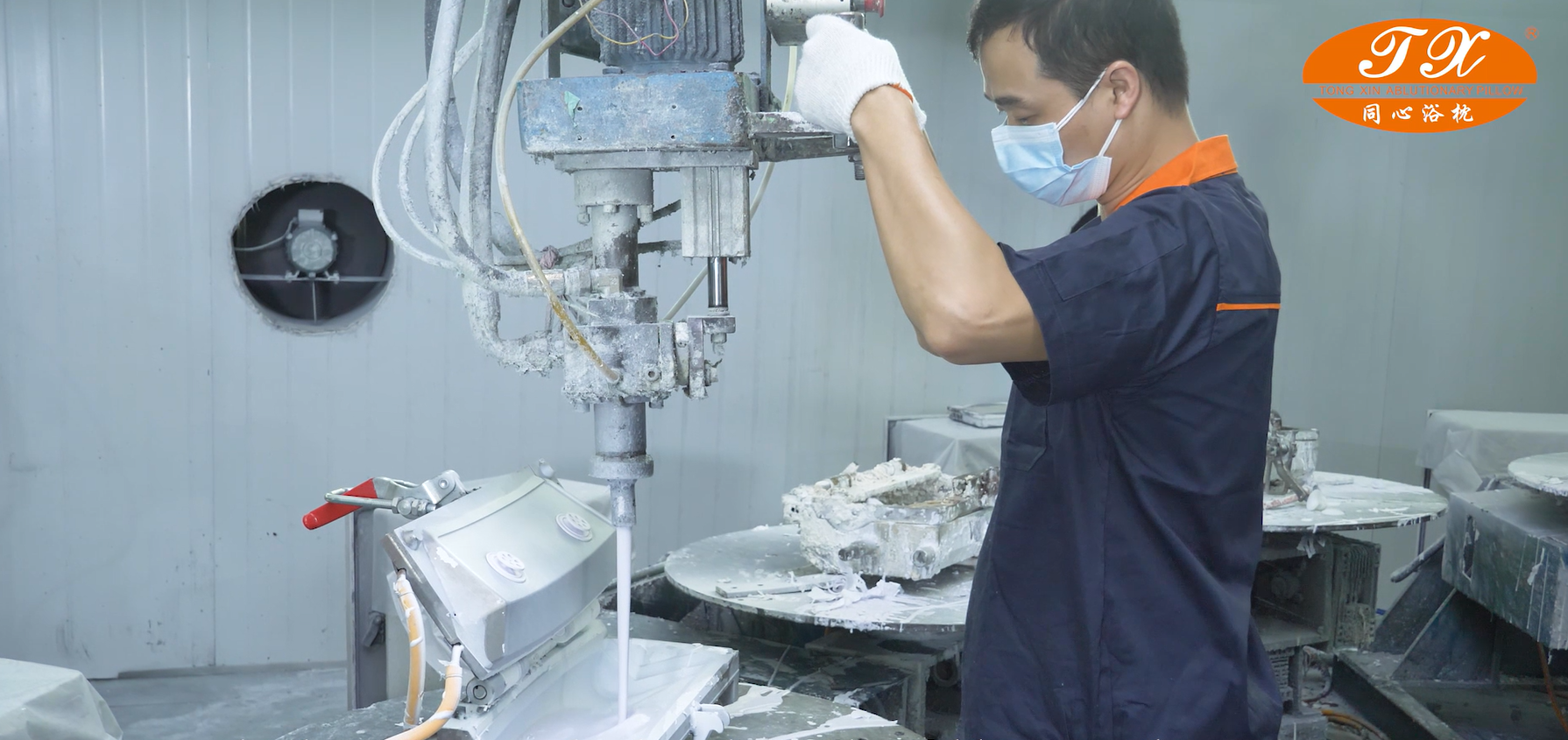
A resilient supply pipeline requires high-grade materials capable of meeting exact automotive specifications. Self-skinning polyurethane (PU) products provide exceptional elasticity, thermal resilience across hot and cold extremes, and superior wear resistance. These physical characteristics make PU an ideal material for critical vehicle parts—including engine gaskets, automotive cable sheaths, steering wheels, headrests, armrests, gearshift levers, bumpers, anti-static packaging liners, and ergonomic seating systems.
Ensuring Quality and Reliability Under Supply Chain Pressure
When expedited shipping becomes necessary, maintaining uncompromised quality assurance is paramount. Expedited air or land freight bandwidth should never be wasted on defective inventory. Leading manufacturers enforce multi-stage quality control checks—covering raw material verification, in-process production monitoring, finished component performance evaluations, structural integrity checks, and pre-packaging visual inspections.
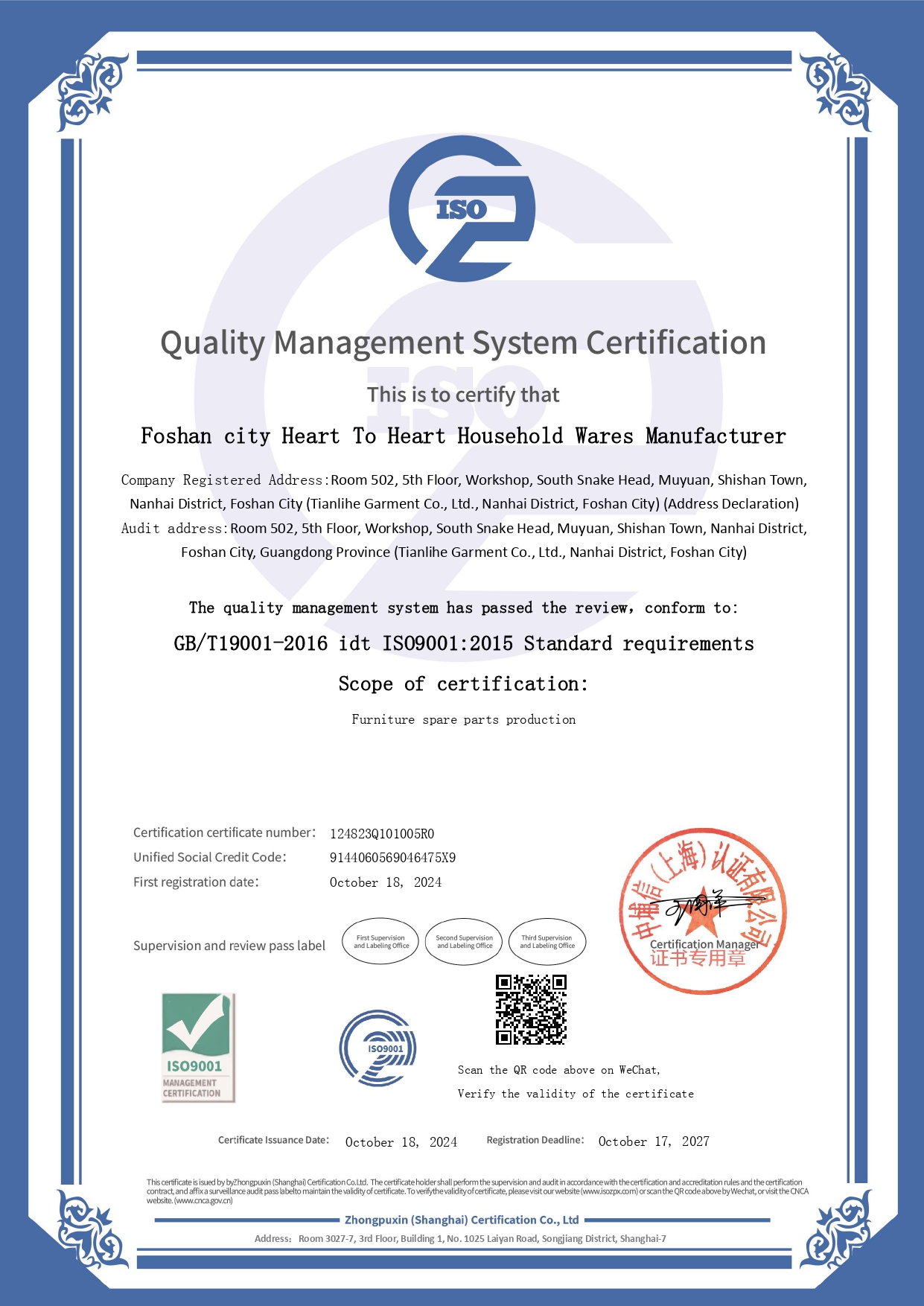
Adherence to international standards guarantees component reliability under demanding operational conditions. Certified operations holding ISO9001 quality management standards alongside CE compliance, SGS verification, REACH safety standards, and RoHS environmental directives ensure that re-routed shipments meet all regulatory and technical specifications.
Real-world supply chain data highlights the long-term impact of proactive supplier collaboration. Over a decade-long partnership, a prominent North American automotive distributor achieved zero stockout incidents during peak Q4 shopping windows (such as Black Friday and Christmas). The supplier proactively anticipated harbor congestion, rescheduled container bookings early, and provided 90-day advance alerts on raw material cost variations to insulate the partner from market shocks.
Comparing Import Strategies: Legacy vs. Agile Sourcing
The comparative analysis below outlines the structural advantages of an agile supply network over conventional ocean import routes when mitigating supply disruptions.
| Performance Factor | Traditional Import Model | Agile Responsive Supply Network |
|---|---|---|
| Logistics Flexibility | Single-channel ocean shipping | Diversified FBA sea, air, and regional land freight |
| Production Lead Time | 45 to 90 days turnaround | 2 to 25 days rapid dispatch (volume-dependent) |
| Minimum Order Volume | Full container load requirements | Flexible MOQs starting from a single piece |
| Shipment Tracking | Manual status checks on request | Real-time milestone tracking, immediate B/L release, and pre-shipment photo proof |
| Risk Mitigation | Reactive response following port delays | Early dispatch rescheduling and 3-month raw material price/supply notices |
| Quality Inspection | Destination-side batch sampling | Multi-stage in-line checks, structural testing, and pre-pack visual validation |
Core Strategies for Eliminating Auto Component Stockouts
- Multi-Channel Logistics: Combine ocean FBA routes with air freight and overland trucking to bypass congested maritime hubs.
- Rapid Production Cycles: Source components from factories capable of 2 to 25-day delivery turnarounds to match sudden demand surges.
- End-to-End Tracking & Visibility: Require live status updates with photographic confirmation, instant bill of lading synchronization, and clear customs clearing milestones.
- Proactive Partner Scheduling: Collaborate with suppliers offering advance dispatch rescheduling alongside 90-day material cost and availability forecasts.
- Flexible Order Quantities: Utilize low minimum order quantities starting from 1 piece to quickly fill safety stock gaps without over-leveraging working capital.
Frequently Asked Questions
How can auto importers bypass port congestion effectively?
Importers can divert time-sensitive consignments to air freight or regional land transport while utilizing FBA ocean channels for less urgent cargo. Synchronizing bill of lading documents instantly and tracking photo milestones allows logistics managers to execute rerouting decisions before containers become stuck at port bottlenecks.
Why is supplier turn-around time critical during logistics crises?
Manufacturers with short lead times (2 to 25 days) and consistent production outputs (e.g., 25,000 to 50,000 units monthly) allow buyers to execute rapid emergency replenishment orders. Combined with low minimum order requirements, importers can prevent stockouts without tying up capital in excessive inventory buffers.
What quality standards are required for polyurethane auto components?
Polyurethane parts and industrial hardware must adhere to ISO9001 quality management systems and maintain compliance with REACH and RoHS environmental and chemical safety standards. Depending on application requirements, components should also provide CE marks or SGS test certificates validating physical durability and structural integrity.
Actionable Steps & Procurement Best Practices
Preventing inventory stockouts amid global maritime congestion demands proactive supply chain planning, rapid manufacturing capabilities, end-to-end tracking, and rigorous quality control. Partnering with suppliers that offer 2 to 25 day lead times, 1-piece minimum order flexibility, and verified compliance (ISO9001, CE, SGS, REACH, RoHS) ensures uninterrupted production schedules. Adopting secure payment terms—such as T/T advance with balance due prior to shipment, or verified cross-border Alipay mechanisms—maintains financial transparency across every transaction. To discuss technical specifications or request supply solutions, contact our team directly at tongxin@tongxinyz.com.
About the Manufacturer
Foshan City Heart to Heart Household Wares Manufacturer specializes in the design, engineering, and manufacturing of high-performance polyurethane (PU) solutions. Established in 2002, the company operates a 5,000-square-meter production facility supported by 30 to 50 skilled employees, maintaining a monthly capacity of 50,000 units and an R&D output exceeding 10 new items each month. With an 80% export ratio, the enterprise serves global markets across North America, Europe, the Middle East, and South Asia through certified ISO9001, CE, SGS, REACH, and RoHS compliant processes backed by over 10 years of OEM/ODM expertise.

REPORT