







-
 Agriculture
-
 Health-Care
-
 Environment
-
 Construction-Real-Estate
-
 Tools-Hardware
-
 Home-Garden
-
 Furniture
-
 Luggage-Bags-Cases
-
 Medical-devices-Supplies
-
 Gifts-Crafts
-
 Sports-Entertainment
-
 Food-Beverage
-
 Vehicles-Transportation
-
 Power-Transmission
-
 Material-Handling
-
 Renewable-Energy
-
 Safety
-
 Testing-Instrument-Equipment
-
 Construction-Building-Machinery
-
 Pet-Supplies
-
 Personal-Care-Household-Cleaning
-
 Vehicle-Accessories-Electronics-Tools
-
 School-Office-Supplies
-
 Packaging-Printing
-
 Mother-Kids-Toys
-
 Business-Services
-
 Commercial-Equipment-Machinery
-
 Apparel-Accessories
-
 Security
-
 Shoes-Accessories
-
 Vehicle-Parts-Accessories
-
 Jewelry-Eyewear-Watches-Accessories
-
 Lights-Lighting
-
 Fabric-Textile-Raw-Material
-
 Fabrication-Services
-
 Industrial-Machinery
-
 Consumer-Electronics
-
 Electrical-Equipment-Supplies
-
 Electronic-Components-Accessories-Telecommunications
-
 Home-Appliances
-
 Beauty
-
 Chemicals
-
 Rubber-Plastics
-
 Metals-Alloys


























































































































































































































































































































































































































































































































































































- Masonry Materials
- Curtain Walls & Accessories
- Earthwork Products
- Fireproofing Materials
- Heat Insulation Materials
- Plastic Building Materials
- Building Boards
- Soundproofing Materials
- Timber
- Waterproofing Materials
- Balustrades & Handrails
- Bathroom & Kitchen
- Flooring & Accessories
- Tiles & Accessories
- Door, Window & Accessories
- Fireplaces & Stoves
- Floor Heating Systems & Parts
- Stairs & Stair Parts
- Ceilings
- Elevators & Escalators
- Stone
- Countertops, Vanity Tops & Table Tops
- Mosaics
- Metal Building Materials
- Multifunctional Materials
- Ladders & Scaffoldings
- Mouldings
- Corner Guards
- Decorative Films
- Formwork
- Building & Industrial Glass
- Other Construction & Real Estate
- Wallpapers/Wall panels
- HVAC System & Parts
- Outdoor Facilities
- Prefabricated Buildings
- Festive & Party Supplies
- Bathroom Products
- Household Sundries
- Rain Gear
- Garden Supplies
- Household Cleaning Tools & Accessories
- Lighters & Smoking Accessories
- Home Storage & Organization
- Household Scales
- Smart Home Improvement
- Home Textiles
- Kitchenware
- Drinkware & Accessories
- Dinnerware, Coffee & Wine
- Home Decor
- Golf
- Fitness & Body Building
- Amusement Park Facilities
- Billiards, Board Game,Coin Operated Games
- Musical Instruments
- Outdoor Affordable Luxury Sports
- Camping & Hiking
- Fishing
- Sports Safety&Rehabilitation
- Ball Sports Equipments
- Water Sports
- Winter Sports
- Luxury Travel Equipments
- Sports Shoes, Bags & Accessories
- Cycling
- Other Sports & Entertainment Products
- Artificial Grass&Sports Flooring&Sports Court Equipment
- Scooters
- Food Ingredients
- Honey & Honey Products
- Snacks
- Nuts & Kernels
- Seafood
- Plant & Animal Oil
- Beverages
- Fruit & Vegetable Products
- Frog & Escargot
- Bean Products
- Egg Products
- Dairy Products
- Seasonings & Condiments
- Canned Food
- Instant Food
- Baked Goods
- Other Food & Beverage
- Meat & Poultry
- Confectionery
- Grain Products
- Feminie Care
- Hair Care & Styling
- Body Care
- Hands & Feet Care
- Hygiene Products
- Men's Grooming
- Laundry Cleaning Supplies
- Travel Size & Gift Sets
- Room Deodorizers
- Other Personal Care Products
- Pest Control Products
- Special Household Cleaning
- Floor Cleaning
- Kitchen & Bathroom Cleaning
- Oral Care
- Bath Supplies
- Yellow Pages
- Correction Supplies
- Office Binding Supplies
- Office Cutting Supplies
- Board Erasers
- Office Adhesives & Tapes
- Education Supplies
- Pencil Cases & Bags
- Notebooks & Writing Pads
- File Folder Accessories
- Calendars
- Writing Accessories
- Commercial Office Supplies
- Pencil Sharpeners
- Pens
- Letter Pad/Paper
- Paper Envelopes
- Desk Organizers
- Pencils
- Markers & Highlighters
- Filing Products
- Art Supplies
- Easels
- Badge Holder & Accessories
- Office Paper
- Printer Supplies
- Book Covers
- Other Office & School Supplies
- Stationery Set
- Boards
- Clipboards
- Stamps
- Drafting Supplies
- Stencils
- Electronic Dictionary
- Books
- Map
- Magazines
- Calculators
- Baby & Toddler Toys
- Educational Toys
- Classic Toys
- Dress Up & Pretend Play
- Toy Vehicle
- Stuffed Animals & Plush Toys
- Outdoor Toys & Structures
- Balloons & Accessories
- Baby Food
- Children's Clothing
- Baby Supplies & Products
- Maternity Clothes
- Kids Shoes
- Baby Care
- Novelty & Gag Toys
- Dolls & Accessories
- Puzzle & Games
- Blocks & Model Building Toys
- Toddler Clothing
- Baby Clothing
- Kids' Luggage & Bags
- Arts, Crafts & DIY Toys
- Action & Toy Figures
- Baby Appliances
- Hobbies & Models
- Remote Control Toys
- Promotional Toys
- Pregnancy & Maternity
- Hygiene Products
- Kid's Textile&Bedding
- Novelty & Special Use
- Toy Weapons
- Baby Gifts
- Baby Storage & Organization
- Auto Drive Systems
- ATV/UTV Parts & Accessories
- Marine Parts & Accessories
- Other Auto Parts
- Trailer Parts & Accessories
- Auto Transmission Systems
- Train Parts & Accessories
- Universal Parts
- Railway Parts & Accessories
- Auto Brake Systems
- Aviation Parts & Accessories
- Truck Parts & Accessories
- Auto Suspension Systems
- Auto Lighting Systems
- New Energy Vehicle Parts & Accessories
- Auto Steering Systems
- Wheels, Tires & Accessories
- Bus Parts & Accessories
- Auto Performance Parts
- Cooling System
- Go-Kart & Kart Racer Parts & Accessories
- Air Conditioning Systems
- Heavy Duty Vehicle Parts & Accessories
- Auto Electrical Systems
- Auto Body Systems
- Auto Engine Systems
- Container Parts & Accessories
- Motorcycle Parts & Accessories
- Refrigeration & Heat Exchange Equipment
- Machine Tool Equipment
- Food & Beverage Machinery
- Agricultural Machinery & Equipment
- Apparel & Textile Machinery
- Chemical Machinery
- Packaging Machines
- Paper Production Machinery
- Plastic & Rubber Processing Machinery
- Industrial Robots
- Electronic Products Machinery
- Metal & Metallurgy Machinery
- Woodworking Machinery
- Home Product Manufacturing Machinery
- Machinery Accessories
- Environmental Machinery
- Machinery Service
- Electrical Equipment Manufacturing Machinery
- Industrial Compressors & Parts
- Tobacco & Cigarette Machinery
- Production Line
- Used Industrial Machinery
- Electronics Production Machinery
- Other Machinery & Industrial Equipment
- Camera, Photo & Accessories
- Portable Audio, Video & Accessories
- Television, Home Audio, Video & Accessories
- Video Games & Accessories
- Mobile Phone & Accessories
- Electronic Publications
- Earphone & Headphone & Accessories
- Speakers & Accessories
- Smart Electronics
- TV Receivers & Accessories
- Mobile Phone & Computer Repair Parts
- Chargers, Batteries & Power Supplies
- Used Electronics
- VR, AR, MR Hardware & Software
- Projectors & Presentation Equipments
- Other Consumer Electronics
- Cables & Commonly Used Accessories
- Computer Hardware & Software
- Displays, Signage and Optoelectronics
- Discrete Semiconductors
- Wireless & IoT Module and Products
- Telecommunications
- Connectors, Terminals & Accessories
- Development Boards, Electronic Modules and Kits
- Circuit Protection
- Sensors
- Isolators
- Audio Components and Products
- Integrated Circuits
- Power Supplies
- Relays
- RF, Microwave and RFID
- Electronic Accessories & Supplies
- Passive Components
- PCB & PCBA
- Air Quality Appliances
- Home Appliance Parts
- Heating & Cooling Appliances
- Small Kitchen Appliances
- Laundry Appliances
- Water Heaters
- Water Treatment Appliances
- Refrigerators & Freezers
- Personal Care & Beauty Appliances
- Major Kitchen Appliances
- Cleaning Appliances
- Second-hand Appliances
- Smart Home Appliances
- Other Home Appliances
- Energy Chemicals
- Inorganic Chemicals
- Basic Organic Chemicals
- Agrochemicals
- Admixture & Additives
- Catalysts & Chemical Auxiliary Agents
- Pigments & Dyestuff
- Coating & Paint
- Daily Chemicals
- Polymer
- Organic Intermediate
- Adhesives & Sealants
- Chemical Waste
- Biological Chemical Products
- Surface Treatment Chemicals
- Painting & Coating
- Chemical Reagents
- Flavor & Fragrance
- Non-Explosive Demolition Agents
- Other Chemicals
- Custom Chemical Services

Remote Fault Diagnosis for Skid-Mounted Substations: A Practical Guide
Diagnosing faults remotely on a Skid-Mounted Substation requires a structured review of site data, alarm messages, operating conditions, and equipment configuration. For medium-voltage energy storage projects, the fastest path to resolution is to provide the technical team with accurate real-time information and compare it with the system’s designed operating limits.
Vziman supports this process through remote technical assessment, global response within 72 hours, commissioning assistance, operator training, spare-parts support, and full life-cycle service. This approach is particularly valuable for photovoltaic plants, onshore wind facilities, and battery energy storage stations located in remote areas or operating under demanding project schedules.
Information Required for Remote Fault Assessment
Remote troubleshooting normally starts when the site reports an alarm, a protection action, unusual operating behavior, or an equipment shutdown. Engineers review the alarm details alongside current operating data, including voltage, power output, battery status, temperature, cooling conditions, and protection settings.
The reported information is then evaluated against the project-specific configuration of the Skid-Mounted Substation and its connected energy storage power station. This helps determine whether the issue may be linked to equipment status, an incorrect setting, environmental stress, communication conditions, or a mismatch between the actual duty cycle and the original design.
Key Data to Share with Technical Support
- Alarm codes, event records, fault descriptions, and time of occurrence
- System operating status before and after the event
- Configured voltage, rated capacity, and rated power values
- Ambient temperature, installation altitude, and cooling method
- Protection class, efficiency data, and relevant inspection records
- Photos, videos, or monitoring screenshots when available
Equipment Configuration as the Diagnostic Reference
The Medium Voltage Containerized Energy Storage Power Station 35kV can be configured to meet different application requirements. Its rated voltage is below 35kV and can be customized for the project. Typical rated capacity ranges from 1MWh to 10MWh, while rated power can range from 0.5MW to 5MW. The design also supports parallel expansion through multiple cabinets.
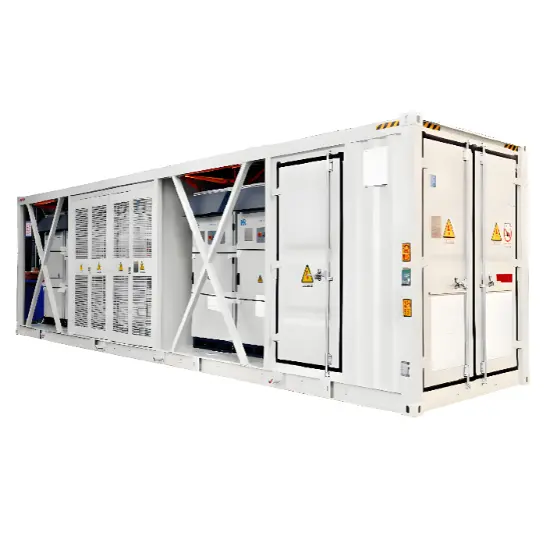
During diagnosis, these configuration details provide a baseline for judging whether the station is working within expected limits. Engineers may verify the battery type, PCS performance, cooling arrangement, site altitude, and enclosure protection level before recommending corrective action.
The standard battery solution uses lithium iron phosphate cells, while alternative cell types are available for customized projects. Air cooling and liquid cooling options can be selected according to the application. The outdoor enclosure is generally rated IP54, with offshore designs available up to IP56. The operating temperature range is -20°C to +55°C.
Step-by-Step Remote Diagnostic Process
1. Confirm the Fault Condition
The first task is to identify the exact abnormal condition. Site personnel should provide alarm feedback and confirm whether the system has experienced a trip, reduced output, communication interruption, thermal warning, or protection event. Clear event timing is important because it allows engineers to compare the fault with operating trends and environmental changes.
2. Review Operating Parameters
Technical personnel compare actual site data with the approved equipment parameters. Relevant checks can include voltage, power, state of operation, ambient temperature, altitude, cooling performance, and enclosure protection conditions. Standard models are designed for altitudes up to 4000m, while higher-altitude configurations can be provided when required.
3. Evaluate Efficiency and Protection Performance
Performance evaluation may include the system round-trip efficiency, specified at no less than 92%, and PCS efficiency, specified at no less than 99.2%. If measured performance differs significantly from expected results, the team can investigate possible causes such as thermal limitations, auxiliary equipment conditions, operating settings, or component status.
4. Compare with Manufacturing and Test Records
Factory Acceptance Test records, type-test documentation, and full pre-shipment inspection results can provide additional evidence during a fault investigation. These records help verify the original equipment condition and support a more targeted technical analysis when remote monitoring data alone is not sufficient.
5. Implement Recovery Measures
Based on the assessment, the support team may provide remote operating guidance, configuration recommendations, commissioning instructions, or spare-parts advice. If the issue cannot be resolved remotely, Vziman can coordinate further on-site support according to project needs.
Remote Support and Project Service Scope
Vziman provides a stated 72-hour global technical response for customer support requests. Service coverage includes on-site commissioning guidance, operation and maintenance training, spare-parts supply, and whole-life service for power equipment projects.
This coordinated service model is designed for new-energy and grid-related applications where site access may be limited and downtime can affect project performance. It can support manufacturer supply, OEM and ODM requirements, as well as turn-key project delivery.
Diagnostic Reference Table
| Diagnostic Phase | Technical Information Reviewed | Typical Support Action |
|---|---|---|
| Initial fault review | Alarm feedback, event logs, operating status, and monitoring data | Remote fault classification and preliminary assessment |
| Configuration verification | Voltage, capacity, power, cooling method, battery type, and protection settings | Comparison with approved project design |
| Environmental analysis | Temperature, altitude, enclosure rating, and site conditions | Assessment of environmental impact on operation |
| Record verification | FAT, type-test, and pre-delivery inspection documentation | Technical comparison and equipment history review |
| Corrective support | Commissioning requirements, replacement needs, and service findings | Remote guidance, spare-parts support, or on-site assistance |
Frequently Asked Questions
What is needed to diagnose a Skid-Mounted Substation fault remotely?
The most useful information includes the alarm code or fault description, event time, current operating status, voltage, capacity, power, cooling method, temperature, altitude, protection data, and any available monitoring screenshots or inspection records.
Can the 35kV energy storage system be customized for different sites?
Yes. The rated voltage, capacity, power, battery cell selection, cooling arrangement, protection level, and high-altitude design can be tailored to meet individual project requirements.
What happens if remote troubleshooting does not solve the issue?
In addition to remote technical guidance, Vziman provides commissioning support, operator training, spare-parts services, and on-site support options when necessary. The stated global technical response time is 72 hours.
About Vziman
Zhejiang Vziman Electric Power Technology Co., Ltd. develops, manufactures, and services power electrical equipment for grid construction, renewable energy, and industrial distribution applications. Its team includes more than 30 senior electrical engineers and industrial designers, supported by testing resources and automated manufacturing lines.
The company’s product portfolio includes prefabricated substations, transformers, medium- and high-voltage switchgear, and related electrical equipment. Relevant credentials include UDEM certification for substations, transformers, and switchgear, along with CNAS documentation for an oil-immersed power transformer model. Its project experience includes a 25MVA grid renovation in Madagascar, a 7.62kV voltage regulator project in the Dominican Republic, and a 110kV indoor GIS project in Suriname.
Conclusion
Effective remote diagnosis of a Skid-Mounted Substation depends on reliable alarm feedback, complete operating data, configuration verification, environmental review, and access to test records. By combining these inputs with responsive technical assistance, operators can identify probable causes faster and determine whether remote corrective action, spare parts, or on-site service is required. For technical solutions or service support, contact support@vziman.com.
REPORT