







-
 Agriculture
-
 Health-Care
-
 Environment
-
 Construction-Real-Estate
-
 Tools-Hardware
-
 Home-Garden
-
 Furniture
-
 Luggage-Bags-Cases
-
 Medical-devices-Supplies
-
 Gifts-Crafts
-
 Sports-Entertainment
-
 Food-Beverage
-
 Vehicles-Transportation
-
 Power-Transmission
-
 Material-Handling
-
 Renewable-Energy
-
 Safety
-
 Testing-Instrument-Equipment
-
 Construction-Building-Machinery
-
 Pet-Supplies
-
 Personal-Care-Household-Cleaning
-
 Vehicle-Accessories-Electronics-Tools
-
 School-Office-Supplies
-
 Packaging-Printing
-
 Mother-Kids-Toys
-
 Business-Services
-
 Commercial-Equipment-Machinery
-
 Apparel-Accessories
-
 Security
-
 Shoes-Accessories
-
 Vehicle-Parts-Accessories
-
 Jewelry-Eyewear-Watches-Accessories
-
 Lights-Lighting
-
 Fabric-Textile-Raw-Material
-
 Fabrication-Services
-
 Industrial-Machinery
-
 Consumer-Electronics
-
 Electrical-Equipment-Supplies
-
 Electronic-Components-Accessories-Telecommunications
-
 Home-Appliances
-
 Beauty
-
 Chemicals
-
 Rubber-Plastics
-
 Metals-Alloys


























































































































































































































































































































































































































































































































































































- Masonry Materials
- Curtain Walls & Accessories
- Earthwork Products
- Fireproofing Materials
- Heat Insulation Materials
- Plastic Building Materials
- Building Boards
- Soundproofing Materials
- Timber
- Waterproofing Materials
- Balustrades & Handrails
- Bathroom & Kitchen
- Flooring & Accessories
- Tiles & Accessories
- Door, Window & Accessories
- Fireplaces & Stoves
- Floor Heating Systems & Parts
- Stairs & Stair Parts
- Ceilings
- Elevators & Escalators
- Stone
- Countertops, Vanity Tops & Table Tops
- Mosaics
- Metal Building Materials
- Multifunctional Materials
- Ladders & Scaffoldings
- Mouldings
- Corner Guards
- Decorative Films
- Formwork
- Building & Industrial Glass
- Other Construction & Real Estate
- Wallpapers/Wall panels
- HVAC System & Parts
- Outdoor Facilities
- Prefabricated Buildings
- Festive & Party Supplies
- Bathroom Products
- Household Sundries
- Rain Gear
- Garden Supplies
- Household Cleaning Tools & Accessories
- Lighters & Smoking Accessories
- Home Storage & Organization
- Household Scales
- Smart Home Improvement
- Home Textiles
- Kitchenware
- Drinkware & Accessories
- Dinnerware, Coffee & Wine
- Home Decor
- Golf
- Fitness & Body Building
- Amusement Park Facilities
- Billiards, Board Game,Coin Operated Games
- Musical Instruments
- Outdoor Affordable Luxury Sports
- Camping & Hiking
- Fishing
- Sports Safety&Rehabilitation
- Ball Sports Equipments
- Water Sports
- Winter Sports
- Luxury Travel Equipments
- Sports Shoes, Bags & Accessories
- Cycling
- Other Sports & Entertainment Products
- Artificial Grass&Sports Flooring&Sports Court Equipment
- Scooters
- Food Ingredients
- Honey & Honey Products
- Snacks
- Nuts & Kernels
- Seafood
- Plant & Animal Oil
- Beverages
- Fruit & Vegetable Products
- Frog & Escargot
- Bean Products
- Egg Products
- Dairy Products
- Seasonings & Condiments
- Canned Food
- Instant Food
- Baked Goods
- Other Food & Beverage
- Meat & Poultry
- Confectionery
- Grain Products
- Feminie Care
- Hair Care & Styling
- Body Care
- Hands & Feet Care
- Hygiene Products
- Men's Grooming
- Laundry Cleaning Supplies
- Travel Size & Gift Sets
- Room Deodorizers
- Other Personal Care Products
- Pest Control Products
- Special Household Cleaning
- Floor Cleaning
- Kitchen & Bathroom Cleaning
- Oral Care
- Bath Supplies
- Yellow Pages
- Correction Supplies
- Office Binding Supplies
- Office Cutting Supplies
- Board Erasers
- Office Adhesives & Tapes
- Education Supplies
- Pencil Cases & Bags
- Notebooks & Writing Pads
- File Folder Accessories
- Calendars
- Writing Accessories
- Commercial Office Supplies
- Pencil Sharpeners
- Pens
- Letter Pad/Paper
- Paper Envelopes
- Desk Organizers
- Pencils
- Markers & Highlighters
- Filing Products
- Art Supplies
- Easels
- Badge Holder & Accessories
- Office Paper
- Printer Supplies
- Book Covers
- Other Office & School Supplies
- Stationery Set
- Boards
- Clipboards
- Stamps
- Drafting Supplies
- Stencils
- Electronic Dictionary
- Books
- Map
- Magazines
- Calculators
- Baby & Toddler Toys
- Educational Toys
- Classic Toys
- Dress Up & Pretend Play
- Toy Vehicle
- Stuffed Animals & Plush Toys
- Outdoor Toys & Structures
- Balloons & Accessories
- Baby Food
- Children's Clothing
- Baby Supplies & Products
- Maternity Clothes
- Kids Shoes
- Baby Care
- Novelty & Gag Toys
- Dolls & Accessories
- Puzzle & Games
- Blocks & Model Building Toys
- Toddler Clothing
- Baby Clothing
- Kids' Luggage & Bags
- Arts, Crafts & DIY Toys
- Action & Toy Figures
- Baby Appliances
- Hobbies & Models
- Remote Control Toys
- Promotional Toys
- Pregnancy & Maternity
- Hygiene Products
- Kid's Textile&Bedding
- Novelty & Special Use
- Toy Weapons
- Baby Gifts
- Baby Storage & Organization
- Auto Drive Systems
- ATV/UTV Parts & Accessories
- Marine Parts & Accessories
- Other Auto Parts
- Trailer Parts & Accessories
- Auto Transmission Systems
- Train Parts & Accessories
- Universal Parts
- Railway Parts & Accessories
- Auto Brake Systems
- Aviation Parts & Accessories
- Truck Parts & Accessories
- Auto Suspension Systems
- Auto Lighting Systems
- New Energy Vehicle Parts & Accessories
- Auto Steering Systems
- Wheels, Tires & Accessories
- Bus Parts & Accessories
- Auto Performance Parts
- Cooling System
- Go-Kart & Kart Racer Parts & Accessories
- Air Conditioning Systems
- Heavy Duty Vehicle Parts & Accessories
- Auto Electrical Systems
- Auto Body Systems
- Auto Engine Systems
- Container Parts & Accessories
- Motorcycle Parts & Accessories
- Refrigeration & Heat Exchange Equipment
- Machine Tool Equipment
- Food & Beverage Machinery
- Agricultural Machinery & Equipment
- Apparel & Textile Machinery
- Chemical Machinery
- Packaging Machines
- Paper Production Machinery
- Plastic & Rubber Processing Machinery
- Industrial Robots
- Electronic Products Machinery
- Metal & Metallurgy Machinery
- Woodworking Machinery
- Home Product Manufacturing Machinery
- Machinery Accessories
- Environmental Machinery
- Machinery Service
- Electrical Equipment Manufacturing Machinery
- Industrial Compressors & Parts
- Tobacco & Cigarette Machinery
- Production Line
- Used Industrial Machinery
- Electronics Production Machinery
- Other Machinery & Industrial Equipment
- Camera, Photo & Accessories
- Portable Audio, Video & Accessories
- Television, Home Audio, Video & Accessories
- Video Games & Accessories
- Mobile Phone & Accessories
- Electronic Publications
- Earphone & Headphone & Accessories
- Speakers & Accessories
- Smart Electronics
- TV Receivers & Accessories
- Mobile Phone & Computer Repair Parts
- Chargers, Batteries & Power Supplies
- Used Electronics
- VR, AR, MR Hardware & Software
- Projectors & Presentation Equipments
- Other Consumer Electronics
- Cables & Commonly Used Accessories
- Computer Hardware & Software
- Displays, Signage and Optoelectronics
- Discrete Semiconductors
- Wireless & IoT Module and Products
- Telecommunications
- Connectors, Terminals & Accessories
- Development Boards, Electronic Modules and Kits
- Circuit Protection
- Sensors
- Isolators
- Audio Components and Products
- Integrated Circuits
- Power Supplies
- Relays
- RF, Microwave and RFID
- Electronic Accessories & Supplies
- Passive Components
- PCB & PCBA
- Air Quality Appliances
- Home Appliance Parts
- Heating & Cooling Appliances
- Small Kitchen Appliances
- Laundry Appliances
- Water Heaters
- Water Treatment Appliances
- Refrigerators & Freezers
- Personal Care & Beauty Appliances
- Major Kitchen Appliances
- Cleaning Appliances
- Second-hand Appliances
- Smart Home Appliances
- Other Home Appliances
- Energy Chemicals
- Inorganic Chemicals
- Basic Organic Chemicals
- Agrochemicals
- Admixture & Additives
- Catalysts & Chemical Auxiliary Agents
- Pigments & Dyestuff
- Coating & Paint
- Daily Chemicals
- Polymer
- Organic Intermediate
- Adhesives & Sealants
- Chemical Waste
- Biological Chemical Products
- Surface Treatment Chemicals
- Painting & Coating
- Chemical Reagents
- Flavor & Fragrance
- Non-Explosive Demolition Agents
- Other Chemicals
- Custom Chemical Services

Return Switch vs. Standard Wall Switch: Mechanics and Applications Explained
When selecting electrical controls for residential or commercial buildings, understanding the distinction between a return switch and a standard wall switch is vital. The core difference lies in mechanical contact behavior: a return switch (also referred to as a momentary switch) utilizes an internal spring mechanism to return automatically to its default state, generating short electrical pulse signals. In contrast, a standard wall switch (a bistable or latching switch) remains in its toggled position—either OPEN or CLOSED—maintaining continuous power supply until physically switched back.
Key Operational Differences
- Contact Operation: Return switches rely on a retractive spring mechanism for temporary contact, whereas standard wall switches utilize a mechanical latching rocker to hold physical contact position.
- Circuit Signal Output: Standard wall switches continually complete or interrupt the AC phase conductor, while return switches deliver brief voltage pulses suitable for smart automation nodes and impulse relays.
- System Application: Standard switches control direct line-voltage power in conventional lighting setups. Return switches integrate effectively with dimming circuits, smart control modules, and pulse relay systems.
- Standards Compliance: Quality switch mechanisms comply with international standards such as CE, CB, and national standard GB 16915.1-2014, ensuring strong thermal resistance and proper electrical insulation.
Detailed Technical Principles
The interior architecture of an electrical switch dictates how power is transmitted to terminal loads. Standard wall switches operate on a bistable principle. Upon actuation, internal contacts lock into place, enabling steady current flow to connected fixtures without external electronic intervention.
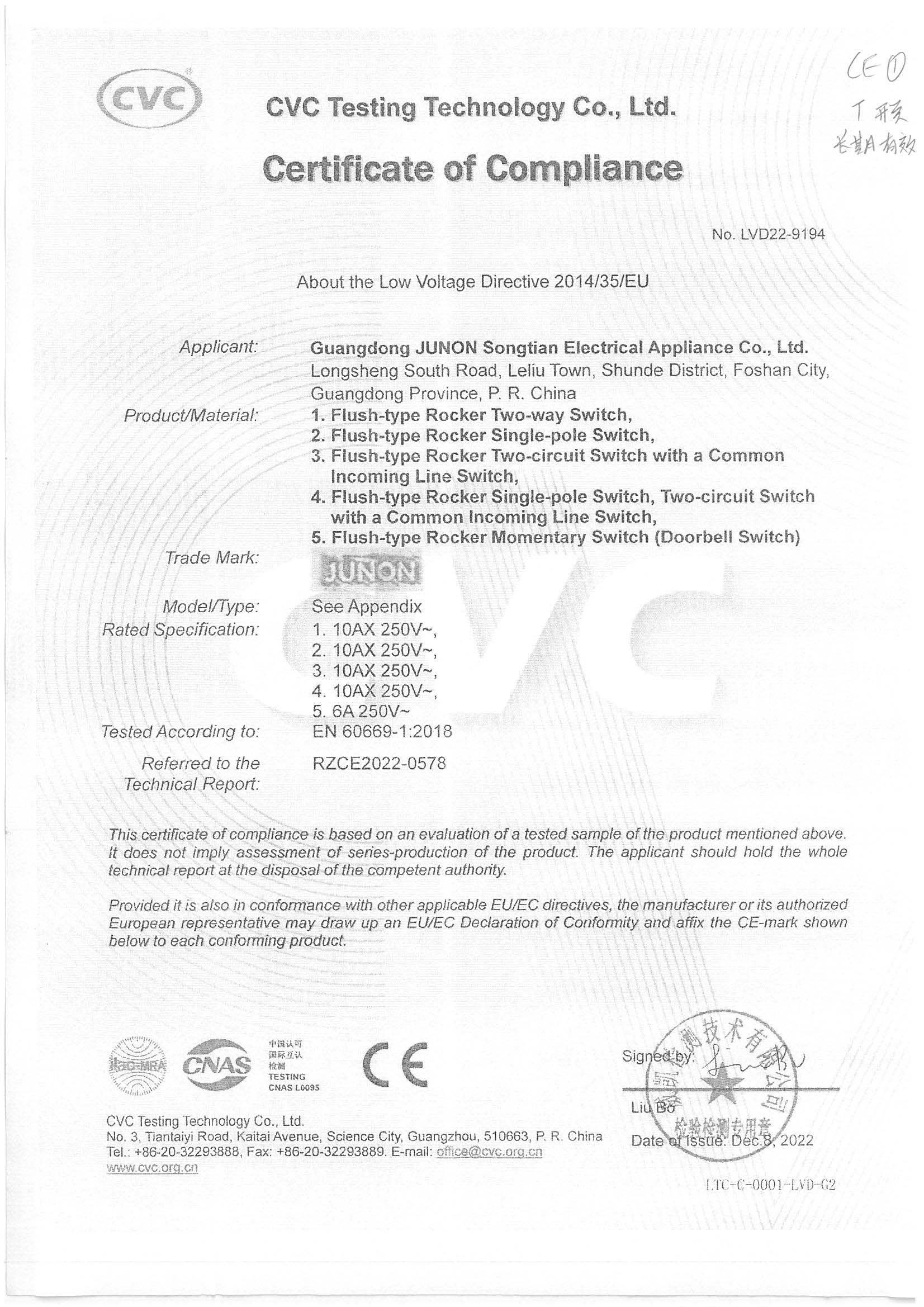
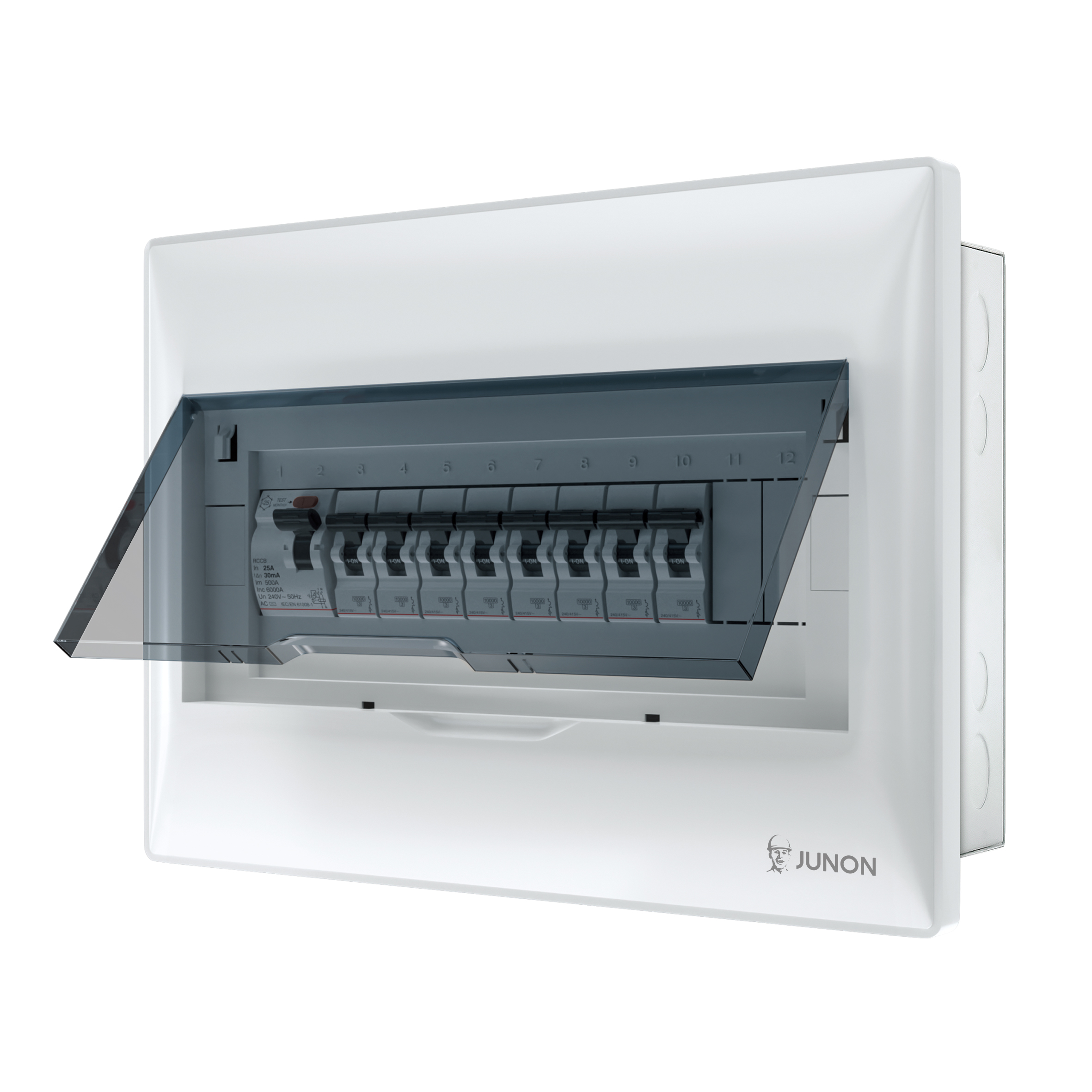
By comparison, return switches work via a monostable spring-return structure. Pressing the switch face temporarily bridges internal contacts; releasing pressure allows the internal spring to return the switch to its resting state, instantly breaking contact. When combined with smart relay modules or impulse step-relays mounted inside distribution enclosures—such as low-voltage metal enclosure boxes—return switches enable flexible multi-point control without complex multi-way traveler wiring.
Major commercial projects—such as the Courtyard Tashkent in Uzbekistan or the Sheraton Astana Hotel in Kazakhstan—rely on clear separation between direct power switches and centralized pulse control networks. Standard switches disrupt phase lines directly, while return switches interface with centralized control systems without causing physical rocker position conflicts.
Data & Feature Comparison
| Parameter | Return Switch (Momentary) | Standard Wall Switch (Latching) |
|---|---|---|
| Internal Mechanism | Spring-loaded retractive mechanism | Bistable mechanical rocker system |
| Contact State After Release | Returns instantly to resting position | Stays in toggled position (ON or OFF) |
| Output Signal | Transient electrical pulse | Continuous AC voltage transmission |
| Typical Integration | Smart relays, dimmers, control modules | Direct AC line-voltage circuits |
| Multi-Point Setup | Unlimited parallel momentary buttons to one relay | Requires specific 3-way/4-way wiring setups |
Frequently Asked Questions (FAQ)
Can a return switch directly replace a standard wall switch in a light circuit?
No. Return switches maintain contact only while depressed. Without an inline step relay, smart switch module, or central controller to hold the ON state electronically, the light will shut off as soon as the button is released.
Why are return switches preferred for smart lighting automation?
Return switches avoid mechanical state misalignment. Because the switch rocker always rests in the exact same physical position, turning off lights through a app or voice command will not cause a mismatch between physical rocker position and real light status.
What safety standards cover wall switches and distribution enclosures?
Certified wall switch mechanisms and distribution products undergo strict evaluations, holding marks such as CE (LVD22-9194), CB (CN42895), RoHS, and GB 16915.1-2014 standard compliance for safe operational performance.
Conclusion & Recommendations
Choosing between a return switch and a standard wall switch depends on overall circuit architecture. Standard wall switches remain the top choice for traditional direct power switching across residential and commercial spaces. Return switches deliver necessary pulse inputs for automated, dimmable, or multi-location relay networks. Complete installations require matching suitable switches with robust low-voltage distribution hardware, such as 1.2mm iron sheet metal base distribution boxes featuring pure copper busbars. Comprehensive quality control protocols—including 100% production line testing and incoming material inspections—ensure long-term operational reliability across global distribution channels. For technical assistance or inquiries, reach out to hayley@junlang.com.
About Us
Guangdong JUNON Songtian Electrical Appliance Co.,Ltd was established in 1983 and operates a 148,000 square meter manufacturing base with 2,000 employees. Certified under ISO9001, ISO14001, ISO45001, CE, and CB standards, the company manufactures high-quality switches, sockets, distribution boxes, and LED lighting solutions, supplying commercial, residential, and infrastructure projects across more than 52 countries globally.

REPORT