







-
 Agriculture
-
 Health-Care
-
 Environment
-
 Construction-Real-Estate
-
 Tools-Hardware
-
 Home-Garden
-
 Furniture
-
 Luggage-Bags-Cases
-
 Medical-devices-Supplies
-
 Gifts-Crafts
-
 Sports-Entertainment
-
 Food-Beverage
-
 Vehicles-Transportation
-
 Power-Transmission
-
 Material-Handling
-
 Renewable-Energy
-
 Safety
-
 Testing-Instrument-Equipment
-
 Construction-Building-Machinery
-
 Pet-Supplies
-
 Personal-Care-Household-Cleaning
-
 Vehicle-Accessories-Electronics-Tools
-
 School-Office-Supplies
-
 Packaging-Printing
-
 Mother-Kids-Toys
-
 Business-Services
-
 Commercial-Equipment-Machinery
-
 Apparel-Accessories
-
 Security
-
 Shoes-Accessories
-
 Vehicle-Parts-Accessories
-
 Jewelry-Eyewear-Watches-Accessories
-
 Lights-Lighting
-
 Fabric-Textile-Raw-Material
-
 Fabrication-Services
-
 Industrial-Machinery
-
 Consumer-Electronics
-
 Electrical-Equipment-Supplies
-
 Electronic-Components-Accessories-Telecommunications
-
 Home-Appliances
-
 Beauty
-
 Chemicals
-
 Rubber-Plastics
-
 Metals-Alloys


























































































































































































































































































































































































































































































































































































- Masonry Materials
- Curtain Walls & Accessories
- Earthwork Products
- Fireproofing Materials
- Heat Insulation Materials
- Plastic Building Materials
- Building Boards
- Soundproofing Materials
- Timber
- Waterproofing Materials
- Balustrades & Handrails
- Bathroom & Kitchen
- Flooring & Accessories
- Tiles & Accessories
- Door, Window & Accessories
- Fireplaces & Stoves
- Floor Heating Systems & Parts
- Stairs & Stair Parts
- Ceilings
- Elevators & Escalators
- Stone
- Countertops, Vanity Tops & Table Tops
- Mosaics
- Metal Building Materials
- Multifunctional Materials
- Ladders & Scaffoldings
- Mouldings
- Corner Guards
- Decorative Films
- Formwork
- Building & Industrial Glass
- Other Construction & Real Estate
- Wallpapers/Wall panels
- HVAC System & Parts
- Outdoor Facilities
- Prefabricated Buildings
- Festive & Party Supplies
- Bathroom Products
- Household Sundries
- Rain Gear
- Garden Supplies
- Household Cleaning Tools & Accessories
- Lighters & Smoking Accessories
- Home Storage & Organization
- Household Scales
- Smart Home Improvement
- Home Textiles
- Kitchenware
- Drinkware & Accessories
- Dinnerware, Coffee & Wine
- Home Decor
- Golf
- Fitness & Body Building
- Amusement Park Facilities
- Billiards, Board Game,Coin Operated Games
- Musical Instruments
- Outdoor Affordable Luxury Sports
- Camping & Hiking
- Fishing
- Sports Safety&Rehabilitation
- Ball Sports Equipments
- Water Sports
- Winter Sports
- Luxury Travel Equipments
- Sports Shoes, Bags & Accessories
- Cycling
- Other Sports & Entertainment Products
- Artificial Grass&Sports Flooring&Sports Court Equipment
- Scooters
- Food Ingredients
- Honey & Honey Products
- Snacks
- Nuts & Kernels
- Seafood
- Plant & Animal Oil
- Beverages
- Fruit & Vegetable Products
- Frog & Escargot
- Bean Products
- Egg Products
- Dairy Products
- Seasonings & Condiments
- Canned Food
- Instant Food
- Baked Goods
- Other Food & Beverage
- Meat & Poultry
- Confectionery
- Grain Products
- Feminie Care
- Hair Care & Styling
- Body Care
- Hands & Feet Care
- Hygiene Products
- Men's Grooming
- Laundry Cleaning Supplies
- Travel Size & Gift Sets
- Room Deodorizers
- Other Personal Care Products
- Pest Control Products
- Special Household Cleaning
- Floor Cleaning
- Kitchen & Bathroom Cleaning
- Oral Care
- Bath Supplies
- Yellow Pages
- Correction Supplies
- Office Binding Supplies
- Office Cutting Supplies
- Board Erasers
- Office Adhesives & Tapes
- Education Supplies
- Pencil Cases & Bags
- Notebooks & Writing Pads
- File Folder Accessories
- Calendars
- Writing Accessories
- Commercial Office Supplies
- Pencil Sharpeners
- Pens
- Letter Pad/Paper
- Paper Envelopes
- Desk Organizers
- Pencils
- Markers & Highlighters
- Filing Products
- Art Supplies
- Easels
- Badge Holder & Accessories
- Office Paper
- Printer Supplies
- Book Covers
- Other Office & School Supplies
- Stationery Set
- Boards
- Clipboards
- Stamps
- Drafting Supplies
- Stencils
- Electronic Dictionary
- Books
- Map
- Magazines
- Calculators
- Baby & Toddler Toys
- Educational Toys
- Classic Toys
- Dress Up & Pretend Play
- Toy Vehicle
- Stuffed Animals & Plush Toys
- Outdoor Toys & Structures
- Balloons & Accessories
- Baby Food
- Children's Clothing
- Baby Supplies & Products
- Maternity Clothes
- Kids Shoes
- Baby Care
- Novelty & Gag Toys
- Dolls & Accessories
- Puzzle & Games
- Blocks & Model Building Toys
- Toddler Clothing
- Baby Clothing
- Kids' Luggage & Bags
- Arts, Crafts & DIY Toys
- Action & Toy Figures
- Baby Appliances
- Hobbies & Models
- Remote Control Toys
- Promotional Toys
- Pregnancy & Maternity
- Hygiene Products
- Kid's Textile&Bedding
- Novelty & Special Use
- Toy Weapons
- Baby Gifts
- Baby Storage & Organization
- Auto Drive Systems
- ATV/UTV Parts & Accessories
- Marine Parts & Accessories
- Other Auto Parts
- Trailer Parts & Accessories
- Auto Transmission Systems
- Train Parts & Accessories
- Universal Parts
- Railway Parts & Accessories
- Auto Brake Systems
- Aviation Parts & Accessories
- Truck Parts & Accessories
- Auto Suspension Systems
- Auto Lighting Systems
- New Energy Vehicle Parts & Accessories
- Auto Steering Systems
- Wheels, Tires & Accessories
- Bus Parts & Accessories
- Auto Performance Parts
- Cooling System
- Go-Kart & Kart Racer Parts & Accessories
- Air Conditioning Systems
- Heavy Duty Vehicle Parts & Accessories
- Auto Electrical Systems
- Auto Body Systems
- Auto Engine Systems
- Container Parts & Accessories
- Motorcycle Parts & Accessories
- Refrigeration & Heat Exchange Equipment
- Machine Tool Equipment
- Food & Beverage Machinery
- Agricultural Machinery & Equipment
- Apparel & Textile Machinery
- Chemical Machinery
- Packaging Machines
- Paper Production Machinery
- Plastic & Rubber Processing Machinery
- Industrial Robots
- Electronic Products Machinery
- Metal & Metallurgy Machinery
- Woodworking Machinery
- Home Product Manufacturing Machinery
- Machinery Accessories
- Environmental Machinery
- Machinery Service
- Electrical Equipment Manufacturing Machinery
- Industrial Compressors & Parts
- Tobacco & Cigarette Machinery
- Production Line
- Used Industrial Machinery
- Electronics Production Machinery
- Other Machinery & Industrial Equipment
- Camera, Photo & Accessories
- Portable Audio, Video & Accessories
- Television, Home Audio, Video & Accessories
- Video Games & Accessories
- Mobile Phone & Accessories
- Electronic Publications
- Earphone & Headphone & Accessories
- Speakers & Accessories
- Smart Electronics
- TV Receivers & Accessories
- Mobile Phone & Computer Repair Parts
- Chargers, Batteries & Power Supplies
- Used Electronics
- VR, AR, MR Hardware & Software
- Projectors & Presentation Equipments
- Other Consumer Electronics
- Cables & Commonly Used Accessories
- Computer Hardware & Software
- Displays, Signage and Optoelectronics
- Discrete Semiconductors
- Wireless & IoT Module and Products
- Telecommunications
- Connectors, Terminals & Accessories
- Development Boards, Electronic Modules and Kits
- Circuit Protection
- Sensors
- Isolators
- Audio Components and Products
- Integrated Circuits
- Power Supplies
- Relays
- RF, Microwave and RFID
- Electronic Accessories & Supplies
- Passive Components
- PCB & PCBA
- Air Quality Appliances
- Home Appliance Parts
- Heating & Cooling Appliances
- Small Kitchen Appliances
- Laundry Appliances
- Water Heaters
- Water Treatment Appliances
- Refrigerators & Freezers
- Personal Care & Beauty Appliances
- Major Kitchen Appliances
- Cleaning Appliances
- Second-hand Appliances
- Smart Home Appliances
- Other Home Appliances
- Energy Chemicals
- Inorganic Chemicals
- Basic Organic Chemicals
- Agrochemicals
- Admixture & Additives
- Catalysts & Chemical Auxiliary Agents
- Pigments & Dyestuff
- Coating & Paint
- Daily Chemicals
- Polymer
- Organic Intermediate
- Adhesives & Sealants
- Chemical Waste
- Biological Chemical Products
- Surface Treatment Chemicals
- Painting & Coating
- Chemical Reagents
- Flavor & Fragrance
- Non-Explosive Demolition Agents
- Other Chemicals
- Custom Chemical Services

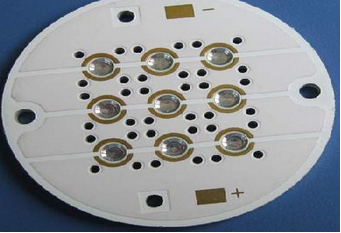
Smart Light Dimming Systems That Automatically Adapt To Natural Light And User Preferences
Imagine walking into a room where the lighting is always just right—bright enough to read by during the day but softly glowing in the evening, all without you ever touching a switch. This is the promise of smart light dimming systems that automatically adapt to both natural light and user preferences. In an era where technology seamlessly integrates into our daily lives, these intelligent lighting solutions are transforming homes and workplaces by enhancing comfort, energy efficiency, and convenience. Gone are the days of manually adjusting lamps or dealing with harsh, static lighting. Instead, these systems use sensors, algorithms, and connectivity to create personalized environments that respond in real-time to changing conditions. As we spend more time indoors, the quality of light has become crucial for well-being, productivity, and even sleep patterns. This article delves into how smart dimming systems work, their benefits, and why they represent a significant leap forward in modern living.
How Smart Dimming Systems Work: The Technology Behind the Glow
At the core of smart light dimming systems are several interconnected technologies that enable their adaptive capabilities. Firstly, ambient light sensors play a key role by continuously measuring the intensity of natural light in a room. These sensors detect changes from sunrise to sunset or even on cloudy days, sending data to a central controller. This controller, often powered by machine learning algorithms, processes the information to determine the optimal artificial light level needed to maintain a consistent brightness.
Additionally, these systems integrate with user preferences through apps or voice assistants. Users can set schedules—like brighter lights for morning routines and warmer tones for evenings—or preferences for different activities, such as reading or relaxing. Over time, the system learns from these inputs, adjusting automatically without manual intervention. Wireless connectivity, typically via Wi-Fi or Bluetooth, allows seamless communication between lights, sensors, and smart home ecosystems, enabling remote control and integration with other devices like thermostats or blinds.
Benefits for Health and Well-being: Lighting That Cares
One of the most compelling advantages of adaptive smart lighting is its positive impact on human health. Natural light cycles, known as circadian rhythms, regulate our sleep-wake patterns, and artificial lighting that mimics these cycles can improve overall well-being. Smart dimming systems can gradually increase light intensity in the morning to simulate sunrise, helping users wake up more naturally, and dim to warmer hues in the evening to promote melatonin production for better sleep.
Beyond sleep, these systems reduce eye strain by maintaining consistent illumination levels. In workspaces, for instance, they prevent glare from screens or sudden brightness changes, which can lead to headaches and fatigue. By aligning with user preferences—such as providing cooler light for focus tasks or softer tones for relaxation—they also support mental comfort. This personalized approach makes environments more inviting and can even alleviate symptoms of seasonal affective disorder by ensuring adequate light exposure during darker months.
Energy Efficiency and Sustainability: A Brighter Future for the Planet
Smart dimming systems contribute significantly to energy conservation, a critical concern in today's world. By automatically lowering artificial light when natural light is sufficient, they reduce electricity consumption. Studies show that such adaptive lighting can cut energy usage by up to 30% compared to traditional systems, lowering utility bills and carbon footprints.
Moreover, these systems often use LED bulbs, which are inherently efficient and long-lasting. When combined with smart controls, LEDs operate at optimal levels, extending their lifespan and reducing waste. The integration with renewable energy sources, like solar panels, further enhances sustainability. In commercial settings, smart lighting can be part of broader building management systems, ensuring lights are only on when needed, thus supporting global efforts toward greener infrastructure.
Integration and Customization: Tailoring Light to Every Lifestyle
The versatility of smart dimming systems lies in their ability to integrate with diverse environments and user needs. In homes, they can be customized for each room—for example, brighter settings in kitchens for cooking and dimmable moods in living rooms for movie nights. Through mobile apps, users create scenes or routines, such as "movie mode" or "wake-up light," which adjust multiple lights simultaneously.
These systems also connect with other smart devices, enabling holistic automation. Imagine lights that dim when a smart TV is turned on, or that flash as security alerts. In offices, they can sync with occupancy sensors to turn off in empty rooms, enhancing efficiency. The customization extends to aesthetics, with options for color-changing bulbs that adapt to decor or moods, making lighting not just functional but an expression of personal style.
Challenges and Future Developments: The Path Ahead
Despite their advantages, smart dimming systems face challenges that drive innovation. Initial costs can be higher than traditional lighting, though prices are decreasing as technology matures. Privacy concerns also arise, as connected devices collect data on usage patterns; however, manufacturers are implementing stronger encryption and user controls to address this.
Looking forward, advancements in artificial intelligence will make these systems even more intuitive. Future versions may predict user preferences based on behavior or incorporate biometric data for health optimization. Integration with smart cities could lead to broader applications, like streetlights that adapt to weather and traffic. As technology evolves, smart lighting will likely become a standard feature, redefining how we interact with our environments and emphasizing a harmonious blend of nature, technology, and personal choice.
REPORT