







-
 Agriculture
-
 Health-Care
-
 Environment
-
 Construction-Real-Estate
-
 Tools-Hardware
-
 Home-Garden
-
 Furniture
-
 Luggage-Bags-Cases
-
 Medical-devices-Supplies
-
 Gifts-Crafts
-
 Sports-Entertainment
-
 Food-Beverage
-
 Vehicles-Transportation
-
 Power-Transmission
-
 Material-Handling
-
 Renewable-Energy
-
 Safety
-
 Testing-Instrument-Equipment
-
 Construction-Building-Machinery
-
 Pet-Supplies
-
 Personal-Care-Household-Cleaning
-
 Vehicle-Accessories-Electronics-Tools
-
 School-Office-Supplies
-
 Packaging-Printing
-
 Mother-Kids-Toys
-
 Business-Services
-
 Commercial-Equipment-Machinery
-
 Apparel-Accessories
-
 Security
-
 Shoes-Accessories
-
 Vehicle-Parts-Accessories
-
 Jewelry-Eyewear-Watches-Accessories
-
 Lights-Lighting
-
 Fabric-Textile-Raw-Material
-
 Fabrication-Services
-
 Industrial-Machinery
-
 Consumer-Electronics
-
 Electrical-Equipment-Supplies
-
 Electronic-Components-Accessories-Telecommunications
-
 Home-Appliances
-
 Beauty
-
 Chemicals
-
 Rubber-Plastics
-
 Metals-Alloys


























































































































































































































































































































































































































































































































































































- Masonry Materials
- Curtain Walls & Accessories
- Earthwork Products
- Fireproofing Materials
- Heat Insulation Materials
- Plastic Building Materials
- Building Boards
- Soundproofing Materials
- Timber
- Waterproofing Materials
- Balustrades & Handrails
- Bathroom & Kitchen
- Flooring & Accessories
- Tiles & Accessories
- Door, Window & Accessories
- Fireplaces & Stoves
- Floor Heating Systems & Parts
- Stairs & Stair Parts
- Ceilings
- Elevators & Escalators
- Stone
- Countertops, Vanity Tops & Table Tops
- Mosaics
- Metal Building Materials
- Multifunctional Materials
- Ladders & Scaffoldings
- Mouldings
- Corner Guards
- Decorative Films
- Formwork
- Building & Industrial Glass
- Other Construction & Real Estate
- Wallpapers/Wall panels
- HVAC System & Parts
- Outdoor Facilities
- Prefabricated Buildings
- Festive & Party Supplies
- Bathroom Products
- Household Sundries
- Rain Gear
- Garden Supplies
- Household Cleaning Tools & Accessories
- Lighters & Smoking Accessories
- Home Storage & Organization
- Household Scales
- Smart Home Improvement
- Home Textiles
- Kitchenware
- Drinkware & Accessories
- Dinnerware, Coffee & Wine
- Home Decor
- Golf
- Fitness & Body Building
- Amusement Park Facilities
- Billiards, Board Game,Coin Operated Games
- Musical Instruments
- Outdoor Affordable Luxury Sports
- Camping & Hiking
- Fishing
- Sports Safety&Rehabilitation
- Ball Sports Equipments
- Water Sports
- Winter Sports
- Luxury Travel Equipments
- Sports Shoes, Bags & Accessories
- Cycling
- Other Sports & Entertainment Products
- Artificial Grass&Sports Flooring&Sports Court Equipment
- Scooters
- Food Ingredients
- Honey & Honey Products
- Snacks
- Nuts & Kernels
- Seafood
- Plant & Animal Oil
- Beverages
- Fruit & Vegetable Products
- Frog & Escargot
- Bean Products
- Egg Products
- Dairy Products
- Seasonings & Condiments
- Canned Food
- Instant Food
- Baked Goods
- Other Food & Beverage
- Meat & Poultry
- Confectionery
- Grain Products
- Feminie Care
- Hair Care & Styling
- Body Care
- Hands & Feet Care
- Hygiene Products
- Men's Grooming
- Laundry Cleaning Supplies
- Travel Size & Gift Sets
- Room Deodorizers
- Other Personal Care Products
- Pest Control Products
- Special Household Cleaning
- Floor Cleaning
- Kitchen & Bathroom Cleaning
- Oral Care
- Bath Supplies
- Yellow Pages
- Correction Supplies
- Office Binding Supplies
- Office Cutting Supplies
- Board Erasers
- Office Adhesives & Tapes
- Education Supplies
- Pencil Cases & Bags
- Notebooks & Writing Pads
- File Folder Accessories
- Calendars
- Writing Accessories
- Commercial Office Supplies
- Pencil Sharpeners
- Pens
- Letter Pad/Paper
- Paper Envelopes
- Desk Organizers
- Pencils
- Markers & Highlighters
- Filing Products
- Art Supplies
- Easels
- Badge Holder & Accessories
- Office Paper
- Printer Supplies
- Book Covers
- Other Office & School Supplies
- Stationery Set
- Boards
- Clipboards
- Stamps
- Drafting Supplies
- Stencils
- Electronic Dictionary
- Books
- Map
- Magazines
- Calculators
- Baby & Toddler Toys
- Educational Toys
- Classic Toys
- Dress Up & Pretend Play
- Toy Vehicle
- Stuffed Animals & Plush Toys
- Outdoor Toys & Structures
- Balloons & Accessories
- Baby Food
- Children's Clothing
- Baby Supplies & Products
- Maternity Clothes
- Kids Shoes
- Baby Care
- Novelty & Gag Toys
- Dolls & Accessories
- Puzzle & Games
- Blocks & Model Building Toys
- Toddler Clothing
- Baby Clothing
- Kids' Luggage & Bags
- Arts, Crafts & DIY Toys
- Action & Toy Figures
- Baby Appliances
- Hobbies & Models
- Remote Control Toys
- Promotional Toys
- Pregnancy & Maternity
- Hygiene Products
- Kid's Textile&Bedding
- Novelty & Special Use
- Toy Weapons
- Baby Gifts
- Baby Storage & Organization
- Auto Drive Systems
- ATV/UTV Parts & Accessories
- Marine Parts & Accessories
- Other Auto Parts
- Trailer Parts & Accessories
- Auto Transmission Systems
- Train Parts & Accessories
- Universal Parts
- Railway Parts & Accessories
- Auto Brake Systems
- Aviation Parts & Accessories
- Truck Parts & Accessories
- Auto Suspension Systems
- Auto Lighting Systems
- New Energy Vehicle Parts & Accessories
- Auto Steering Systems
- Wheels, Tires & Accessories
- Bus Parts & Accessories
- Auto Performance Parts
- Cooling System
- Go-Kart & Kart Racer Parts & Accessories
- Air Conditioning Systems
- Heavy Duty Vehicle Parts & Accessories
- Auto Electrical Systems
- Auto Body Systems
- Auto Engine Systems
- Container Parts & Accessories
- Motorcycle Parts & Accessories
- Refrigeration & Heat Exchange Equipment
- Machine Tool Equipment
- Food & Beverage Machinery
- Agricultural Machinery & Equipment
- Apparel & Textile Machinery
- Chemical Machinery
- Packaging Machines
- Paper Production Machinery
- Plastic & Rubber Processing Machinery
- Industrial Robots
- Electronic Products Machinery
- Metal & Metallurgy Machinery
- Woodworking Machinery
- Home Product Manufacturing Machinery
- Machinery Accessories
- Environmental Machinery
- Machinery Service
- Electrical Equipment Manufacturing Machinery
- Industrial Compressors & Parts
- Tobacco & Cigarette Machinery
- Production Line
- Used Industrial Machinery
- Electronics Production Machinery
- Other Machinery & Industrial Equipment
- Camera, Photo & Accessories
- Portable Audio, Video & Accessories
- Television, Home Audio, Video & Accessories
- Video Games & Accessories
- Mobile Phone & Accessories
- Electronic Publications
- Earphone & Headphone & Accessories
- Speakers & Accessories
- Smart Electronics
- TV Receivers & Accessories
- Mobile Phone & Computer Repair Parts
- Chargers, Batteries & Power Supplies
- Used Electronics
- VR, AR, MR Hardware & Software
- Projectors & Presentation Equipments
- Other Consumer Electronics
- Cables & Commonly Used Accessories
- Computer Hardware & Software
- Displays, Signage and Optoelectronics
- Discrete Semiconductors
- Wireless & IoT Module and Products
- Telecommunications
- Connectors, Terminals & Accessories
- Development Boards, Electronic Modules and Kits
- Circuit Protection
- Sensors
- Isolators
- Audio Components and Products
- Integrated Circuits
- Power Supplies
- Relays
- RF, Microwave and RFID
- Electronic Accessories & Supplies
- Passive Components
- PCB & PCBA
- Air Quality Appliances
- Home Appliance Parts
- Heating & Cooling Appliances
- Small Kitchen Appliances
- Laundry Appliances
- Water Heaters
- Water Treatment Appliances
- Refrigerators & Freezers
- Personal Care & Beauty Appliances
- Major Kitchen Appliances
- Cleaning Appliances
- Second-hand Appliances
- Smart Home Appliances
- Other Home Appliances
- Energy Chemicals
- Inorganic Chemicals
- Basic Organic Chemicals
- Agrochemicals
- Admixture & Additives
- Catalysts & Chemical Auxiliary Agents
- Pigments & Dyestuff
- Coating & Paint
- Daily Chemicals
- Polymer
- Organic Intermediate
- Adhesives & Sealants
- Chemical Waste
- Biological Chemical Products
- Surface Treatment Chemicals
- Painting & Coating
- Chemical Reagents
- Flavor & Fragrance
- Non-Explosive Demolition Agents
- Other Chemicals
- Custom Chemical Services

Streamlining Collision Repair: The Impact of Modular Front Bumper Assembly Designs
The Shift Toward Modular Exterior Bumper Architectures
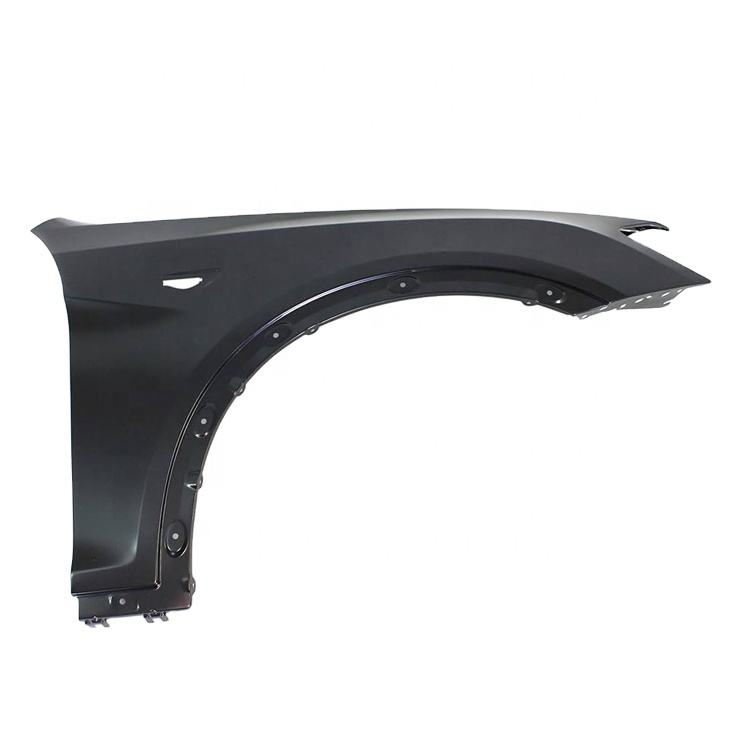
As modern vehicle design evolves, traditional integrated bumpers present rising financial and operational challenges for collision repair centers and aftermarket auto parts distributors. Transitioning to modular front bumper assembly designs effectively transforms future replacement demand by replacing full-unit discarded assemblies with localized, component-level swaps. By isolating elements like grille inserts, mounting hardware, decorative trims, and the car front fender into separate modules, auto repair shops can significantly lower material expenditures and reduce technician labor hours.
Key Operational Advantages
- Targeted Component Replacement: Technicians can replace localized damage—such as a cracked lower grille or damaged bumper corner—without wasting structural materials or discarding intact body parts.
- Logistical & Freight Efficiency: Smaller modular sub-assemblies maximize container packing density, reducing shipping expenses and warehouse storage footprints for auto parts distributors.
- Precise OEM Alignment: Advanced Coordinate Measuring Machine (CMM) dimensional checking guarantees accurate fitment for both German and North American vehicle platforms.
- Global Safety & Environmental Compliance: Engineered to rigorous standards like CE and EPR, modular units seamlessly integrate into international body shop repair frameworks.
Technical Principles & Dimensional Stability
Integrated one-piece bumpers force repair shops to dispose of structurally sound components after minor impacts. In contrast, modular front bumper assemblies separate structural impact bars, engine hood locks, decorative accents, and adjacent panels such as the car front fender into independently serviceable sub-components. Standardized alignment tracks and quick-release clip mechanisms ensure fast mounting while preserving exact panel gaps.
Rigid quality control protocols are essential for maintaining tight tolerances across production lots. Technical evaluations from Danyang Wanjiang Auto Parts Co., Ltd. confirm that multi-segment assemblies crafted with high precision prevent misalignments along headlight housings and fender margins. Every batch undergoes comprehensive inspection, including visual checks, CMM verification, and coating durability testing to deliver reliable structural performance.
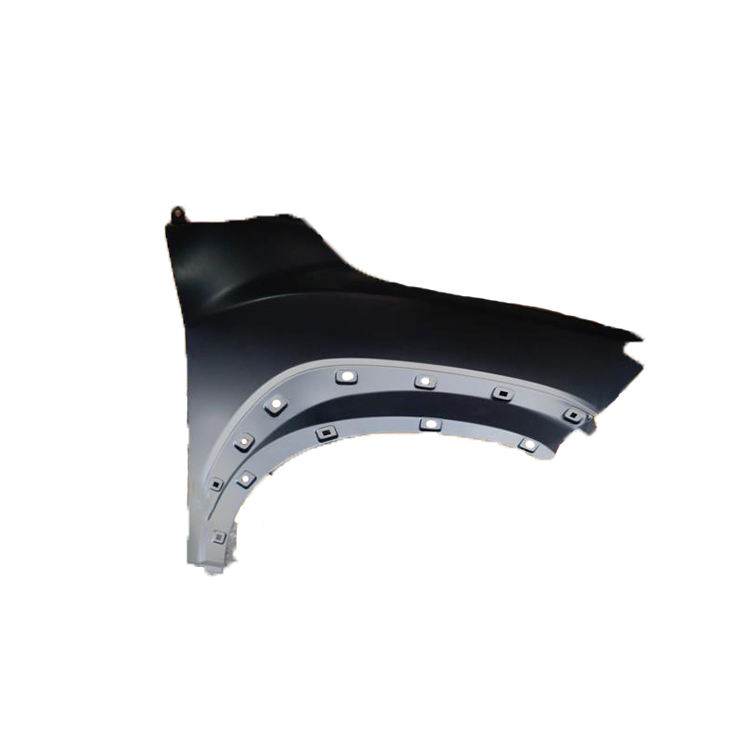
Furthermore, international safety regulations require auto body replacement components to fulfill strict performance criteria. Certified under CE frameworks (such as CE HK0624090150C) and EPR regulations (DE1123252940071), modular exterior components satisfy both European and American collision repair guidelines, facilitating rapid restocks for wholesalers, independent body shops, and cross-border e-commerce sellers.
Performance Overview: Legacy vs. Modular Bumpers
The comparative summary below highlights the practical operational differences between standard single-piece bumpers and advanced modular front bumper systems.
| Evaluation Metric | Traditional One-Piece Bumper | Modular Front Bumper System |
|---|---|---|
| Scope of Replacement | Entire front bumper assembly must be replaced | Selective replacement of damaged sub-components |
| Labor Duration | High (3–5 hours for full removal and paint match) | Low (1–2 hours for targeted sub-assembly swap) |
| Transport & Logistics | Bulky dimensions, higher freight costs and damage risk | Compact, stackable modules with lower shipping costs |
| Inventory Capital | High capital tied up in full bumper units | Flexible capital spent on fast-moving sub-parts |
| Gap Alignment Control | Fixed structural shape, susceptible to frame flex | Slotted bracket adjustability ensures flush fitment |
Frequently Asked Questions (FAQ)
How do modular designs maintain seamless alignment with the car front fender?
Modular bumper systems incorporate slotted mounting brackets and position-adjustable pins, allowing repair technicians to fine-tune gaps around the car front fender, hood, and headlights prior to final fastener torqueing.
Which compliance standards govern modular auto body components?
Exported modular body components are certified under global frameworks, including CE marks (such as HK0624090150C for bumpers and HK0624090149C for lamp assemblies) alongside European EPR compliance for environmental and structural reliability.
What is the standard fulfillment window for stock modular bumper items?
In-stock items with flexible MOQs (1–5 PCS) are typically packaged and loaded for container dispatch within 7 days, complete with pre-shipment photo and video verification.
Summary & Recommendations
Transitioning to modular front bumper assembly designs minimizes structural waste, cuts procurement overhead, and accelerates collision repair turnarounds across international markets. Wholesale distributors and body shop networks benefit from compact shipping modules and flexible transport routes (sea, air, or express freight). For tailored technical solutions, contact us via sales01@cnkebel.com.
About Us
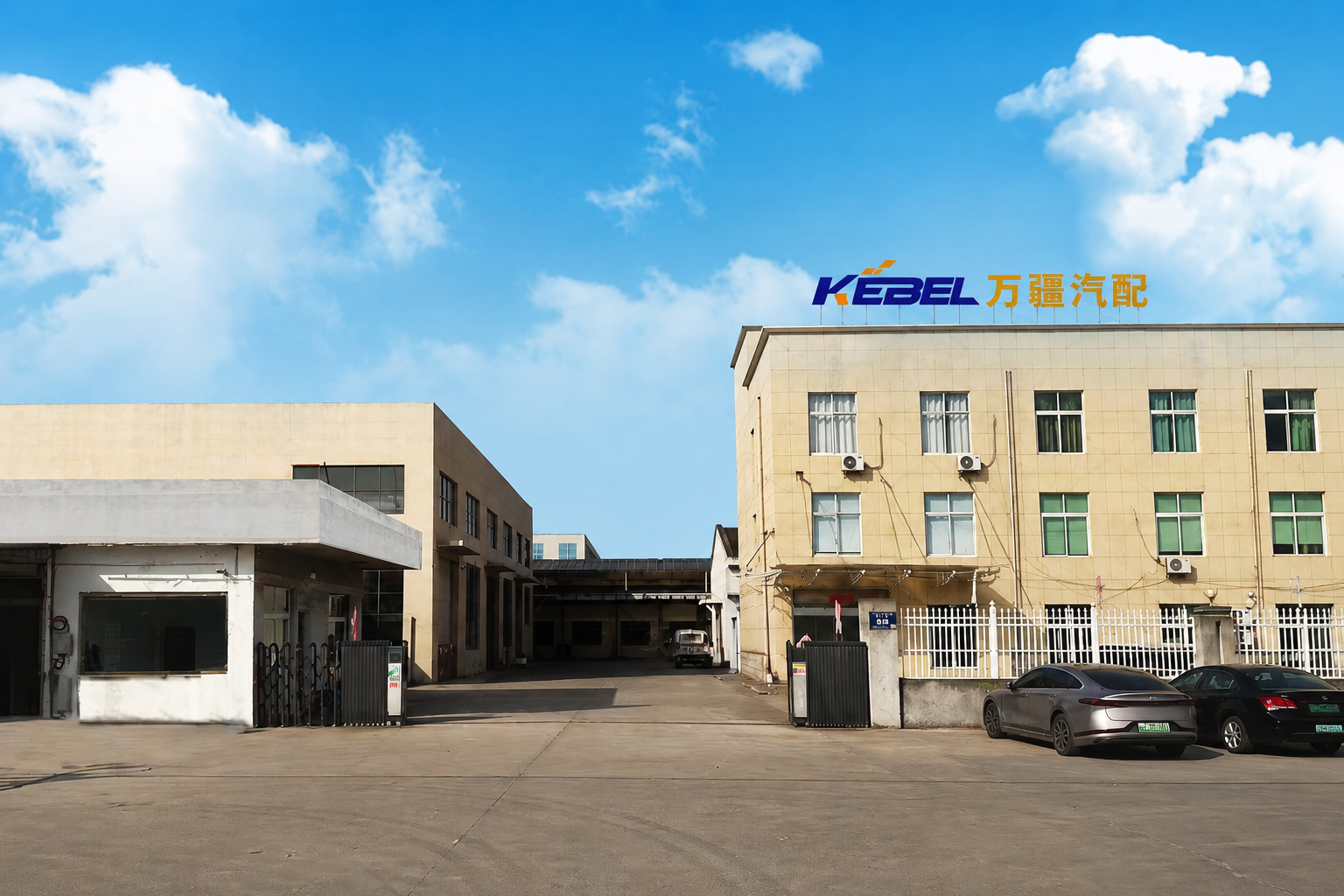
Danyang Wanjiang Auto Parts Co., Ltd. operates a 10,000 sqm production facility backed by 80 skilled professionals, specializing in premium exterior auto parts including bumpers, grilles, headlights, hoods, and fenders. With 18 years of dedicated OEM and ODM experience and an annual export capacity exceeding 500 containers, the enterprise supplies high-precision body components for American and German vehicle lines worldwide. Every component undergoes rigorous visual, dimensional, and coating quality checks prior to dispatch.

REPORT