







-
 Agriculture
-
 Health-Care
-
 Environment
-
 Construction-Real-Estate
-
 Tools-Hardware
-
 Home-Garden
-
 Furniture
-
 Luggage-Bags-Cases
-
 Medical-devices-Supplies
-
 Gifts-Crafts
-
 Sports-Entertainment
-
 Food-Beverage
-
 Vehicles-Transportation
-
 Power-Transmission
-
 Material-Handling
-
 Renewable-Energy
-
 Safety
-
 Testing-Instrument-Equipment
-
 Construction-Building-Machinery
-
 Pet-Supplies
-
 Personal-Care-Household-Cleaning
-
 Vehicle-Accessories-Electronics-Tools
-
 School-Office-Supplies
-
 Packaging-Printing
-
 Mother-Kids-Toys
-
 Business-Services
-
 Commercial-Equipment-Machinery
-
 Apparel-Accessories
-
 Security
-
 Shoes-Accessories
-
 Vehicle-Parts-Accessories
-
 Jewelry-Eyewear-Watches-Accessories
-
 Lights-Lighting
-
 Fabric-Textile-Raw-Material
-
 Fabrication-Services
-
 Industrial-Machinery
-
 Consumer-Electronics
-
 Electrical-Equipment-Supplies
-
 Electronic-Components-Accessories-Telecommunications
-
 Home-Appliances
-
 Beauty
-
 Chemicals
-
 Rubber-Plastics
-
 Metals-Alloys


























































































































































































































































































































































































































































































































































































- Masonry Materials
- Curtain Walls & Accessories
- Earthwork Products
- Fireproofing Materials
- Heat Insulation Materials
- Plastic Building Materials
- Building Boards
- Soundproofing Materials
- Timber
- Waterproofing Materials
- Balustrades & Handrails
- Bathroom & Kitchen
- Flooring & Accessories
- Tiles & Accessories
- Door, Window & Accessories
- Fireplaces & Stoves
- Floor Heating Systems & Parts
- Stairs & Stair Parts
- Ceilings
- Elevators & Escalators
- Stone
- Countertops, Vanity Tops & Table Tops
- Mosaics
- Metal Building Materials
- Multifunctional Materials
- Ladders & Scaffoldings
- Mouldings
- Corner Guards
- Decorative Films
- Formwork
- Building & Industrial Glass
- Other Construction & Real Estate
- Wallpapers/Wall panels
- HVAC System & Parts
- Outdoor Facilities
- Prefabricated Buildings
- Festive & Party Supplies
- Bathroom Products
- Household Sundries
- Rain Gear
- Garden Supplies
- Household Cleaning Tools & Accessories
- Lighters & Smoking Accessories
- Home Storage & Organization
- Household Scales
- Smart Home Improvement
- Home Textiles
- Kitchenware
- Drinkware & Accessories
- Dinnerware, Coffee & Wine
- Home Decor
- Golf
- Fitness & Body Building
- Amusement Park Facilities
- Billiards, Board Game,Coin Operated Games
- Musical Instruments
- Outdoor Affordable Luxury Sports
- Camping & Hiking
- Fishing
- Sports Safety&Rehabilitation
- Ball Sports Equipments
- Water Sports
- Winter Sports
- Luxury Travel Equipments
- Sports Shoes, Bags & Accessories
- Cycling
- Other Sports & Entertainment Products
- Artificial Grass&Sports Flooring&Sports Court Equipment
- Scooters
- Food Ingredients
- Honey & Honey Products
- Snacks
- Nuts & Kernels
- Seafood
- Plant & Animal Oil
- Beverages
- Fruit & Vegetable Products
- Frog & Escargot
- Bean Products
- Egg Products
- Dairy Products
- Seasonings & Condiments
- Canned Food
- Instant Food
- Baked Goods
- Other Food & Beverage
- Meat & Poultry
- Confectionery
- Grain Products
- Feminie Care
- Hair Care & Styling
- Body Care
- Hands & Feet Care
- Hygiene Products
- Men's Grooming
- Laundry Cleaning Supplies
- Travel Size & Gift Sets
- Room Deodorizers
- Other Personal Care Products
- Pest Control Products
- Special Household Cleaning
- Floor Cleaning
- Kitchen & Bathroom Cleaning
- Oral Care
- Bath Supplies
- Yellow Pages
- Correction Supplies
- Office Binding Supplies
- Office Cutting Supplies
- Board Erasers
- Office Adhesives & Tapes
- Education Supplies
- Pencil Cases & Bags
- Notebooks & Writing Pads
- File Folder Accessories
- Calendars
- Writing Accessories
- Commercial Office Supplies
- Pencil Sharpeners
- Pens
- Letter Pad/Paper
- Paper Envelopes
- Desk Organizers
- Pencils
- Markers & Highlighters
- Filing Products
- Art Supplies
- Easels
- Badge Holder & Accessories
- Office Paper
- Printer Supplies
- Book Covers
- Other Office & School Supplies
- Stationery Set
- Boards
- Clipboards
- Stamps
- Drafting Supplies
- Stencils
- Electronic Dictionary
- Books
- Map
- Magazines
- Calculators
- Baby & Toddler Toys
- Educational Toys
- Classic Toys
- Dress Up & Pretend Play
- Toy Vehicle
- Stuffed Animals & Plush Toys
- Outdoor Toys & Structures
- Balloons & Accessories
- Baby Food
- Children's Clothing
- Baby Supplies & Products
- Maternity Clothes
- Kids Shoes
- Baby Care
- Novelty & Gag Toys
- Dolls & Accessories
- Puzzle & Games
- Blocks & Model Building Toys
- Toddler Clothing
- Baby Clothing
- Kids' Luggage & Bags
- Arts, Crafts & DIY Toys
- Action & Toy Figures
- Baby Appliances
- Hobbies & Models
- Remote Control Toys
- Promotional Toys
- Pregnancy & Maternity
- Hygiene Products
- Kid's Textile&Bedding
- Novelty & Special Use
- Toy Weapons
- Baby Gifts
- Baby Storage & Organization
- Auto Drive Systems
- ATV/UTV Parts & Accessories
- Marine Parts & Accessories
- Other Auto Parts
- Trailer Parts & Accessories
- Auto Transmission Systems
- Train Parts & Accessories
- Universal Parts
- Railway Parts & Accessories
- Auto Brake Systems
- Aviation Parts & Accessories
- Truck Parts & Accessories
- Auto Suspension Systems
- Auto Lighting Systems
- New Energy Vehicle Parts & Accessories
- Auto Steering Systems
- Wheels, Tires & Accessories
- Bus Parts & Accessories
- Auto Performance Parts
- Cooling System
- Go-Kart & Kart Racer Parts & Accessories
- Air Conditioning Systems
- Heavy Duty Vehicle Parts & Accessories
- Auto Electrical Systems
- Auto Body Systems
- Auto Engine Systems
- Container Parts & Accessories
- Motorcycle Parts & Accessories
- Refrigeration & Heat Exchange Equipment
- Machine Tool Equipment
- Food & Beverage Machinery
- Agricultural Machinery & Equipment
- Apparel & Textile Machinery
- Chemical Machinery
- Packaging Machines
- Paper Production Machinery
- Plastic & Rubber Processing Machinery
- Industrial Robots
- Electronic Products Machinery
- Metal & Metallurgy Machinery
- Woodworking Machinery
- Home Product Manufacturing Machinery
- Machinery Accessories
- Environmental Machinery
- Machinery Service
- Electrical Equipment Manufacturing Machinery
- Industrial Compressors & Parts
- Tobacco & Cigarette Machinery
- Production Line
- Used Industrial Machinery
- Electronics Production Machinery
- Other Machinery & Industrial Equipment
- Camera, Photo & Accessories
- Portable Audio, Video & Accessories
- Television, Home Audio, Video & Accessories
- Video Games & Accessories
- Mobile Phone & Accessories
- Electronic Publications
- Earphone & Headphone & Accessories
- Speakers & Accessories
- Smart Electronics
- TV Receivers & Accessories
- Mobile Phone & Computer Repair Parts
- Chargers, Batteries & Power Supplies
- Used Electronics
- VR, AR, MR Hardware & Software
- Projectors & Presentation Equipments
- Other Consumer Electronics
- Cables & Commonly Used Accessories
- Computer Hardware & Software
- Displays, Signage and Optoelectronics
- Discrete Semiconductors
- Wireless & IoT Module and Products
- Telecommunications
- Connectors, Terminals & Accessories
- Development Boards, Electronic Modules and Kits
- Circuit Protection
- Sensors
- Isolators
- Audio Components and Products
- Integrated Circuits
- Power Supplies
- Relays
- RF, Microwave and RFID
- Electronic Accessories & Supplies
- Passive Components
- PCB & PCBA
- Air Quality Appliances
- Home Appliance Parts
- Heating & Cooling Appliances
- Small Kitchen Appliances
- Laundry Appliances
- Water Heaters
- Water Treatment Appliances
- Refrigerators & Freezers
- Personal Care & Beauty Appliances
- Major Kitchen Appliances
- Cleaning Appliances
- Second-hand Appliances
- Smart Home Appliances
- Other Home Appliances
- Energy Chemicals
- Inorganic Chemicals
- Basic Organic Chemicals
- Agrochemicals
- Admixture & Additives
- Catalysts & Chemical Auxiliary Agents
- Pigments & Dyestuff
- Coating & Paint
- Daily Chemicals
- Polymer
- Organic Intermediate
- Adhesives & Sealants
- Chemical Waste
- Biological Chemical Products
- Surface Treatment Chemicals
- Painting & Coating
- Chemical Reagents
- Flavor & Fragrance
- Non-Explosive Demolition Agents
- Other Chemicals
- Custom Chemical Services

Sustainable Alternatives to Self-Adhesive Flocking Fabric
Choosing a Lower-Impact Flocking Fabric Solution
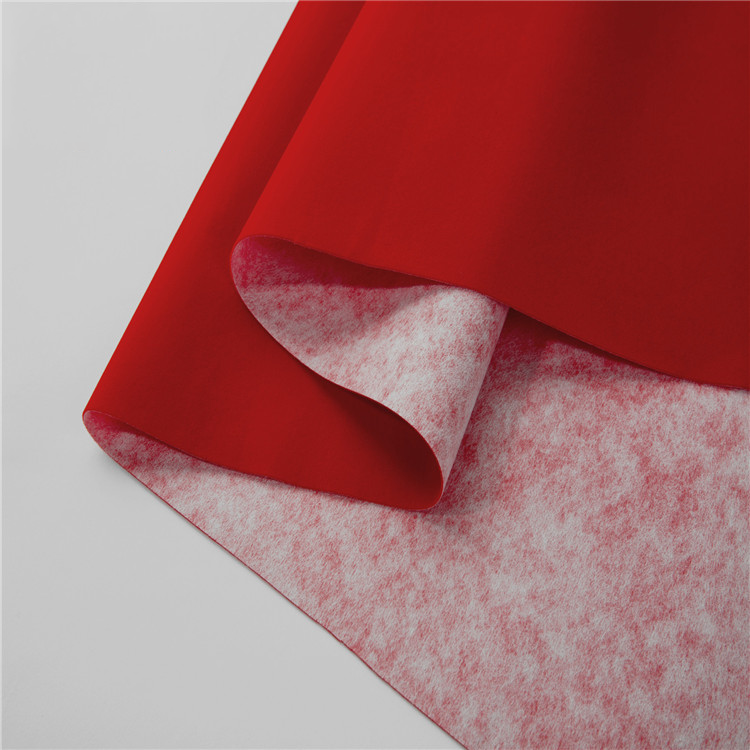
Manufacturers seeking an alternative to Self-Adhesive Flocking Fabric can consider paper-mounted or laminated flocking fabric, flocking made with GRS-certified recycled fibers, and emerging biodegradable materials. The adhesive formulation is also important. Water-based acrylic systems can reduce environmental impact because they contain no solvents, use low-VOC technology, and exclude phthalate plasticizers and organotin anti-mold agents.
Available Alternatives at a Glance
- Paper mounting or lamination provides a practical substitute when flocked fabric needs to be attached to paperboard or another prepared substrate.
- GRS-certified recycled polyester and nylon fibers offer an option for applications that require recycled content.
- Biodegradable flocking materials are currently being developed, with a stated goal of complete degradation within 180 days.
- Water-based acrylic adhesives support solvent-free flocking production with low VOC emissions and no phthalate plasticizers or organotin anti-mold agents.
How These Alternatives Work
Self-adhesive flocking fabric normally combines a velvet-like flocked surface with a pressure-sensitive adhesive layer for direct application. Paper mounting and lamination use a different construction method: the flocking fabric is bonded to paperboard or another substrate during a controlled manufacturing process. This approach is especially useful for packaging projects where the substrate can be prepared before the flocked material is applied.
Recycled Fiber Content
Replacing virgin fibers with recycled inputs can help improve the material profile of a flocking product. Mingqian Flocking offers applicable product lines made with GRS-certified recycled polyester and nylon fibers. Transaction Certificates can be provided upon request to support recycled-content verification.
Biodegradable Development
Biodegradable flocking is another potential replacement for conventional materials. According to the supplied product information, these materials remain under development and are intended to achieve complete degradation within 180 days. They should therefore be evaluated as a future-oriented option rather than a standard, broadly available product.
Lower-Impact Adhesive Technology
The adhesive layer can influence both manufacturing conditions and the final product profile. Mingqian Flocking describes its flocking adhesives as water-based acrylic formulations that are solvent-free and free from phthalate plasticizers and organotin anti-mold agents. Reported VOC emissions are below 10 milligrams per cubic meter, and the production facility uses an internal wastewater circulation and treatment system.
Application Considerations
For packaging, the best substitute depends on the required appearance, bonding process, substrate, and performance specifications. Plain velvet flocking is available on spunlace, silk, and cotton-rayon base fabrics. Listed processing options include paper mounting, hot pressing, gold stamping, and silk-screen printing. These materials can be used for packaging boxes, gift bags, drawstring pouches, and other packaging formats.
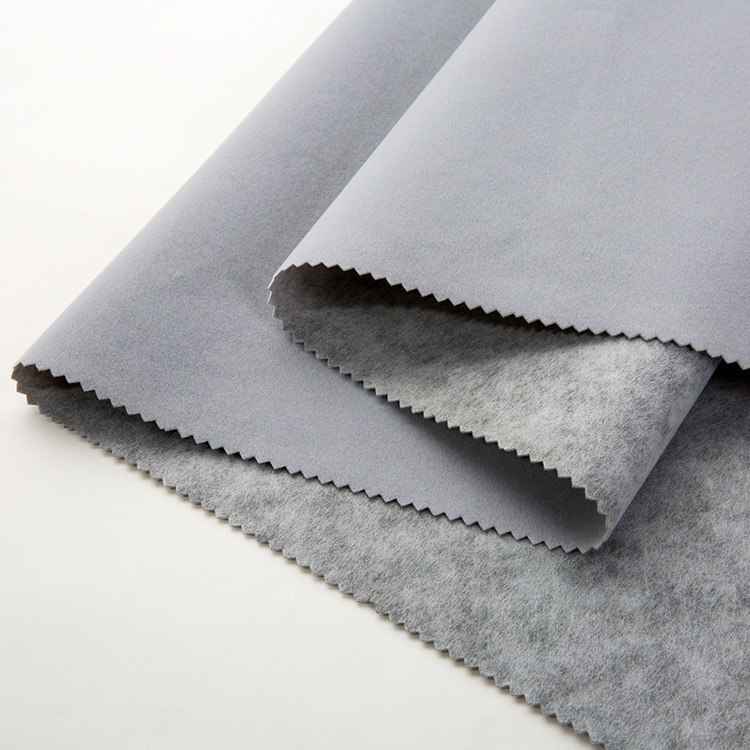
Compliance requirements should also be reviewed before changing materials. Mingqian Flocking holds ISO 9001 certification and Global Recycled Standard certification for applicable flocking fabrics made with recycled polyester and nylon fibers. SGS reports listed in the supplied information include REACH screening and RoHS 2.0 testing for relevant products and markets.
Different packaging products may require additional technical controls. Jewelry boxes may need limits for sulfur, pH, chloride ions, and volatile organic acids. Electronics packaging may require anti-static flocking with surface resistivity between 106 and 109 ohms. A replacement should therefore be validated against the substrate, bonding method, surface behavior, and destination-market regulations.
Alternative Comparison
| Alternative | Main characteristics | Application status |
|---|---|---|
| Paper-mounted or laminated flocking fabric | Attached to paperboard or another substrate through paper mounting or lamination | Available for packaging and other substrate-based applications |
| GRS recycled-fiber flocking fabric | Made with certified recycled polyester and nylon fibers; Transaction Certificates available upon request | Available where verified recycled content is needed |
| Biodegradable flocking material | Development-stage material targeting complete degradation within 180 days | Future-oriented option under development |
| Water-based acrylic adhesive system | Solvent-free, low in VOCs, and free from phthalate plasticizers and organotin anti-mold agents | Available for lower-impact flocking constructions |
Frequently Asked Questions
Can paper-mounted flocking replace Self-Adhesive Flocking Fabric?
Yes, when the design allows the flocking fabric to be bonded to paperboard or another substrate through a separate mounting or lamination process instead of using a pressure-sensitive adhesive backing.
Can recycled-fiber flocking fabric be sourced today?
Yes. Mingqian Flocking identifies GRS-certified recycled polyester and nylon fibers for applicable product lines, and Transaction Certificates are available upon request.
Is biodegradable flocking currently a standard material?
No. The supplied information describes biodegradable flocking as being under development, with a target of complete degradation within 180 days. Availability and performance should be confirmed for each project.
Conclusion
Paper-mounted or laminated flocking is the most direct replacement when packaging can accommodate a separate substrate-bonding process. GRS recycled-fiber flocking is appropriate when recycled content is a purchasing or compliance requirement, while biodegradable flocking represents a developing option for future applications. Water-based acrylic adhesives can further reduce the impact of the overall construction.
Mingqian Flocking provides OEM and ODM production, with a stated minimum order quantity of 1,000 yards and a 14-day delivery time for this business model. For technical assistance or customized solutions, contact 005@mingqianflocking.com.
About Mingqian Flocking
Guangdong Shunde Mingqian Flocking Co., Ltd., operating under the Mingqian brand, is a flocking fabric manufacturer based in Foshan City, Guangdong Province, China. Established in 2008, the company specializes in the research, development, manufacture, and sales of flocking fabrics. Its monthly production capacity exceeds 3,000,000 yards. The company holds ISO 9001 certification and Global Recycled Standard certification for applicable recycled-fiber flocking products and serves customers across multiple industries.

REPORT