







-
 Agriculture
-
 Health-Care
-
 Environment
-
 Construction-Real-Estate
-
 Tools-Hardware
-
 Home-Garden
-
 Furniture
-
 Luggage-Bags-Cases
-
 Medical-devices-Supplies
-
 Gifts-Crafts
-
 Sports-Entertainment
-
 Food-Beverage
-
 Vehicles-Transportation
-
 Power-Transmission
-
 Material-Handling
-
 Renewable-Energy
-
 Safety
-
 Testing-Instrument-Equipment
-
 Construction-Building-Machinery
-
 Pet-Supplies
-
 Personal-Care-Household-Cleaning
-
 Vehicle-Accessories-Electronics-Tools
-
 School-Office-Supplies
-
 Packaging-Printing
-
 Mother-Kids-Toys
-
 Business-Services
-
 Commercial-Equipment-Machinery
-
 Apparel-Accessories
-
 Security
-
 Shoes-Accessories
-
 Vehicle-Parts-Accessories
-
 Jewelry-Eyewear-Watches-Accessories
-
 Lights-Lighting
-
 Fabric-Textile-Raw-Material
-
 Fabrication-Services
-
 Industrial-Machinery
-
 Consumer-Electronics
-
 Electrical-Equipment-Supplies
-
 Electronic-Components-Accessories-Telecommunications
-
 Home-Appliances
-
 Beauty
-
 Chemicals
-
 Rubber-Plastics
-
 Metals-Alloys


























































































































































































































































































































































































































































































































































































- Masonry Materials
- Curtain Walls & Accessories
- Earthwork Products
- Fireproofing Materials
- Heat Insulation Materials
- Plastic Building Materials
- Building Boards
- Soundproofing Materials
- Timber
- Waterproofing Materials
- Balustrades & Handrails
- Bathroom & Kitchen
- Flooring & Accessories
- Tiles & Accessories
- Door, Window & Accessories
- Fireplaces & Stoves
- Floor Heating Systems & Parts
- Stairs & Stair Parts
- Ceilings
- Elevators & Escalators
- Stone
- Countertops, Vanity Tops & Table Tops
- Mosaics
- Metal Building Materials
- Multifunctional Materials
- Ladders & Scaffoldings
- Mouldings
- Corner Guards
- Decorative Films
- Formwork
- Building & Industrial Glass
- Other Construction & Real Estate
- Wallpapers/Wall panels
- HVAC System & Parts
- Outdoor Facilities
- Prefabricated Buildings
- Festive & Party Supplies
- Bathroom Products
- Household Sundries
- Rain Gear
- Garden Supplies
- Household Cleaning Tools & Accessories
- Lighters & Smoking Accessories
- Home Storage & Organization
- Household Scales
- Smart Home Improvement
- Home Textiles
- Kitchenware
- Drinkware & Accessories
- Dinnerware, Coffee & Wine
- Home Decor
- Golf
- Fitness & Body Building
- Amusement Park Facilities
- Billiards, Board Game,Coin Operated Games
- Musical Instruments
- Outdoor Affordable Luxury Sports
- Camping & Hiking
- Fishing
- Sports Safety&Rehabilitation
- Ball Sports Equipments
- Water Sports
- Winter Sports
- Luxury Travel Equipments
- Sports Shoes, Bags & Accessories
- Cycling
- Other Sports & Entertainment Products
- Artificial Grass&Sports Flooring&Sports Court Equipment
- Scooters
- Food Ingredients
- Honey & Honey Products
- Snacks
- Nuts & Kernels
- Seafood
- Plant & Animal Oil
- Beverages
- Fruit & Vegetable Products
- Frog & Escargot
- Bean Products
- Egg Products
- Dairy Products
- Seasonings & Condiments
- Canned Food
- Instant Food
- Baked Goods
- Other Food & Beverage
- Meat & Poultry
- Confectionery
- Grain Products
- Feminie Care
- Hair Care & Styling
- Body Care
- Hands & Feet Care
- Hygiene Products
- Men's Grooming
- Laundry Cleaning Supplies
- Travel Size & Gift Sets
- Room Deodorizers
- Other Personal Care Products
- Pest Control Products
- Special Household Cleaning
- Floor Cleaning
- Kitchen & Bathroom Cleaning
- Oral Care
- Bath Supplies
- Yellow Pages
- Correction Supplies
- Office Binding Supplies
- Office Cutting Supplies
- Board Erasers
- Office Adhesives & Tapes
- Education Supplies
- Pencil Cases & Bags
- Notebooks & Writing Pads
- File Folder Accessories
- Calendars
- Writing Accessories
- Commercial Office Supplies
- Pencil Sharpeners
- Pens
- Letter Pad/Paper
- Paper Envelopes
- Desk Organizers
- Pencils
- Markers & Highlighters
- Filing Products
- Art Supplies
- Easels
- Badge Holder & Accessories
- Office Paper
- Printer Supplies
- Book Covers
- Other Office & School Supplies
- Stationery Set
- Boards
- Clipboards
- Stamps
- Drafting Supplies
- Stencils
- Electronic Dictionary
- Books
- Map
- Magazines
- Calculators
- Baby & Toddler Toys
- Educational Toys
- Classic Toys
- Dress Up & Pretend Play
- Toy Vehicle
- Stuffed Animals & Plush Toys
- Outdoor Toys & Structures
- Balloons & Accessories
- Baby Food
- Children's Clothing
- Baby Supplies & Products
- Maternity Clothes
- Kids Shoes
- Baby Care
- Novelty & Gag Toys
- Dolls & Accessories
- Puzzle & Games
- Blocks & Model Building Toys
- Toddler Clothing
- Baby Clothing
- Kids' Luggage & Bags
- Arts, Crafts & DIY Toys
- Action & Toy Figures
- Baby Appliances
- Hobbies & Models
- Remote Control Toys
- Promotional Toys
- Pregnancy & Maternity
- Hygiene Products
- Kid's Textile&Bedding
- Novelty & Special Use
- Toy Weapons
- Baby Gifts
- Baby Storage & Organization
- Auto Drive Systems
- ATV/UTV Parts & Accessories
- Marine Parts & Accessories
- Other Auto Parts
- Trailer Parts & Accessories
- Auto Transmission Systems
- Train Parts & Accessories
- Universal Parts
- Railway Parts & Accessories
- Auto Brake Systems
- Aviation Parts & Accessories
- Truck Parts & Accessories
- Auto Suspension Systems
- Auto Lighting Systems
- New Energy Vehicle Parts & Accessories
- Auto Steering Systems
- Wheels, Tires & Accessories
- Bus Parts & Accessories
- Auto Performance Parts
- Cooling System
- Go-Kart & Kart Racer Parts & Accessories
- Air Conditioning Systems
- Heavy Duty Vehicle Parts & Accessories
- Auto Electrical Systems
- Auto Body Systems
- Auto Engine Systems
- Container Parts & Accessories
- Motorcycle Parts & Accessories
- Refrigeration & Heat Exchange Equipment
- Machine Tool Equipment
- Food & Beverage Machinery
- Agricultural Machinery & Equipment
- Apparel & Textile Machinery
- Chemical Machinery
- Packaging Machines
- Paper Production Machinery
- Plastic & Rubber Processing Machinery
- Industrial Robots
- Electronic Products Machinery
- Metal & Metallurgy Machinery
- Woodworking Machinery
- Home Product Manufacturing Machinery
- Machinery Accessories
- Environmental Machinery
- Machinery Service
- Electrical Equipment Manufacturing Machinery
- Industrial Compressors & Parts
- Tobacco & Cigarette Machinery
- Production Line
- Used Industrial Machinery
- Electronics Production Machinery
- Other Machinery & Industrial Equipment
- Camera, Photo & Accessories
- Portable Audio, Video & Accessories
- Television, Home Audio, Video & Accessories
- Video Games & Accessories
- Mobile Phone & Accessories
- Electronic Publications
- Earphone & Headphone & Accessories
- Speakers & Accessories
- Smart Electronics
- TV Receivers & Accessories
- Mobile Phone & Computer Repair Parts
- Chargers, Batteries & Power Supplies
- Used Electronics
- VR, AR, MR Hardware & Software
- Projectors & Presentation Equipments
- Other Consumer Electronics
- Cables & Commonly Used Accessories
- Computer Hardware & Software
- Displays, Signage and Optoelectronics
- Discrete Semiconductors
- Wireless & IoT Module and Products
- Telecommunications
- Connectors, Terminals & Accessories
- Development Boards, Electronic Modules and Kits
- Circuit Protection
- Sensors
- Isolators
- Audio Components and Products
- Integrated Circuits
- Power Supplies
- Relays
- RF, Microwave and RFID
- Electronic Accessories & Supplies
- Passive Components
- PCB & PCBA
- Air Quality Appliances
- Home Appliance Parts
- Heating & Cooling Appliances
- Small Kitchen Appliances
- Laundry Appliances
- Water Heaters
- Water Treatment Appliances
- Refrigerators & Freezers
- Personal Care & Beauty Appliances
- Major Kitchen Appliances
- Cleaning Appliances
- Second-hand Appliances
- Smart Home Appliances
- Other Home Appliances
- Energy Chemicals
- Inorganic Chemicals
- Basic Organic Chemicals
- Agrochemicals
- Admixture & Additives
- Catalysts & Chemical Auxiliary Agents
- Pigments & Dyestuff
- Coating & Paint
- Daily Chemicals
- Polymer
- Organic Intermediate
- Adhesives & Sealants
- Chemical Waste
- Biological Chemical Products
- Surface Treatment Chemicals
- Painting & Coating
- Chemical Reagents
- Flavor & Fragrance
- Non-Explosive Demolition Agents
- Other Chemicals
- Custom Chemical Services


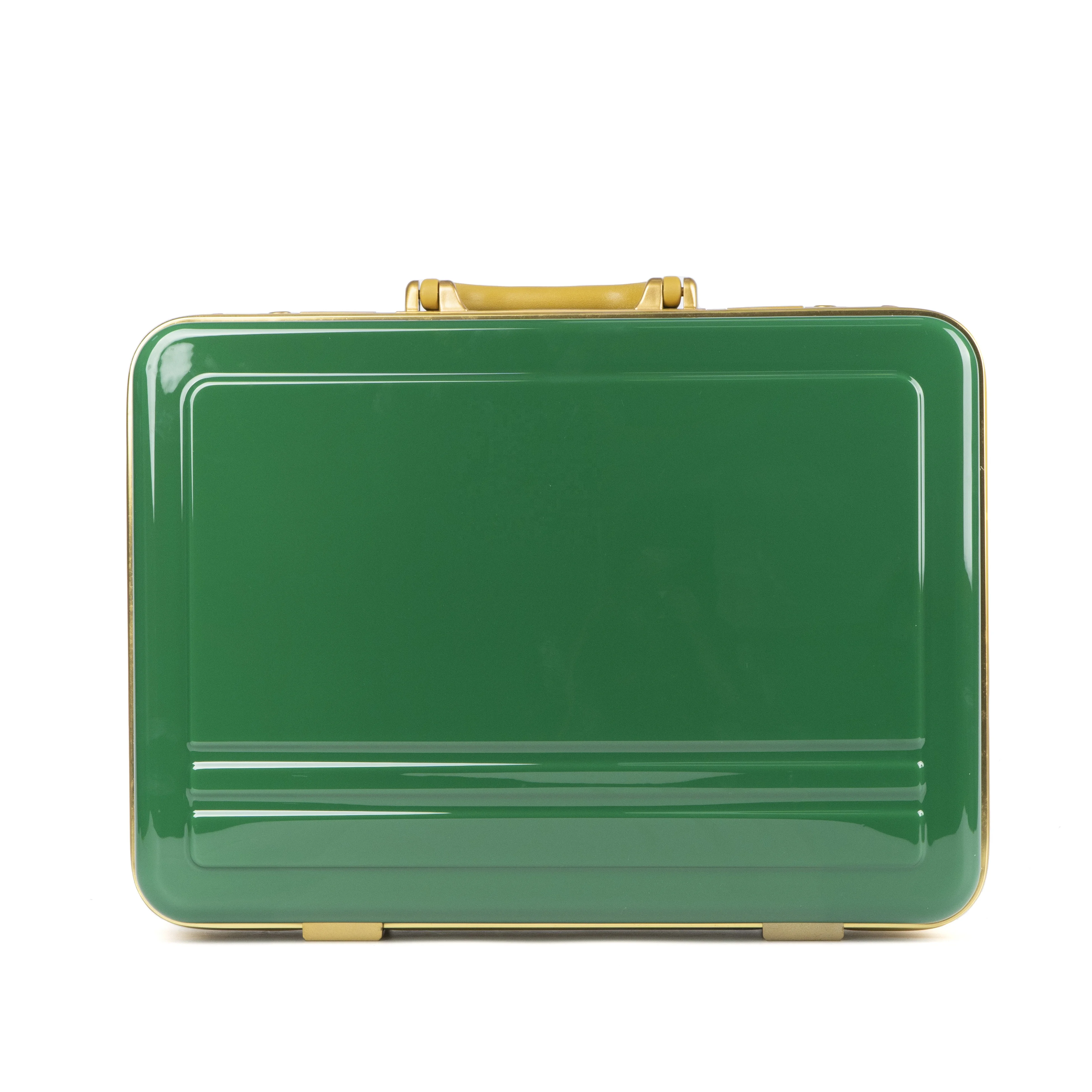
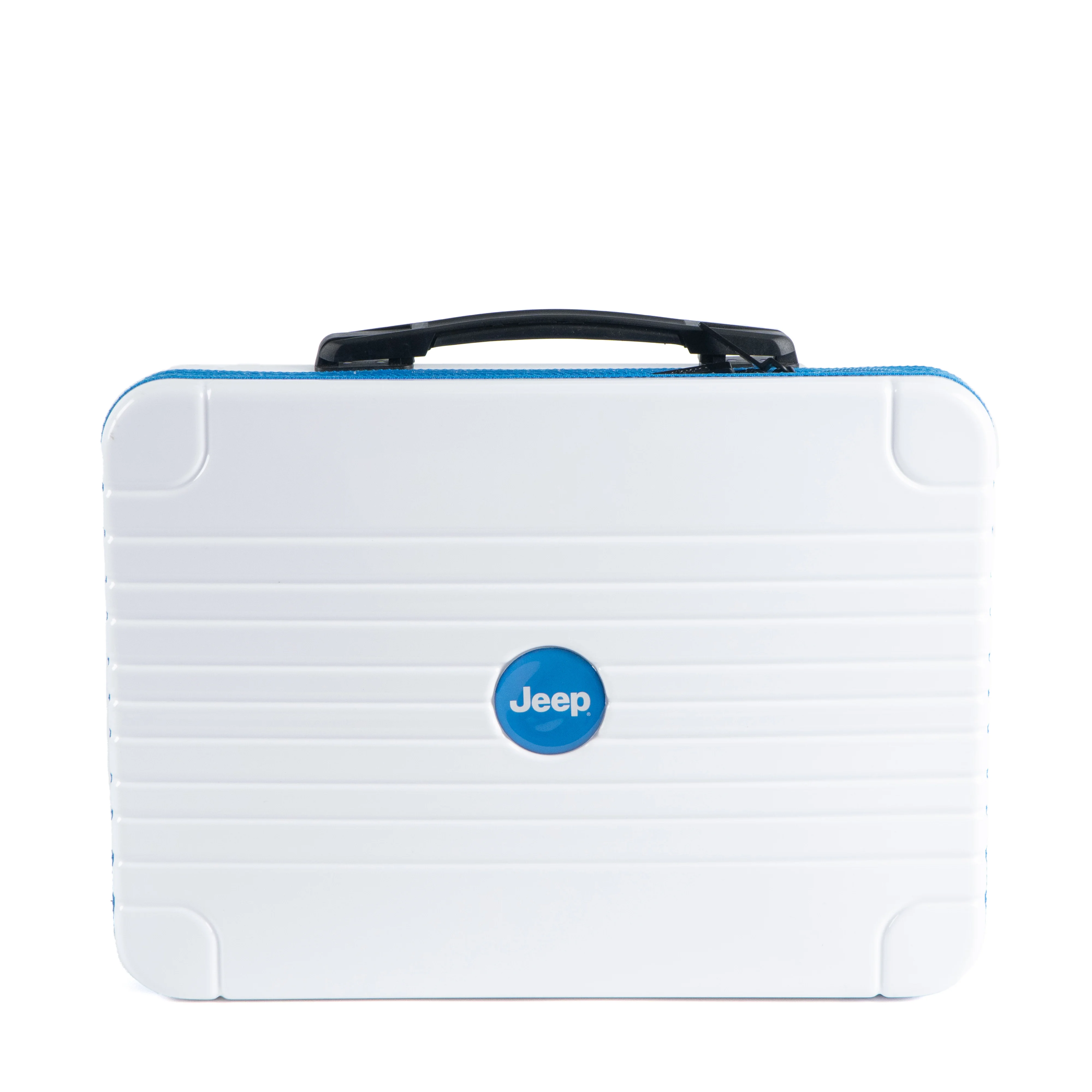
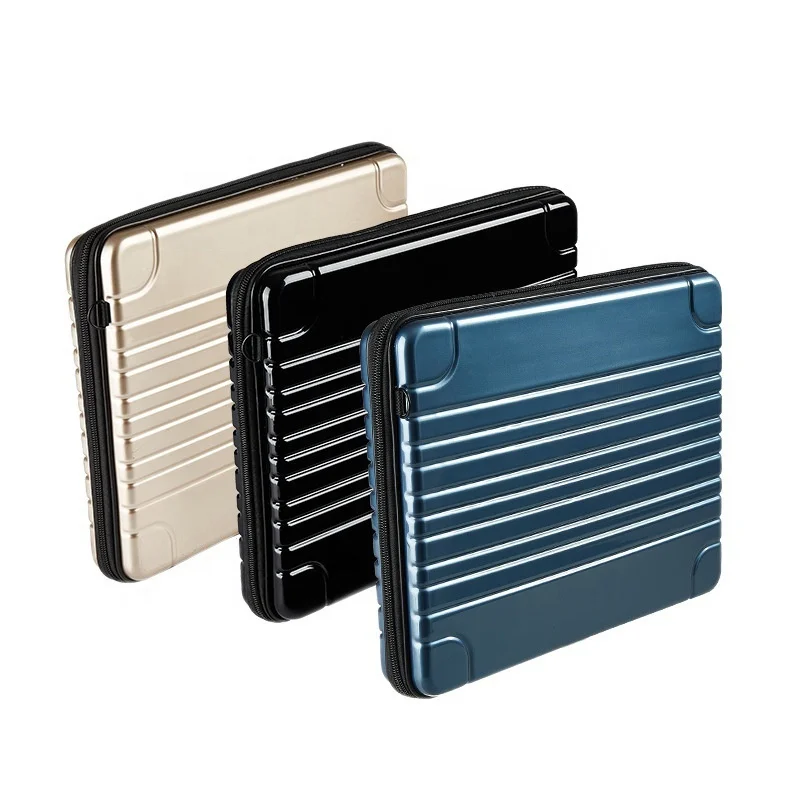
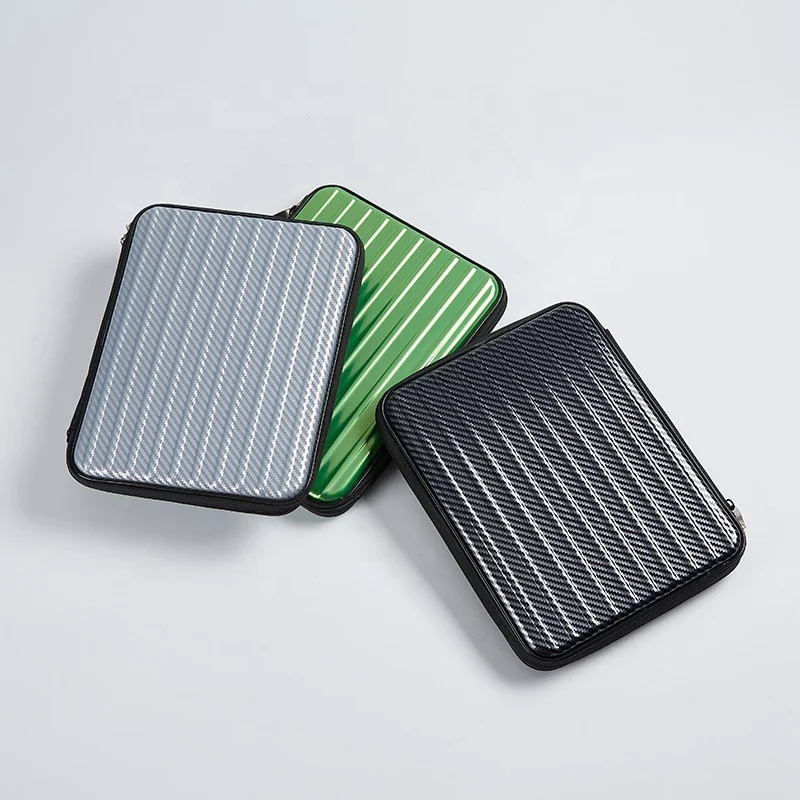
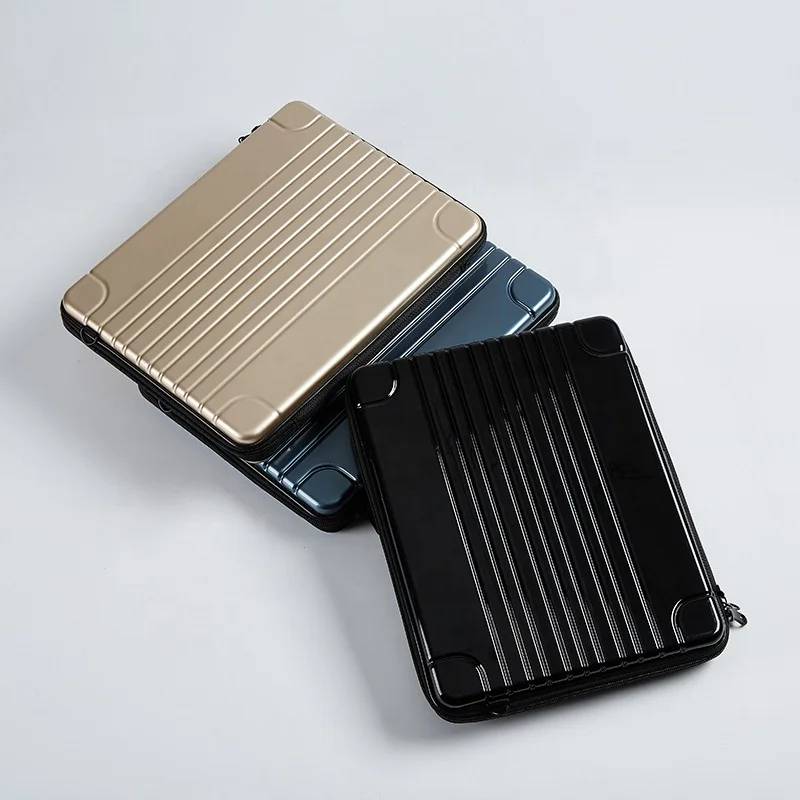
The high tech smart suitcase follows obediently behind its user through the busy airport terminal navigating autonomously with built in GPS tracking
Imagine navigating a bustling international airport: passengers rushing to gates, announcements echoing overhead, and a labyrinth of corridors stretching in every direction. Now, picture yourself walking hands-free, while your suitcase glides silently behind you like a loyal robotic companion, deftly avoiding obstacles and keeping pace. This is no scene from science fiction; it is the reality offered by the latest generation of high-tech smart suitcases. These intelligent travel companions autonomously follow their users through crowded terminals, navigating with precision thanks to built-in GPS tracking and a suite of advanced sensors. For the modern traveler, perpetually juggling passports, phones, and boarding passes, such innovation promises to transform the stress of transit into a seamless, almost effortless experience. The convergence of robotics, artificial intelligence, and the Internet of Things has propelled luggage from a passive container into an active, intelligent travel partner, marking a significant leap in how we interact with everyday objects.
The Core Technology: How Autonomous Following Works
At the heart of the smart suitcase\'s obedient following capability is a sophisticated blend of hardware and software. The primary mechanism is a combination of computer vision and sensor fusion. A small camera, often paired with ultrasonic or infrared sensors, is mounted on the suitcase. This system continuously scans the environment, identifying and locking onto a specific visual signature—typically a small wearable tag or the user\'s legs—provided by the traveler. It creates a digital \"leash,\" maintaining a pre-set distance and adjusting its path in real-time.
Furthermore, inertial measurement units (IMUs) and wheel encoders work in tandem to provide precise locomotion control. The IMU tracks the suitcase\'s own movement, tilt, and acceleration, while the encoders measure the exact rotation of its wheels. This data allows the suitcase to calculate its position relative to the moving user and execute smooth turns, stops, and accelerations. The system is designed to be highly responsive, ensuring the suitcase can keep up with a user\'s changing speed and direction without colliding with other people or objects, even in dense, unpredictable airport crowds.
Beyond Following: The Power of Integrated GPS and Geofencing
While the follow-me function is the most visually striking feature, the integrated GPS tracking system adds a critical layer of intelligence and security. The suitcase\'s built-in GPS module allows it to know its precise geographical coordinates at all times. This capability serves multiple purposes. Firstly, it enables robust anti-theft functionality. Through a paired smartphone application, users can set up virtual boundaries, known as geofences. If the suitcase moves beyond a designated area—for instance, leaving the immediate vicinity of the user—the owner receives an instant alert on their phone.
Secondly, GPS navigation transforms the suitcase from a follower into a guide. In expansive terminal complexes, users can input a destination, such as a specific gate or lounge, into the companion app. The suitcase can then calculate the optimal route and lead the way, with the user following behind. This autonomous navigation relies on detailed indoor mapping data, which is increasingly available in major transport hubs. This dual functionality—following and leading—makes the suitcase an adaptable tool for all stages of the airport journey, from check-in to boarding.
Design, Safety, and Practical Considerations
The engineering of such a device presents unique design challenges. Manufacturers must balance advanced robotics with the practical demands of air travel. The chassis must be lightweight yet durable enough to house batteries, motors, and electronic components without exceeding airline weight limits. The wheels are no longer simple casters; they are motorized, omnidirectional drivetrains that allow for agile movement in any direction. Battery life is a paramount concern, with most models offering sufficient charge for a full day of travel and removable battery packs that comply with aviation regulations.
Safety and social etiquette are also crucial design parameters. The suitcase\'s obstacle avoidance algorithms must be flawless to prevent it from bumping into children, the elderly, or other luggage. Many models feature multiple safety tiers, including automatic full-stop mechanisms when an obstacle is too close. Furthermore, the follow distance and speed are user-adjustable to suit different environments, ensuring the suitcase behaves predictably and politely in shared public spaces. The audible and visual signals it emits when maneuvering also help communicate its intentions to nearby people.
The Broader Impact and Future of Connected Travel
The advent of the autonomous smart suitcase is more than a novelty; it signifies a shift towards a more connected and intelligent travel ecosystem. It represents a key application of the Internet of Things (IoT) in personal mobility, where everyday items become data-aware and capable of independent action. For travelers with disabilities or reduced mobility, such technology can offer newfound independence, reducing the physical strain of navigating airports.
Looking forward, the potential integrations are vast. Future iterations could interface directly with airline systems for automated check-in and bag drop, or use biometric data for owner identification. They could communicate with other smart devices in the \"smart airport,\" receiving real-time gate change updates and rerouting themselves accordingly. As artificial intelligence continues to advance, these suitcases may learn individual user preferences, optimizing their following behavior and route choices. The obedient suitcase following its user today is a pioneering step toward a future where our possessions are not just carried, but actively collaborate with us to simplify our journeys, turning the chaos of travel into a streamlined, technologically assisted experience.
REPORT