







-
 Agriculture
-
 Health-Care
-
 Environment
-
 Construction-Real-Estate
-
 Tools-Hardware
-
 Home-Garden
-
 Furniture
-
 Luggage-Bags-Cases
-
 Medical-devices-Supplies
-
 Gifts-Crafts
-
 Sports-Entertainment
-
 Food-Beverage
-
 Vehicles-Transportation
-
 Power-Transmission
-
 Material-Handling
-
 Renewable-Energy
-
 Safety
-
 Testing-Instrument-Equipment
-
 Construction-Building-Machinery
-
 Pet-Supplies
-
 Personal-Care-Household-Cleaning
-
 Vehicle-Accessories-Electronics-Tools
-
 School-Office-Supplies
-
 Packaging-Printing
-
 Mother-Kids-Toys
-
 Business-Services
-
 Commercial-Equipment-Machinery
-
 Apparel-Accessories
-
 Security
-
 Shoes-Accessories
-
 Vehicle-Parts-Accessories
-
 Jewelry-Eyewear-Watches-Accessories
-
 Lights-Lighting
-
 Fabric-Textile-Raw-Material
-
 Fabrication-Services
-
 Industrial-Machinery
-
 Consumer-Electronics
-
 Electrical-Equipment-Supplies
-
 Electronic-Components-Accessories-Telecommunications
-
 Home-Appliances
-
 Beauty
-
 Chemicals
-
 Rubber-Plastics
-
 Metals-Alloys


























































































































































































































































































































































































































































































































































































- Masonry Materials
- Curtain Walls & Accessories
- Earthwork Products
- Fireproofing Materials
- Heat Insulation Materials
- Plastic Building Materials
- Building Boards
- Soundproofing Materials
- Timber
- Waterproofing Materials
- Balustrades & Handrails
- Bathroom & Kitchen
- Flooring & Accessories
- Tiles & Accessories
- Door, Window & Accessories
- Fireplaces & Stoves
- Floor Heating Systems & Parts
- Stairs & Stair Parts
- Ceilings
- Elevators & Escalators
- Stone
- Countertops, Vanity Tops & Table Tops
- Mosaics
- Metal Building Materials
- Multifunctional Materials
- Ladders & Scaffoldings
- Mouldings
- Corner Guards
- Decorative Films
- Formwork
- Building & Industrial Glass
- Other Construction & Real Estate
- Wallpapers/Wall panels
- HVAC System & Parts
- Outdoor Facilities
- Prefabricated Buildings
- Festive & Party Supplies
- Bathroom Products
- Household Sundries
- Rain Gear
- Garden Supplies
- Household Cleaning Tools & Accessories
- Lighters & Smoking Accessories
- Home Storage & Organization
- Household Scales
- Smart Home Improvement
- Home Textiles
- Kitchenware
- Drinkware & Accessories
- Dinnerware, Coffee & Wine
- Home Decor
- Golf
- Fitness & Body Building
- Amusement Park Facilities
- Billiards, Board Game,Coin Operated Games
- Musical Instruments
- Outdoor Affordable Luxury Sports
- Camping & Hiking
- Fishing
- Sports Safety&Rehabilitation
- Ball Sports Equipments
- Water Sports
- Winter Sports
- Luxury Travel Equipments
- Sports Shoes, Bags & Accessories
- Cycling
- Other Sports & Entertainment Products
- Artificial Grass&Sports Flooring&Sports Court Equipment
- Scooters
- Food Ingredients
- Honey & Honey Products
- Snacks
- Nuts & Kernels
- Seafood
- Plant & Animal Oil
- Beverages
- Fruit & Vegetable Products
- Frog & Escargot
- Bean Products
- Egg Products
- Dairy Products
- Seasonings & Condiments
- Canned Food
- Instant Food
- Baked Goods
- Other Food & Beverage
- Meat & Poultry
- Confectionery
- Grain Products
- Feminie Care
- Hair Care & Styling
- Body Care
- Hands & Feet Care
- Hygiene Products
- Men's Grooming
- Laundry Cleaning Supplies
- Travel Size & Gift Sets
- Room Deodorizers
- Other Personal Care Products
- Pest Control Products
- Special Household Cleaning
- Floor Cleaning
- Kitchen & Bathroom Cleaning
- Oral Care
- Bath Supplies
- Yellow Pages
- Correction Supplies
- Office Binding Supplies
- Office Cutting Supplies
- Board Erasers
- Office Adhesives & Tapes
- Education Supplies
- Pencil Cases & Bags
- Notebooks & Writing Pads
- File Folder Accessories
- Calendars
- Writing Accessories
- Commercial Office Supplies
- Pencil Sharpeners
- Pens
- Letter Pad/Paper
- Paper Envelopes
- Desk Organizers
- Pencils
- Markers & Highlighters
- Filing Products
- Art Supplies
- Easels
- Badge Holder & Accessories
- Office Paper
- Printer Supplies
- Book Covers
- Other Office & School Supplies
- Stationery Set
- Boards
- Clipboards
- Stamps
- Drafting Supplies
- Stencils
- Electronic Dictionary
- Books
- Map
- Magazines
- Calculators
- Baby & Toddler Toys
- Educational Toys
- Classic Toys
- Dress Up & Pretend Play
- Toy Vehicle
- Stuffed Animals & Plush Toys
- Outdoor Toys & Structures
- Balloons & Accessories
- Baby Food
- Children's Clothing
- Baby Supplies & Products
- Maternity Clothes
- Kids Shoes
- Baby Care
- Novelty & Gag Toys
- Dolls & Accessories
- Puzzle & Games
- Blocks & Model Building Toys
- Toddler Clothing
- Baby Clothing
- Kids' Luggage & Bags
- Arts, Crafts & DIY Toys
- Action & Toy Figures
- Baby Appliances
- Hobbies & Models
- Remote Control Toys
- Promotional Toys
- Pregnancy & Maternity
- Hygiene Products
- Kid's Textile&Bedding
- Novelty & Special Use
- Toy Weapons
- Baby Gifts
- Baby Storage & Organization
- Auto Drive Systems
- ATV/UTV Parts & Accessories
- Marine Parts & Accessories
- Other Auto Parts
- Trailer Parts & Accessories
- Auto Transmission Systems
- Train Parts & Accessories
- Universal Parts
- Railway Parts & Accessories
- Auto Brake Systems
- Aviation Parts & Accessories
- Truck Parts & Accessories
- Auto Suspension Systems
- Auto Lighting Systems
- New Energy Vehicle Parts & Accessories
- Auto Steering Systems
- Wheels, Tires & Accessories
- Bus Parts & Accessories
- Auto Performance Parts
- Cooling System
- Go-Kart & Kart Racer Parts & Accessories
- Air Conditioning Systems
- Heavy Duty Vehicle Parts & Accessories
- Auto Electrical Systems
- Auto Body Systems
- Auto Engine Systems
- Container Parts & Accessories
- Motorcycle Parts & Accessories
- Refrigeration & Heat Exchange Equipment
- Machine Tool Equipment
- Food & Beverage Machinery
- Agricultural Machinery & Equipment
- Apparel & Textile Machinery
- Chemical Machinery
- Packaging Machines
- Paper Production Machinery
- Plastic & Rubber Processing Machinery
- Industrial Robots
- Electronic Products Machinery
- Metal & Metallurgy Machinery
- Woodworking Machinery
- Home Product Manufacturing Machinery
- Machinery Accessories
- Environmental Machinery
- Machinery Service
- Electrical Equipment Manufacturing Machinery
- Industrial Compressors & Parts
- Tobacco & Cigarette Machinery
- Production Line
- Used Industrial Machinery
- Electronics Production Machinery
- Other Machinery & Industrial Equipment
- Camera, Photo & Accessories
- Portable Audio, Video & Accessories
- Television, Home Audio, Video & Accessories
- Video Games & Accessories
- Mobile Phone & Accessories
- Electronic Publications
- Earphone & Headphone & Accessories
- Speakers & Accessories
- Smart Electronics
- TV Receivers & Accessories
- Mobile Phone & Computer Repair Parts
- Chargers, Batteries & Power Supplies
- Used Electronics
- VR, AR, MR Hardware & Software
- Projectors & Presentation Equipments
- Other Consumer Electronics
- Cables & Commonly Used Accessories
- Computer Hardware & Software
- Displays, Signage and Optoelectronics
- Discrete Semiconductors
- Wireless & IoT Module and Products
- Telecommunications
- Connectors, Terminals & Accessories
- Development Boards, Electronic Modules and Kits
- Circuit Protection
- Sensors
- Isolators
- Audio Components and Products
- Integrated Circuits
- Power Supplies
- Relays
- RF, Microwave and RFID
- Electronic Accessories & Supplies
- Passive Components
- PCB & PCBA
- Air Quality Appliances
- Home Appliance Parts
- Heating & Cooling Appliances
- Small Kitchen Appliances
- Laundry Appliances
- Water Heaters
- Water Treatment Appliances
- Refrigerators & Freezers
- Personal Care & Beauty Appliances
- Major Kitchen Appliances
- Cleaning Appliances
- Second-hand Appliances
- Smart Home Appliances
- Other Home Appliances
- Energy Chemicals
- Inorganic Chemicals
- Basic Organic Chemicals
- Agrochemicals
- Admixture & Additives
- Catalysts & Chemical Auxiliary Agents
- Pigments & Dyestuff
- Coating & Paint
- Daily Chemicals
- Polymer
- Organic Intermediate
- Adhesives & Sealants
- Chemical Waste
- Biological Chemical Products
- Surface Treatment Chemicals
- Painting & Coating
- Chemical Reagents
- Flavor & Fragrance
- Non-Explosive Demolition Agents
- Other Chemicals
- Custom Chemical Services

Understanding Freight Surcharge Responsibility in CIF Shipments of Industrial Metal and Glass Inks
When international buyers procure industrial printing supplies—such as specialized metal or glass inks, pad printing units, and screen printing machinery—selecting the right Incoterm dictates financial exposure. Under Cost, Insurance, and Freight (CIF) agreements, a common point of confusion arises: when unexpected destination charges hit, who is legally obligated to pay?
Financial Liability Breakdown Under CIF Terms
In a standard CIF transaction, responsibility shifts sharply upon vessel arrival at the destination port. While the seller covers origin fees, export documentation, primary ocean freight, and basic marine insurance, all expenses incurred after the vessel reaches the destination port fall squarely on the consignee (the buyer).
- Seller Responsibility: Factory-to-port inland transport, export clearance, main sea freight, and minimal transit insurance up to the agreed port of discharge.
- Buyer Responsibility: Terminal Handling Charges (THC) at destination, import customs clearance, local duties, demurrage/detention fees, and specialized hazmat inspection charges upon arrival.
Comparative Overview: Freight Cost Allocation Across Key Incoterms
To better understand how CIF contrasts with other international commercial terms, the matrix below details the assignment of typical shipping fees for industrial equipment and chemical supplies.
| Expense / Fee Category | CIF (Cost, Insurance & Freight) | FOB (Free on Board) | DDP (Delivered Duty Paid) |
|---|---|---|---|
| Origin Charges & Export Customs | Seller | Seller | Seller |
| Main Maritime Transport | Seller | Buyer | Seller |
| Destination Port Handling (THC) & Storage | Buyer | Buyer | Seller |
| Unscheduled Hazmat Verification / Demurrage | Buyer | Buyer | Seller |
Why Specialized Inks Incur Unexpected Port Surcharges
Industrial chemicals, including glass and metal printing inks, frequently trigger extra scrutiny from destination port authorities due to volatile chemical compounds or specific safety regulations. If local customs flag a shipment for hazmat verification, safety data compliance, or physical container inspections, the resulting daily storage charges and container detention fees belong to the buyer under CIF terms.
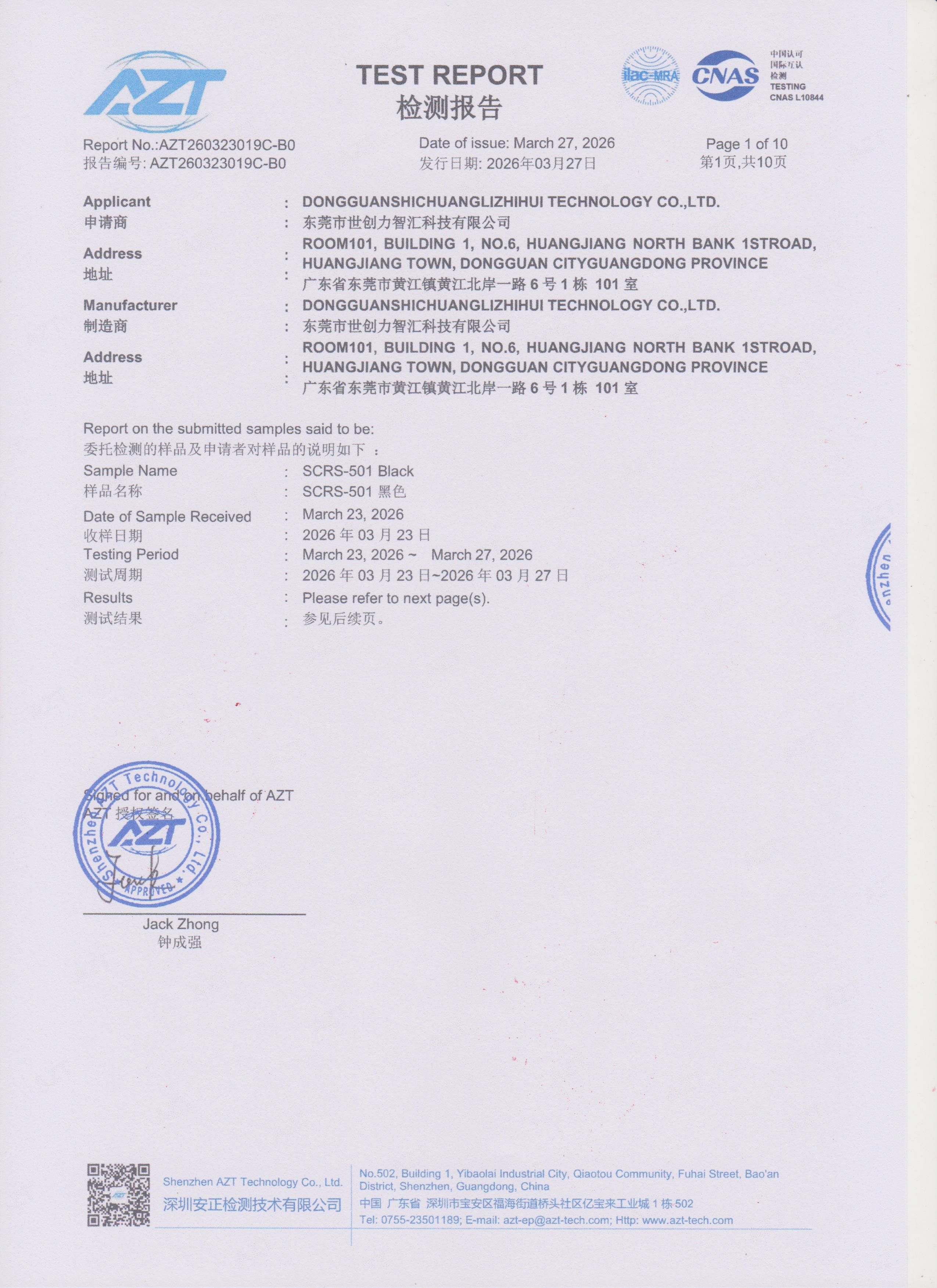
To mitigate these risks, sourcing from compliant manufacturers like Dongguan Shichuangli Zhihui Technology Co., Ltd. is essential. By providing fully verified ink formulations—such as CNAS-certified SCRS-501 Black and SC096-501 Black—importers avoid customs clearance holds that generate costly daily port penalties.
Strategies to Prevent Port Delays and Damage Disputes
Managing global procurement for specialized machinery and printing consumables requires proactive logistical measures:
1. Packaging Integrity
Cross-border transport subjects machinery and chemical containers to severe handling forces. Utilizing reinforced wooden packaging ensures structural safety during long-distance maritime transit, preventing port clearance rejections caused by leakage or physical damage.

High-precision setups—such as the Servo six-color transfer printing machine (Model SCL-SF/6S)—for international projects (e.g., supplying brand printing systems for luxury hotel suppliers in Saudi Arabia) depend on robust protective crating to arrive in operational condition without delay.
2. Extended Free Time Demurrage
Importers should request extended free-time container storage (e.g., 14 to 21 days) from shipping lines prior to dispatch to buffer against potential customs hold-ups.
3. Pre-Arrival Compliance Document Preparation
Securing complete Safety Data Sheets (MSDS), test reports, and Bills of Lading in advance enables early import filing before cargo discharges at the destination harbor.
Frequently Asked Questions (FAQ)
Q1: Who pays demurrage if hazmat inks are held by customs under CIF?
A1: The buyer is responsible. Under CIF terms, all destination port charges—including demurrage, container storage, and hazmat inspection fees resulting from customs holds—are billed directly to the consignee.
Q2: How can buyers lower the risk of unforeseen fees when importing printing machinery?
A2: Ensure all regulatory, MSDS, and certification documents (such as CNAS compliance) are verified before shipment, negotiate extended port free-time with carriers, and work with manufacturers offering standard export-grade packaging.
Q3: What logistics precautions protect machinery shipments across sea transport?
A3: Equipment and ink auxiliary supplies should be secured inside heavy-duty reinforced wooden packaging. Early transmission of tracking and shipping manifests allows buyers to finalize clearance before arrival.
Conclusion & Best Practices
While CIF terms offer convenient management of main ocean freight and insurance by the seller, buyers must budget for all destination-side expenses. Partnering with established suppliers that adhere to CNAS quality standards, provide rigorous export packaging, and maintain complete documentation drastically reduces port hold risks. Flexible payment structures and clear shipping workflows further aid in controlling global procurement costs. For technical support or inquiries, please contact us at support@shichuanglimachine.com.
About the Company
Dongguan Shichuangli Zhihui Technology Co., Ltd. is a premier manufacturer specializing in screen printing machines, pad printing systems, hot stamping equipment, and dedicated printing auxiliary materials. Established in 2008, the company operates a 1,600 m² modern manufacturing facility with an export ratio reaching 50%. Certified under CNAS and IECEx standards, the company serves international clients across consumer electronics, cosmetics packaging, automotive parts, and industrial production.

REPORT