







-
 Agriculture
-
 Health-Care
-
 Environment
-
 Construction-Real-Estate
-
 Tools-Hardware
-
 Home-Garden
-
 Furniture
-
 Luggage-Bags-Cases
-
 Medical-devices-Supplies
-
 Gifts-Crafts
-
 Sports-Entertainment
-
 Food-Beverage
-
 Vehicles-Transportation
-
 Power-Transmission
-
 Material-Handling
-
 Renewable-Energy
-
 Safety
-
 Testing-Instrument-Equipment
-
 Construction-Building-Machinery
-
 Pet-Supplies
-
 Personal-Care-Household-Cleaning
-
 Vehicle-Accessories-Electronics-Tools
-
 School-Office-Supplies
-
 Packaging-Printing
-
 Mother-Kids-Toys
-
 Business-Services
-
 Commercial-Equipment-Machinery
-
 Apparel-Accessories
-
 Security
-
 Shoes-Accessories
-
 Vehicle-Parts-Accessories
-
 Jewelry-Eyewear-Watches-Accessories
-
 Lights-Lighting
-
 Fabric-Textile-Raw-Material
-
 Fabrication-Services
-
 Industrial-Machinery
-
 Consumer-Electronics
-
 Electrical-Equipment-Supplies
-
 Electronic-Components-Accessories-Telecommunications
-
 Home-Appliances
-
 Beauty
-
 Chemicals
-
 Rubber-Plastics
-
 Metals-Alloys


























































































































































































































































































































































































































































































































































































- Masonry Materials
- Curtain Walls & Accessories
- Earthwork Products
- Fireproofing Materials
- Heat Insulation Materials
- Plastic Building Materials
- Building Boards
- Soundproofing Materials
- Timber
- Waterproofing Materials
- Balustrades & Handrails
- Bathroom & Kitchen
- Flooring & Accessories
- Tiles & Accessories
- Door, Window & Accessories
- Fireplaces & Stoves
- Floor Heating Systems & Parts
- Stairs & Stair Parts
- Ceilings
- Elevators & Escalators
- Stone
- Countertops, Vanity Tops & Table Tops
- Mosaics
- Metal Building Materials
- Multifunctional Materials
- Ladders & Scaffoldings
- Mouldings
- Corner Guards
- Decorative Films
- Formwork
- Building & Industrial Glass
- Other Construction & Real Estate
- Wallpapers/Wall panels
- HVAC System & Parts
- Outdoor Facilities
- Prefabricated Buildings
- Festive & Party Supplies
- Bathroom Products
- Household Sundries
- Rain Gear
- Garden Supplies
- Household Cleaning Tools & Accessories
- Lighters & Smoking Accessories
- Home Storage & Organization
- Household Scales
- Smart Home Improvement
- Home Textiles
- Kitchenware
- Drinkware & Accessories
- Dinnerware, Coffee & Wine
- Home Decor
- Golf
- Fitness & Body Building
- Amusement Park Facilities
- Billiards, Board Game,Coin Operated Games
- Musical Instruments
- Outdoor Affordable Luxury Sports
- Camping & Hiking
- Fishing
- Sports Safety&Rehabilitation
- Ball Sports Equipments
- Water Sports
- Winter Sports
- Luxury Travel Equipments
- Sports Shoes, Bags & Accessories
- Cycling
- Other Sports & Entertainment Products
- Artificial Grass&Sports Flooring&Sports Court Equipment
- Scooters
- Food Ingredients
- Honey & Honey Products
- Snacks
- Nuts & Kernels
- Seafood
- Plant & Animal Oil
- Beverages
- Fruit & Vegetable Products
- Frog & Escargot
- Bean Products
- Egg Products
- Dairy Products
- Seasonings & Condiments
- Canned Food
- Instant Food
- Baked Goods
- Other Food & Beverage
- Meat & Poultry
- Confectionery
- Grain Products
- Feminie Care
- Hair Care & Styling
- Body Care
- Hands & Feet Care
- Hygiene Products
- Men's Grooming
- Laundry Cleaning Supplies
- Travel Size & Gift Sets
- Room Deodorizers
- Other Personal Care Products
- Pest Control Products
- Special Household Cleaning
- Floor Cleaning
- Kitchen & Bathroom Cleaning
- Oral Care
- Bath Supplies
- Yellow Pages
- Correction Supplies
- Office Binding Supplies
- Office Cutting Supplies
- Board Erasers
- Office Adhesives & Tapes
- Education Supplies
- Pencil Cases & Bags
- Notebooks & Writing Pads
- File Folder Accessories
- Calendars
- Writing Accessories
- Commercial Office Supplies
- Pencil Sharpeners
- Pens
- Letter Pad/Paper
- Paper Envelopes
- Desk Organizers
- Pencils
- Markers & Highlighters
- Filing Products
- Art Supplies
- Easels
- Badge Holder & Accessories
- Office Paper
- Printer Supplies
- Book Covers
- Other Office & School Supplies
- Stationery Set
- Boards
- Clipboards
- Stamps
- Drafting Supplies
- Stencils
- Electronic Dictionary
- Books
- Map
- Magazines
- Calculators
- Baby & Toddler Toys
- Educational Toys
- Classic Toys
- Dress Up & Pretend Play
- Toy Vehicle
- Stuffed Animals & Plush Toys
- Outdoor Toys & Structures
- Balloons & Accessories
- Baby Food
- Children's Clothing
- Baby Supplies & Products
- Maternity Clothes
- Kids Shoes
- Baby Care
- Novelty & Gag Toys
- Dolls & Accessories
- Puzzle & Games
- Blocks & Model Building Toys
- Toddler Clothing
- Baby Clothing
- Kids' Luggage & Bags
- Arts, Crafts & DIY Toys
- Action & Toy Figures
- Baby Appliances
- Hobbies & Models
- Remote Control Toys
- Promotional Toys
- Pregnancy & Maternity
- Hygiene Products
- Kid's Textile&Bedding
- Novelty & Special Use
- Toy Weapons
- Baby Gifts
- Baby Storage & Organization
- Auto Drive Systems
- ATV/UTV Parts & Accessories
- Marine Parts & Accessories
- Other Auto Parts
- Trailer Parts & Accessories
- Auto Transmission Systems
- Train Parts & Accessories
- Universal Parts
- Railway Parts & Accessories
- Auto Brake Systems
- Aviation Parts & Accessories
- Truck Parts & Accessories
- Auto Suspension Systems
- Auto Lighting Systems
- New Energy Vehicle Parts & Accessories
- Auto Steering Systems
- Wheels, Tires & Accessories
- Bus Parts & Accessories
- Auto Performance Parts
- Cooling System
- Go-Kart & Kart Racer Parts & Accessories
- Air Conditioning Systems
- Heavy Duty Vehicle Parts & Accessories
- Auto Electrical Systems
- Auto Body Systems
- Auto Engine Systems
- Container Parts & Accessories
- Motorcycle Parts & Accessories
- Refrigeration & Heat Exchange Equipment
- Machine Tool Equipment
- Food & Beverage Machinery
- Agricultural Machinery & Equipment
- Apparel & Textile Machinery
- Chemical Machinery
- Packaging Machines
- Paper Production Machinery
- Plastic & Rubber Processing Machinery
- Industrial Robots
- Electronic Products Machinery
- Metal & Metallurgy Machinery
- Woodworking Machinery
- Home Product Manufacturing Machinery
- Machinery Accessories
- Environmental Machinery
- Machinery Service
- Electrical Equipment Manufacturing Machinery
- Industrial Compressors & Parts
- Tobacco & Cigarette Machinery
- Production Line
- Used Industrial Machinery
- Electronics Production Machinery
- Other Machinery & Industrial Equipment
- Camera, Photo & Accessories
- Portable Audio, Video & Accessories
- Television, Home Audio, Video & Accessories
- Video Games & Accessories
- Mobile Phone & Accessories
- Electronic Publications
- Earphone & Headphone & Accessories
- Speakers & Accessories
- Smart Electronics
- TV Receivers & Accessories
- Mobile Phone & Computer Repair Parts
- Chargers, Batteries & Power Supplies
- Used Electronics
- VR, AR, MR Hardware & Software
- Projectors & Presentation Equipments
- Other Consumer Electronics
- Cables & Commonly Used Accessories
- Computer Hardware & Software
- Displays, Signage and Optoelectronics
- Discrete Semiconductors
- Wireless & IoT Module and Products
- Telecommunications
- Connectors, Terminals & Accessories
- Development Boards, Electronic Modules and Kits
- Circuit Protection
- Sensors
- Isolators
- Audio Components and Products
- Integrated Circuits
- Power Supplies
- Relays
- RF, Microwave and RFID
- Electronic Accessories & Supplies
- Passive Components
- PCB & PCBA
- Air Quality Appliances
- Home Appliance Parts
- Heating & Cooling Appliances
- Small Kitchen Appliances
- Laundry Appliances
- Water Heaters
- Water Treatment Appliances
- Refrigerators & Freezers
- Personal Care & Beauty Appliances
- Major Kitchen Appliances
- Cleaning Appliances
- Second-hand Appliances
- Smart Home Appliances
- Other Home Appliances
- Energy Chemicals
- Inorganic Chemicals
- Basic Organic Chemicals
- Agrochemicals
- Admixture & Additives
- Catalysts & Chemical Auxiliary Agents
- Pigments & Dyestuff
- Coating & Paint
- Daily Chemicals
- Polymer
- Organic Intermediate
- Adhesives & Sealants
- Chemical Waste
- Biological Chemical Products
- Surface Treatment Chemicals
- Painting & Coating
- Chemical Reagents
- Flavor & Fragrance
- Non-Explosive Demolition Agents
- Other Chemicals
- Custom Chemical Services

Understanding Volume Discounts for Custom Polyurethane Auto Parts: Tier Breakdown & Pricing Dynamics
Procuring custom polyurethane (PU) automotive parts involves distinct price structures tied directly to production volume. For medium-sized orders of 100 to 1,000 components, buyers typically experience cost savings between 5% and 15%. When scaling to larger OEM volumes ranging from 1,000 to over 50,000 units per month, price breaks can reach 20% to 35%. These savings originate from amortized tooling costs, lower raw material prices through bulk purchasing, and streamlined mold cycle efficiencies during automated manufacturing runs.
Volume Pricing Tiers and Procurement Comparison
To assist automotive procurement managers in optimizing budget allocations and inventory planning, the following breakdown illustrates standard volume pricing brackets, typical turnarounds, and support services across different order scales.
| Order Bracket | Volume Range (Units) | Estimated Price Savings | Expected Lead Time | Logistics & Service Package |
|---|---|---|---|---|
| Tier 1: Sample & Low Volume | 1 – 100 | Standard Baseline (0%) | 2 – 5 Days | Express air transport, individual technical consultation, sample validation |
| Tier 2: Mid-Range Production | 100 – 1,000 | 5% – 15% Savings | 7 – 14 Days | Air freight / FBA sea shipping, material compliance tracking (RoHS & REACH) |
| Tier 3: Full OEM / High Volume | 1,000 – 50,000+ | 20% – 35% Savings | 15 – 25 Days | Sea/land freight solutions, full-lot quality testing, phased TT payment terms |
Key Insights Across Production Scales
- Small Batches (1–100 units): Priced at the standard baseline due to setup overhead, chemical pre-heating, sample validation, and individual quality control checks.
- Mid-Tier Orders (100–1,000 units): Deliver 5% to 15% unit cost reductions as mold setup expenses spread over more parts and reaction injection molding cycles stabilize.
- Mass Production (1,000+ units): Yield maximum savings of 20% to 35% through continuous chemical material feeding, automated dosing systems, and consolidated freight logistics.
- Application Versatility: Cost advantages apply across diverse self-skinning PU automotive components, such as steering wheels, armrests, dashboards, headrests, sun visors, engine gaskets, spoilers, and cable protection sheaths.
Manufacturing Mechanics Behind Polyurethane Volume Discounts
The cost structure of polyurethane auto components is heavily governed by equipment runtime continuity, material throughput, and thermal stability. In small-volume production, labor-intensive setup tasks—including chemical ratio calibration, pre-heating cycles, and mold preparation—raise the baseline expense per unit. As production volumes escalate, established manufacturers like Foshan City Heart to Heart Household Wares Manufacturer minimize machine idle time, balance chemical dosing efficiency, and maximize mold usage rates.
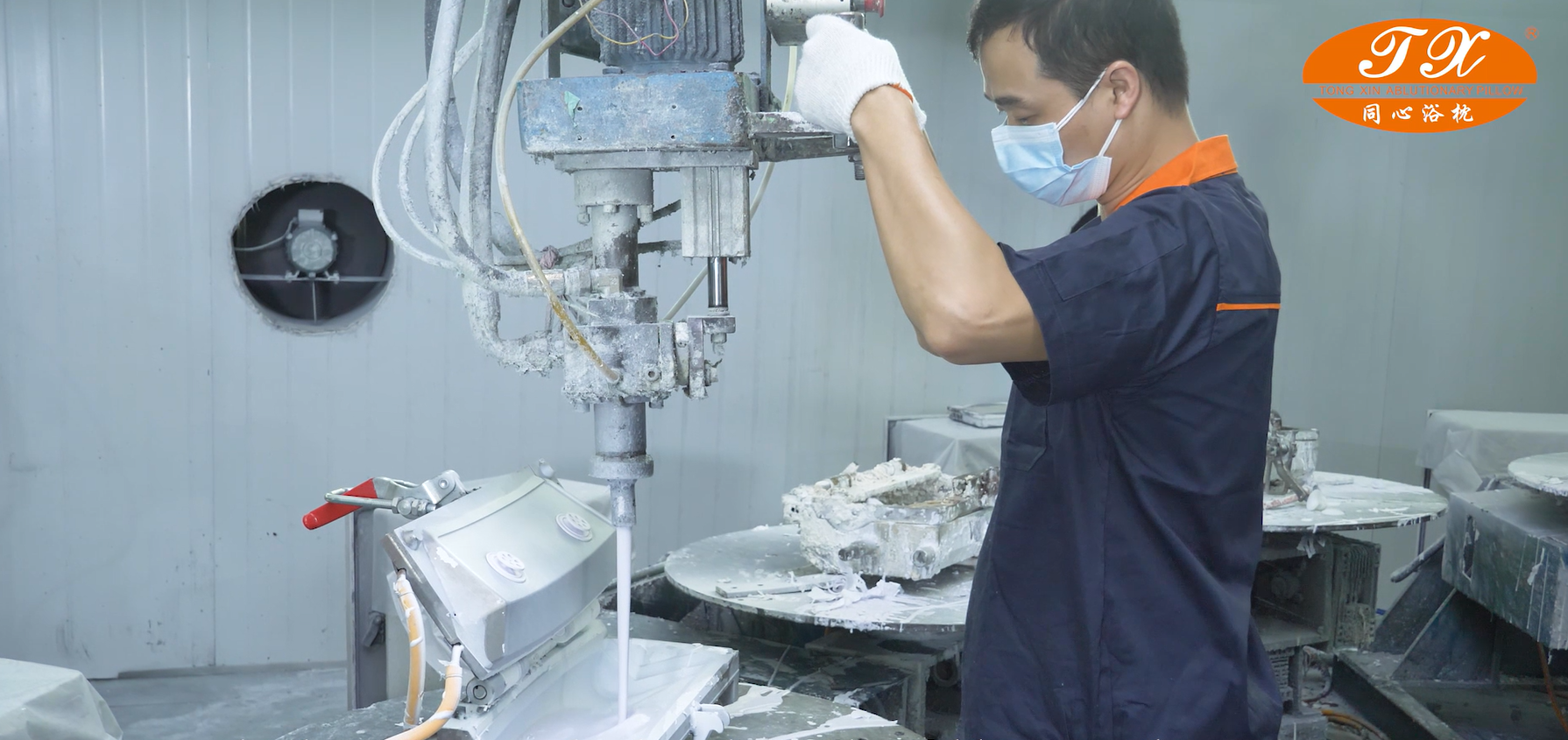
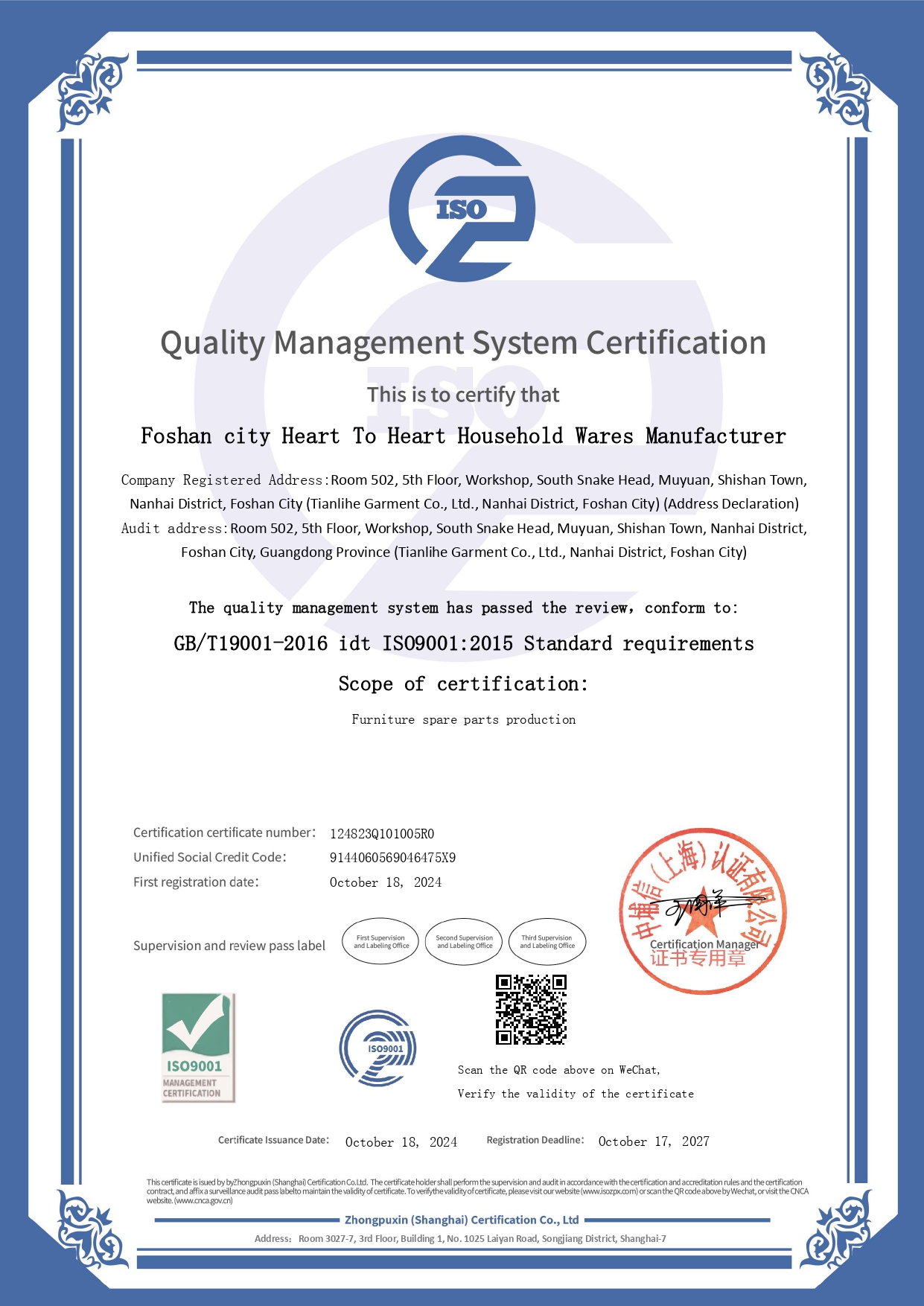
Manufacturing self-skinning automotive accessories—ranging from interior components like armrests and dashboards to exterior elements like spoilers, bumpers, and engine gaskets—demands strict thermal management and raw material consistency. Operating under ISO9001 quality system management guarantees that scaled production runs maintain consistent hydrolytic resistance, dimensional precision, and structural durability. Furthermore, clear supplier agreements safeguard bulk buyers against sudden chemical market price variations by instituting predictable pricing notice frameworks.
Frequently Asked Questions
What key variables drive volume threshold levels for PU auto parts?
Threshold tiers are determined by mold changeover speed, chemical batch mixing limits, and machine calibration times. Reaching larger batch thresholds reduces chemical waste and optimizes hourly machine throughput, enabling factories to pass operational savings directly to clients.
How do initial tooling fees influence overall unit costs across tiers?
Tooling and custom mold creation are fixed upfront investments. For lower volume orders, tooling costs represent a significant portion of each item's cost. For OEM-scale quantities, tooling expenses are spread across thousands of parts, dramatically lowering the final price per unit.
Do international standards such as RoHS and REACH impact volume pricing structures?
While compliance testing and eco-friendly raw material sourcing establish a uniform baseline cost, high-volume orders distribute testing and compliance overhead across a much larger product volume, yielding lower overall per-unit costs.
Strategic Procurement & Next Steps
To unlock optimal pricing on polyurethane auto components, buyers should align order volumes with factory capacity, select efficient freight modes like FBA sea or overland transport, and formulate clear long-term supply contracts. Balancing order sizing against inventory carrying costs allows automotive buyers to maximize cost savings. For custom technical consultations or inquiries, contact our engineering team directly at tongxin@tongxinyz.com.
About Our Manufacturing Capabilities
Foshan City Heart to Heart Household Wares Manufacturer is a specialized developer, manufacturer, and global exporter of high-grade self-skinning polyurethane (PU) components. Operating since 2002, our 5,000-square-meter production plant houses 30 to 50 skilled employees and yields a monthly output of up to 50,000 pieces. Certified under ISO9001, CE, SGS, REACH, and RoHS protocols, we supply premium automotive components, sanitary hardware, and tailored PU parts to client partners throughout North America, Europe, the Middle East, and Asia.

REPORT