







-
 Agriculture
-
 Health-Care
-
 Environment
-
 Construction-Real-Estate
-
 Tools-Hardware
-
 Home-Garden
-
 Furniture
-
 Luggage-Bags-Cases
-
 Medical-devices-Supplies
-
 Gifts-Crafts
-
 Sports-Entertainment
-
 Food-Beverage
-
 Vehicles-Transportation
-
 Power-Transmission
-
 Material-Handling
-
 Renewable-Energy
-
 Safety
-
 Testing-Instrument-Equipment
-
 Construction-Building-Machinery
-
 Pet-Supplies
-
 Personal-Care-Household-Cleaning
-
 Vehicle-Accessories-Electronics-Tools
-
 School-Office-Supplies
-
 Packaging-Printing
-
 Mother-Kids-Toys
-
 Business-Services
-
 Commercial-Equipment-Machinery
-
 Apparel-Accessories
-
 Security
-
 Shoes-Accessories
-
 Vehicle-Parts-Accessories
-
 Jewelry-Eyewear-Watches-Accessories
-
 Lights-Lighting
-
 Fabric-Textile-Raw-Material
-
 Fabrication-Services
-
 Industrial-Machinery
-
 Consumer-Electronics
-
 Electrical-Equipment-Supplies
-
 Electronic-Components-Accessories-Telecommunications
-
 Home-Appliances
-
 Beauty
-
 Chemicals
-
 Rubber-Plastics
-
 Metals-Alloys


























































































































































































































































































































































































































































































































































































- Masonry Materials
- Curtain Walls & Accessories
- Earthwork Products
- Fireproofing Materials
- Heat Insulation Materials
- Plastic Building Materials
- Building Boards
- Soundproofing Materials
- Timber
- Waterproofing Materials
- Balustrades & Handrails
- Bathroom & Kitchen
- Flooring & Accessories
- Tiles & Accessories
- Door, Window & Accessories
- Fireplaces & Stoves
- Floor Heating Systems & Parts
- Stairs & Stair Parts
- Ceilings
- Elevators & Escalators
- Stone
- Countertops, Vanity Tops & Table Tops
- Mosaics
- Metal Building Materials
- Multifunctional Materials
- Ladders & Scaffoldings
- Mouldings
- Corner Guards
- Decorative Films
- Formwork
- Building & Industrial Glass
- Other Construction & Real Estate
- Wallpapers/Wall panels
- HVAC System & Parts
- Outdoor Facilities
- Prefabricated Buildings
- Festive & Party Supplies
- Bathroom Products
- Household Sundries
- Rain Gear
- Garden Supplies
- Household Cleaning Tools & Accessories
- Lighters & Smoking Accessories
- Home Storage & Organization
- Household Scales
- Smart Home Improvement
- Home Textiles
- Kitchenware
- Drinkware & Accessories
- Dinnerware, Coffee & Wine
- Home Decor
- Golf
- Fitness & Body Building
- Amusement Park Facilities
- Billiards, Board Game,Coin Operated Games
- Musical Instruments
- Outdoor Affordable Luxury Sports
- Camping & Hiking
- Fishing
- Sports Safety&Rehabilitation
- Ball Sports Equipments
- Water Sports
- Winter Sports
- Luxury Travel Equipments
- Sports Shoes, Bags & Accessories
- Cycling
- Other Sports & Entertainment Products
- Artificial Grass&Sports Flooring&Sports Court Equipment
- Scooters
- Food Ingredients
- Honey & Honey Products
- Snacks
- Nuts & Kernels
- Seafood
- Plant & Animal Oil
- Beverages
- Fruit & Vegetable Products
- Frog & Escargot
- Bean Products
- Egg Products
- Dairy Products
- Seasonings & Condiments
- Canned Food
- Instant Food
- Baked Goods
- Other Food & Beverage
- Meat & Poultry
- Confectionery
- Grain Products
- Feminie Care
- Hair Care & Styling
- Body Care
- Hands & Feet Care
- Hygiene Products
- Men's Grooming
- Laundry Cleaning Supplies
- Travel Size & Gift Sets
- Room Deodorizers
- Other Personal Care Products
- Pest Control Products
- Special Household Cleaning
- Floor Cleaning
- Kitchen & Bathroom Cleaning
- Oral Care
- Bath Supplies
- Yellow Pages
- Correction Supplies
- Office Binding Supplies
- Office Cutting Supplies
- Board Erasers
- Office Adhesives & Tapes
- Education Supplies
- Pencil Cases & Bags
- Notebooks & Writing Pads
- File Folder Accessories
- Calendars
- Writing Accessories
- Commercial Office Supplies
- Pencil Sharpeners
- Pens
- Letter Pad/Paper
- Paper Envelopes
- Desk Organizers
- Pencils
- Markers & Highlighters
- Filing Products
- Art Supplies
- Easels
- Badge Holder & Accessories
- Office Paper
- Printer Supplies
- Book Covers
- Other Office & School Supplies
- Stationery Set
- Boards
- Clipboards
- Stamps
- Drafting Supplies
- Stencils
- Electronic Dictionary
- Books
- Map
- Magazines
- Calculators
- Baby & Toddler Toys
- Educational Toys
- Classic Toys
- Dress Up & Pretend Play
- Toy Vehicle
- Stuffed Animals & Plush Toys
- Outdoor Toys & Structures
- Balloons & Accessories
- Baby Food
- Children's Clothing
- Baby Supplies & Products
- Maternity Clothes
- Kids Shoes
- Baby Care
- Novelty & Gag Toys
- Dolls & Accessories
- Puzzle & Games
- Blocks & Model Building Toys
- Toddler Clothing
- Baby Clothing
- Kids' Luggage & Bags
- Arts, Crafts & DIY Toys
- Action & Toy Figures
- Baby Appliances
- Hobbies & Models
- Remote Control Toys
- Promotional Toys
- Pregnancy & Maternity
- Hygiene Products
- Kid's Textile&Bedding
- Novelty & Special Use
- Toy Weapons
- Baby Gifts
- Baby Storage & Organization
- Auto Drive Systems
- ATV/UTV Parts & Accessories
- Marine Parts & Accessories
- Other Auto Parts
- Trailer Parts & Accessories
- Auto Transmission Systems
- Train Parts & Accessories
- Universal Parts
- Railway Parts & Accessories
- Auto Brake Systems
- Aviation Parts & Accessories
- Truck Parts & Accessories
- Auto Suspension Systems
- Auto Lighting Systems
- New Energy Vehicle Parts & Accessories
- Auto Steering Systems
- Wheels, Tires & Accessories
- Bus Parts & Accessories
- Auto Performance Parts
- Cooling System
- Go-Kart & Kart Racer Parts & Accessories
- Air Conditioning Systems
- Heavy Duty Vehicle Parts & Accessories
- Auto Electrical Systems
- Auto Body Systems
- Auto Engine Systems
- Container Parts & Accessories
- Motorcycle Parts & Accessories
- Refrigeration & Heat Exchange Equipment
- Machine Tool Equipment
- Food & Beverage Machinery
- Agricultural Machinery & Equipment
- Apparel & Textile Machinery
- Chemical Machinery
- Packaging Machines
- Paper Production Machinery
- Plastic & Rubber Processing Machinery
- Industrial Robots
- Electronic Products Machinery
- Metal & Metallurgy Machinery
- Woodworking Machinery
- Home Product Manufacturing Machinery
- Machinery Accessories
- Environmental Machinery
- Machinery Service
- Electrical Equipment Manufacturing Machinery
- Industrial Compressors & Parts
- Tobacco & Cigarette Machinery
- Production Line
- Used Industrial Machinery
- Electronics Production Machinery
- Other Machinery & Industrial Equipment
- Camera, Photo & Accessories
- Portable Audio, Video & Accessories
- Television, Home Audio, Video & Accessories
- Video Games & Accessories
- Mobile Phone & Accessories
- Electronic Publications
- Earphone & Headphone & Accessories
- Speakers & Accessories
- Smart Electronics
- TV Receivers & Accessories
- Mobile Phone & Computer Repair Parts
- Chargers, Batteries & Power Supplies
- Used Electronics
- VR, AR, MR Hardware & Software
- Projectors & Presentation Equipments
- Other Consumer Electronics
- Cables & Commonly Used Accessories
- Computer Hardware & Software
- Displays, Signage and Optoelectronics
- Discrete Semiconductors
- Wireless & IoT Module and Products
- Telecommunications
- Connectors, Terminals & Accessories
- Development Boards, Electronic Modules and Kits
- Circuit Protection
- Sensors
- Isolators
- Audio Components and Products
- Integrated Circuits
- Power Supplies
- Relays
- RF, Microwave and RFID
- Electronic Accessories & Supplies
- Passive Components
- PCB & PCBA
- Air Quality Appliances
- Home Appliance Parts
- Heating & Cooling Appliances
- Small Kitchen Appliances
- Laundry Appliances
- Water Heaters
- Water Treatment Appliances
- Refrigerators & Freezers
- Personal Care & Beauty Appliances
- Major Kitchen Appliances
- Cleaning Appliances
- Second-hand Appliances
- Smart Home Appliances
- Other Home Appliances
- Energy Chemicals
- Inorganic Chemicals
- Basic Organic Chemicals
- Agrochemicals
- Admixture & Additives
- Catalysts & Chemical Auxiliary Agents
- Pigments & Dyestuff
- Coating & Paint
- Daily Chemicals
- Polymer
- Organic Intermediate
- Adhesives & Sealants
- Chemical Waste
- Biological Chemical Products
- Surface Treatment Chemicals
- Painting & Coating
- Chemical Reagents
- Flavor & Fragrance
- Non-Explosive Demolition Agents
- Other Chemicals
- Custom Chemical Services

Understanding Wholesale Electric Towel Rack Pricing: The Impact of Raw Material Volatility
Market Dynamics Shaping Electric Towel Rail Wholesale Costs
Fluctuations in raw material expenses play a decisive role in shaping wholesale quotes for electric towel warmers. From the grade of alloy used in structural framing to advanced carbon fiber heating cables and premium surface finishes, manufacturing expenses are directly tied to global commodity markets. While manufacturers initially absorb price shifts, prolonged inflation eventually alters FOB unit pricing, volume discount thresholds, and baseline OEM/ODM pricing tiers.
Breakdown of Core Material and Technology Cost Drivers
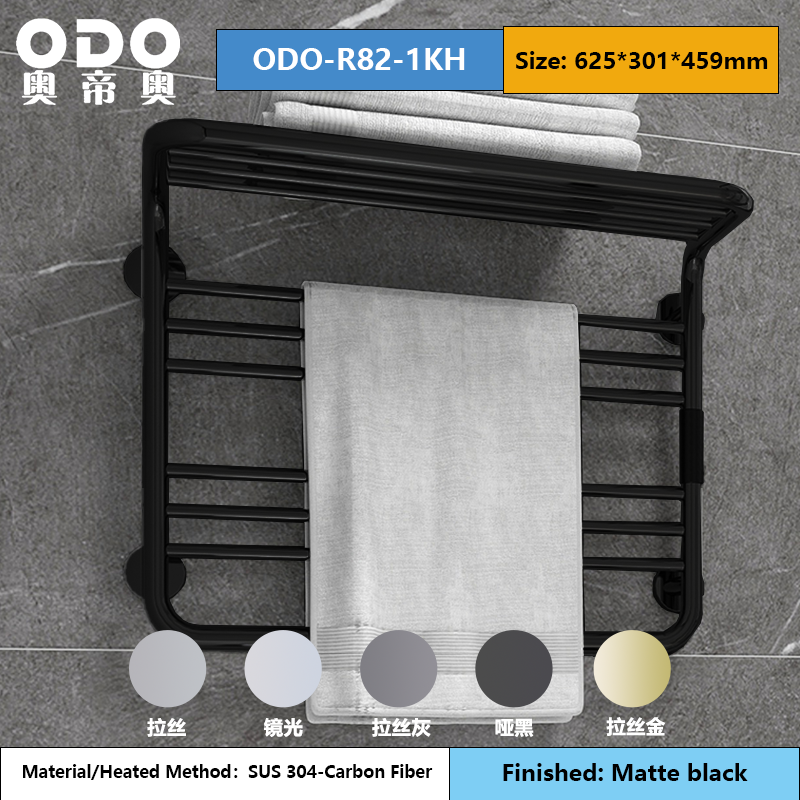
Understanding where capital is allocated during production is essential for B2B buyers navigating market shifts. Structural metal frames represent between 40% and 60% of direct production expenditures. For example, prominent manufacturers like Foshan Pinshi Sanitary Ware Co., Ltd. utilize high-grade 304 stainless steel due to its superior anti-corrosion properties and thermal performance. Consequently, shifts in global nickel, chromium, or iron ore prices directly push up tubing procurement costs, requiring precise budgeting for multi-rail models such as the ODO-R82-KH 6-rail design.
Heating element technology is another pivotal pricing factor. Contemporary units leverage dry carbon fiber wire heating operating at an efficient 50W rated power, moving away from legacy liquid-filled designs. Carbon fiber offers rapid heat output, steady thermostatic control (45-60°C), low energy usage (~0.05 kWh), and IP44 splash protection. However, specialized polymer and conductive fiber components remain subject to chemical market movements. Complying with certifications like CE-LVD (Certificate FTS22LC-8881S) and holding design patents (such as ODO-R6B-2) ensures robust product quality while requiring disciplined manufacturing efficiency.
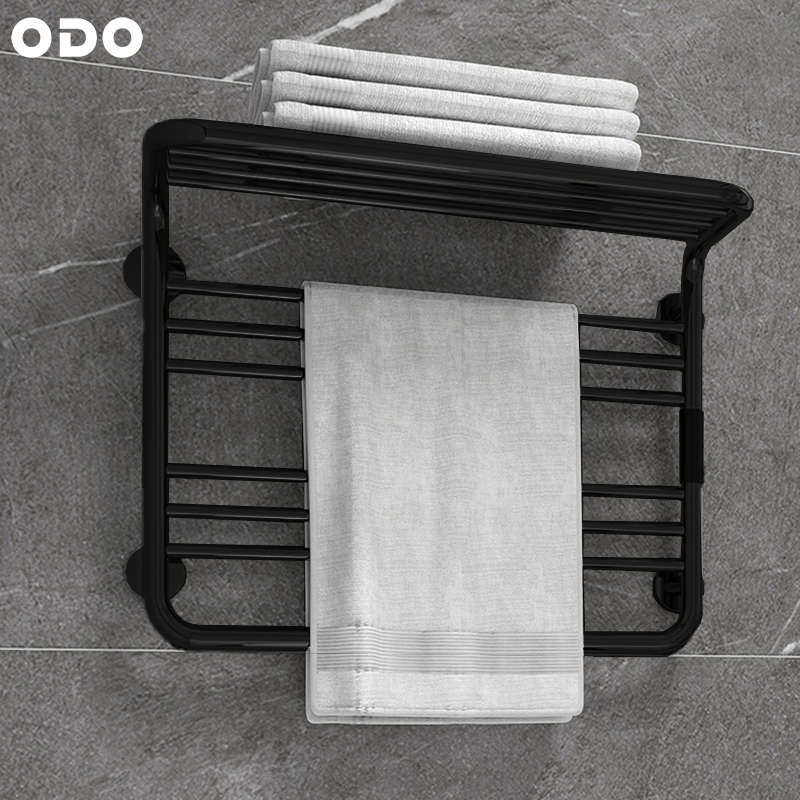
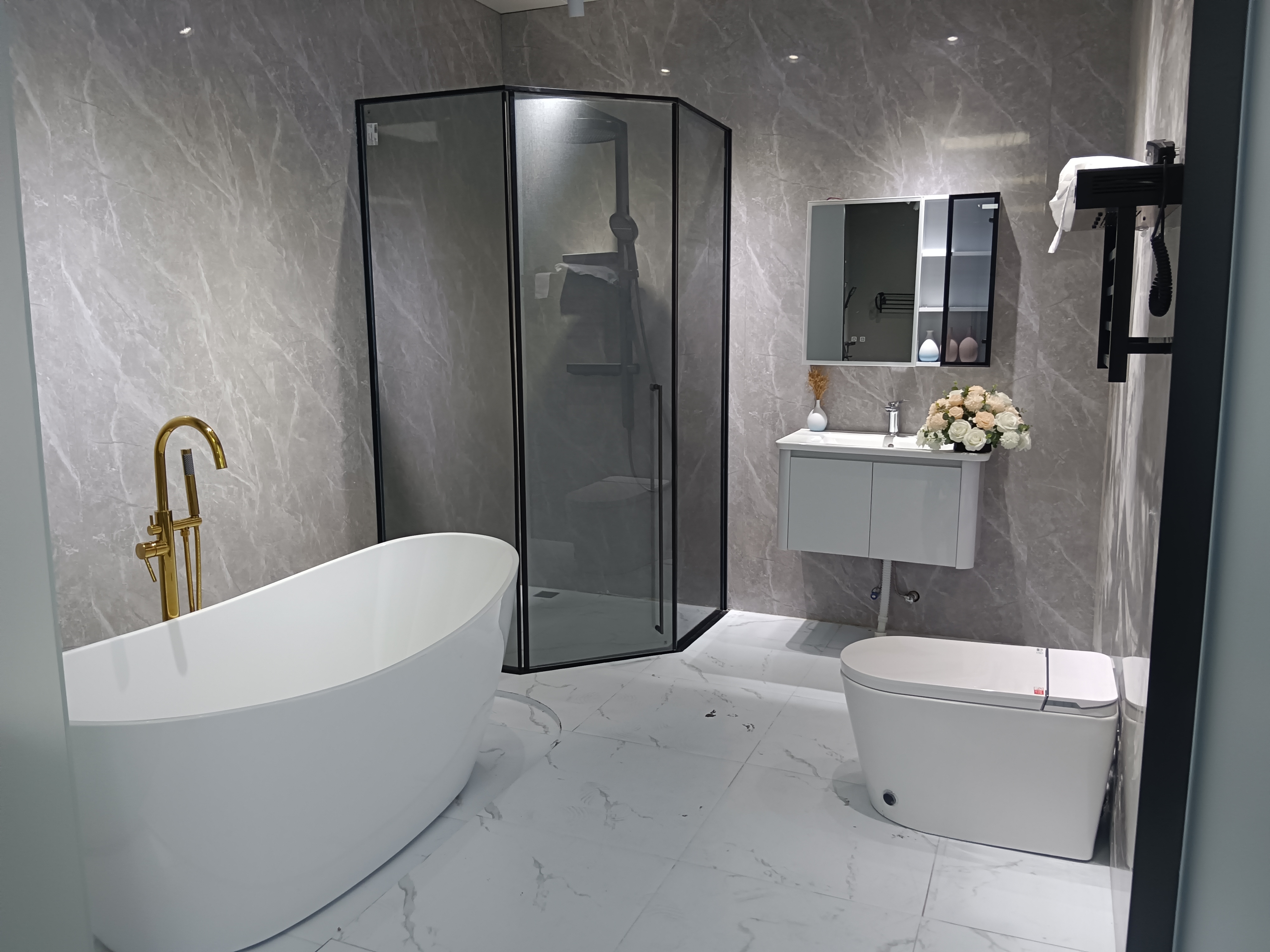
Finally, surface finishing choices introduce variable expenses tied to chemical and energy overheads. High-end finishes—including PVD gold/grey, matte black powder coating, chrome plating, and brushed metallic textures—depend on energy-intensive electroplating and baking processes. In large commercial ventures, such as the Dubai Palm Jumeirah 5-Star Hotel Project (380 smart heated towel racks) or the Warsaw Chain Hotel Renovation (260 units), maintaining finish consistency demands controlled batch production to curb finishing cost inflation.
Key Highlights for B2B Procurement
- Metal Grade Selection: Premium 304 stainless steel elevates baseline bill-of-materials (BOM) costs, directly linking unit price to global alloy indices.
- Sub-Assembly Circuitry & Heating Elements: Carbon fiber heating wires provide uniform warmth and efficiency, though raw chemical inputs influence core assembly expenses.
- Surface Treatment Overhead: Specialty PVD coatings, powder coatings, and electroplating processes fluctuate based on energy tariffs and coating material availability.
- Procurement Risk Mitigation: Securing fixed-price contracts and standardized specs stabilizes pricing for hospitality, SPA, and luxury residential project deployments.
Comparative Analysis: Standard vs. Premium Heated Rail Models
| Specification Parameter | Standard Stainless Steel Rail | ODO-R82-KH Premium Heated Rail | Material Cost Sensitivity |
|---|---|---|---|
| Structural Material | 201 / Low-Grade Steel | 304 Stainless Steel | High (Tied to global chromium/nickel rates) |
| Heating Element | Fluid Alloy Resistance Wire | Dry Carbon Fiber (50W) | Medium (Tied to specialty fiber supply) |
| Surface Finish Options | Basic Polish / Paint | Matte Black, PVD Gold/Grey, Chrome, Brushed | Medium-High (Tied to chemical & energy inputs) |
| Waterproof Rating | IP22 / Unrated | IP44 Waterproof Standard | Low (Standardized silicone seal assembly) |
| Surface Temperature | Uncontrolled / Variable | 45°C - 60°C Thermostatic Control | Low (Fixed electronic controller design) |
| Production MOQ | 100+ PCS | 50 PCS Standard MOQ | Directly affects volume raw material purchasing |
Frequently Asked Questions
How do raw material price shifts affect supplier minimum order quantities (MOQ)?
During material cost spikes, manufacturers typically preserve standard MOQ benchmarks (e.g., 50 PCS for ODO-R82-KH) while introducing tiered volume pricing to offset fixed setup and raw metal processing overhead.
Which engineering choices help mitigate raw material price exposure?
Adopting standardized wall-mount dimensions (such as 625*301*460mm), dry carbon fiber heating wire, and unified tube diameters maximizes material yield during CNC cutting, holding scrap rates below critical thresholds.
Do custom surface finishes impact lead times when raw material markets are volatile?
Specialized finishes require precise batch processing. While standard bulk orders typically span 20 to 45 days, locking in material allocations in advance safeguards delivery schedules against chemical input delays.
Conclusion & Recommendations for Commercial Buyers
To successfully navigate material price swings when sourcing wholesale electric towel racks, commercial buyers should partner with experienced manufacturers capable of optimizing raw material usage and advanced thermal engineering. Implementing dry carbon fiber elements within 304 stainless steel structures provides stable 50W energy efficiency and IP44 moisture protection while controlling unit costs. Commercial buyers are advised to establish structured OEM/ODM agreements with favorable payment terms (such as T/T 30% deposit + 70% balance or irrevocable L/C at sight) to hedge against pricing fluctuations. For inquiries or tailored technical support, please contact charlene@seosodo.com.
About Our Company
Foshan Pinshi Sanitary Ware Co., Ltd. (brand name ODO), founded in 2014, is a leading modern sanitary ware manufacturer operating a 20,000 square meter facility with over 200 skilled staff and 20 advanced production lines, delivering a monthly capacity of 100,000 units. The company enforces 14 rigorous QC checkpoints from incoming material checks to final packaging, supported by CE certifications and over 50 design patents. Serving global markets across Europe, North America, the Middle East, and Southeast Asia, ODO provides top-tier OEM/ODM solutions for international brands and major engineering projects.

REPORT