







-
 Agriculture
-
 Health-Care
-
 Environment
-
 Construction-Real-Estate
-
 Tools-Hardware
-
 Home-Garden
-
 Furniture
-
 Luggage-Bags-Cases
-
 Medical-devices-Supplies
-
 Gifts-Crafts
-
 Sports-Entertainment
-
 Food-Beverage
-
 Vehicles-Transportation
-
 Power-Transmission
-
 Material-Handling
-
 Renewable-Energy
-
 Safety
-
 Testing-Instrument-Equipment
-
 Construction-Building-Machinery
-
 Pet-Supplies
-
 Personal-Care-Household-Cleaning
-
 Vehicle-Accessories-Electronics-Tools
-
 School-Office-Supplies
-
 Packaging-Printing
-
 Mother-Kids-Toys
-
 Business-Services
-
 Commercial-Equipment-Machinery
-
 Apparel-Accessories
-
 Security
-
 Shoes-Accessories
-
 Vehicle-Parts-Accessories
-
 Jewelry-Eyewear-Watches-Accessories
-
 Lights-Lighting
-
 Fabric-Textile-Raw-Material
-
 Fabrication-Services
-
 Industrial-Machinery
-
 Consumer-Electronics
-
 Electrical-Equipment-Supplies
-
 Electronic-Components-Accessories-Telecommunications
-
 Home-Appliances
-
 Beauty
-
 Chemicals
-
 Rubber-Plastics
-
 Metals-Alloys


























































































































































































































































































































































































































































































































































































- Masonry Materials
- Curtain Walls & Accessories
- Earthwork Products
- Fireproofing Materials
- Heat Insulation Materials
- Plastic Building Materials
- Building Boards
- Soundproofing Materials
- Timber
- Waterproofing Materials
- Balustrades & Handrails
- Bathroom & Kitchen
- Flooring & Accessories
- Tiles & Accessories
- Door, Window & Accessories
- Fireplaces & Stoves
- Floor Heating Systems & Parts
- Stairs & Stair Parts
- Ceilings
- Elevators & Escalators
- Stone
- Countertops, Vanity Tops & Table Tops
- Mosaics
- Metal Building Materials
- Multifunctional Materials
- Ladders & Scaffoldings
- Mouldings
- Corner Guards
- Decorative Films
- Formwork
- Building & Industrial Glass
- Other Construction & Real Estate
- Wallpapers/Wall panels
- HVAC System & Parts
- Outdoor Facilities
- Prefabricated Buildings
- Festive & Party Supplies
- Bathroom Products
- Household Sundries
- Rain Gear
- Garden Supplies
- Household Cleaning Tools & Accessories
- Lighters & Smoking Accessories
- Home Storage & Organization
- Household Scales
- Smart Home Improvement
- Home Textiles
- Kitchenware
- Drinkware & Accessories
- Dinnerware, Coffee & Wine
- Home Decor
- Golf
- Fitness & Body Building
- Amusement Park Facilities
- Billiards, Board Game,Coin Operated Games
- Musical Instruments
- Outdoor Affordable Luxury Sports
- Camping & Hiking
- Fishing
- Sports Safety&Rehabilitation
- Ball Sports Equipments
- Water Sports
- Winter Sports
- Luxury Travel Equipments
- Sports Shoes, Bags & Accessories
- Cycling
- Other Sports & Entertainment Products
- Artificial Grass&Sports Flooring&Sports Court Equipment
- Scooters
- Food Ingredients
- Honey & Honey Products
- Snacks
- Nuts & Kernels
- Seafood
- Plant & Animal Oil
- Beverages
- Fruit & Vegetable Products
- Frog & Escargot
- Bean Products
- Egg Products
- Dairy Products
- Seasonings & Condiments
- Canned Food
- Instant Food
- Baked Goods
- Other Food & Beverage
- Meat & Poultry
- Confectionery
- Grain Products
- Feminie Care
- Hair Care & Styling
- Body Care
- Hands & Feet Care
- Hygiene Products
- Men's Grooming
- Laundry Cleaning Supplies
- Travel Size & Gift Sets
- Room Deodorizers
- Other Personal Care Products
- Pest Control Products
- Special Household Cleaning
- Floor Cleaning
- Kitchen & Bathroom Cleaning
- Oral Care
- Bath Supplies
- Yellow Pages
- Correction Supplies
- Office Binding Supplies
- Office Cutting Supplies
- Board Erasers
- Office Adhesives & Tapes
- Education Supplies
- Pencil Cases & Bags
- Notebooks & Writing Pads
- File Folder Accessories
- Calendars
- Writing Accessories
- Commercial Office Supplies
- Pencil Sharpeners
- Pens
- Letter Pad/Paper
- Paper Envelopes
- Desk Organizers
- Pencils
- Markers & Highlighters
- Filing Products
- Art Supplies
- Easels
- Badge Holder & Accessories
- Office Paper
- Printer Supplies
- Book Covers
- Other Office & School Supplies
- Stationery Set
- Boards
- Clipboards
- Stamps
- Drafting Supplies
- Stencils
- Electronic Dictionary
- Books
- Map
- Magazines
- Calculators
- Baby & Toddler Toys
- Educational Toys
- Classic Toys
- Dress Up & Pretend Play
- Toy Vehicle
- Stuffed Animals & Plush Toys
- Outdoor Toys & Structures
- Balloons & Accessories
- Baby Food
- Children's Clothing
- Baby Supplies & Products
- Maternity Clothes
- Kids Shoes
- Baby Care
- Novelty & Gag Toys
- Dolls & Accessories
- Puzzle & Games
- Blocks & Model Building Toys
- Toddler Clothing
- Baby Clothing
- Kids' Luggage & Bags
- Arts, Crafts & DIY Toys
- Action & Toy Figures
- Baby Appliances
- Hobbies & Models
- Remote Control Toys
- Promotional Toys
- Pregnancy & Maternity
- Hygiene Products
- Kid's Textile&Bedding
- Novelty & Special Use
- Toy Weapons
- Baby Gifts
- Baby Storage & Organization
- Auto Drive Systems
- ATV/UTV Parts & Accessories
- Marine Parts & Accessories
- Other Auto Parts
- Trailer Parts & Accessories
- Auto Transmission Systems
- Train Parts & Accessories
- Universal Parts
- Railway Parts & Accessories
- Auto Brake Systems
- Aviation Parts & Accessories
- Truck Parts & Accessories
- Auto Suspension Systems
- Auto Lighting Systems
- New Energy Vehicle Parts & Accessories
- Auto Steering Systems
- Wheels, Tires & Accessories
- Bus Parts & Accessories
- Auto Performance Parts
- Cooling System
- Go-Kart & Kart Racer Parts & Accessories
- Air Conditioning Systems
- Heavy Duty Vehicle Parts & Accessories
- Auto Electrical Systems
- Auto Body Systems
- Auto Engine Systems
- Container Parts & Accessories
- Motorcycle Parts & Accessories
- Refrigeration & Heat Exchange Equipment
- Machine Tool Equipment
- Food & Beverage Machinery
- Agricultural Machinery & Equipment
- Apparel & Textile Machinery
- Chemical Machinery
- Packaging Machines
- Paper Production Machinery
- Plastic & Rubber Processing Machinery
- Industrial Robots
- Electronic Products Machinery
- Metal & Metallurgy Machinery
- Woodworking Machinery
- Home Product Manufacturing Machinery
- Machinery Accessories
- Environmental Machinery
- Machinery Service
- Electrical Equipment Manufacturing Machinery
- Industrial Compressors & Parts
- Tobacco & Cigarette Machinery
- Production Line
- Used Industrial Machinery
- Electronics Production Machinery
- Other Machinery & Industrial Equipment
- Camera, Photo & Accessories
- Portable Audio, Video & Accessories
- Television, Home Audio, Video & Accessories
- Video Games & Accessories
- Mobile Phone & Accessories
- Electronic Publications
- Earphone & Headphone & Accessories
- Speakers & Accessories
- Smart Electronics
- TV Receivers & Accessories
- Mobile Phone & Computer Repair Parts
- Chargers, Batteries & Power Supplies
- Used Electronics
- VR, AR, MR Hardware & Software
- Projectors & Presentation Equipments
- Other Consumer Electronics
- Cables & Commonly Used Accessories
- Computer Hardware & Software
- Displays, Signage and Optoelectronics
- Discrete Semiconductors
- Wireless & IoT Module and Products
- Telecommunications
- Connectors, Terminals & Accessories
- Development Boards, Electronic Modules and Kits
- Circuit Protection
- Sensors
- Isolators
- Audio Components and Products
- Integrated Circuits
- Power Supplies
- Relays
- RF, Microwave and RFID
- Electronic Accessories & Supplies
- Passive Components
- PCB & PCBA
- Air Quality Appliances
- Home Appliance Parts
- Heating & Cooling Appliances
- Small Kitchen Appliances
- Laundry Appliances
- Water Heaters
- Water Treatment Appliances
- Refrigerators & Freezers
- Personal Care & Beauty Appliances
- Major Kitchen Appliances
- Cleaning Appliances
- Second-hand Appliances
- Smart Home Appliances
- Other Home Appliances
- Energy Chemicals
- Inorganic Chemicals
- Basic Organic Chemicals
- Agrochemicals
- Admixture & Additives
- Catalysts & Chemical Auxiliary Agents
- Pigments & Dyestuff
- Coating & Paint
- Daily Chemicals
- Polymer
- Organic Intermediate
- Adhesives & Sealants
- Chemical Waste
- Biological Chemical Products
- Surface Treatment Chemicals
- Painting & Coating
- Chemical Reagents
- Flavor & Fragrance
- Non-Explosive Demolition Agents
- Other Chemicals
- Custom Chemical Services

What Can Be Customized in a Professional Framing Light?
A professional framing light can be modified at both the software and hardware levels to meet specific beam, control, installation, and production requirements. Custom development may involve firmware, control features, optical performance, mechanical construction, electronics, thermal management, housing design, and operating functions. Color Imagination provides OEM and ODM services covering optical engineering, feature development, firmware and software customization, private-label production, rapid prototyping, sample manufacturing, and full project development.
Customization Possibilities at a Glance
- Software and firmware: Operating modes, control logic, dimming curves, movement behavior, display functions, communication protocols, and lighting-system integration can be adapted.
- Optical system: The beam angle, projection quality, color mixing, focus, beam shaping, and framing performance may be redesigned for a particular application.
- Mechanical construction: Housing dimensions, structural parts, installation methods, protection features, movement assemblies, and product appearance can be developed to specification.
- Electronic and thermal systems: Control boards, power architecture, communication interfaces, protection functions, temperature control, and flicker-free operation may be included in the design scope.
- Manufacturing support: The development route can extend from an initial concept and prototype to testing, certification assistance, pilot production, and mass manufacturing.
How Software and Firmware Can Be Changed
Software customization can alter how a framing light responds during operation without requiring a complete redesign of the fixture body. Typical work may include new operating modes, customized dimming behavior, movement response, temperature-management logic, display settings, channel assignments, and fixture-control functions.
Control-system compatibility can also be planned around the needs of a project. The available product information identifies DMX512 and RDM control, while Color Imagination’s development capabilities also include Art-Net, sACN, wireless communication integration, high-speed pan and tilt control, and flicker-free performance. The exact functions depend on the required control platform and system architecture.
Optical, Mechanical, and Electronic Hardware Options
Optical engineering
The optical assembly can be adapted to support a defined projection distance, beam spread, color output, focusing range, or framing effect. Optical customization may include beam shaping, color mixing, projection control, and other features needed for stage, broadcast, architectural, or entertainment applications. Color Imagination reports experience with optical simulation and designs based on LED, laser, and discharge lamp sources.
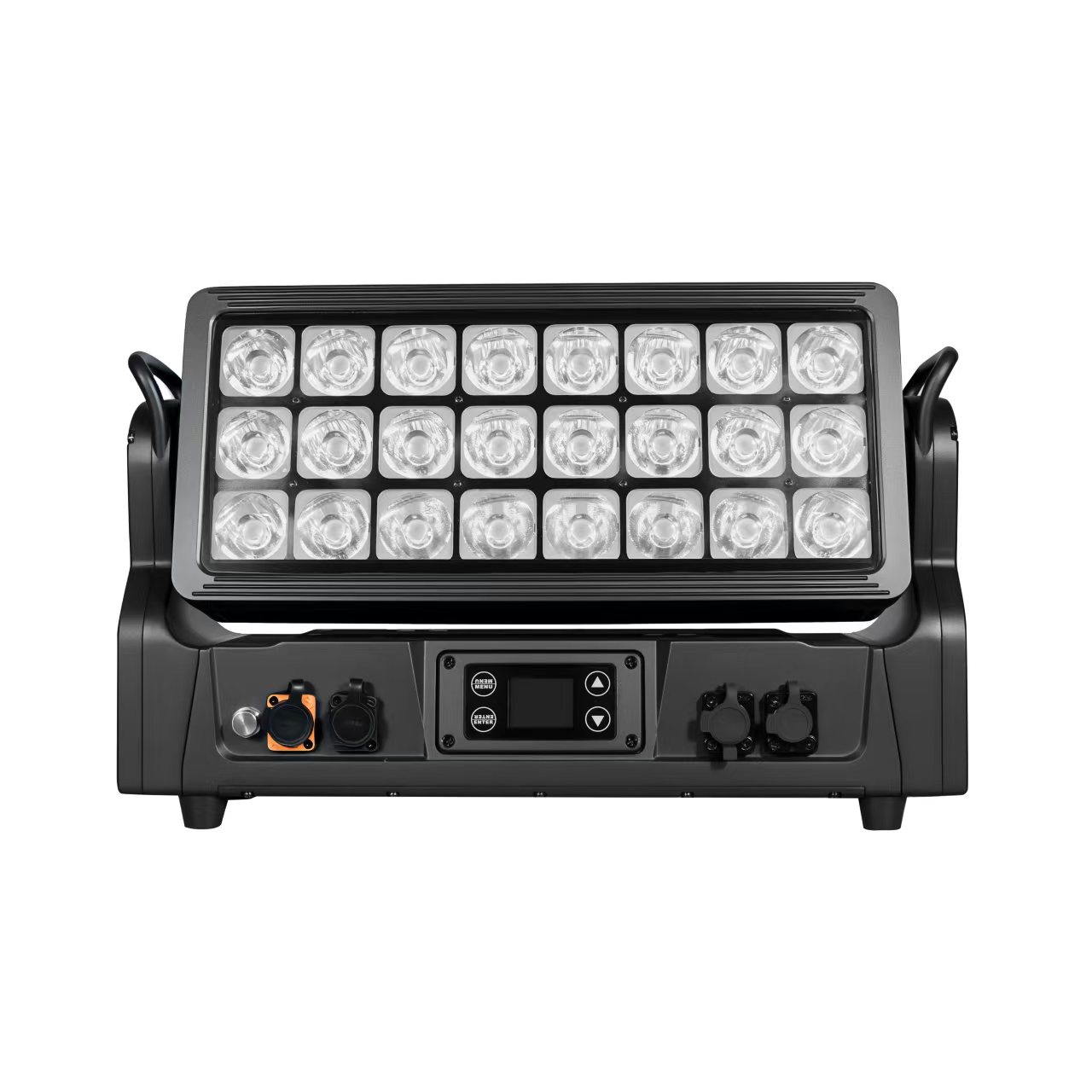
Mechanical and industrial design
Mechanical modifications can address the enclosure, internal structure, mounting arrangement, protection level, movement mechanism, and overall appearance of the fixture. These changes help align the product with venue conditions, installation limitations, transportation requirements, and brand guidelines. The company states that its engineering team supports mechanical structure development, thermal management, industrial design, and product development from concept through production.
Electronic hardware and thermal management
Electronic customization may involve the control board, power supply architecture, data interfaces, temperature monitoring, protection circuits, and other internal components. Hardware decisions are normally evaluated together with the optical and mechanical design so that the fixture can deliver stable performance, reliable movement, and appropriate heat dissipation under professional operating conditions.
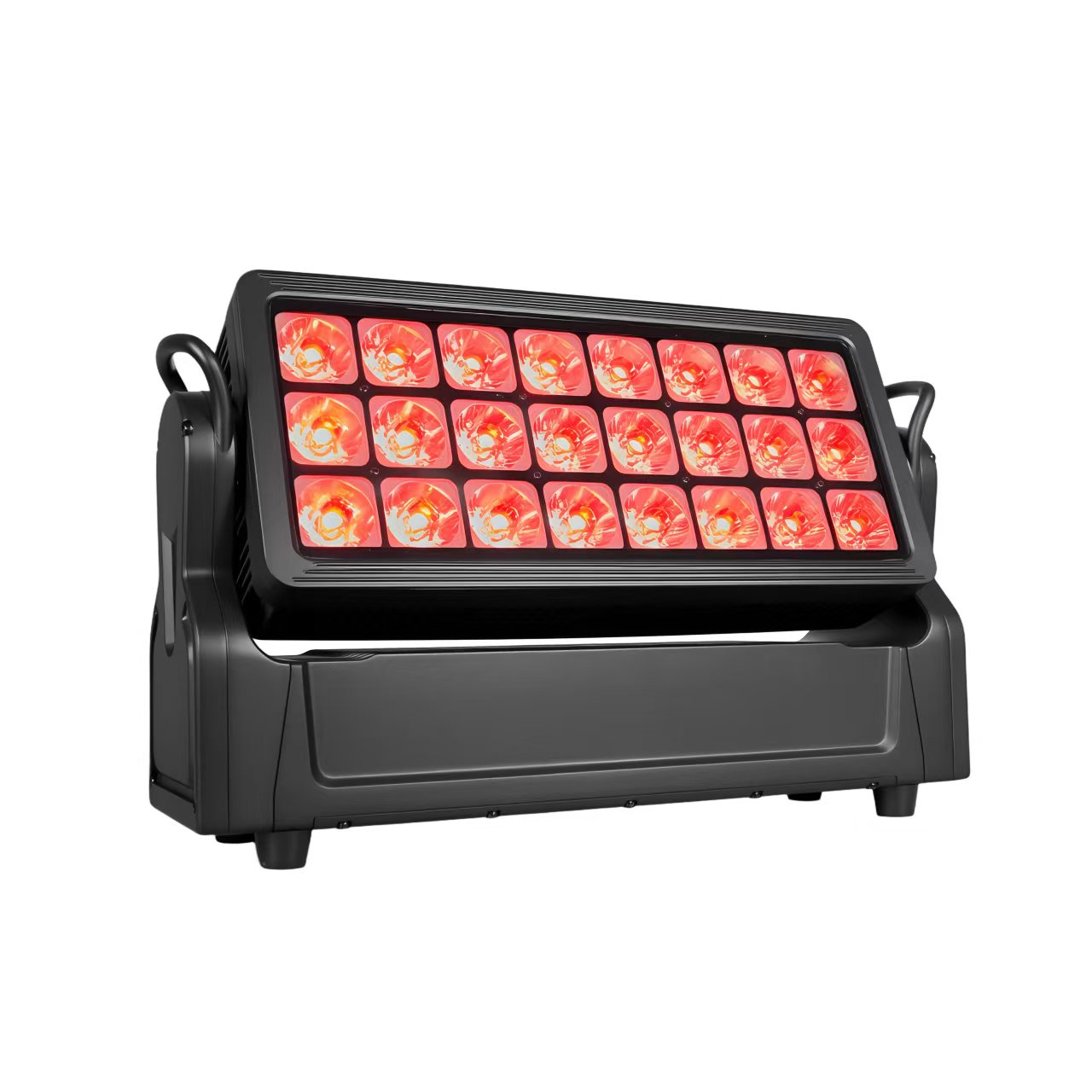
Development Process for a Custom Framing Fixture
A structured OEM or ODM program generally begins with market research, product planning, and confirmation of the required beam behavior, control protocols, movement range, housing dimensions, and production targets. The next stages may include industrial design, optical simulation, mechanical and electronic engineering, prototype construction, and sample production.
Before manufacturing is finalized, the prototype can undergo performance checks, reliability testing, certification and compliance testing, and design refinement. Color Imagination describes a development process that continues through pilot production and mass manufacturing, providing checkpoints for validating the fixture’s function and production readiness.
Customization Scope Summary
| Development area | Examples of possible modifications |
|---|---|
| Software and firmware | Operating modes, feature logic, dimming response, movement behavior, display functions, firmware updates, and control integration |
| Optical assembly | Beam projection, focusing, color mixing, beam shaping, framing performance, and optical simulation |
| Mechanical design | Housing, structure, protection design, installation configuration, movement assembly, thermal layout, and appearance |
| Electronic hardware | Control boards, power systems, communication interfaces, temperature management, protection circuits, and wireless functions |
| Production services | Concept development, rapid prototyping, sample production, verification, compliance support, pilot runs, and mass manufacturing |
Compliance and Project Experience
Color Imagination lists CE certificates identified by LCSB070523036E and LCSB070523041S. Its published ISO certificates include GH004-2023E0421 and GH004-2023Q0766, with the stated scope covering stage-light assembly and related management activities.
The company also documents a nightclub lighting project in Kunming, China. That installation combined beam, wash, effect, and pixel fixtures to create synchronized visual effects. Although the case does not specifically describe a modified framing light, it illustrates experience with integrated entertainment-lighting systems and coordinated fixture applications.
Frequently Asked Questions
Can the firmware of a framing light be customized?
Yes. The stated service scope includes firmware and software customization, feature development, function development, private-label manufacturing, and exclusive product development.
Which physical components can be redesigned?
Possible areas include the optical system, housing, mechanical structure, electronic hardware, thermal solution, control platform, installation arrangement, and product appearance. The final scope is determined during technical planning.
Are prototypes and certification support available?
Yes. The described development process includes rapid prototyping, sample production, performance and reliability verification, certification and compliance testing, pilot production, and mass manufacturing.
Conclusion
Custom framing-light development can combine software and firmware changes with optical, mechanical, electronic, thermal, and appearance modifications. The most effective approach is to define the required beam and control behavior first, then evaluate the fixture architecture, produce a prototype, verify performance, and proceed to production after the design has been confirmed. Color Imagination supports complete OEM and ODM development programs for professional lighting projects. For technical consultation or project support, contact Jack Chen at jack@color-imagination.com.
About Color Imagination
Guangzhou Color Imagination LED Lighting Limited, also known as Color Imagination, is a Guangzhou-based manufacturer specializing in professional stage and entertainment lighting. Founded in 2010, the company integrates research and development, manufacturing, sales, and technical services. It provides standard fixtures, customized OEM/ODM products, and project solutions for entertainment, broadcast, architectural, and event applications. The company reports a workforce of 130 employees and holds CE and ISO credentials.
REPORT