







-
 Agriculture
-
 Health-Care
-
 Environment
-
 Construction-Real-Estate
-
 Tools-Hardware
-
 Home-Garden
-
 Furniture
-
 Luggage-Bags-Cases
-
 Medical-devices-Supplies
-
 Gifts-Crafts
-
 Sports-Entertainment
-
 Food-Beverage
-
 Vehicles-Transportation
-
 Power-Transmission
-
 Material-Handling
-
 Renewable-Energy
-
 Safety
-
 Testing-Instrument-Equipment
-
 Construction-Building-Machinery
-
 Pet-Supplies
-
 Personal-Care-Household-Cleaning
-
 Vehicle-Accessories-Electronics-Tools
-
 School-Office-Supplies
-
 Packaging-Printing
-
 Mother-Kids-Toys
-
 Business-Services
-
 Commercial-Equipment-Machinery
-
 Apparel-Accessories
-
 Security
-
 Shoes-Accessories
-
 Vehicle-Parts-Accessories
-
 Jewelry-Eyewear-Watches-Accessories
-
 Lights-Lighting
-
 Fabric-Textile-Raw-Material
-
 Fabrication-Services
-
 Industrial-Machinery
-
 Consumer-Electronics
-
 Electrical-Equipment-Supplies
-
 Electronic-Components-Accessories-Telecommunications
-
 Home-Appliances
-
 Beauty
-
 Chemicals
-
 Rubber-Plastics
-
 Metals-Alloys


























































































































































































































































































































































































































































































































































































- Masonry Materials
- Curtain Walls & Accessories
- Earthwork Products
- Fireproofing Materials
- Heat Insulation Materials
- Plastic Building Materials
- Building Boards
- Soundproofing Materials
- Timber
- Waterproofing Materials
- Balustrades & Handrails
- Bathroom & Kitchen
- Flooring & Accessories
- Tiles & Accessories
- Door, Window & Accessories
- Fireplaces & Stoves
- Floor Heating Systems & Parts
- Stairs & Stair Parts
- Ceilings
- Elevators & Escalators
- Stone
- Countertops, Vanity Tops & Table Tops
- Mosaics
- Metal Building Materials
- Multifunctional Materials
- Ladders & Scaffoldings
- Mouldings
- Corner Guards
- Decorative Films
- Formwork
- Building & Industrial Glass
- Other Construction & Real Estate
- Wallpapers/Wall panels
- HVAC System & Parts
- Outdoor Facilities
- Prefabricated Buildings
- Festive & Party Supplies
- Bathroom Products
- Household Sundries
- Rain Gear
- Garden Supplies
- Household Cleaning Tools & Accessories
- Lighters & Smoking Accessories
- Home Storage & Organization
- Household Scales
- Smart Home Improvement
- Home Textiles
- Kitchenware
- Drinkware & Accessories
- Dinnerware, Coffee & Wine
- Home Decor
- Golf
- Fitness & Body Building
- Amusement Park Facilities
- Billiards, Board Game,Coin Operated Games
- Musical Instruments
- Outdoor Affordable Luxury Sports
- Camping & Hiking
- Fishing
- Sports Safety&Rehabilitation
- Ball Sports Equipments
- Water Sports
- Winter Sports
- Luxury Travel Equipments
- Sports Shoes, Bags & Accessories
- Cycling
- Other Sports & Entertainment Products
- Artificial Grass&Sports Flooring&Sports Court Equipment
- Scooters
- Food Ingredients
- Honey & Honey Products
- Snacks
- Nuts & Kernels
- Seafood
- Plant & Animal Oil
- Beverages
- Fruit & Vegetable Products
- Frog & Escargot
- Bean Products
- Egg Products
- Dairy Products
- Seasonings & Condiments
- Canned Food
- Instant Food
- Baked Goods
- Other Food & Beverage
- Meat & Poultry
- Confectionery
- Grain Products
- Feminie Care
- Hair Care & Styling
- Body Care
- Hands & Feet Care
- Hygiene Products
- Men's Grooming
- Laundry Cleaning Supplies
- Travel Size & Gift Sets
- Room Deodorizers
- Other Personal Care Products
- Pest Control Products
- Special Household Cleaning
- Floor Cleaning
- Kitchen & Bathroom Cleaning
- Oral Care
- Bath Supplies
- Yellow Pages
- Correction Supplies
- Office Binding Supplies
- Office Cutting Supplies
- Board Erasers
- Office Adhesives & Tapes
- Education Supplies
- Pencil Cases & Bags
- Notebooks & Writing Pads
- File Folder Accessories
- Calendars
- Writing Accessories
- Commercial Office Supplies
- Pencil Sharpeners
- Pens
- Letter Pad/Paper
- Paper Envelopes
- Desk Organizers
- Pencils
- Markers & Highlighters
- Filing Products
- Art Supplies
- Easels
- Badge Holder & Accessories
- Office Paper
- Printer Supplies
- Book Covers
- Other Office & School Supplies
- Stationery Set
- Boards
- Clipboards
- Stamps
- Drafting Supplies
- Stencils
- Electronic Dictionary
- Books
- Map
- Magazines
- Calculators
- Baby & Toddler Toys
- Educational Toys
- Classic Toys
- Dress Up & Pretend Play
- Toy Vehicle
- Stuffed Animals & Plush Toys
- Outdoor Toys & Structures
- Balloons & Accessories
- Baby Food
- Children's Clothing
- Baby Supplies & Products
- Maternity Clothes
- Kids Shoes
- Baby Care
- Novelty & Gag Toys
- Dolls & Accessories
- Puzzle & Games
- Blocks & Model Building Toys
- Toddler Clothing
- Baby Clothing
- Kids' Luggage & Bags
- Arts, Crafts & DIY Toys
- Action & Toy Figures
- Baby Appliances
- Hobbies & Models
- Remote Control Toys
- Promotional Toys
- Pregnancy & Maternity
- Hygiene Products
- Kid's Textile&Bedding
- Novelty & Special Use
- Toy Weapons
- Baby Gifts
- Baby Storage & Organization
- Auto Drive Systems
- ATV/UTV Parts & Accessories
- Marine Parts & Accessories
- Other Auto Parts
- Trailer Parts & Accessories
- Auto Transmission Systems
- Train Parts & Accessories
- Universal Parts
- Railway Parts & Accessories
- Auto Brake Systems
- Aviation Parts & Accessories
- Truck Parts & Accessories
- Auto Suspension Systems
- Auto Lighting Systems
- New Energy Vehicle Parts & Accessories
- Auto Steering Systems
- Wheels, Tires & Accessories
- Bus Parts & Accessories
- Auto Performance Parts
- Cooling System
- Go-Kart & Kart Racer Parts & Accessories
- Air Conditioning Systems
- Heavy Duty Vehicle Parts & Accessories
- Auto Electrical Systems
- Auto Body Systems
- Auto Engine Systems
- Container Parts & Accessories
- Motorcycle Parts & Accessories
- Refrigeration & Heat Exchange Equipment
- Machine Tool Equipment
- Food & Beverage Machinery
- Agricultural Machinery & Equipment
- Apparel & Textile Machinery
- Chemical Machinery
- Packaging Machines
- Paper Production Machinery
- Plastic & Rubber Processing Machinery
- Industrial Robots
- Electronic Products Machinery
- Metal & Metallurgy Machinery
- Woodworking Machinery
- Home Product Manufacturing Machinery
- Machinery Accessories
- Environmental Machinery
- Machinery Service
- Electrical Equipment Manufacturing Machinery
- Industrial Compressors & Parts
- Tobacco & Cigarette Machinery
- Production Line
- Used Industrial Machinery
- Electronics Production Machinery
- Other Machinery & Industrial Equipment
- Camera, Photo & Accessories
- Portable Audio, Video & Accessories
- Television, Home Audio, Video & Accessories
- Video Games & Accessories
- Mobile Phone & Accessories
- Electronic Publications
- Earphone & Headphone & Accessories
- Speakers & Accessories
- Smart Electronics
- TV Receivers & Accessories
- Mobile Phone & Computer Repair Parts
- Chargers, Batteries & Power Supplies
- Used Electronics
- VR, AR, MR Hardware & Software
- Projectors & Presentation Equipments
- Other Consumer Electronics
- Cables & Commonly Used Accessories
- Computer Hardware & Software
- Displays, Signage and Optoelectronics
- Discrete Semiconductors
- Wireless & IoT Module and Products
- Telecommunications
- Connectors, Terminals & Accessories
- Development Boards, Electronic Modules and Kits
- Circuit Protection
- Sensors
- Isolators
- Audio Components and Products
- Integrated Circuits
- Power Supplies
- Relays
- RF, Microwave and RFID
- Electronic Accessories & Supplies
- Passive Components
- PCB & PCBA
- Air Quality Appliances
- Home Appliance Parts
- Heating & Cooling Appliances
- Small Kitchen Appliances
- Laundry Appliances
- Water Heaters
- Water Treatment Appliances
- Refrigerators & Freezers
- Personal Care & Beauty Appliances
- Major Kitchen Appliances
- Cleaning Appliances
- Second-hand Appliances
- Smart Home Appliances
- Other Home Appliances
- Energy Chemicals
- Inorganic Chemicals
- Basic Organic Chemicals
- Agrochemicals
- Admixture & Additives
- Catalysts & Chemical Auxiliary Agents
- Pigments & Dyestuff
- Coating & Paint
- Daily Chemicals
- Polymer
- Organic Intermediate
- Adhesives & Sealants
- Chemical Waste
- Biological Chemical Products
- Surface Treatment Chemicals
- Painting & Coating
- Chemical Reagents
- Flavor & Fragrance
- Non-Explosive Demolition Agents
- Other Chemicals
- Custom Chemical Services

What Drives Up the Cost of a Toast Bread Packaging Line?
The cost of a toast bread packaging line is mainly determined by its level of integration, processing functions, automation capability, production capacity, and quality-control accessories. Basic systems with independent slicers and baggers require less coordinated equipment, while fully automated lines with decrusting, synchronized packaging, diagnostics, and inspection stations involve a broader and more sophisticated machine configuration.
Main Factors That Increase Toast Bread Packaging Line Cost
The largest cost increases usually come from adding processing stages and upgrading the line from standalone equipment to a connected production system. Decrusting, integrated slicing and bagging, high-speed operation, advanced controls, and downstream inspection equipment all expand the scope of the project.
1. Integrated Slicing and Bagging Systems
A separate bread slicer and bagger is generally the simpler configuration. Each machine performs its own task with less requirement for synchronized product movement. By comparison, an integrated slicer-bagger line coordinates loaf feeding, slicing, transfer, bag loading, closing, and safety protection in one continuous process.
This higher level of coordination may include automatic bag changing, product spacing, synchronized conveyors, and centralized operating controls. As a result, integrated equipment typically requires more mechanical components, sensors, and programming than entry-level standalone units.
2. Decrusting Equipment for Crustless Toast
Decrusting is one of the most significant additions because it introduces extra processing steps before slicing and final packaging. A crustless bread line may include horizontal and vertical cutting stations, continuous blade systems, product handling conveyors, and dedicated controls to prepare each loaf for the next stage.
When decrusting is combined with slicing and packaging, the system must manage multiple production processes in sequence. This increases both the physical equipment footprint and the level of automation required across the line.
3. Higher Automation and Advanced Control Functions
Automation level has a direct effect on system complexity. Basic automatic or semi-automatic machines are designed for straightforward operation, whereas advanced lines can include recipe management, touch-screen controls, remote diagnostics, automatic adjustment functions, and production data monitoring.
Recipe-based settings are particularly useful for bakeries processing different loaf sizes, slice thicknesses, packaging materials, or production formats. Remote diagnostics can also support faster troubleshooting and technical service. These capabilities require more advanced electrical components, software, and control architecture.
How Machine Specifications Influence Line Configuration
Slicing Capacity and Product Handling
The slicing section is an important part of the overall line design. A continuous band-blade slicer can use adjustable feed belts, pneumatic blade tensioning, and blade-break detection with automatic stopping functions. The supplied specifications indicate output of up to 2,500 loaves per hour for 0.6 kg toast bread, with customized slice thickness available.
Higher throughput, more flexible slicing requirements, and additional safety features can increase the specification of the slicing module compared with a standard packaging machine alone. Larger lines also need reliable product transfer between slicing, bagging, and sealing stages.
Packaging Method: Flow Wrapping or Pre-Formed Bags
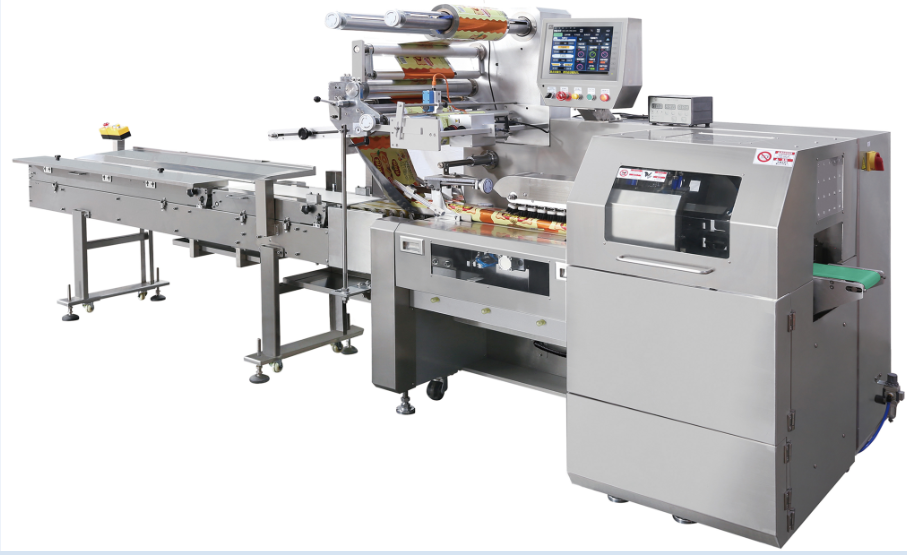
The packaging format selected for the bread also affects the equipment included. Flow wrapping systems can run with servo-driven operation at approximately 20 to 120 bags per minute and may use paper, plastic, or composite film materials. This method relies on film handling, forming, sealing, and cutting functions.
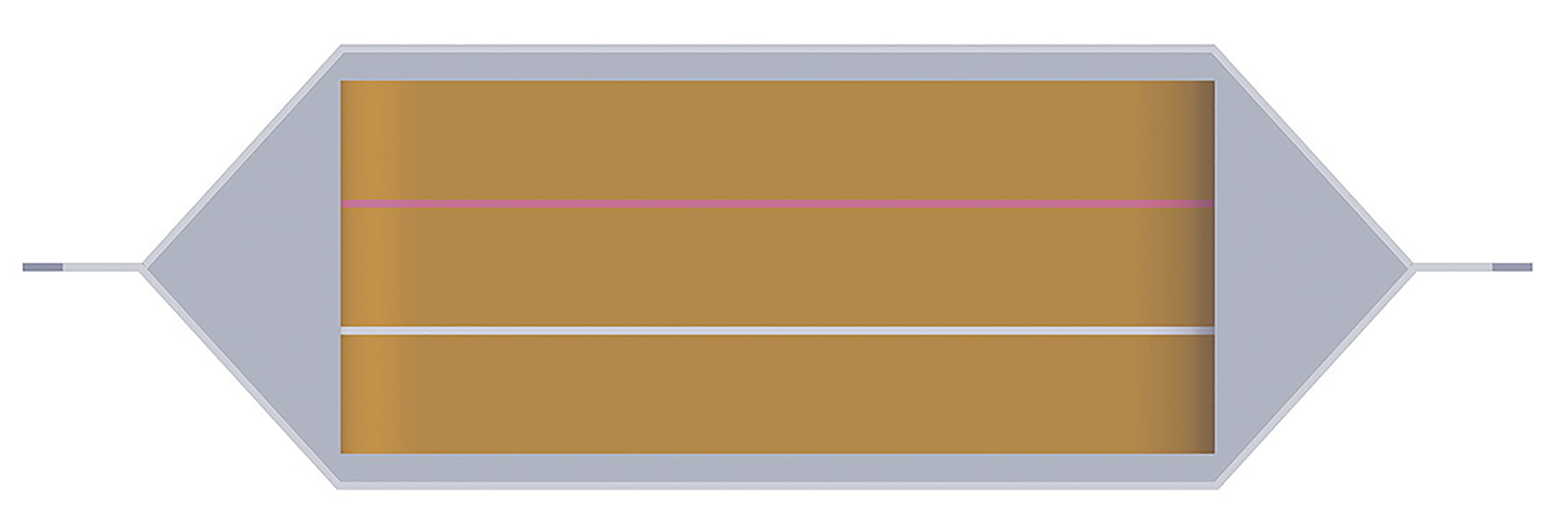
A pre-formed bag solution uses a different machine layout. It can include automatic loaf bagging, bag feeding, clip-band closing or twist-tie closing, plus optional date coding. Since each packaging method uses different components and operating principles, the selected format changes the line configuration and associated investment.
Optional Inspection, Labeling, and Coding Modules
Quality assurance and traceability modules add further equipment to a toast bread packaging line. Depending on production requirements, the line can be equipped with a metal detector, online checkweigher, label applicator, thermal printer, or date coding integration.
These options help manufacturers verify product safety, control pack weight, apply labels, and print batch or date information. Their final cost impact depends on the exact combination selected and the level of integration required. Individual option prices are not provided in the available specifications.
Relative Cost Impact by Configuration
| Configuration or option | Impact on equipment scope and relative cost |
|---|---|
| Standalone slicer and bagger | Lower system complexity because the machines operate as separate units with fewer synchronized functions. |
| Integrated slicer-bagger line | Higher equipment scope due to coordinated feeding, automatic bag handling, central control, and safety systems. |
| Decrusting, slicing, and packaging system | Higher configuration level because dedicated crust-removal stations are added before packaging. |
| Recipe management and remote diagnostics | Requires more capable controls, software, and communication functions than basic operation. |
| Metal detection, checkweighing, labeling, and printing | Adds modular inspection and traceability equipment; the cost varies by selected function. |
Frequently Asked Questions
Which feature has the greatest effect on toast bread line cost?
Decrusting can have a substantial effect because it adds dedicated bread-processing stations before slicing and packaging. A fully integrated, high-volume slicer-bagger line can also significantly increase the overall equipment and control requirements.
Will higher speed always make the packaging line more expensive?
Higher output can require more advanced feeding, servo drives, conveyor coordination, and control systems. The available information lists flow wrapping speeds of 20 to 120 bags per minute and integrated line capacities of 1,000 to 4,500 loaves per hour, but it does not provide direct price comparisons between speed levels.
Do coding and inspection devices add to the investment?
Yes. Metal detectors, online checkweighers, label applicators, thermal printers, and date coding units are additional modules. The exact effect on the final line price depends on the selected equipment and how it is integrated into the production process.
Conclusion
For bakeries seeking a lower-complexity setup, separate slicing and bagging machines keep the equipment scope relatively limited. The configurations most associated with a higher toast bread packaging line price are decrusting systems, integrated slicing and bagging, increased automation, recipe management, remote diagnostics, and added inspection or coding functions.
Foshan Ruipuhua Machinery Equipment Co. Ltd provides manufacturing and OEM cooperation, with a minimum order quantity of one and engineer support. For technical solutions or equipment assistance, contact lotuspack@ruipuhua.com.
About Us
Foshan Ruipuhua Machinery Equipment Co. Ltd, also known as RPH or RAPIDPACK, is a Chinese intelligent packaging machinery manufacturer established in 2005. The company provides research and development, production, installation, and technical after-sales support for food, bakery, biscuit, snack, noodle, chocolate, soap, hardware, pharmaceutical, and daily chemical applications.
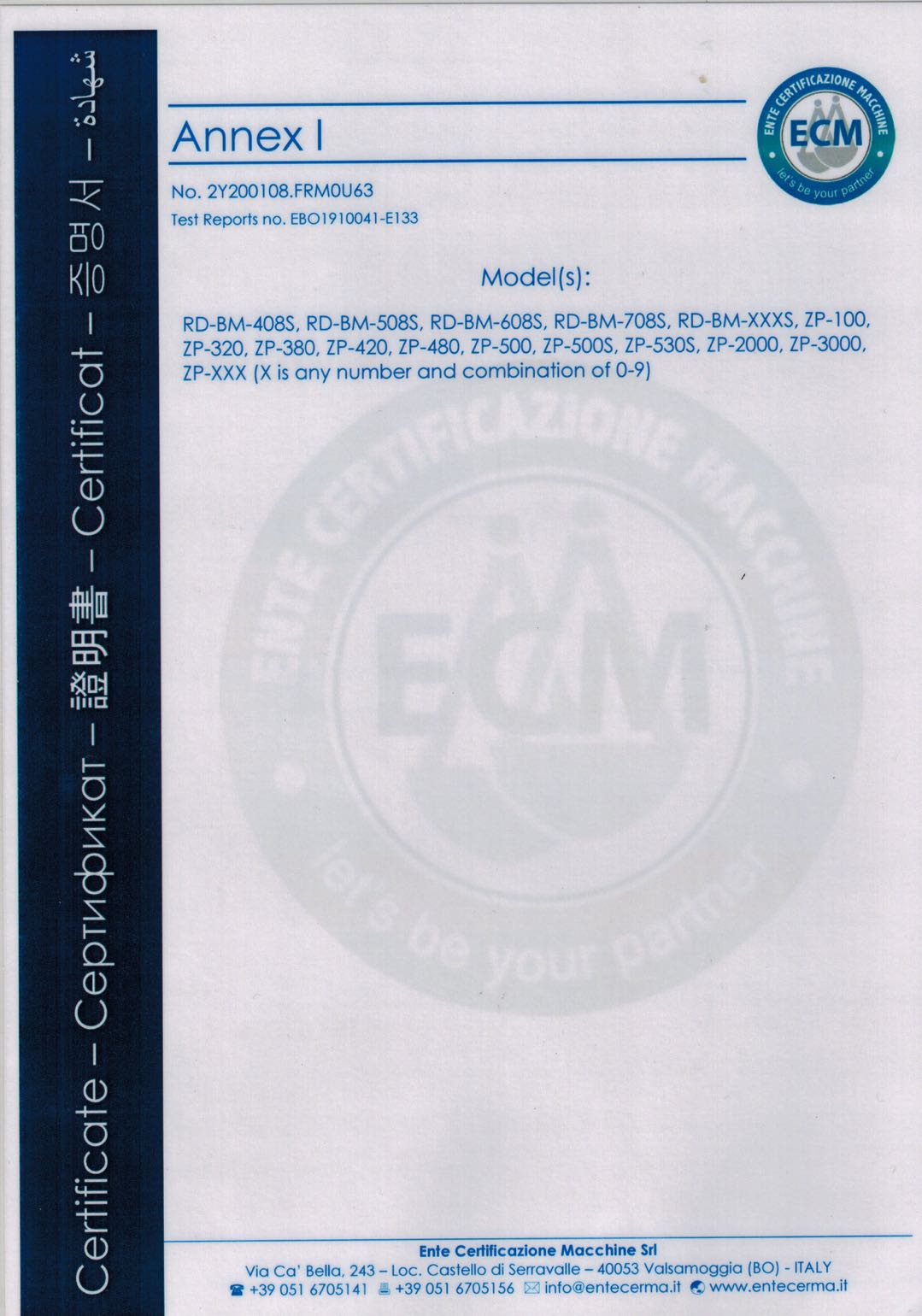
Its company profile states a factory area of 50,000 square meters and exports to more than 100 countries. The company holds CE certification for flow packaging machines, automatic packaging systems, cartoning machines, and palletizing robots. Its Orion chocolate pie cake packaging case demonstrates experience in integrated processing, wrapping, monitoring, and robotic palletizing systems, although it does not provide pricing for toast bread packaging lines.

REPORT