







-
 Agriculture
-
 Health-Care
-
 Environment
-
 Construction-Real-Estate
-
 Tools-Hardware
-
 Home-Garden
-
 Furniture
-
 Luggage-Bags-Cases
-
 Medical-devices-Supplies
-
 Gifts-Crafts
-
 Sports-Entertainment
-
 Food-Beverage
-
 Vehicles-Transportation
-
 Power-Transmission
-
 Material-Handling
-
 Renewable-Energy
-
 Safety
-
 Testing-Instrument-Equipment
-
 Construction-Building-Machinery
-
 Pet-Supplies
-
 Personal-Care-Household-Cleaning
-
 Vehicle-Accessories-Electronics-Tools
-
 School-Office-Supplies
-
 Packaging-Printing
-
 Mother-Kids-Toys
-
 Business-Services
-
 Commercial-Equipment-Machinery
-
 Apparel-Accessories
-
 Security
-
 Shoes-Accessories
-
 Vehicle-Parts-Accessories
-
 Jewelry-Eyewear-Watches-Accessories
-
 Lights-Lighting
-
 Fabric-Textile-Raw-Material
-
 Fabrication-Services
-
 Industrial-Machinery
-
 Consumer-Electronics
-
 Electrical-Equipment-Supplies
-
 Electronic-Components-Accessories-Telecommunications
-
 Home-Appliances
-
 Beauty
-
 Chemicals
-
 Rubber-Plastics
-
 Metals-Alloys


























































































































































































































































































































































































































































































































































































- Masonry Materials
- Curtain Walls & Accessories
- Earthwork Products
- Fireproofing Materials
- Heat Insulation Materials
- Plastic Building Materials
- Building Boards
- Soundproofing Materials
- Timber
- Waterproofing Materials
- Balustrades & Handrails
- Bathroom & Kitchen
- Flooring & Accessories
- Tiles & Accessories
- Door, Window & Accessories
- Fireplaces & Stoves
- Floor Heating Systems & Parts
- Stairs & Stair Parts
- Ceilings
- Elevators & Escalators
- Stone
- Countertops, Vanity Tops & Table Tops
- Mosaics
- Metal Building Materials
- Multifunctional Materials
- Ladders & Scaffoldings
- Mouldings
- Corner Guards
- Decorative Films
- Formwork
- Building & Industrial Glass
- Other Construction & Real Estate
- Wallpapers/Wall panels
- HVAC System & Parts
- Outdoor Facilities
- Prefabricated Buildings
- Festive & Party Supplies
- Bathroom Products
- Household Sundries
- Rain Gear
- Garden Supplies
- Household Cleaning Tools & Accessories
- Lighters & Smoking Accessories
- Home Storage & Organization
- Household Scales
- Smart Home Improvement
- Home Textiles
- Kitchenware
- Drinkware & Accessories
- Dinnerware, Coffee & Wine
- Home Decor
- Golf
- Fitness & Body Building
- Amusement Park Facilities
- Billiards, Board Game,Coin Operated Games
- Musical Instruments
- Outdoor Affordable Luxury Sports
- Camping & Hiking
- Fishing
- Sports Safety&Rehabilitation
- Ball Sports Equipments
- Water Sports
- Winter Sports
- Luxury Travel Equipments
- Sports Shoes, Bags & Accessories
- Cycling
- Other Sports & Entertainment Products
- Artificial Grass&Sports Flooring&Sports Court Equipment
- Scooters
- Food Ingredients
- Honey & Honey Products
- Snacks
- Nuts & Kernels
- Seafood
- Plant & Animal Oil
- Beverages
- Fruit & Vegetable Products
- Frog & Escargot
- Bean Products
- Egg Products
- Dairy Products
- Seasonings & Condiments
- Canned Food
- Instant Food
- Baked Goods
- Other Food & Beverage
- Meat & Poultry
- Confectionery
- Grain Products
- Feminie Care
- Hair Care & Styling
- Body Care
- Hands & Feet Care
- Hygiene Products
- Men's Grooming
- Laundry Cleaning Supplies
- Travel Size & Gift Sets
- Room Deodorizers
- Other Personal Care Products
- Pest Control Products
- Special Household Cleaning
- Floor Cleaning
- Kitchen & Bathroom Cleaning
- Oral Care
- Bath Supplies
- Yellow Pages
- Correction Supplies
- Office Binding Supplies
- Office Cutting Supplies
- Board Erasers
- Office Adhesives & Tapes
- Education Supplies
- Pencil Cases & Bags
- Notebooks & Writing Pads
- File Folder Accessories
- Calendars
- Writing Accessories
- Commercial Office Supplies
- Pencil Sharpeners
- Pens
- Letter Pad/Paper
- Paper Envelopes
- Desk Organizers
- Pencils
- Markers & Highlighters
- Filing Products
- Art Supplies
- Easels
- Badge Holder & Accessories
- Office Paper
- Printer Supplies
- Book Covers
- Other Office & School Supplies
- Stationery Set
- Boards
- Clipboards
- Stamps
- Drafting Supplies
- Stencils
- Electronic Dictionary
- Books
- Map
- Magazines
- Calculators
- Baby & Toddler Toys
- Educational Toys
- Classic Toys
- Dress Up & Pretend Play
- Toy Vehicle
- Stuffed Animals & Plush Toys
- Outdoor Toys & Structures
- Balloons & Accessories
- Baby Food
- Children's Clothing
- Baby Supplies & Products
- Maternity Clothes
- Kids Shoes
- Baby Care
- Novelty & Gag Toys
- Dolls & Accessories
- Puzzle & Games
- Blocks & Model Building Toys
- Toddler Clothing
- Baby Clothing
- Kids' Luggage & Bags
- Arts, Crafts & DIY Toys
- Action & Toy Figures
- Baby Appliances
- Hobbies & Models
- Remote Control Toys
- Promotional Toys
- Pregnancy & Maternity
- Hygiene Products
- Kid's Textile&Bedding
- Novelty & Special Use
- Toy Weapons
- Baby Gifts
- Baby Storage & Organization
- Auto Drive Systems
- ATV/UTV Parts & Accessories
- Marine Parts & Accessories
- Other Auto Parts
- Trailer Parts & Accessories
- Auto Transmission Systems
- Train Parts & Accessories
- Universal Parts
- Railway Parts & Accessories
- Auto Brake Systems
- Aviation Parts & Accessories
- Truck Parts & Accessories
- Auto Suspension Systems
- Auto Lighting Systems
- New Energy Vehicle Parts & Accessories
- Auto Steering Systems
- Wheels, Tires & Accessories
- Bus Parts & Accessories
- Auto Performance Parts
- Cooling System
- Go-Kart & Kart Racer Parts & Accessories
- Air Conditioning Systems
- Heavy Duty Vehicle Parts & Accessories
- Auto Electrical Systems
- Auto Body Systems
- Auto Engine Systems
- Container Parts & Accessories
- Motorcycle Parts & Accessories
- Refrigeration & Heat Exchange Equipment
- Machine Tool Equipment
- Food & Beverage Machinery
- Agricultural Machinery & Equipment
- Apparel & Textile Machinery
- Chemical Machinery
- Packaging Machines
- Paper Production Machinery
- Plastic & Rubber Processing Machinery
- Industrial Robots
- Electronic Products Machinery
- Metal & Metallurgy Machinery
- Woodworking Machinery
- Home Product Manufacturing Machinery
- Machinery Accessories
- Environmental Machinery
- Machinery Service
- Electrical Equipment Manufacturing Machinery
- Industrial Compressors & Parts
- Tobacco & Cigarette Machinery
- Production Line
- Used Industrial Machinery
- Electronics Production Machinery
- Other Machinery & Industrial Equipment
- Camera, Photo & Accessories
- Portable Audio, Video & Accessories
- Television, Home Audio, Video & Accessories
- Video Games & Accessories
- Mobile Phone & Accessories
- Electronic Publications
- Earphone & Headphone & Accessories
- Speakers & Accessories
- Smart Electronics
- TV Receivers & Accessories
- Mobile Phone & Computer Repair Parts
- Chargers, Batteries & Power Supplies
- Used Electronics
- VR, AR, MR Hardware & Software
- Projectors & Presentation Equipments
- Other Consumer Electronics
- Cables & Commonly Used Accessories
- Computer Hardware & Software
- Displays, Signage and Optoelectronics
- Discrete Semiconductors
- Wireless & IoT Module and Products
- Telecommunications
- Connectors, Terminals & Accessories
- Development Boards, Electronic Modules and Kits
- Circuit Protection
- Sensors
- Isolators
- Audio Components and Products
- Integrated Circuits
- Power Supplies
- Relays
- RF, Microwave and RFID
- Electronic Accessories & Supplies
- Passive Components
- PCB & PCBA
- Air Quality Appliances
- Home Appliance Parts
- Heating & Cooling Appliances
- Small Kitchen Appliances
- Laundry Appliances
- Water Heaters
- Water Treatment Appliances
- Refrigerators & Freezers
- Personal Care & Beauty Appliances
- Major Kitchen Appliances
- Cleaning Appliances
- Second-hand Appliances
- Smart Home Appliances
- Other Home Appliances
- Energy Chemicals
- Inorganic Chemicals
- Basic Organic Chemicals
- Agrochemicals
- Admixture & Additives
- Catalysts & Chemical Auxiliary Agents
- Pigments & Dyestuff
- Coating & Paint
- Daily Chemicals
- Polymer
- Organic Intermediate
- Adhesives & Sealants
- Chemical Waste
- Biological Chemical Products
- Surface Treatment Chemicals
- Painting & Coating
- Chemical Reagents
- Flavor & Fragrance
- Non-Explosive Demolition Agents
- Other Chemicals
- Custom Chemical Services

What Happens When the Defect Rate Exceeds the Contract Allowance?
When a garment batch records more defects than permitted under the contract, DOLUXE follows a defined quality-assurance process to identify the issue and determine the appropriate response. The process starts with approval of a pre-production sample, continues with inspection during manufacturing, and concludes with a final AQL 2.5 inspection conducted according to ISO 2859-1.
Quality Inspection Process and Available Remedies
The approved pre-production sample serves as the benchmark for workmanship, materials, measurements, and overall appearance. During manufacturing, a mid-production inspection reviews the order while work is still in progress, allowing potential problems to be identified before the entire batch is completed.
After production, the finished garments undergo final inspection using AQL 2.5 under ISO 2859-1. If the recorded defective rate exceeds the allowance agreed in the contract, the inspection findings are compared with the contract requirements, approved sample, and documented defect conditions.
For quality problems discovered after delivery, DOLUXE reviews whether the factory is responsible. When factory responsibility is confirmed, the available solutions may include repair, replacement, or equivalent compensation, depending on the circumstances and agreed requirements.
How the Process Supports Apparel Buyers
This staged approach is designed for independent designers, streetwear labels, private-label businesses, and established brands managing custom garments, seasonal launches, or small-batch production. Customers can submit Tech Packs, reference samples, or design concepts, while DOLUXE coordinates sampling, manufacturing, quality checks, and shipment.
Third-party quality-control inspection can also be arranged upon request. This provides an additional review option for buyers who require independent verification before a shipment is released.
Inspection Standards and Production Context
The available quality policy identifies AQL 2.5 and ISO 2859-1 as the standard for final-batch inspection. It does not specify a separate numerical contract allowance beyond the agreed allowance and the stated final-inspection reference. Therefore, the actual result should be evaluated using the applicable contract terms and inspection records.
Inspection documentation should record the production stage, detected defects, quantities affected, and comparison with the approved sample or agreed specifications. These details help establish whether the issue is a production deviation and support the selection of a suitable remedy.
DOLUXE has supported a private-label program for a United Kingdom Shopify retailer and direct-to-consumer brand. The project included end-to-end manufacturing, quick reorders in small quantities, and replenishment of high-performing styles, showing how quality control can be integrated with recurring product drops.
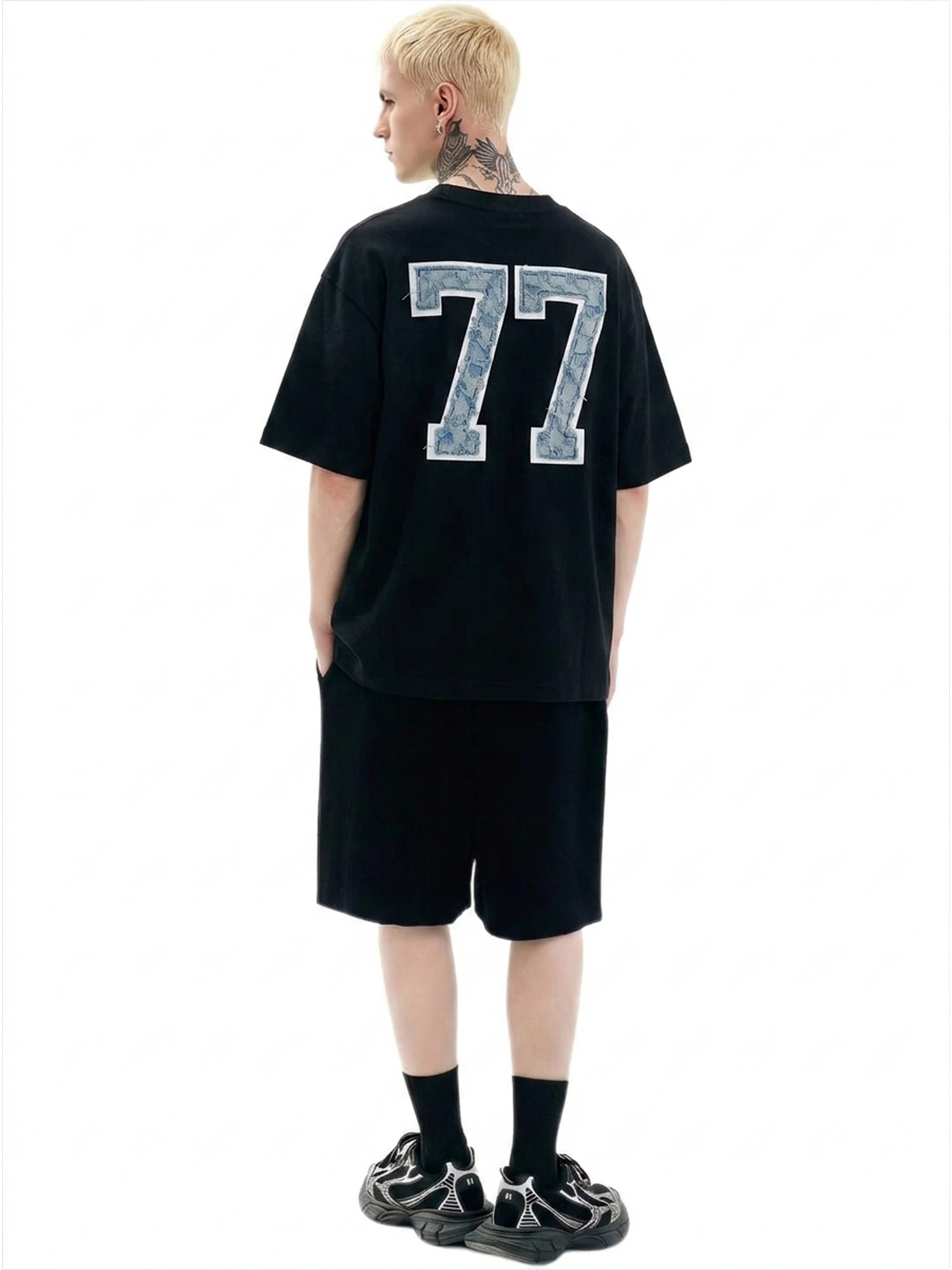
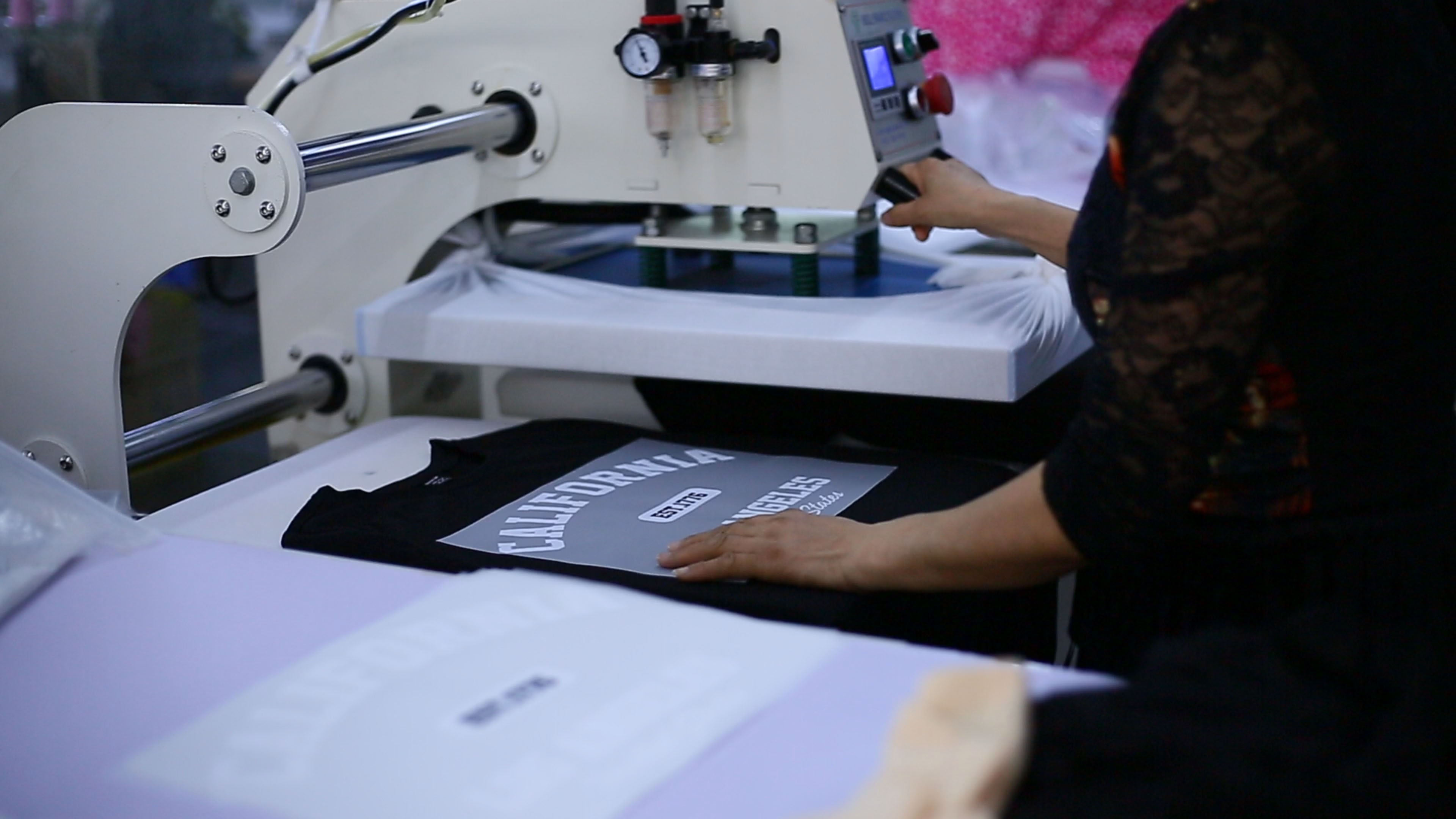
The company produces heavyweight streetwear garments and embroidered logo T-shirts, with additional services including garment washing, distressing, puff printing, and 3D embroidery.
Inspection and Response Overview
| Production or Response Stage | Quality-Control Measure | Purpose or Outcome |
|---|---|---|
| Sample development | Approve the pre-production garment sample | Creates the reference for bulk production |
| Manufacturing | Conduct a mid-production inspection | Reviews workmanship and progress before completion |
| Completed order | Perform final AQL 2.5 inspection under ISO 2859-1 | Assesses the quality of the finished batch |
| Defect rate above allowance | Compare findings with contract terms and approved requirements | Determines the status and likely cause of the issue |
| Confirmed factory responsibility | Review the post-delivery quality claim | Repair, replacement, or equivalent compensation may be provided |
| Independent verification | Arrange third-party quality inspection when requested | Adds an external inspection option for the buyer |
Frequently Asked Questions
Which standard is used for final garment inspection?
DOLUXE uses AQL 2.5 for final inspection in accordance with ISO 2859-1.
How is a batch handled when defects exceed the contract allowance?
The batch is reviewed using the agreed contract allowance, inspection records, approved sample, and product requirements. The supplied information does not state a separate numerical allowance beyond the agreed terms and the AQL 2.5 final-inspection reference.
What can happen when the factory is responsible for the defects?
For confirmed factory-related quality problems identified after delivery, DOLUXE may offer repair, replacement, or equivalent compensation based on the specific case.
Can a customer request an independent inspection?
Yes. Third-party quality-control inspection is available upon request for customers who need additional verification of the completed order.
Conclusion
An excessive defect rate should be assessed through a traceable sequence: approve the production sample, inspect during manufacturing, and complete the final AQL 2.5 inspection under ISO 2859-1. Reviewing the results against the contract and approved requirements helps clarify responsibility and determine the next step. OEM, ODM, and private-label buyers may also request third-party inspection support. For technical assistance or project inquiries, contact DOLUXE at yutianfang88@gmail.com.
About DOLUXE
Dongguan City Dule Garment Co.,Ltd, operating under the DOLUXE brand, is an OEM/ODM manufacturer specializing in streetwear and heavyweight apparel. Founded in 2007 and based in Humen Town, Dongguan, Guangdong, the company operates two factories covering 15,000 square meters, employs more than 130 skilled workers, and has an annual production capacity of 1.2 million pieces. DOLUXE serves customers in North America, Europe, Australia, and Asia, and has worked with more than 200 brands in over 30 countries.

REPORT