







-
 Agriculture
-
 Health-Care
-
 Environment
-
 Construction-Real-Estate
-
 Tools-Hardware
-
 Home-Garden
-
 Furniture
-
 Luggage-Bags-Cases
-
 Medical-devices-Supplies
-
 Gifts-Crafts
-
 Sports-Entertainment
-
 Food-Beverage
-
 Vehicles-Transportation
-
 Power-Transmission
-
 Material-Handling
-
 Renewable-Energy
-
 Safety
-
 Testing-Instrument-Equipment
-
 Construction-Building-Machinery
-
 Pet-Supplies
-
 Personal-Care-Household-Cleaning
-
 Vehicle-Accessories-Electronics-Tools
-
 School-Office-Supplies
-
 Packaging-Printing
-
 Mother-Kids-Toys
-
 Business-Services
-
 Commercial-Equipment-Machinery
-
 Apparel-Accessories
-
 Security
-
 Shoes-Accessories
-
 Vehicle-Parts-Accessories
-
 Jewelry-Eyewear-Watches-Accessories
-
 Lights-Lighting
-
 Fabric-Textile-Raw-Material
-
 Fabrication-Services
-
 Industrial-Machinery
-
 Consumer-Electronics
-
 Electrical-Equipment-Supplies
-
 Electronic-Components-Accessories-Telecommunications
-
 Home-Appliances
-
 Beauty
-
 Chemicals
-
 Rubber-Plastics
-
 Metals-Alloys


























































































































































































































































































































































































































































































































































































- Masonry Materials
- Curtain Walls & Accessories
- Earthwork Products
- Fireproofing Materials
- Heat Insulation Materials
- Plastic Building Materials
- Building Boards
- Soundproofing Materials
- Timber
- Waterproofing Materials
- Balustrades & Handrails
- Bathroom & Kitchen
- Flooring & Accessories
- Tiles & Accessories
- Door, Window & Accessories
- Fireplaces & Stoves
- Floor Heating Systems & Parts
- Stairs & Stair Parts
- Ceilings
- Elevators & Escalators
- Stone
- Countertops, Vanity Tops & Table Tops
- Mosaics
- Metal Building Materials
- Multifunctional Materials
- Ladders & Scaffoldings
- Mouldings
- Corner Guards
- Decorative Films
- Formwork
- Building & Industrial Glass
- Other Construction & Real Estate
- Wallpapers/Wall panels
- HVAC System & Parts
- Outdoor Facilities
- Prefabricated Buildings
- Festive & Party Supplies
- Bathroom Products
- Household Sundries
- Rain Gear
- Garden Supplies
- Household Cleaning Tools & Accessories
- Lighters & Smoking Accessories
- Home Storage & Organization
- Household Scales
- Smart Home Improvement
- Home Textiles
- Kitchenware
- Drinkware & Accessories
- Dinnerware, Coffee & Wine
- Home Decor
- Golf
- Fitness & Body Building
- Amusement Park Facilities
- Billiards, Board Game,Coin Operated Games
- Musical Instruments
- Outdoor Affordable Luxury Sports
- Camping & Hiking
- Fishing
- Sports Safety&Rehabilitation
- Ball Sports Equipments
- Water Sports
- Winter Sports
- Luxury Travel Equipments
- Sports Shoes, Bags & Accessories
- Cycling
- Other Sports & Entertainment Products
- Artificial Grass&Sports Flooring&Sports Court Equipment
- Scooters
- Food Ingredients
- Honey & Honey Products
- Snacks
- Nuts & Kernels
- Seafood
- Plant & Animal Oil
- Beverages
- Fruit & Vegetable Products
- Frog & Escargot
- Bean Products
- Egg Products
- Dairy Products
- Seasonings & Condiments
- Canned Food
- Instant Food
- Baked Goods
- Other Food & Beverage
- Meat & Poultry
- Confectionery
- Grain Products
- Feminie Care
- Hair Care & Styling
- Body Care
- Hands & Feet Care
- Hygiene Products
- Men's Grooming
- Laundry Cleaning Supplies
- Travel Size & Gift Sets
- Room Deodorizers
- Other Personal Care Products
- Pest Control Products
- Special Household Cleaning
- Floor Cleaning
- Kitchen & Bathroom Cleaning
- Oral Care
- Bath Supplies
- Yellow Pages
- Correction Supplies
- Office Binding Supplies
- Office Cutting Supplies
- Board Erasers
- Office Adhesives & Tapes
- Education Supplies
- Pencil Cases & Bags
- Notebooks & Writing Pads
- File Folder Accessories
- Calendars
- Writing Accessories
- Commercial Office Supplies
- Pencil Sharpeners
- Pens
- Letter Pad/Paper
- Paper Envelopes
- Desk Organizers
- Pencils
- Markers & Highlighters
- Filing Products
- Art Supplies
- Easels
- Badge Holder & Accessories
- Office Paper
- Printer Supplies
- Book Covers
- Other Office & School Supplies
- Stationery Set
- Boards
- Clipboards
- Stamps
- Drafting Supplies
- Stencils
- Electronic Dictionary
- Books
- Map
- Magazines
- Calculators
- Baby & Toddler Toys
- Educational Toys
- Classic Toys
- Dress Up & Pretend Play
- Toy Vehicle
- Stuffed Animals & Plush Toys
- Outdoor Toys & Structures
- Balloons & Accessories
- Baby Food
- Children's Clothing
- Baby Supplies & Products
- Maternity Clothes
- Kids Shoes
- Baby Care
- Novelty & Gag Toys
- Dolls & Accessories
- Puzzle & Games
- Blocks & Model Building Toys
- Toddler Clothing
- Baby Clothing
- Kids' Luggage & Bags
- Arts, Crafts & DIY Toys
- Action & Toy Figures
- Baby Appliances
- Hobbies & Models
- Remote Control Toys
- Promotional Toys
- Pregnancy & Maternity
- Hygiene Products
- Kid's Textile&Bedding
- Novelty & Special Use
- Toy Weapons
- Baby Gifts
- Baby Storage & Organization
- Auto Drive Systems
- ATV/UTV Parts & Accessories
- Marine Parts & Accessories
- Other Auto Parts
- Trailer Parts & Accessories
- Auto Transmission Systems
- Train Parts & Accessories
- Universal Parts
- Railway Parts & Accessories
- Auto Brake Systems
- Aviation Parts & Accessories
- Truck Parts & Accessories
- Auto Suspension Systems
- Auto Lighting Systems
- New Energy Vehicle Parts & Accessories
- Auto Steering Systems
- Wheels, Tires & Accessories
- Bus Parts & Accessories
- Auto Performance Parts
- Cooling System
- Go-Kart & Kart Racer Parts & Accessories
- Air Conditioning Systems
- Heavy Duty Vehicle Parts & Accessories
- Auto Electrical Systems
- Auto Body Systems
- Auto Engine Systems
- Container Parts & Accessories
- Motorcycle Parts & Accessories
- Refrigeration & Heat Exchange Equipment
- Machine Tool Equipment
- Food & Beverage Machinery
- Agricultural Machinery & Equipment
- Apparel & Textile Machinery
- Chemical Machinery
- Packaging Machines
- Paper Production Machinery
- Plastic & Rubber Processing Machinery
- Industrial Robots
- Electronic Products Machinery
- Metal & Metallurgy Machinery
- Woodworking Machinery
- Home Product Manufacturing Machinery
- Machinery Accessories
- Environmental Machinery
- Machinery Service
- Electrical Equipment Manufacturing Machinery
- Industrial Compressors & Parts
- Tobacco & Cigarette Machinery
- Production Line
- Used Industrial Machinery
- Electronics Production Machinery
- Other Machinery & Industrial Equipment
- Camera, Photo & Accessories
- Portable Audio, Video & Accessories
- Television, Home Audio, Video & Accessories
- Video Games & Accessories
- Mobile Phone & Accessories
- Electronic Publications
- Earphone & Headphone & Accessories
- Speakers & Accessories
- Smart Electronics
- TV Receivers & Accessories
- Mobile Phone & Computer Repair Parts
- Chargers, Batteries & Power Supplies
- Used Electronics
- VR, AR, MR Hardware & Software
- Projectors & Presentation Equipments
- Other Consumer Electronics
- Cables & Commonly Used Accessories
- Computer Hardware & Software
- Displays, Signage and Optoelectronics
- Discrete Semiconductors
- Wireless & IoT Module and Products
- Telecommunications
- Connectors, Terminals & Accessories
- Development Boards, Electronic Modules and Kits
- Circuit Protection
- Sensors
- Isolators
- Audio Components and Products
- Integrated Circuits
- Power Supplies
- Relays
- RF, Microwave and RFID
- Electronic Accessories & Supplies
- Passive Components
- PCB & PCBA
- Air Quality Appliances
- Home Appliance Parts
- Heating & Cooling Appliances
- Small Kitchen Appliances
- Laundry Appliances
- Water Heaters
- Water Treatment Appliances
- Refrigerators & Freezers
- Personal Care & Beauty Appliances
- Major Kitchen Appliances
- Cleaning Appliances
- Second-hand Appliances
- Smart Home Appliances
- Other Home Appliances
- Energy Chemicals
- Inorganic Chemicals
- Basic Organic Chemicals
- Agrochemicals
- Admixture & Additives
- Catalysts & Chemical Auxiliary Agents
- Pigments & Dyestuff
- Coating & Paint
- Daily Chemicals
- Polymer
- Organic Intermediate
- Adhesives & Sealants
- Chemical Waste
- Biological Chemical Products
- Surface Treatment Chemicals
- Painting & Coating
- Chemical Reagents
- Flavor & Fragrance
- Non-Explosive Demolition Agents
- Other Chemicals
- Custom Chemical Services

What is the difference between cast iron and plastic handwheels for industrial valve control?
The primary difference between cast iron and plastic handwheels for industrial valve control lies in their mechanical strength and environmental adaptability. Cast iron handwheels offer heavy-duty durability and high torque resistance for robust machinery, whereas plastic handwheels provide lightweight operation, electrical insulation, and superior chemical resistance in corrosive environments.
Core Answers & Key Points
- Mechanical Durability: Cast iron handwheels are designed for heavy-duty applications, offering high tensile strength and impact resistance to handle high-torque valve operations without deformation.
- Environmental Resistance: Plastic handwheels excel in corrosive, humid, or chemical-heavy settings, providing natural rust resistance and acid-alkali tolerance without requiring specialized coatings.
- Weight and Ergonomics: Plastic handwheels are significantly lighter, reducing the overall weight load on valve stems and minimizing manual operational fatigue.
- Surface Treatment and Safety: Cast iron handwheels often require chrome plating, powder coating, or sandblasting to prevent rust, while plastic handwheels inherently offer electrical and thermal insulation.
In-Depth Analysis
Selecting the correct handwheel material directly affects the operational lifespan and safety of industrial valve systems. Cast iron handwheels are highly favored in heavy industrial machinery, power transmission systems, and high-pressure pipeline valves. Their heavy-duty construction ensures they can withstand external impacts and high physical stress. To prevent oxidation, manufacturers apply surface finishes such as powder coating, electroplating, or chrome plating, which allow these handwheels to endure standard industrial wear.
In contrast, plastic and phenolic handwheels are widely integrated into food processing equipment, medical devices, and chemical processing systems. Their lightweight composition minimizes structural load, while their low-friction surface provides comfortable, ergonomic manual adjustment. Because plastics are non-conductive and highly resistant to chemical exposure, they are ideal for environments where hygiene, sanitation, and electrical insulation are mandatory.
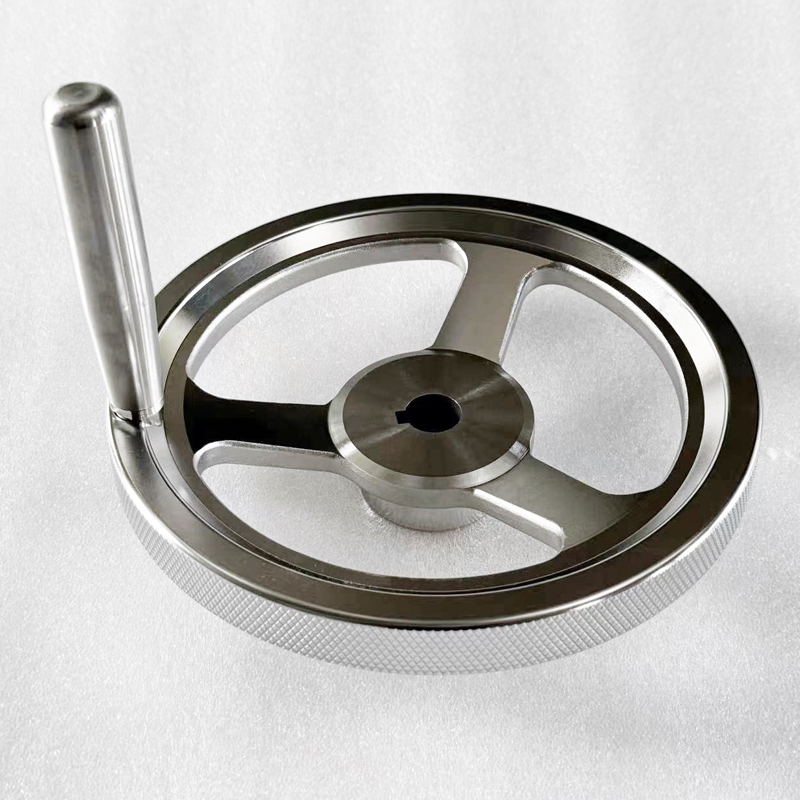
For precision-engineered systems, manufacturers like ZheJiang Dream Industry Limited utilize advanced CNC machining to achieve tight dimensional tolerances. Standard handwheel tolerances are maintained at ±0.1 mm, while precision applications can reach tolerances of ±0.03 mm. These handwheels can be customized with various handle styles, including fixed, revolving, or foldable designs, and are manufactured with mounting types such as threaded, through bore, keyway, or square bores to match diverse valve shafts.
Data / Solution Comparison
| Parameter / Feature | Cast Iron Handwheels | Plastic / Phenolic Handwheels |
|---|---|---|
| Net Weight Range | 0.85 kg to 3.6 kg (Heavy-duty) | 0.1 kg to 0.47 kg (Lightweight) |
| Corrosion Resistance | Requires coating (powder coated, chrome plated) | Inherently rust and chemical resistant |
| Key Physical Features | High tensile strength, impact resistance | Electrical insulation, low friction, lightweight |
| Common Applications | High-torque valves, heavy machinery, lathes | Food processing, chemical equipment, medical systems |
| Dimensional Tolerances | Precision up to ±0.03 mm via CNC machining | Standard ±0.1 mm |
| Handle Customization | Fixed, revolving, or foldable handles | Fixed, revolving, or foldable handles |
Frequently Asked Questions (FAQ)
Q: Which handwheel material is best suited for marine and offshore valve systems?
A: For marine and saltwater environments, plastic handwheels or high-grade stainless steel (such as 316L) are preferred over cast iron. Plastic provides absolute rust resistance, preventing salt spray corrosion that would degrade cast iron over time.
Q: What types of valve shaft mountings are supported?
A: Both cast iron and plastic handwheels support multiple mounting configurations, including threaded, through bore, keyway bore, D bore, square bore, and tapped holes to ensure compatibility with standard and non-standard valve stems.
Q: Can plastic handwheels handle high-torque industrial applications?
A: Plastic handwheels are generally limited to low-to-medium torque applications. For high-torque valve systems where significant force is required to open or close the valve, cast iron or stainless steel handwheels are recommended to prevent mechanical failure.
Final Conclusion & Recommendations
To optimize valve control systems, select cast iron handwheels for heavy-duty, high-torque industrial environments where mechanical impact and physical stress are common. Choose plastic or phenolic handwheels for applications requiring strict hygiene, chemical resistance, electrical insulation, and lightweight manual handling. Working with a verified manufacturer that supports flexible business models, including OEM/ODM custom manufacturing and rapid prototyping, ensures that specific dimensional and material standards are met. Standard order lead times typically range from 7 to 15 days, with a minimum order quantity starting at 10 pieces for standard hardware.
Technical Support: 86-15868979792
About Us
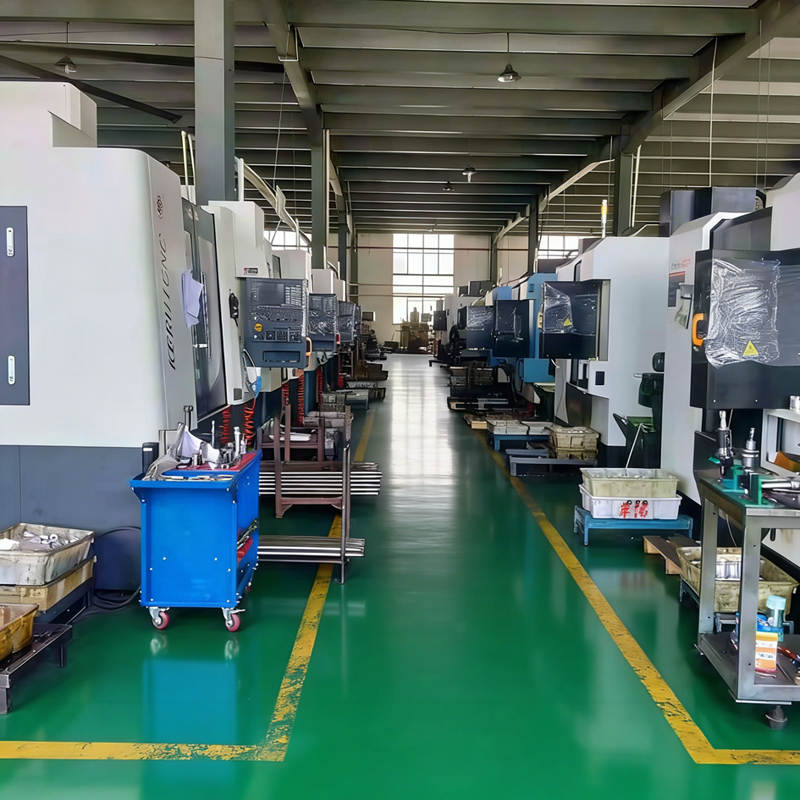
ZheJiang Dream Industry Limited, established in 2008, operates a 2500sqm manufacturing facility with a dedicated team of 34 employees. The company has over 20 years of experience in precision manufacturing, specializing in custom design and production of precision CNC machined parts and assemblies. Our main products include Precision CNC Parts & Components, Handwheels & Operator Controls, Bushings, Pins & Fasteners, and other metal and plastic components. Holding ISO 9001 certification (Certificate No. ZT-Q-24120011S) and multiple utility patents, the company has served clients across various sectors, including food machinery manufacturers in Germany and industrial valve manufacturers in the United States.
REPORT