







-
 Agriculture
-
 Health-Care
-
 Environment
-
 Construction-Real-Estate
-
 Tools-Hardware
-
 Home-Garden
-
 Furniture
-
 Luggage-Bags-Cases
-
 Medical-devices-Supplies
-
 Gifts-Crafts
-
 Sports-Entertainment
-
 Food-Beverage
-
 Vehicles-Transportation
-
 Power-Transmission
-
 Material-Handling
-
 Renewable-Energy
-
 Safety
-
 Testing-Instrument-Equipment
-
 Construction-Building-Machinery
-
 Pet-Supplies
-
 Personal-Care-Household-Cleaning
-
 Vehicle-Accessories-Electronics-Tools
-
 School-Office-Supplies
-
 Packaging-Printing
-
 Mother-Kids-Toys
-
 Business-Services
-
 Commercial-Equipment-Machinery
-
 Apparel-Accessories
-
 Security
-
 Shoes-Accessories
-
 Vehicle-Parts-Accessories
-
 Jewelry-Eyewear-Watches-Accessories
-
 Lights-Lighting
-
 Fabric-Textile-Raw-Material
-
 Fabrication-Services
-
 Industrial-Machinery
-
 Consumer-Electronics
-
 Electrical-Equipment-Supplies
-
 Electronic-Components-Accessories-Telecommunications
-
 Home-Appliances
-
 Beauty
-
 Chemicals
-
 Rubber-Plastics
-
 Metals-Alloys


























































































































































































































































































































































































































































































































































































- Masonry Materials
- Curtain Walls & Accessories
- Earthwork Products
- Fireproofing Materials
- Heat Insulation Materials
- Plastic Building Materials
- Building Boards
- Soundproofing Materials
- Timber
- Waterproofing Materials
- Balustrades & Handrails
- Bathroom & Kitchen
- Flooring & Accessories
- Tiles & Accessories
- Door, Window & Accessories
- Fireplaces & Stoves
- Floor Heating Systems & Parts
- Stairs & Stair Parts
- Ceilings
- Elevators & Escalators
- Stone
- Countertops, Vanity Tops & Table Tops
- Mosaics
- Metal Building Materials
- Multifunctional Materials
- Ladders & Scaffoldings
- Mouldings
- Corner Guards
- Decorative Films
- Formwork
- Building & Industrial Glass
- Other Construction & Real Estate
- Wallpapers/Wall panels
- HVAC System & Parts
- Outdoor Facilities
- Prefabricated Buildings
- Festive & Party Supplies
- Bathroom Products
- Household Sundries
- Rain Gear
- Garden Supplies
- Household Cleaning Tools & Accessories
- Lighters & Smoking Accessories
- Home Storage & Organization
- Household Scales
- Smart Home Improvement
- Home Textiles
- Kitchenware
- Drinkware & Accessories
- Dinnerware, Coffee & Wine
- Home Decor
- Golf
- Fitness & Body Building
- Amusement Park Facilities
- Billiards, Board Game,Coin Operated Games
- Musical Instruments
- Outdoor Affordable Luxury Sports
- Camping & Hiking
- Fishing
- Sports Safety&Rehabilitation
- Ball Sports Equipments
- Water Sports
- Winter Sports
- Luxury Travel Equipments
- Sports Shoes, Bags & Accessories
- Cycling
- Other Sports & Entertainment Products
- Artificial Grass&Sports Flooring&Sports Court Equipment
- Scooters
- Food Ingredients
- Honey & Honey Products
- Snacks
- Nuts & Kernels
- Seafood
- Plant & Animal Oil
- Beverages
- Fruit & Vegetable Products
- Frog & Escargot
- Bean Products
- Egg Products
- Dairy Products
- Seasonings & Condiments
- Canned Food
- Instant Food
- Baked Goods
- Other Food & Beverage
- Meat & Poultry
- Confectionery
- Grain Products
- Feminie Care
- Hair Care & Styling
- Body Care
- Hands & Feet Care
- Hygiene Products
- Men's Grooming
- Laundry Cleaning Supplies
- Travel Size & Gift Sets
- Room Deodorizers
- Other Personal Care Products
- Pest Control Products
- Special Household Cleaning
- Floor Cleaning
- Kitchen & Bathroom Cleaning
- Oral Care
- Bath Supplies
- Yellow Pages
- Correction Supplies
- Office Binding Supplies
- Office Cutting Supplies
- Board Erasers
- Office Adhesives & Tapes
- Education Supplies
- Pencil Cases & Bags
- Notebooks & Writing Pads
- File Folder Accessories
- Calendars
- Writing Accessories
- Commercial Office Supplies
- Pencil Sharpeners
- Pens
- Letter Pad/Paper
- Paper Envelopes
- Desk Organizers
- Pencils
- Markers & Highlighters
- Filing Products
- Art Supplies
- Easels
- Badge Holder & Accessories
- Office Paper
- Printer Supplies
- Book Covers
- Other Office & School Supplies
- Stationery Set
- Boards
- Clipboards
- Stamps
- Drafting Supplies
- Stencils
- Electronic Dictionary
- Books
- Map
- Magazines
- Calculators
- Baby & Toddler Toys
- Educational Toys
- Classic Toys
- Dress Up & Pretend Play
- Toy Vehicle
- Stuffed Animals & Plush Toys
- Outdoor Toys & Structures
- Balloons & Accessories
- Baby Food
- Children's Clothing
- Baby Supplies & Products
- Maternity Clothes
- Kids Shoes
- Baby Care
- Novelty & Gag Toys
- Dolls & Accessories
- Puzzle & Games
- Blocks & Model Building Toys
- Toddler Clothing
- Baby Clothing
- Kids' Luggage & Bags
- Arts, Crafts & DIY Toys
- Action & Toy Figures
- Baby Appliances
- Hobbies & Models
- Remote Control Toys
- Promotional Toys
- Pregnancy & Maternity
- Hygiene Products
- Kid's Textile&Bedding
- Novelty & Special Use
- Toy Weapons
- Baby Gifts
- Baby Storage & Organization
- Auto Drive Systems
- ATV/UTV Parts & Accessories
- Marine Parts & Accessories
- Other Auto Parts
- Trailer Parts & Accessories
- Auto Transmission Systems
- Train Parts & Accessories
- Universal Parts
- Railway Parts & Accessories
- Auto Brake Systems
- Aviation Parts & Accessories
- Truck Parts & Accessories
- Auto Suspension Systems
- Auto Lighting Systems
- New Energy Vehicle Parts & Accessories
- Auto Steering Systems
- Wheels, Tires & Accessories
- Bus Parts & Accessories
- Auto Performance Parts
- Cooling System
- Go-Kart & Kart Racer Parts & Accessories
- Air Conditioning Systems
- Heavy Duty Vehicle Parts & Accessories
- Auto Electrical Systems
- Auto Body Systems
- Auto Engine Systems
- Container Parts & Accessories
- Motorcycle Parts & Accessories
- Refrigeration & Heat Exchange Equipment
- Machine Tool Equipment
- Food & Beverage Machinery
- Agricultural Machinery & Equipment
- Apparel & Textile Machinery
- Chemical Machinery
- Packaging Machines
- Paper Production Machinery
- Plastic & Rubber Processing Machinery
- Industrial Robots
- Electronic Products Machinery
- Metal & Metallurgy Machinery
- Woodworking Machinery
- Home Product Manufacturing Machinery
- Machinery Accessories
- Environmental Machinery
- Machinery Service
- Electrical Equipment Manufacturing Machinery
- Industrial Compressors & Parts
- Tobacco & Cigarette Machinery
- Production Line
- Used Industrial Machinery
- Electronics Production Machinery
- Other Machinery & Industrial Equipment
- Camera, Photo & Accessories
- Portable Audio, Video & Accessories
- Television, Home Audio, Video & Accessories
- Video Games & Accessories
- Mobile Phone & Accessories
- Electronic Publications
- Earphone & Headphone & Accessories
- Speakers & Accessories
- Smart Electronics
- TV Receivers & Accessories
- Mobile Phone & Computer Repair Parts
- Chargers, Batteries & Power Supplies
- Used Electronics
- VR, AR, MR Hardware & Software
- Projectors & Presentation Equipments
- Other Consumer Electronics
- Cables & Commonly Used Accessories
- Computer Hardware & Software
- Displays, Signage and Optoelectronics
- Discrete Semiconductors
- Wireless & IoT Module and Products
- Telecommunications
- Connectors, Terminals & Accessories
- Development Boards, Electronic Modules and Kits
- Circuit Protection
- Sensors
- Isolators
- Audio Components and Products
- Integrated Circuits
- Power Supplies
- Relays
- RF, Microwave and RFID
- Electronic Accessories & Supplies
- Passive Components
- PCB & PCBA
- Air Quality Appliances
- Home Appliance Parts
- Heating & Cooling Appliances
- Small Kitchen Appliances
- Laundry Appliances
- Water Heaters
- Water Treatment Appliances
- Refrigerators & Freezers
- Personal Care & Beauty Appliances
- Major Kitchen Appliances
- Cleaning Appliances
- Second-hand Appliances
- Smart Home Appliances
- Other Home Appliances
- Energy Chemicals
- Inorganic Chemicals
- Basic Organic Chemicals
- Agrochemicals
- Admixture & Additives
- Catalysts & Chemical Auxiliary Agents
- Pigments & Dyestuff
- Coating & Paint
- Daily Chemicals
- Polymer
- Organic Intermediate
- Adhesives & Sealants
- Chemical Waste
- Biological Chemical Products
- Surface Treatment Chemicals
- Painting & Coating
- Chemical Reagents
- Flavor & Fragrance
- Non-Explosive Demolition Agents
- Other Chemicals
- Custom Chemical Services

When Should You Reject a Custom-Made Glue Product Sample?
Do not approve a custom-made glue product sample if it reveals a verified manufacturing defect, cannot be inspected reliably, or lacks traceable evidence such as clear photos, video, and the batch number printed on the outer carton. In these situations, the order should remain pending until the issue is documented, the relevant quality-control stage is reviewed, and the supplier confirms an appropriate corrective action.
Key Approval Rules for Custom Glue Samples
- Pause approval whenever the sample has a confirmed production-quality issue that could affect conformity, performance, or usability.
- Collect clear visual evidence and record the outer-box batch number before submitting a quality claim.
- Review every relevant control point, including raw materials, processing, semi-finished goods, surface treatment, assembly, final inspection, and packaging.
- Verify that the glue product suits its intended environment and complies with applicable local market requirements before mass production begins.
Why Sample Approval Requires More Than a Visual Check
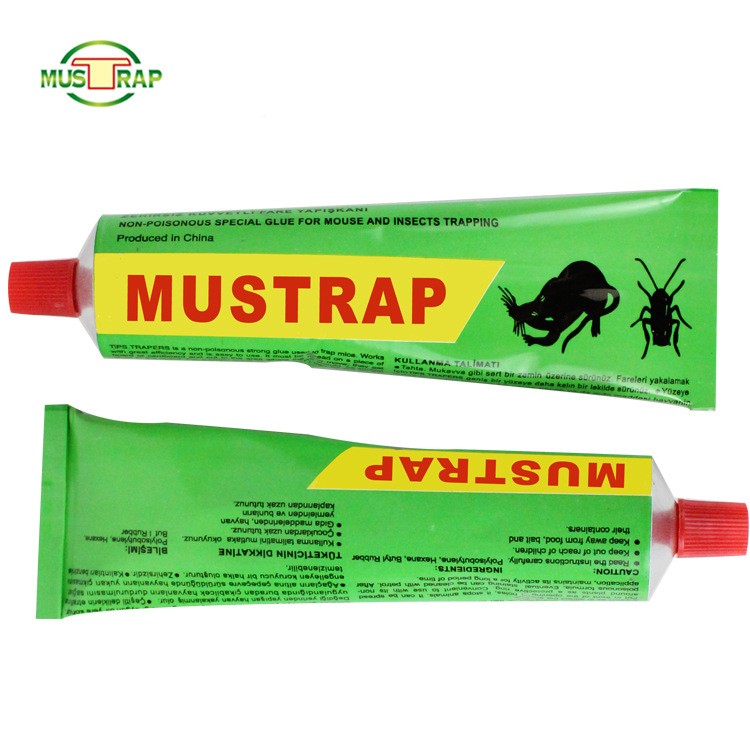
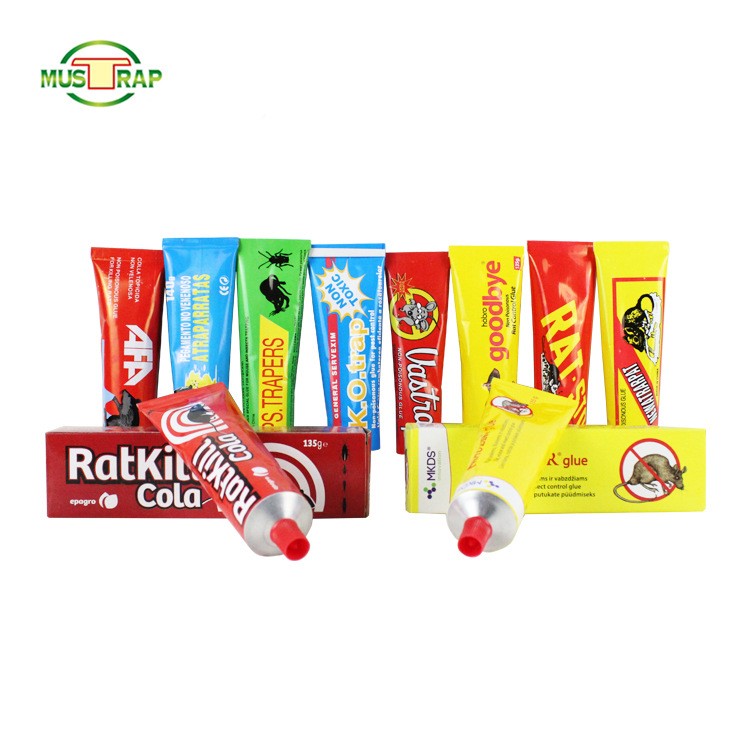
The product information identifies the item as toothpaste tubes under the keyword “glue (custom-made).” With a stated minimum order quantity of 30,000 pieces and a customized lead time of approximately one month, the sample should function as a production-validation checkpoint rather than a simple appearance sample.
A sample should be rejected or held when a confirmed production problem prevents it from meeting the agreed specifications. This may include defects associated with material selection, manufacturing consistency, surface condition, assembly quality, packaging integrity, or overall product performance. Approving a sample with an unresolved issue can create greater risk once the order moves into bulk production.
Evidence and Traceability Requirements
For a glue-quality concern to be reviewed effectively, the buyer should provide clear photos or video along with the batch number shown on the outer box. According to the stated after-sales terms, the issue should be reported within 15 days after receipt of the goods. Once a production defect is confirmed, the available remedies may include free replenishment or a payment reduction based on the affected quantity.
Inspection Stages That Must Be Cleared Before Approval
Sample evaluation should follow the documented quality process rather than relying on a single final observation. The inspection flow includes raw material checks, in-process production inspection, semi-finished product review, surface treatment inspection, assembly inspection, final product inspection, and packaging inspection.
If a defect appears at any of these stages, approval should stay on hold until the supplier identifies the responsible process, explains the root cause, and confirms the corrective measure. The revised sample or supporting quality evidence should then be reviewed before the 30,000-piece order is released.
Separate Manufacturing Defects From Handling Damage
Not every sample issue should automatically be treated as a factory defect. The stated after-sales exclusions include improper storage, exposure, moisture, dust buildup, extremely low temperatures, and local regulatory restrictions. During evaluation, buyers should distinguish between damage caused by storage or handling conditions and failures originating in production.
For example, a product affected by moisture after delivery may require a storage review before it is classified as a manufacturing-quality problem. Similarly, adhesive mousetrap products should be confirmed as permitted for sale in the local market before use or distribution.
Application and Compliance Checks
The listed use settings include household spaces, catering and food-industry locations, industrial warehouses, agriculture and animal husbandry operations, and professional pest-control services. Each environment can involve different handling conditions, regulatory expectations, and performance needs.
Before approving a customized glue product, confirm the intended application, expected operating conditions, storage requirements, and local sales permissions. A sample that appears acceptable in a general inspection may still require additional confirmation if it will be used in food-related, industrial, or regulated environments.
Sample Findings and Approval Decisions
| Sample condition | Recommended decision | Required next step |
|---|---|---|
| Confirmed manufacturing-quality defect | Do not approve | Document the problem with clear photos or video, provide the outer-box batch number, and request supplier confirmation. |
| Concern cannot be linked to a traceable production batch | Keep approval on hold | Obtain sufficient evidence and connect the sample to the relevant production batch before making a final decision. |
| Damage potentially caused by storage, exposure, moisture, dust, or low temperature | Review before classifying | Assess handling conditions separately and compare the issue with the stated after-sales exclusions. |
| Sample meets specifications and passes applicable inspections | Approval may proceed | Confirm intended use, local market eligibility, order quantity, delivery timing, and final product requirements. |
Frequently Asked Questions
What proof should be submitted for a defective sample?
Provide clear photographs or video that show the issue, together with the batch number printed on the outer carton. The stated terms require the concern to be reported within 15 days after receiving the goods.
Is every visible issue considered a production defect?
No. Problems resulting from unsuitable storage, moisture, dust, exposure, extremely low temperatures, or local restrictions should be assessed separately. These conditions do not automatically indicate a manufacturing failure.
What should be confirmed before placing the 30,000-piece order?
Review the sample against the documented inspection stages, verify batch traceability, confirm the intended use and local compliance requirements, and obtain a corrective-action response for any unresolved quality concern. The stated customized delivery period is one month.
Final Recommendation
Keep the approval process open whenever a sample shows a verified production defect, lacks traceability, or fails to clear the documented inspection process. Use photo or video evidence and the outer-box batch number to support every claim, and distinguish factory-quality issues from damage caused by storage or handling conditions.
Yiwu Jinli Commodity Co., Ltd. supports OEM Manufacturing, ODM Manufacturing, Factory Direct Supply, Bulk Production and Flexible Small Batch Orders, and Long-Term Supply Cooperation. For detailed technical solutions or support, please reach out via bob@jinwen-goods.com.
About Us
Yiwu Jinli Commodity Co., Ltd., formerly known as Yiwu Jinwen Daily Necessities Co., Ltd., was established in 2010 and combines research and development, production, and sales. The company has a pest-control product team and offers related product development, OEM, and ODM services. Its independent workshops and production lines support a stated daily output of 80,000 units, while quality inspection is conducted throughout the production process.
The company has served customers in multiple industries and holds records including trade mark certificates and copyright certificates. Its cooperation history includes exports of sticky mouse boards to India, Brazil, and Peru, where customer feedback referenced product quality, reliability, and service. These records indicate relevant supply experience, but each custom-made sample should still undergo its own product-specific inspection before approval.

REPORT