







-
 Agriculture
-
 Health-Care
-
 Environment
-
 Construction-Real-Estate
-
 Tools-Hardware
-
 Home-Garden
-
 Furniture
-
 Luggage-Bags-Cases
-
 Medical-devices-Supplies
-
 Gifts-Crafts
-
 Sports-Entertainment
-
 Food-Beverage
-
 Vehicles-Transportation
-
 Power-Transmission
-
 Material-Handling
-
 Renewable-Energy
-
 Safety
-
 Testing-Instrument-Equipment
-
 Construction-Building-Machinery
-
 Pet-Supplies
-
 Personal-Care-Household-Cleaning
-
 Vehicle-Accessories-Electronics-Tools
-
 School-Office-Supplies
-
 Packaging-Printing
-
 Mother-Kids-Toys
-
 Business-Services
-
 Commercial-Equipment-Machinery
-
 Apparel-Accessories
-
 Security
-
 Shoes-Accessories
-
 Vehicle-Parts-Accessories
-
 Jewelry-Eyewear-Watches-Accessories
-
 Lights-Lighting
-
 Fabric-Textile-Raw-Material
-
 Fabrication-Services
-
 Industrial-Machinery
-
 Consumer-Electronics
-
 Electrical-Equipment-Supplies
-
 Electronic-Components-Accessories-Telecommunications
-
 Home-Appliances
-
 Beauty
-
 Chemicals
-
 Rubber-Plastics
-
 Metals-Alloys


























































































































































































































































































































































































































































































































































































- Masonry Materials
- Curtain Walls & Accessories
- Earthwork Products
- Fireproofing Materials
- Heat Insulation Materials
- Plastic Building Materials
- Building Boards
- Soundproofing Materials
- Timber
- Waterproofing Materials
- Balustrades & Handrails
- Bathroom & Kitchen
- Flooring & Accessories
- Tiles & Accessories
- Door, Window & Accessories
- Fireplaces & Stoves
- Floor Heating Systems & Parts
- Stairs & Stair Parts
- Ceilings
- Elevators & Escalators
- Stone
- Countertops, Vanity Tops & Table Tops
- Mosaics
- Metal Building Materials
- Multifunctional Materials
- Ladders & Scaffoldings
- Mouldings
- Corner Guards
- Decorative Films
- Formwork
- Building & Industrial Glass
- Other Construction & Real Estate
- Wallpapers/Wall panels
- HVAC System & Parts
- Outdoor Facilities
- Prefabricated Buildings
- Festive & Party Supplies
- Bathroom Products
- Household Sundries
- Rain Gear
- Garden Supplies
- Household Cleaning Tools & Accessories
- Lighters & Smoking Accessories
- Home Storage & Organization
- Household Scales
- Smart Home Improvement
- Home Textiles
- Kitchenware
- Drinkware & Accessories
- Dinnerware, Coffee & Wine
- Home Decor
- Golf
- Fitness & Body Building
- Amusement Park Facilities
- Billiards, Board Game,Coin Operated Games
- Musical Instruments
- Outdoor Affordable Luxury Sports
- Camping & Hiking
- Fishing
- Sports Safety&Rehabilitation
- Ball Sports Equipments
- Water Sports
- Winter Sports
- Luxury Travel Equipments
- Sports Shoes, Bags & Accessories
- Cycling
- Other Sports & Entertainment Products
- Artificial Grass&Sports Flooring&Sports Court Equipment
- Scooters
- Food Ingredients
- Honey & Honey Products
- Snacks
- Nuts & Kernels
- Seafood
- Plant & Animal Oil
- Beverages
- Fruit & Vegetable Products
- Frog & Escargot
- Bean Products
- Egg Products
- Dairy Products
- Seasonings & Condiments
- Canned Food
- Instant Food
- Baked Goods
- Other Food & Beverage
- Meat & Poultry
- Confectionery
- Grain Products
- Feminie Care
- Hair Care & Styling
- Body Care
- Hands & Feet Care
- Hygiene Products
- Men's Grooming
- Laundry Cleaning Supplies
- Travel Size & Gift Sets
- Room Deodorizers
- Other Personal Care Products
- Pest Control Products
- Special Household Cleaning
- Floor Cleaning
- Kitchen & Bathroom Cleaning
- Oral Care
- Bath Supplies
- Yellow Pages
- Correction Supplies
- Office Binding Supplies
- Office Cutting Supplies
- Board Erasers
- Office Adhesives & Tapes
- Education Supplies
- Pencil Cases & Bags
- Notebooks & Writing Pads
- File Folder Accessories
- Calendars
- Writing Accessories
- Commercial Office Supplies
- Pencil Sharpeners
- Pens
- Letter Pad/Paper
- Paper Envelopes
- Desk Organizers
- Pencils
- Markers & Highlighters
- Filing Products
- Art Supplies
- Easels
- Badge Holder & Accessories
- Office Paper
- Printer Supplies
- Book Covers
- Other Office & School Supplies
- Stationery Set
- Boards
- Clipboards
- Stamps
- Drafting Supplies
- Stencils
- Electronic Dictionary
- Books
- Map
- Magazines
- Calculators
- Baby & Toddler Toys
- Educational Toys
- Classic Toys
- Dress Up & Pretend Play
- Toy Vehicle
- Stuffed Animals & Plush Toys
- Outdoor Toys & Structures
- Balloons & Accessories
- Baby Food
- Children's Clothing
- Baby Supplies & Products
- Maternity Clothes
- Kids Shoes
- Baby Care
- Novelty & Gag Toys
- Dolls & Accessories
- Puzzle & Games
- Blocks & Model Building Toys
- Toddler Clothing
- Baby Clothing
- Kids' Luggage & Bags
- Arts, Crafts & DIY Toys
- Action & Toy Figures
- Baby Appliances
- Hobbies & Models
- Remote Control Toys
- Promotional Toys
- Pregnancy & Maternity
- Hygiene Products
- Kid's Textile&Bedding
- Novelty & Special Use
- Toy Weapons
- Baby Gifts
- Baby Storage & Organization
- Auto Drive Systems
- ATV/UTV Parts & Accessories
- Marine Parts & Accessories
- Other Auto Parts
- Trailer Parts & Accessories
- Auto Transmission Systems
- Train Parts & Accessories
- Universal Parts
- Railway Parts & Accessories
- Auto Brake Systems
- Aviation Parts & Accessories
- Truck Parts & Accessories
- Auto Suspension Systems
- Auto Lighting Systems
- New Energy Vehicle Parts & Accessories
- Auto Steering Systems
- Wheels, Tires & Accessories
- Bus Parts & Accessories
- Auto Performance Parts
- Cooling System
- Go-Kart & Kart Racer Parts & Accessories
- Air Conditioning Systems
- Heavy Duty Vehicle Parts & Accessories
- Auto Electrical Systems
- Auto Body Systems
- Auto Engine Systems
- Container Parts & Accessories
- Motorcycle Parts & Accessories
- Refrigeration & Heat Exchange Equipment
- Machine Tool Equipment
- Food & Beverage Machinery
- Agricultural Machinery & Equipment
- Apparel & Textile Machinery
- Chemical Machinery
- Packaging Machines
- Paper Production Machinery
- Plastic & Rubber Processing Machinery
- Industrial Robots
- Electronic Products Machinery
- Metal & Metallurgy Machinery
- Woodworking Machinery
- Home Product Manufacturing Machinery
- Machinery Accessories
- Environmental Machinery
- Machinery Service
- Electrical Equipment Manufacturing Machinery
- Industrial Compressors & Parts
- Tobacco & Cigarette Machinery
- Production Line
- Used Industrial Machinery
- Electronics Production Machinery
- Other Machinery & Industrial Equipment
- Camera, Photo & Accessories
- Portable Audio, Video & Accessories
- Television, Home Audio, Video & Accessories
- Video Games & Accessories
- Mobile Phone & Accessories
- Electronic Publications
- Earphone & Headphone & Accessories
- Speakers & Accessories
- Smart Electronics
- TV Receivers & Accessories
- Mobile Phone & Computer Repair Parts
- Chargers, Batteries & Power Supplies
- Used Electronics
- VR, AR, MR Hardware & Software
- Projectors & Presentation Equipments
- Other Consumer Electronics
- Cables & Commonly Used Accessories
- Computer Hardware & Software
- Displays, Signage and Optoelectronics
- Discrete Semiconductors
- Wireless & IoT Module and Products
- Telecommunications
- Connectors, Terminals & Accessories
- Development Boards, Electronic Modules and Kits
- Circuit Protection
- Sensors
- Isolators
- Audio Components and Products
- Integrated Circuits
- Power Supplies
- Relays
- RF, Microwave and RFID
- Electronic Accessories & Supplies
- Passive Components
- PCB & PCBA
- Air Quality Appliances
- Home Appliance Parts
- Heating & Cooling Appliances
- Small Kitchen Appliances
- Laundry Appliances
- Water Heaters
- Water Treatment Appliances
- Refrigerators & Freezers
- Personal Care & Beauty Appliances
- Major Kitchen Appliances
- Cleaning Appliances
- Second-hand Appliances
- Smart Home Appliances
- Other Home Appliances
- Energy Chemicals
- Inorganic Chemicals
- Basic Organic Chemicals
- Agrochemicals
- Admixture & Additives
- Catalysts & Chemical Auxiliary Agents
- Pigments & Dyestuff
- Coating & Paint
- Daily Chemicals
- Polymer
- Organic Intermediate
- Adhesives & Sealants
- Chemical Waste
- Biological Chemical Products
- Surface Treatment Chemicals
- Painting & Coating
- Chemical Reagents
- Flavor & Fragrance
- Non-Explosive Demolition Agents
- Other Chemicals
- Custom Chemical Services

Which Pilates and Yoga Sock Features Can Be Customized With the Lowest Quality Risk?
When developing custom Pilates and yoga socks, the safest starting point is usually surface-level design rather than structural modification. Branding, color, embroidery, adhesive decorations, and 360° heat-transfer graphics can be customized while leaving the core sock construction unchanged. This makes them easier to review through artwork approval and sampling before mass production.
Low-Risk Customization Options for Grip Socks
Visual details are generally the most predictable areas for customization. A brand can add logos, patterns, names, or decorative artwork through established production methods, allowing the design to stand out without immediately changing fit, toe structure, or fiber performance.
- Logo artwork and branded placements
- Embroidery and adhesive surface details
- Full-wrap 360° heat-transfer graphics
- Pantone solid-color selection
- Custom silicone or PVC anti-slip sole patterns, subject to prototype approval
These options are suitable for yoga studios, Pilates clubs, sports teams, boutique retailers, promotional campaigns, streetwear labels, and independent designer collections.
Branding, Artwork, and Color Customization
Logo and Decorative Applications
Embroidery, adhesive applications, and 360° heat-transfer printing are established processes for custom sock branding. They can be used for small logo placements, detailed graphic elements, and all-over artwork. Since these treatments primarily affect the outside of the sock, buyers can inspect scale, alignment, color, registration, and finish through pre-production samples without redesigning the entire product.
Pantone Color Matching
Pantone solid colors provide another manageable customization route. The listed product information supports any Pantone solid color, enabling brands to define a consistent visual identity before making more complex development decisions. A physical color approval sample is still recommended, as yarn, printing method, and lighting can affect how a final shade appears.
Anti-Slip Patterns Require Functional Sampling
Silicone and PVC dispensing equipment is available for professional anti-slip patterns used on yoga, Pilates, and sports socks. Grip customization is technically well supported, but it should be treated differently from purely visual decoration. The exact sole pattern can influence traction, flexibility, adhesion, coverage, and comfort during movement.
Before proceeding with bulk production, approve a physical sample that reflects the intended use. The review should assess whether the grip pattern is positioned correctly, remains firmly attached, provides appropriate traction, and feels comfortable underfoot. Equipment capability confirms that anti-slip applications can be produced, but it does not replace testing of the individual design.
Areas That Need Additional Validation
Material Selection
Regular cotton, combed cotton, and bamboo fiber are listed among the available material options. Changing the fiber blend may affect softness, breathability, durability, stretch, and compatibility with decorative or anti-slip processes. For that reason, material decisions should be sampled independently, even after the artwork and color direction have been approved.
Fit, Toe Construction, and Wear Performance
Construction changes carry more risk than surface design because they directly shape comfort and performance. The supplied detailed specification describes an 80% combed cotton, 17% polyamide, and 3% elastane blend, a 200-needle high-density construction, and a seamless hand-linked toe for a business dress sock. Those details should not automatically be applied to a Pilates or yoga sock project.
For grip-oriented styles, confirm sizing, toe comfort, stretch recovery, sole coverage, and wear behavior using an actual development sample. The company also states that custom concepts can be prototyped within 3–7 days, providing a practical way to validate these functional decisions early.
Customization Comparison
| Customization Area | Available Production Support | Points to Confirm |
|---|---|---|
| Logos and artwork | Embroidery, adhesive application, and 360° heat-transfer printing | Review placement, dimensions, print registration, and finished appearance |
| Color selection | Support for Pantone solid colors | Approve the actual color sample before production |
| Anti-slip sole pattern | Silicone and PVC dispensing equipment for yoga, Pilates, and sports socks | Test traction, adhesion, coverage, alignment, and underfoot comfort |
| Fiber and material blend | Regular cotton, combed cotton, and bamboo fiber options | Check softness, breathability, durability, and process compatibility |
| Fit and toe structure | Can be discussed during custom product development | Conduct physical fit and wear testing for the intended activity |
Quality Control and Development Considerations
The company reports 100% manual inspection for the listed product and a multi-stage quality-control process for custom orders. It also holds Oeko-Tex 100 certification, certificate 26.HCN.34091, and BSCI certification, certificate 25-0339304. These qualifications can support material and supply-chain evaluation, but the specific Pilates or yoga sock sample must still be approved before placing a production order.
A North American case description includes boutique fitness chains, yoga and Pilates businesses, athletic teams, corporate marketing agencies, independent fashion shops, and gift distributors. The projects covered grip socks, athletic products, company merchandise, and retail collections, with reported feedback referencing comfort, grip, jacquard workmanship, responsive prototyping, and design consultation.
Frequently Asked Questions
What is the easiest part of a Pilates or yoga sock to customize?
Artwork, logos, embroidery, adhesive details, 360° heat-transfer designs, and Pantone colors are usually the easiest options because they are focused on appearance and surface treatment rather than the sock's physical construction.
Can anti-slip grips be customized for yoga and Pilates socks?
Yes. Silicone and PVC dispensing equipment supports custom anti-slip patterns. However, each design should be sampled to verify grip level, adhesion, sole coverage, placement, and comfort.
What order terms apply to custom sock development?
The listed business sock information shows a 100-pair MOQ and a 25-business-day lead time. The company business model lists an MOQ of 1 and 30 business days, while its R&D information indicates prototype development in 3–7 days. Confirm the applicable MOQ and production schedule for the final Pilates or yoga sock specification.
Recommended Customization Approach
To reduce quality risk, begin with a clear artwork file, approved Pantone colors, embroidery, adhesive elements, or heat-transfer printing. Add anti-slip functionality through a controlled sample-and-approval process. Material changes, sizing, toe construction, and functional wear performance should be tested separately because these decisions have a direct effect on the experience of the finished sock.
The company provides one-stop high-end custom sock services and reports manual inspection alongside Oeko-Tex 100 and BSCI certifications. For technical consultation or custom development support, contact happygu@cnleyoyo.com.
About Us
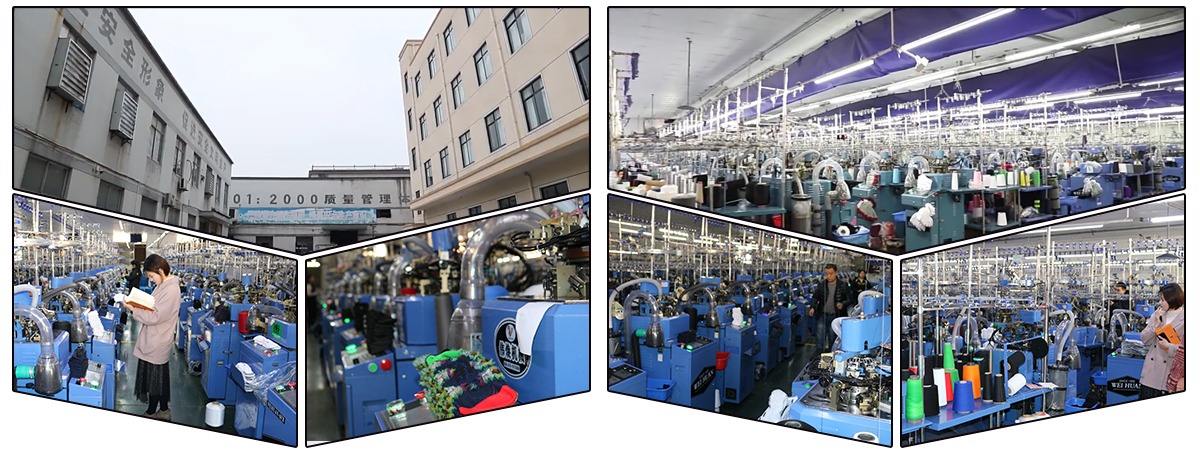
Yiwu Genke Apparel Co., Ltd. has specialized in customized socks for more than ten years and offers one-stop high-end sock customization services. Founded in 2016, the company reports 89 employees and a 1,200 sqm factory. Its range includes sports socks, branded advertising socks, yoga and Pilates socks, business socks, and fashion-oriented sock styles. The company holds Oeko-Tex 100 and BSCI certifications and serves customers from a variety of industries.
REPORT