







-
 Agriculture
-
 Health-Care
-
 Environment
-
 Construction-Real-Estate
-
 Tools-Hardware
-
 Home-Garden
-
 Furniture
-
 Luggage-Bags-Cases
-
 Medical-devices-Supplies
-
 Gifts-Crafts
-
 Sports-Entertainment
-
 Food-Beverage
-
 Vehicles-Transportation
-
 Power-Transmission
-
 Material-Handling
-
 Renewable-Energy
-
 Safety
-
 Testing-Instrument-Equipment
-
 Construction-Building-Machinery
-
 Pet-Supplies
-
 Personal-Care-Household-Cleaning
-
 Vehicle-Accessories-Electronics-Tools
-
 School-Office-Supplies
-
 Packaging-Printing
-
 Mother-Kids-Toys
-
 Business-Services
-
 Commercial-Equipment-Machinery
-
 Apparel-Accessories
-
 Security
-
 Shoes-Accessories
-
 Vehicle-Parts-Accessories
-
 Jewelry-Eyewear-Watches-Accessories
-
 Lights-Lighting
-
 Fabric-Textile-Raw-Material
-
 Fabrication-Services
-
 Industrial-Machinery
-
 Consumer-Electronics
-
 Electrical-Equipment-Supplies
-
 Electronic-Components-Accessories-Telecommunications
-
 Home-Appliances
-
 Beauty
-
 Chemicals
-
 Rubber-Plastics
-
 Metals-Alloys


























































































































































































































































































































































































































































































































































































- Masonry Materials
- Curtain Walls & Accessories
- Earthwork Products
- Fireproofing Materials
- Heat Insulation Materials
- Plastic Building Materials
- Building Boards
- Soundproofing Materials
- Timber
- Waterproofing Materials
- Balustrades & Handrails
- Bathroom & Kitchen
- Flooring & Accessories
- Tiles & Accessories
- Door, Window & Accessories
- Fireplaces & Stoves
- Floor Heating Systems & Parts
- Stairs & Stair Parts
- Ceilings
- Elevators & Escalators
- Stone
- Countertops, Vanity Tops & Table Tops
- Mosaics
- Metal Building Materials
- Multifunctional Materials
- Ladders & Scaffoldings
- Mouldings
- Corner Guards
- Decorative Films
- Formwork
- Building & Industrial Glass
- Other Construction & Real Estate
- Wallpapers/Wall panels
- HVAC System & Parts
- Outdoor Facilities
- Prefabricated Buildings
- Festive & Party Supplies
- Bathroom Products
- Household Sundries
- Rain Gear
- Garden Supplies
- Household Cleaning Tools & Accessories
- Lighters & Smoking Accessories
- Home Storage & Organization
- Household Scales
- Smart Home Improvement
- Home Textiles
- Kitchenware
- Drinkware & Accessories
- Dinnerware, Coffee & Wine
- Home Decor
- Golf
- Fitness & Body Building
- Amusement Park Facilities
- Billiards, Board Game,Coin Operated Games
- Musical Instruments
- Outdoor Affordable Luxury Sports
- Camping & Hiking
- Fishing
- Sports Safety&Rehabilitation
- Ball Sports Equipments
- Water Sports
- Winter Sports
- Luxury Travel Equipments
- Sports Shoes, Bags & Accessories
- Cycling
- Other Sports & Entertainment Products
- Artificial Grass&Sports Flooring&Sports Court Equipment
- Scooters
- Food Ingredients
- Honey & Honey Products
- Snacks
- Nuts & Kernels
- Seafood
- Plant & Animal Oil
- Beverages
- Fruit & Vegetable Products
- Frog & Escargot
- Bean Products
- Egg Products
- Dairy Products
- Seasonings & Condiments
- Canned Food
- Instant Food
- Baked Goods
- Other Food & Beverage
- Meat & Poultry
- Confectionery
- Grain Products
- Feminie Care
- Hair Care & Styling
- Body Care
- Hands & Feet Care
- Hygiene Products
- Men's Grooming
- Laundry Cleaning Supplies
- Travel Size & Gift Sets
- Room Deodorizers
- Other Personal Care Products
- Pest Control Products
- Special Household Cleaning
- Floor Cleaning
- Kitchen & Bathroom Cleaning
- Oral Care
- Bath Supplies
- Yellow Pages
- Correction Supplies
- Office Binding Supplies
- Office Cutting Supplies
- Board Erasers
- Office Adhesives & Tapes
- Education Supplies
- Pencil Cases & Bags
- Notebooks & Writing Pads
- File Folder Accessories
- Calendars
- Writing Accessories
- Commercial Office Supplies
- Pencil Sharpeners
- Pens
- Letter Pad/Paper
- Paper Envelopes
- Desk Organizers
- Pencils
- Markers & Highlighters
- Filing Products
- Art Supplies
- Easels
- Badge Holder & Accessories
- Office Paper
- Printer Supplies
- Book Covers
- Other Office & School Supplies
- Stationery Set
- Boards
- Clipboards
- Stamps
- Drafting Supplies
- Stencils
- Electronic Dictionary
- Books
- Map
- Magazines
- Calculators
- Baby & Toddler Toys
- Educational Toys
- Classic Toys
- Dress Up & Pretend Play
- Toy Vehicle
- Stuffed Animals & Plush Toys
- Outdoor Toys & Structures
- Balloons & Accessories
- Baby Food
- Children's Clothing
- Baby Supplies & Products
- Maternity Clothes
- Kids Shoes
- Baby Care
- Novelty & Gag Toys
- Dolls & Accessories
- Puzzle & Games
- Blocks & Model Building Toys
- Toddler Clothing
- Baby Clothing
- Kids' Luggage & Bags
- Arts, Crafts & DIY Toys
- Action & Toy Figures
- Baby Appliances
- Hobbies & Models
- Remote Control Toys
- Promotional Toys
- Pregnancy & Maternity
- Hygiene Products
- Kid's Textile&Bedding
- Novelty & Special Use
- Toy Weapons
- Baby Gifts
- Baby Storage & Organization
- Auto Drive Systems
- ATV/UTV Parts & Accessories
- Marine Parts & Accessories
- Other Auto Parts
- Trailer Parts & Accessories
- Auto Transmission Systems
- Train Parts & Accessories
- Universal Parts
- Railway Parts & Accessories
- Auto Brake Systems
- Aviation Parts & Accessories
- Truck Parts & Accessories
- Auto Suspension Systems
- Auto Lighting Systems
- New Energy Vehicle Parts & Accessories
- Auto Steering Systems
- Wheels, Tires & Accessories
- Bus Parts & Accessories
- Auto Performance Parts
- Cooling System
- Go-Kart & Kart Racer Parts & Accessories
- Air Conditioning Systems
- Heavy Duty Vehicle Parts & Accessories
- Auto Electrical Systems
- Auto Body Systems
- Auto Engine Systems
- Container Parts & Accessories
- Motorcycle Parts & Accessories
- Refrigeration & Heat Exchange Equipment
- Machine Tool Equipment
- Food & Beverage Machinery
- Agricultural Machinery & Equipment
- Apparel & Textile Machinery
- Chemical Machinery
- Packaging Machines
- Paper Production Machinery
- Plastic & Rubber Processing Machinery
- Industrial Robots
- Electronic Products Machinery
- Metal & Metallurgy Machinery
- Woodworking Machinery
- Home Product Manufacturing Machinery
- Machinery Accessories
- Environmental Machinery
- Machinery Service
- Electrical Equipment Manufacturing Machinery
- Industrial Compressors & Parts
- Tobacco & Cigarette Machinery
- Production Line
- Used Industrial Machinery
- Electronics Production Machinery
- Other Machinery & Industrial Equipment
- Camera, Photo & Accessories
- Portable Audio, Video & Accessories
- Television, Home Audio, Video & Accessories
- Video Games & Accessories
- Mobile Phone & Accessories
- Electronic Publications
- Earphone & Headphone & Accessories
- Speakers & Accessories
- Smart Electronics
- TV Receivers & Accessories
- Mobile Phone & Computer Repair Parts
- Chargers, Batteries & Power Supplies
- Used Electronics
- VR, AR, MR Hardware & Software
- Projectors & Presentation Equipments
- Other Consumer Electronics
- Cables & Commonly Used Accessories
- Computer Hardware & Software
- Displays, Signage and Optoelectronics
- Discrete Semiconductors
- Wireless & IoT Module and Products
- Telecommunications
- Connectors, Terminals & Accessories
- Development Boards, Electronic Modules and Kits
- Circuit Protection
- Sensors
- Isolators
- Audio Components and Products
- Integrated Circuits
- Power Supplies
- Relays
- RF, Microwave and RFID
- Electronic Accessories & Supplies
- Passive Components
- PCB & PCBA
- Air Quality Appliances
- Home Appliance Parts
- Heating & Cooling Appliances
- Small Kitchen Appliances
- Laundry Appliances
- Water Heaters
- Water Treatment Appliances
- Refrigerators & Freezers
- Personal Care & Beauty Appliances
- Major Kitchen Appliances
- Cleaning Appliances
- Second-hand Appliances
- Smart Home Appliances
- Other Home Appliances
- Energy Chemicals
- Inorganic Chemicals
- Basic Organic Chemicals
- Agrochemicals
- Admixture & Additives
- Catalysts & Chemical Auxiliary Agents
- Pigments & Dyestuff
- Coating & Paint
- Daily Chemicals
- Polymer
- Organic Intermediate
- Adhesives & Sealants
- Chemical Waste
- Biological Chemical Products
- Surface Treatment Chemicals
- Painting & Coating
- Chemical Reagents
- Flavor & Fragrance
- Non-Explosive Demolition Agents
- Other Chemicals
- Custom Chemical Services

Why Carbon Fiber Dry Heating Technology Is Replacing Liquid-Filled Towel Rails
Modern bathroom design and facility management are undergoing a major shift as carbon fiber dry heating systems steadily supersede traditional liquid-filled heated towel rails. Driven by rapid activation speeds, zero risk of leakage, and zero-maintenance architecture, solid-state electric heating technology provides exceptional energy performance, precise heat management, and a lightweight footprint suited for both residential homes and commercial developments.
Key Advantages Driving the Technological Transition
- Instant Thermal Output: Dry carbon fiber elements achieve optimal operational temperature in a fraction of the time required by fluid-medium systems.
- Leak-Proof Reliability: By operating without liquid transfer media, dry systems eliminate fluid leakage, internal pressurization, and long-term corrosion.
- Broad Application Versatility: Engineered for seamless deployment across residential wet rooms, luxury hotel projects, SPA facilities, and senior living environments.
- Patented Innovations & Safety: Powered by certified engineering, including designs like the ODO-R2B Swivel Rotating Electric Heated Towel Rack and the Automatic Towel Drying Cabinet.
Under the Hood: Carbon Fiber vs. Fluid-Medium Systems
Traditional liquid-filled towel warmers rely on heating a liquid reservoir inside the rail structure to distribute warmth. This reliance on a fluid medium creates noticeable thermal lag, taking considerable time to transfer heat to the exterior surfaces. By contrast, carbon fiber dry heating systems utilize solid-state resistance elements that generate direct thermal radiation, delivering fast, localized heat to towels while preventing unnecessary standby power loss.
From an installation and structural maintenance perspective, fluid-based units add substantial dead weight and introduce mechanical vulnerabilities at seal joints and air-bleed valves. Fully sealed solid-state carbon fiber components eliminate fluid breakdown, pressure bleeding, and valve maintenance entirely. To guarantee long-term operational integrity, advanced manufacturing relies on stringent quality control—such as a 14-step QC inspection protocol—to verify insulation resistance, heating element uniformity, and dielectric strength before dispatch.
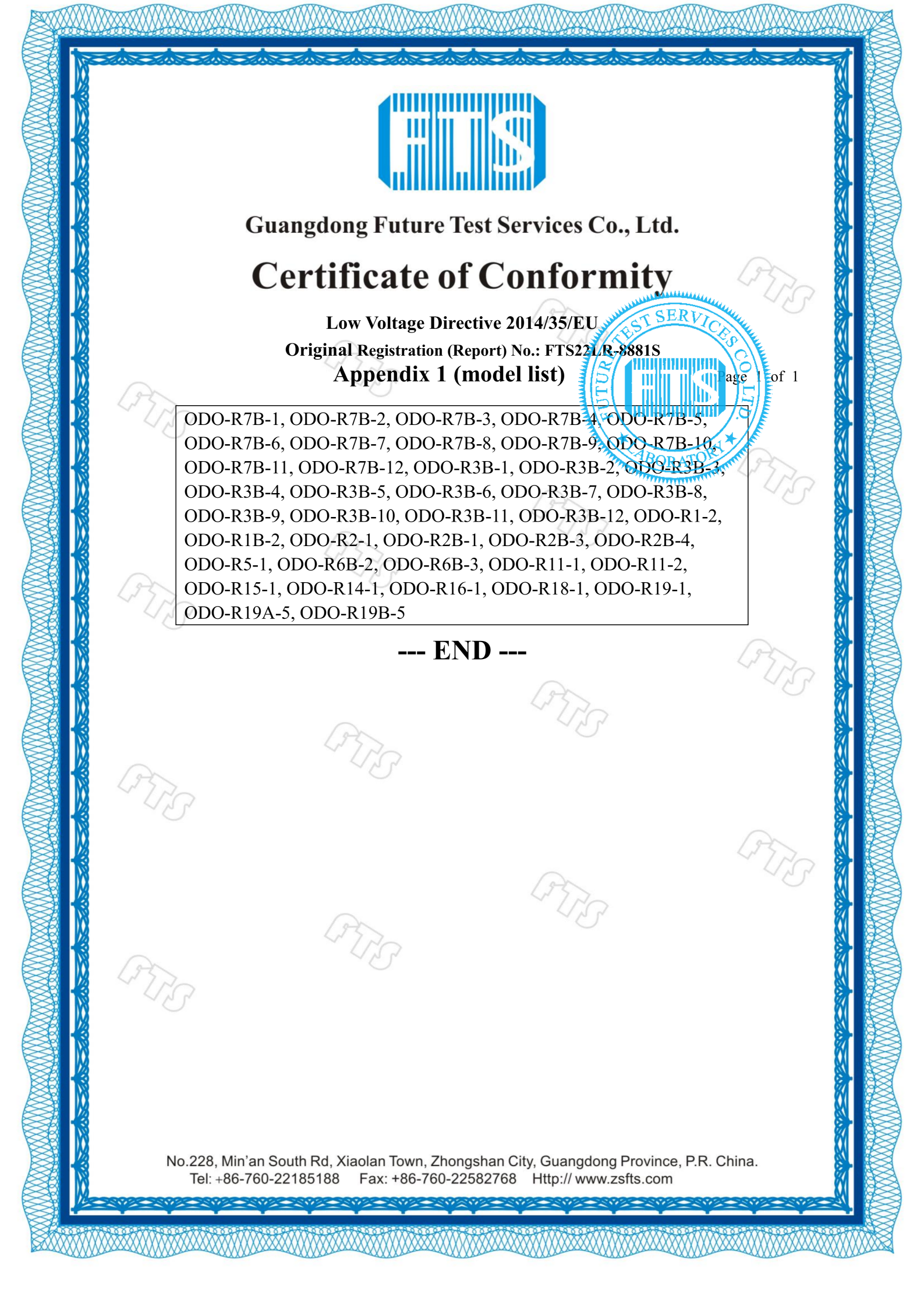
Adherence to global standardizations, including the CE-LVD certification (FTS22LC-8881S), confirms compliance with strict electrical safety and low-voltage guidelines. High-profile hospitality installations—such as the 260 wall-mounted units installed in the Warsaw Chain Hotel Renovation project and the 380 smart towel racks specified for Dubai's Palm Jumeirah 5-Star Hotel—demonstrate the growing preference for dry heating fixtures to minimize room upkeep costs and accelerate project installation timelines.
Feature-by-Feature Technical Comparison
| Parameter / Feature | Carbon Fiber Dry Heating System | Liquid-Filled Heated Towel Rail |
|---|---|---|
| Warm-Up Efficiency | Fast / Direct thermal radiation | Delayed / Requires fluid warm-up time |
| Risk of Fluid Leakage | Zero (Solid-state element) | Moderate (Risk at seals, valves & joints) |
| Maintenance Needs | Zero / Maintenance-free | Periodic fluid monitoring & pressure venting |
| Structural Weight | Lightweight construction | Heavy (Fluid volume adds mass) |
| Quality Assurance | 14-step comprehensive QC inspection | Standard fluid seal & pressure testing |
| Safety Certifications | CE-LVD Certified (FTS22LC-8881S) | Standard Hydraulic & Electrical Safety |
| Warranty Coverage | 2-Year Product Warranty | Standard Manufacturer Warranty |
Frequently Asked Questions
Q: Are carbon fiber dry heating systems more energy-efficient than fluid-filled rails?
A: Yes. Carbon fiber elements convert electric current directly into usable surface warmth without pre-heating a liquid reservoir, leading to shorter warm-up periods and reduced overall power consumption during intermittent use.
Q: Why are hospitality operators preferring dry electric heated towel racks?
A: Hotel developers choose dry heating technology because it removes the risk of fluid leaks that can damage guest rooms, requires virtually no maintenance, and delivers quick warmth to towels within minutes of turning on.
Q: Are dry heating towel racks safe for high-moisture environments like SPAs?
A: Absolutely. Units compliant with CE-LVD directives are fully engineered for safe operation in humid zones, including commercial SPAs, wellness retreats, senior living homes, and private bathrooms.
Summary & Recommendation
The industry-wide move toward carbon fiber dry heating technology marks a significant upgrade over traditional liquid-filled designs. Rapid thermal response, lighter product weight, and zero-leak reliability make dry electric towel rails the clear choice for residential upgrades, healthcare facilities, and hospitality developments. To learn more about our tailored product solutions or inquire about technical specifications, reach out to us at charlene@seosodo.com.
About Our Company
Foshan Pinshi Sanitary Ware Co., Ltd. was founded in 2014 under the renowned brand name ODO. Operating out of a modern 20,000-square-meter facility with 20 specialized production lines and over 200 high-precision machines, the company houses 245 skilled workers and achieves a monthly capacity of 100,000 units. Supported by a 20-person R&D engineering team holding over 50 product patents alongside global standards like CE certification, the enterprise delivers reliable sanitary solutions to residential, hospitality, and commercial developments across Europe, North America, the Middle East, and Southeast Asia.

REPORT