







-
 Agriculture
-
 Health-Care
-
 Environment
-
 Construction-Real-Estate
-
 Tools-Hardware
-
 Home-Garden
-
 Furniture
-
 Luggage-Bags-Cases
-
 Medical-devices-Supplies
-
 Gifts-Crafts
-
 Sports-Entertainment
-
 Food-Beverage
-
 Vehicles-Transportation
-
 Power-Transmission
-
 Material-Handling
-
 Renewable-Energy
-
 Safety
-
 Testing-Instrument-Equipment
-
 Construction-Building-Machinery
-
 Pet-Supplies
-
 Personal-Care-Household-Cleaning
-
 Vehicle-Accessories-Electronics-Tools
-
 School-Office-Supplies
-
 Packaging-Printing
-
 Mother-Kids-Toys
-
 Business-Services
-
 Commercial-Equipment-Machinery
-
 Apparel-Accessories
-
 Security
-
 Shoes-Accessories
-
 Vehicle-Parts-Accessories
-
 Jewelry-Eyewear-Watches-Accessories
-
 Lights-Lighting
-
 Fabric-Textile-Raw-Material
-
 Fabrication-Services
-
 Industrial-Machinery
-
 Consumer-Electronics
-
 Electrical-Equipment-Supplies
-
 Electronic-Components-Accessories-Telecommunications
-
 Home-Appliances
-
 Beauty
-
 Chemicals
-
 Rubber-Plastics
-
 Metals-Alloys


























































































































































































































































































































































































































































































































































































- Masonry Materials
- Curtain Walls & Accessories
- Earthwork Products
- Fireproofing Materials
- Heat Insulation Materials
- Plastic Building Materials
- Building Boards
- Soundproofing Materials
- Timber
- Waterproofing Materials
- Balustrades & Handrails
- Bathroom & Kitchen
- Flooring & Accessories
- Tiles & Accessories
- Door, Window & Accessories
- Fireplaces & Stoves
- Floor Heating Systems & Parts
- Stairs & Stair Parts
- Ceilings
- Elevators & Escalators
- Stone
- Countertops, Vanity Tops & Table Tops
- Mosaics
- Metal Building Materials
- Multifunctional Materials
- Ladders & Scaffoldings
- Mouldings
- Corner Guards
- Decorative Films
- Formwork
- Building & Industrial Glass
- Other Construction & Real Estate
- Wallpapers/Wall panels
- HVAC System & Parts
- Outdoor Facilities
- Prefabricated Buildings
- Festive & Party Supplies
- Bathroom Products
- Household Sundries
- Rain Gear
- Garden Supplies
- Household Cleaning Tools & Accessories
- Lighters & Smoking Accessories
- Home Storage & Organization
- Household Scales
- Smart Home Improvement
- Home Textiles
- Kitchenware
- Drinkware & Accessories
- Dinnerware, Coffee & Wine
- Home Decor
- Golf
- Fitness & Body Building
- Amusement Park Facilities
- Billiards, Board Game,Coin Operated Games
- Musical Instruments
- Outdoor Affordable Luxury Sports
- Camping & Hiking
- Fishing
- Sports Safety&Rehabilitation
- Ball Sports Equipments
- Water Sports
- Winter Sports
- Luxury Travel Equipments
- Sports Shoes, Bags & Accessories
- Cycling
- Other Sports & Entertainment Products
- Artificial Grass&Sports Flooring&Sports Court Equipment
- Scooters
- Food Ingredients
- Honey & Honey Products
- Snacks
- Nuts & Kernels
- Seafood
- Plant & Animal Oil
- Beverages
- Fruit & Vegetable Products
- Frog & Escargot
- Bean Products
- Egg Products
- Dairy Products
- Seasonings & Condiments
- Canned Food
- Instant Food
- Baked Goods
- Other Food & Beverage
- Meat & Poultry
- Confectionery
- Grain Products
- Feminie Care
- Hair Care & Styling
- Body Care
- Hands & Feet Care
- Hygiene Products
- Men's Grooming
- Laundry Cleaning Supplies
- Travel Size & Gift Sets
- Room Deodorizers
- Other Personal Care Products
- Pest Control Products
- Special Household Cleaning
- Floor Cleaning
- Kitchen & Bathroom Cleaning
- Oral Care
- Bath Supplies
- Yellow Pages
- Correction Supplies
- Office Binding Supplies
- Office Cutting Supplies
- Board Erasers
- Office Adhesives & Tapes
- Education Supplies
- Pencil Cases & Bags
- Notebooks & Writing Pads
- File Folder Accessories
- Calendars
- Writing Accessories
- Commercial Office Supplies
- Pencil Sharpeners
- Pens
- Letter Pad/Paper
- Paper Envelopes
- Desk Organizers
- Pencils
- Markers & Highlighters
- Filing Products
- Art Supplies
- Easels
- Badge Holder & Accessories
- Office Paper
- Printer Supplies
- Book Covers
- Other Office & School Supplies
- Stationery Set
- Boards
- Clipboards
- Stamps
- Drafting Supplies
- Stencils
- Electronic Dictionary
- Books
- Map
- Magazines
- Calculators
- Baby & Toddler Toys
- Educational Toys
- Classic Toys
- Dress Up & Pretend Play
- Toy Vehicle
- Stuffed Animals & Plush Toys
- Outdoor Toys & Structures
- Balloons & Accessories
- Baby Food
- Children's Clothing
- Baby Supplies & Products
- Maternity Clothes
- Kids Shoes
- Baby Care
- Novelty & Gag Toys
- Dolls & Accessories
- Puzzle & Games
- Blocks & Model Building Toys
- Toddler Clothing
- Baby Clothing
- Kids' Luggage & Bags
- Arts, Crafts & DIY Toys
- Action & Toy Figures
- Baby Appliances
- Hobbies & Models
- Remote Control Toys
- Promotional Toys
- Pregnancy & Maternity
- Hygiene Products
- Kid's Textile&Bedding
- Novelty & Special Use
- Toy Weapons
- Baby Gifts
- Baby Storage & Organization
- Auto Drive Systems
- ATV/UTV Parts & Accessories
- Marine Parts & Accessories
- Other Auto Parts
- Trailer Parts & Accessories
- Auto Transmission Systems
- Train Parts & Accessories
- Universal Parts
- Railway Parts & Accessories
- Auto Brake Systems
- Aviation Parts & Accessories
- Truck Parts & Accessories
- Auto Suspension Systems
- Auto Lighting Systems
- New Energy Vehicle Parts & Accessories
- Auto Steering Systems
- Wheels, Tires & Accessories
- Bus Parts & Accessories
- Auto Performance Parts
- Cooling System
- Go-Kart & Kart Racer Parts & Accessories
- Air Conditioning Systems
- Heavy Duty Vehicle Parts & Accessories
- Auto Electrical Systems
- Auto Body Systems
- Auto Engine Systems
- Container Parts & Accessories
- Motorcycle Parts & Accessories
- Refrigeration & Heat Exchange Equipment
- Machine Tool Equipment
- Food & Beverage Machinery
- Agricultural Machinery & Equipment
- Apparel & Textile Machinery
- Chemical Machinery
- Packaging Machines
- Paper Production Machinery
- Plastic & Rubber Processing Machinery
- Industrial Robots
- Electronic Products Machinery
- Metal & Metallurgy Machinery
- Woodworking Machinery
- Home Product Manufacturing Machinery
- Machinery Accessories
- Environmental Machinery
- Machinery Service
- Electrical Equipment Manufacturing Machinery
- Industrial Compressors & Parts
- Tobacco & Cigarette Machinery
- Production Line
- Used Industrial Machinery
- Electronics Production Machinery
- Other Machinery & Industrial Equipment
- Camera, Photo & Accessories
- Portable Audio, Video & Accessories
- Television, Home Audio, Video & Accessories
- Video Games & Accessories
- Mobile Phone & Accessories
- Electronic Publications
- Earphone & Headphone & Accessories
- Speakers & Accessories
- Smart Electronics
- TV Receivers & Accessories
- Mobile Phone & Computer Repair Parts
- Chargers, Batteries & Power Supplies
- Used Electronics
- VR, AR, MR Hardware & Software
- Projectors & Presentation Equipments
- Other Consumer Electronics
- Cables & Commonly Used Accessories
- Computer Hardware & Software
- Displays, Signage and Optoelectronics
- Discrete Semiconductors
- Wireless & IoT Module and Products
- Telecommunications
- Connectors, Terminals & Accessories
- Development Boards, Electronic Modules and Kits
- Circuit Protection
- Sensors
- Isolators
- Audio Components and Products
- Integrated Circuits
- Power Supplies
- Relays
- RF, Microwave and RFID
- Electronic Accessories & Supplies
- Passive Components
- PCB & PCBA
- Air Quality Appliances
- Home Appliance Parts
- Heating & Cooling Appliances
- Small Kitchen Appliances
- Laundry Appliances
- Water Heaters
- Water Treatment Appliances
- Refrigerators & Freezers
- Personal Care & Beauty Appliances
- Major Kitchen Appliances
- Cleaning Appliances
- Second-hand Appliances
- Smart Home Appliances
- Other Home Appliances
- Energy Chemicals
- Inorganic Chemicals
- Basic Organic Chemicals
- Agrochemicals
- Admixture & Additives
- Catalysts & Chemical Auxiliary Agents
- Pigments & Dyestuff
- Coating & Paint
- Daily Chemicals
- Polymer
- Organic Intermediate
- Adhesives & Sealants
- Chemical Waste
- Biological Chemical Products
- Surface Treatment Chemicals
- Painting & Coating
- Chemical Reagents
- Flavor & Fragrance
- Non-Explosive Demolition Agents
- Other Chemicals
- Custom Chemical Services

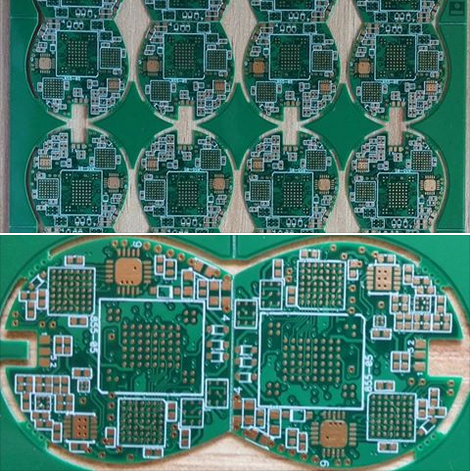
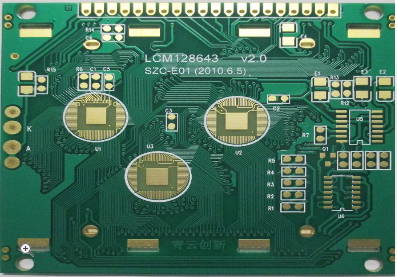
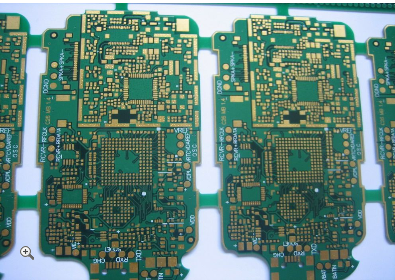
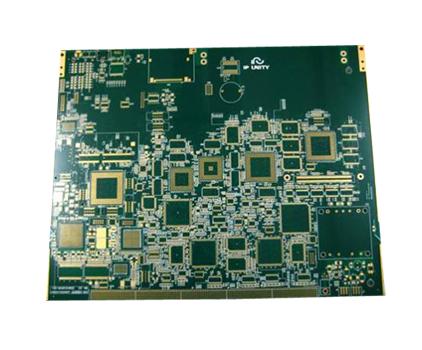
Custom HDI PCB Solutions Featuring Blind And Buried Vias For Maximum Design Flexibility And Reduced Footprint
In the relentless pursuit of miniaturization and enhanced performance within the electronics industry, the limitations of traditional printed circuit board (PCB) technology have become increasingly apparent. As devices shrink in size yet grow in functional complexity, designers face the formidable challenge of packing more interconnections into ever-smaller footprints. This is where High-Density Interconnect (HDI) technology emerges as a transformative solution. Among its most powerful features are blind and buried vias, which unlock unprecedented levels of design flexibility. This article delves into the world of custom HDI PCB solutions that leverage these advanced via structures, exploring how they empower engineers to achieve maximum design freedom while significantly reducing the physical footprint of their electronic assemblies, paving the way for the next generation of compact, high-performance devices.
The Architectural Advantage: Understanding Blind and Buried Vias
To appreciate the innovation behind custom HDI solutions, one must first understand the core components: blind and buried vias. Traditional through-hole vias penetrate the entire board thickness, connecting all layers from top to bottom. While reliable, they consume valuable real estate on every layer, limiting routing density. Blind vias, in contrast, connect an outer layer to one or more inner layers without passing through the entire board. They are visible from one surface only, like a "blind" hole. Buried vias are entirely contained within the inner layers, connecting two or more internal layers without reaching either outer surface.
The implementation of these vias is made possible through sequential lamination processes. In this method, the PCB is built up in stages. A core layer is fabricated first, potentially with its own buried vias. Then, additional dielectric and copper foil layers are laminated onto this core. Laser drilling, capable of creating extremely small and precise holes, is used to form the micro-vias—often including blind vias—in these newly added layers before the next lamination cycle. This layered approach allows for the creation of complex, three-dimensional interconnect architectures within the board's substrate, fundamentally changing how routing pathways are planned and executed.
Maximizing Design Flexibility and Routing Density
The primary benefit of incorporating blind and buried vias into a custom HDI design is the dramatic increase in available routing channels. By freeing the outer layers from the obstruction of through-holes, designers gain precious surface area. This "real estate" can be repurposed for additional component placement or for routing high-speed signal traces that require controlled impedance and minimal length. The ability to create connections between specific layers without affecting others allows for more efficient use of the inner layers as well.
This enhanced routing capability directly translates to greater design flexibility. Engineers are no longer forced into convoluted routing paths to avoid through-vias. They can create direct, point-to-point connections between components and ICs, which is critical for managing signal integrity in high-speed digital and RF applications. Shorter trace lengths reduce signal propagation delay, attenuation, and the risk of crosstalk. Furthermore, the use of micro-vias (typically defined as vias with a diameter of 150 microns or less) enables routing directly into the pads of fine-pitch Ball Grid Array (BGA) and chip-scale package components, something impossible with conventional drilling techniques. This allows for the use of the most advanced semiconductors without compromising on PCB layout.
Achieving a Reduced Footprint and Enhanced Performance
The drive for smaller, lighter, and more portable electronics is inexorable. Custom HDI PCBs with blind and buried vias are at the forefront of this trend. By maximizing interconnect density within a multilayer stackup, the overall board area required for a given functionality can be substantially reduced. A design that might have required a large, 8-layer board with through-vias can often be implemented in a much smaller, 10+ layer HDI board with a higher layer utilization efficiency, leading to a smaller total footprint.
This miniaturization goes hand-in-hand with performance enhancements. The reduced parasitic inductance and capacitance associated with smaller blind and buried micro-vias contribute to better electrical performance, especially at high frequencies. The compact layout minimizes loop areas, which can reduce electromagnetic interference (EMI) emissions. Additionally, the structural integrity of the board can be improved. Since blind and buried vias do not create a continuous hole through the entire board, they leave more uninterrupted planar copper for power and ground planes, enhancing power delivery and thermal management. The result is a device that is not only smaller but also faster, more reliable, and more power-efficient.
Application Areas and Custom Solution Considerations
The applications for these advanced HDI solutions are vast and growing. They are indispensable in modern smartphones, tablets, and wearables, where space is at an absolute premium. The aerospace and defense sectors rely on them for avionics, satellite systems, and portable military equipment that demand high reliability in a compact form factor. Medical technology, such as implantable devices, diagnostic imaging equipment, and portable monitors, benefits from the miniaturization and high reliability HDI offers. Similarly, high-performance computing, network infrastructure, and advanced automotive electronics (particularly for ADAS and infotainment systems) are major drivers for this technology.
Implementing a successful custom HDI solution requires a close partnership between the design engineer and the PCB manufacturer. Key considerations include defining the layer stack-up, specifying via types and their aspect ratios, and selecting appropriate materials that can withstand multiple lamination cycles. Design for Manufacturability (DFM) is critical; rules for via-in-pad design, copper balancing, and laser drill registration must be meticulously followed. Furthermore, thorough testing strategies, such as micro-sectioning analysis and advanced electrical testing, are essential to validate the integrity of the blind and buried via structures. A manufacturer with proven expertise in sequential lamination and precision laser drilling is crucial for bringing these complex, high-value designs to life reliably and cost-effectively.
REPORT