







-
 Agriculture
-
 Health-Care
-
 Environment
-
 Construction-Real-Estate
-
 Tools-Hardware
-
 Home-Garden
-
 Furniture
-
 Luggage-Bags-Cases
-
 Medical-devices-Supplies
-
 Gifts-Crafts
-
 Sports-Entertainment
-
 Food-Beverage
-
 Vehicles-Transportation
-
 Power-Transmission
-
 Material-Handling
-
 Renewable-Energy
-
 Safety
-
 Testing-Instrument-Equipment
-
 Construction-Building-Machinery
-
 Pet-Supplies
-
 Personal-Care-Household-Cleaning
-
 Vehicle-Accessories-Electronics-Tools
-
 School-Office-Supplies
-
 Packaging-Printing
-
 Mother-Kids-Toys
-
 Business-Services
-
 Commercial-Equipment-Machinery
-
 Apparel-Accessories
-
 Security
-
 Shoes-Accessories
-
 Vehicle-Parts-Accessories
-
 Jewelry-Eyewear-Watches-Accessories
-
 Lights-Lighting
-
 Fabric-Textile-Raw-Material
-
 Fabrication-Services
-
 Industrial-Machinery
-
 Consumer-Electronics
-
 Electrical-Equipment-Supplies
-
 Electronic-Components-Accessories-Telecommunications
-
 Home-Appliances
-
 Beauty
-
 Chemicals
-
 Rubber-Plastics
-
 Metals-Alloys


























































































































































































































































































































































































































































































































































































- Masonry Materials
- Curtain Walls & Accessories
- Earthwork Products
- Fireproofing Materials
- Heat Insulation Materials
- Plastic Building Materials
- Building Boards
- Soundproofing Materials
- Timber
- Waterproofing Materials
- Balustrades & Handrails
- Bathroom & Kitchen
- Flooring & Accessories
- Tiles & Accessories
- Door, Window & Accessories
- Fireplaces & Stoves
- Floor Heating Systems & Parts
- Stairs & Stair Parts
- Ceilings
- Elevators & Escalators
- Stone
- Countertops, Vanity Tops & Table Tops
- Mosaics
- Metal Building Materials
- Multifunctional Materials
- Ladders & Scaffoldings
- Mouldings
- Corner Guards
- Decorative Films
- Formwork
- Building & Industrial Glass
- Other Construction & Real Estate
- Wallpapers/Wall panels
- HVAC System & Parts
- Outdoor Facilities
- Prefabricated Buildings
- Festive & Party Supplies
- Bathroom Products
- Household Sundries
- Rain Gear
- Garden Supplies
- Household Cleaning Tools & Accessories
- Lighters & Smoking Accessories
- Home Storage & Organization
- Household Scales
- Smart Home Improvement
- Home Textiles
- Kitchenware
- Drinkware & Accessories
- Dinnerware, Coffee & Wine
- Home Decor
- Golf
- Fitness & Body Building
- Amusement Park Facilities
- Billiards, Board Game,Coin Operated Games
- Musical Instruments
- Outdoor Affordable Luxury Sports
- Camping & Hiking
- Fishing
- Sports Safety&Rehabilitation
- Ball Sports Equipments
- Water Sports
- Winter Sports
- Luxury Travel Equipments
- Sports Shoes, Bags & Accessories
- Cycling
- Other Sports & Entertainment Products
- Artificial Grass&Sports Flooring&Sports Court Equipment
- Scooters
- Food Ingredients
- Honey & Honey Products
- Snacks
- Nuts & Kernels
- Seafood
- Plant & Animal Oil
- Beverages
- Fruit & Vegetable Products
- Frog & Escargot
- Bean Products
- Egg Products
- Dairy Products
- Seasonings & Condiments
- Canned Food
- Instant Food
- Baked Goods
- Other Food & Beverage
- Meat & Poultry
- Confectionery
- Grain Products
- Feminie Care
- Hair Care & Styling
- Body Care
- Hands & Feet Care
- Hygiene Products
- Men's Grooming
- Laundry Cleaning Supplies
- Travel Size & Gift Sets
- Room Deodorizers
- Other Personal Care Products
- Pest Control Products
- Special Household Cleaning
- Floor Cleaning
- Kitchen & Bathroom Cleaning
- Oral Care
- Bath Supplies
- Yellow Pages
- Correction Supplies
- Office Binding Supplies
- Office Cutting Supplies
- Board Erasers
- Office Adhesives & Tapes
- Education Supplies
- Pencil Cases & Bags
- Notebooks & Writing Pads
- File Folder Accessories
- Calendars
- Writing Accessories
- Commercial Office Supplies
- Pencil Sharpeners
- Pens
- Letter Pad/Paper
- Paper Envelopes
- Desk Organizers
- Pencils
- Markers & Highlighters
- Filing Products
- Art Supplies
- Easels
- Badge Holder & Accessories
- Office Paper
- Printer Supplies
- Book Covers
- Other Office & School Supplies
- Stationery Set
- Boards
- Clipboards
- Stamps
- Drafting Supplies
- Stencils
- Electronic Dictionary
- Books
- Map
- Magazines
- Calculators
- Baby & Toddler Toys
- Educational Toys
- Classic Toys
- Dress Up & Pretend Play
- Toy Vehicle
- Stuffed Animals & Plush Toys
- Outdoor Toys & Structures
- Balloons & Accessories
- Baby Food
- Children's Clothing
- Baby Supplies & Products
- Maternity Clothes
- Kids Shoes
- Baby Care
- Novelty & Gag Toys
- Dolls & Accessories
- Puzzle & Games
- Blocks & Model Building Toys
- Toddler Clothing
- Baby Clothing
- Kids' Luggage & Bags
- Arts, Crafts & DIY Toys
- Action & Toy Figures
- Baby Appliances
- Hobbies & Models
- Remote Control Toys
- Promotional Toys
- Pregnancy & Maternity
- Hygiene Products
- Kid's Textile&Bedding
- Novelty & Special Use
- Toy Weapons
- Baby Gifts
- Baby Storage & Organization
- Auto Drive Systems
- ATV/UTV Parts & Accessories
- Marine Parts & Accessories
- Other Auto Parts
- Trailer Parts & Accessories
- Auto Transmission Systems
- Train Parts & Accessories
- Universal Parts
- Railway Parts & Accessories
- Auto Brake Systems
- Aviation Parts & Accessories
- Truck Parts & Accessories
- Auto Suspension Systems
- Auto Lighting Systems
- New Energy Vehicle Parts & Accessories
- Auto Steering Systems
- Wheels, Tires & Accessories
- Bus Parts & Accessories
- Auto Performance Parts
- Cooling System
- Go-Kart & Kart Racer Parts & Accessories
- Air Conditioning Systems
- Heavy Duty Vehicle Parts & Accessories
- Auto Electrical Systems
- Auto Body Systems
- Auto Engine Systems
- Container Parts & Accessories
- Motorcycle Parts & Accessories
- Refrigeration & Heat Exchange Equipment
- Machine Tool Equipment
- Food & Beverage Machinery
- Agricultural Machinery & Equipment
- Apparel & Textile Machinery
- Chemical Machinery
- Packaging Machines
- Paper Production Machinery
- Plastic & Rubber Processing Machinery
- Industrial Robots
- Electronic Products Machinery
- Metal & Metallurgy Machinery
- Woodworking Machinery
- Home Product Manufacturing Machinery
- Machinery Accessories
- Environmental Machinery
- Machinery Service
- Electrical Equipment Manufacturing Machinery
- Industrial Compressors & Parts
- Tobacco & Cigarette Machinery
- Production Line
- Used Industrial Machinery
- Electronics Production Machinery
- Other Machinery & Industrial Equipment
- Camera, Photo & Accessories
- Portable Audio, Video & Accessories
- Television, Home Audio, Video & Accessories
- Video Games & Accessories
- Mobile Phone & Accessories
- Electronic Publications
- Earphone & Headphone & Accessories
- Speakers & Accessories
- Smart Electronics
- TV Receivers & Accessories
- Mobile Phone & Computer Repair Parts
- Chargers, Batteries & Power Supplies
- Used Electronics
- VR, AR, MR Hardware & Software
- Projectors & Presentation Equipments
- Other Consumer Electronics
- Cables & Commonly Used Accessories
- Computer Hardware & Software
- Displays, Signage and Optoelectronics
- Discrete Semiconductors
- Wireless & IoT Module and Products
- Telecommunications
- Connectors, Terminals & Accessories
- Development Boards, Electronic Modules and Kits
- Circuit Protection
- Sensors
- Isolators
- Audio Components and Products
- Integrated Circuits
- Power Supplies
- Relays
- RF, Microwave and RFID
- Electronic Accessories & Supplies
- Passive Components
- PCB & PCBA
- Air Quality Appliances
- Home Appliance Parts
- Heating & Cooling Appliances
- Small Kitchen Appliances
- Laundry Appliances
- Water Heaters
- Water Treatment Appliances
- Refrigerators & Freezers
- Personal Care & Beauty Appliances
- Major Kitchen Appliances
- Cleaning Appliances
- Second-hand Appliances
- Smart Home Appliances
- Other Home Appliances
- Energy Chemicals
- Inorganic Chemicals
- Basic Organic Chemicals
- Agrochemicals
- Admixture & Additives
- Catalysts & Chemical Auxiliary Agents
- Pigments & Dyestuff
- Coating & Paint
- Daily Chemicals
- Polymer
- Organic Intermediate
- Adhesives & Sealants
- Chemical Waste
- Biological Chemical Products
- Surface Treatment Chemicals
- Painting & Coating
- Chemical Reagents
- Flavor & Fragrance
- Non-Explosive Demolition Agents
- Other Chemicals
- Custom Chemical Services

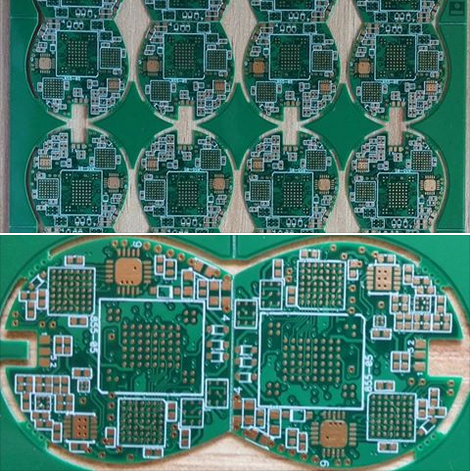
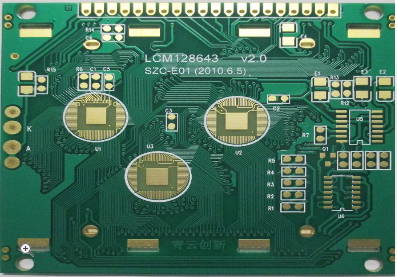
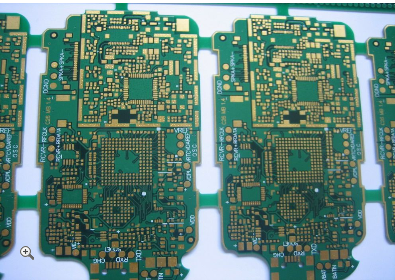
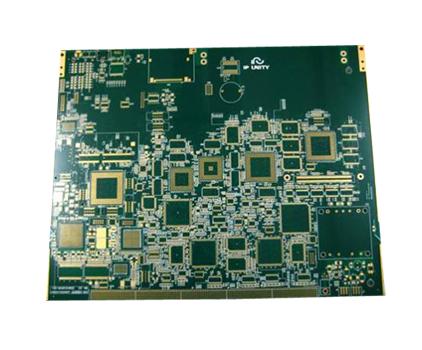
Cutting Edge Ceramic Board Features For Superior Thermal Management In Microwave RF PCBs
In the rapidly advancing world of high-frequency electronics, the demand for Microwave and Radio Frequency (RF) Printed Circuit Boards (PCBs) that can deliver uncompromising performance and reliability is greater than ever. These circuits form the backbone of critical modern technologies, from satellite communications and radar systems to 5G infrastructure and advanced medical devices. However, a persistent and formidable challenge in this domain is thermal management. As power densities increase and device footprints shrink, effectively dissipating heat becomes paramount to prevent signal degradation, material failure, and reduced operational lifespan. This is where the material foundation of the PCB itself becomes the decisive factor. Enter cutting-edge ceramic board substrates—a class of advanced materials engineered specifically to conquer thermal challenges while maintaining exceptional electrical properties. Moving beyond the limitations of traditional FR-4 or even standard PTFE-based laminates, these ceramic boards represent a paradigm shift, offering a suite of features that enable superior thermal management, thereby unlocking new levels of performance and durability in the most demanding Microwave RF applications.
Exceptional Thermal Conductivity and Low Coefficient of Thermal Expansion
The cornerstone of a ceramic board's superiority in thermal management is its exceptional intrinsic thermal conductivity. Materials like aluminum oxide (Al2O3), aluminum nitride (AlN), and beryllium oxide (BeO) offer thermal conductivity values that are orders of magnitude higher than those of conventional organic substrates. For instance, while FR-4 might have a thermal conductivity around 0.3 W/mK, AlN can achieve values between 170 to 230 W/mK. This dramatic difference means heat generated by power amplifiers, oscillators, and other active components is rapidly conducted away from the source and spread across the board, preventing the formation of localized hot spots that can lead to thermal runaway.
Complementing this high thermal conductivity is a closely matched Coefficient of Thermal Expansion (CTE). Ceramic substrates, particularly AlN, can be engineered to have a CTE very close to that of silicon and other semiconductor materials used in chip packaging. This CTE matching is critical for reliability. During power cycling, components and the board undergo repeated heating and cooling. A significant mismatch in CTE induces mechanical stress at the solder joints and interfaces, leading to cracking and eventual failure. The low and matched CTE of advanced ceramics minimizes this stress, ensuring robust mechanical integrity over the product's lifetime, which is especially vital for aerospace and military applications where failure is not an option.
Inherent High-Temperature Stability and Dimensional Rigidity
Microwave RF circuits, especially in power applications, often operate in environments where ambient temperatures are high or where internal heat generation is substantial. Organic substrates have glass transition temperatures (Tg) beyond which their mechanical and electrical properties begin to deteriorate rapidly. Advanced ceramic boards, in contrast, are sintered at extremely high temperatures, granting them inherent stability far beyond the operational range of any electronic circuit. They do not soften, warp, or outgas under high thermal loads, maintaining their structural and dielectric integrity.
This dimensional rigidity under thermal stress is another crucial feature. The board substrate must act as a stable mechanical platform. Any warping or expansion can misalign delicate transmission lines, alter impedance characteristics, and detune resonant structures, all of which directly degrade RF performance. Ceramic boards provide an invariant platform. Their rigidity ensures that critical geometries—such as the width and spacing of microstrip lines, the dimensions of patch antennas, or the gaps in coupled-line filters—remain constant regardless of temperature fluctuations. This stability is fundamental for maintaining consistent gain, bandwidth, and noise figure in high-frequency designs.
Superior Electrical Properties at Microwave Frequencies
While thermal management is the primary focus, the electrical performance of the substrate material at microwave frequencies cannot be compromised. Ceramic boards excel in this regard as well. They offer a range of available dielectric constants (Dk), allowing designers to select a material that optimizes circuit size and performance. A higher Dk can enable more compact circuit designs, which is valuable for miniaturization. Furthermore, these materials exhibit very low dielectric loss tangents (Df), meaning they absorb minimal energy from the propagating electromagnetic signal.
This low loss tangent is directly linked to efficiency and thermal management. Inefficient substrates convert valuable RF energy into waste heat, exacerbating the thermal problem they are meant to solve. The low loss of ceramics ensures that more of the signal power is delivered to the load and less is dissipated as heat within the board material itself. This results in circuits with higher efficiency, lower noise, and reduced passive heating. Additionally, the smooth, fine-grained surface finish achievable with polished ceramics allows for the precise fabrication of high-resolution conductor patterns, which is essential for defining accurate transmission line geometries and ensuring consistent characteristic impedance up to millimeter-wave frequencies.
Enabling Advanced Packaging and Integration Techniques
The unique properties of ceramic boards facilitate advanced packaging approaches that further enhance thermal and electrical performance. One prominent technique is the direct bond copper (DBC) process, where a layer of copper is bonded directly to the ceramic substrate at a high temperature. This creates a robust, thermally conductive foundation with excellent electrical connectivity for mounting power devices. The copper layer can be patterned to form thick, high-current traces and large thermal pads, acting as an integral heat spreader that efficiently transfers heat from a device die into the bulk ceramic.
Furthermore, the hermetic nature of sintered ceramics makes them ideal for creating sealed packages or Multichip Modules (MCMs). Sensitive RF ICs and bare die can be mounted directly onto the ceramic substrate, and a lid can be soldered or welded on to create a protective cavity. This protects components from moisture, dust, and other environmental contaminants, enhancing long-term reliability. The ceramic substrate itself serves as the package floor, providing a direct, low-thermal-resistance path from the chip to the external heat sink or chassis. This level of integration, combining circuit, package, and thermal path into a single, robust ceramic platform, is a key enabler for next-generation, high-reliability RF systems where performance, size, and thermal dissipation are all critical constraints.
REPORT