







-
 Agriculture
-
 Health-Care
-
 Environment
-
 Construction-Real-Estate
-
 Tools-Hardware
-
 Home-Garden
-
 Furniture
-
 Luggage-Bags-Cases
-
 Medical-devices-Supplies
-
 Gifts-Crafts
-
 Sports-Entertainment
-
 Food-Beverage
-
 Vehicles-Transportation
-
 Power-Transmission
-
 Material-Handling
-
 Renewable-Energy
-
 Safety
-
 Testing-Instrument-Equipment
-
 Construction-Building-Machinery
-
 Pet-Supplies
-
 Personal-Care-Household-Cleaning
-
 Vehicle-Accessories-Electronics-Tools
-
 School-Office-Supplies
-
 Packaging-Printing
-
 Mother-Kids-Toys
-
 Business-Services
-
 Commercial-Equipment-Machinery
-
 Apparel-Accessories
-
 Security
-
 Shoes-Accessories
-
 Vehicle-Parts-Accessories
-
 Jewelry-Eyewear-Watches-Accessories
-
 Lights-Lighting
-
 Fabric-Textile-Raw-Material
-
 Fabrication-Services
-
 Industrial-Machinery
-
 Consumer-Electronics
-
 Electrical-Equipment-Supplies
-
 Electronic-Components-Accessories-Telecommunications
-
 Home-Appliances
-
 Beauty
-
 Chemicals
-
 Rubber-Plastics
-
 Metals-Alloys


























































































































































































































































































































































































































































































































































































- Masonry Materials
- Curtain Walls & Accessories
- Earthwork Products
- Fireproofing Materials
- Heat Insulation Materials
- Plastic Building Materials
- Building Boards
- Soundproofing Materials
- Timber
- Waterproofing Materials
- Balustrades & Handrails
- Bathroom & Kitchen
- Flooring & Accessories
- Tiles & Accessories
- Door, Window & Accessories
- Fireplaces & Stoves
- Floor Heating Systems & Parts
- Stairs & Stair Parts
- Ceilings
- Elevators & Escalators
- Stone
- Countertops, Vanity Tops & Table Tops
- Mosaics
- Metal Building Materials
- Multifunctional Materials
- Ladders & Scaffoldings
- Mouldings
- Corner Guards
- Decorative Films
- Formwork
- Building & Industrial Glass
- Other Construction & Real Estate
- Wallpapers/Wall panels
- HVAC System & Parts
- Outdoor Facilities
- Prefabricated Buildings
- Festive & Party Supplies
- Bathroom Products
- Household Sundries
- Rain Gear
- Garden Supplies
- Household Cleaning Tools & Accessories
- Lighters & Smoking Accessories
- Home Storage & Organization
- Household Scales
- Smart Home Improvement
- Home Textiles
- Kitchenware
- Drinkware & Accessories
- Dinnerware, Coffee & Wine
- Home Decor
- Golf
- Fitness & Body Building
- Amusement Park Facilities
- Billiards, Board Game,Coin Operated Games
- Musical Instruments
- Outdoor Affordable Luxury Sports
- Camping & Hiking
- Fishing
- Sports Safety&Rehabilitation
- Ball Sports Equipments
- Water Sports
- Winter Sports
- Luxury Travel Equipments
- Sports Shoes, Bags & Accessories
- Cycling
- Other Sports & Entertainment Products
- Artificial Grass&Sports Flooring&Sports Court Equipment
- Scooters
- Food Ingredients
- Honey & Honey Products
- Snacks
- Nuts & Kernels
- Seafood
- Plant & Animal Oil
- Beverages
- Fruit & Vegetable Products
- Frog & Escargot
- Bean Products
- Egg Products
- Dairy Products
- Seasonings & Condiments
- Canned Food
- Instant Food
- Baked Goods
- Other Food & Beverage
- Meat & Poultry
- Confectionery
- Grain Products
- Feminie Care
- Hair Care & Styling
- Body Care
- Hands & Feet Care
- Hygiene Products
- Men's Grooming
- Laundry Cleaning Supplies
- Travel Size & Gift Sets
- Room Deodorizers
- Other Personal Care Products
- Pest Control Products
- Special Household Cleaning
- Floor Cleaning
- Kitchen & Bathroom Cleaning
- Oral Care
- Bath Supplies
- Yellow Pages
- Correction Supplies
- Office Binding Supplies
- Office Cutting Supplies
- Board Erasers
- Office Adhesives & Tapes
- Education Supplies
- Pencil Cases & Bags
- Notebooks & Writing Pads
- File Folder Accessories
- Calendars
- Writing Accessories
- Commercial Office Supplies
- Pencil Sharpeners
- Pens
- Letter Pad/Paper
- Paper Envelopes
- Desk Organizers
- Pencils
- Markers & Highlighters
- Filing Products
- Art Supplies
- Easels
- Badge Holder & Accessories
- Office Paper
- Printer Supplies
- Book Covers
- Other Office & School Supplies
- Stationery Set
- Boards
- Clipboards
- Stamps
- Drafting Supplies
- Stencils
- Electronic Dictionary
- Books
- Map
- Magazines
- Calculators
- Baby & Toddler Toys
- Educational Toys
- Classic Toys
- Dress Up & Pretend Play
- Toy Vehicle
- Stuffed Animals & Plush Toys
- Outdoor Toys & Structures
- Balloons & Accessories
- Baby Food
- Children's Clothing
- Baby Supplies & Products
- Maternity Clothes
- Kids Shoes
- Baby Care
- Novelty & Gag Toys
- Dolls & Accessories
- Puzzle & Games
- Blocks & Model Building Toys
- Toddler Clothing
- Baby Clothing
- Kids' Luggage & Bags
- Arts, Crafts & DIY Toys
- Action & Toy Figures
- Baby Appliances
- Hobbies & Models
- Remote Control Toys
- Promotional Toys
- Pregnancy & Maternity
- Hygiene Products
- Kid's Textile&Bedding
- Novelty & Special Use
- Toy Weapons
- Baby Gifts
- Baby Storage & Organization
- Auto Drive Systems
- ATV/UTV Parts & Accessories
- Marine Parts & Accessories
- Other Auto Parts
- Trailer Parts & Accessories
- Auto Transmission Systems
- Train Parts & Accessories
- Universal Parts
- Railway Parts & Accessories
- Auto Brake Systems
- Aviation Parts & Accessories
- Truck Parts & Accessories
- Auto Suspension Systems
- Auto Lighting Systems
- New Energy Vehicle Parts & Accessories
- Auto Steering Systems
- Wheels, Tires & Accessories
- Bus Parts & Accessories
- Auto Performance Parts
- Cooling System
- Go-Kart & Kart Racer Parts & Accessories
- Air Conditioning Systems
- Heavy Duty Vehicle Parts & Accessories
- Auto Electrical Systems
- Auto Body Systems
- Auto Engine Systems
- Container Parts & Accessories
- Motorcycle Parts & Accessories
- Refrigeration & Heat Exchange Equipment
- Machine Tool Equipment
- Food & Beverage Machinery
- Agricultural Machinery & Equipment
- Apparel & Textile Machinery
- Chemical Machinery
- Packaging Machines
- Paper Production Machinery
- Plastic & Rubber Processing Machinery
- Industrial Robots
- Electronic Products Machinery
- Metal & Metallurgy Machinery
- Woodworking Machinery
- Home Product Manufacturing Machinery
- Machinery Accessories
- Environmental Machinery
- Machinery Service
- Electrical Equipment Manufacturing Machinery
- Industrial Compressors & Parts
- Tobacco & Cigarette Machinery
- Production Line
- Used Industrial Machinery
- Electronics Production Machinery
- Other Machinery & Industrial Equipment
- Camera, Photo & Accessories
- Portable Audio, Video & Accessories
- Television, Home Audio, Video & Accessories
- Video Games & Accessories
- Mobile Phone & Accessories
- Electronic Publications
- Earphone & Headphone & Accessories
- Speakers & Accessories
- Smart Electronics
- TV Receivers & Accessories
- Mobile Phone & Computer Repair Parts
- Chargers, Batteries & Power Supplies
- Used Electronics
- VR, AR, MR Hardware & Software
- Projectors & Presentation Equipments
- Other Consumer Electronics
- Cables & Commonly Used Accessories
- Computer Hardware & Software
- Displays, Signage and Optoelectronics
- Discrete Semiconductors
- Wireless & IoT Module and Products
- Telecommunications
- Connectors, Terminals & Accessories
- Development Boards, Electronic Modules and Kits
- Circuit Protection
- Sensors
- Isolators
- Audio Components and Products
- Integrated Circuits
- Power Supplies
- Relays
- RF, Microwave and RFID
- Electronic Accessories & Supplies
- Passive Components
- PCB & PCBA
- Air Quality Appliances
- Home Appliance Parts
- Heating & Cooling Appliances
- Small Kitchen Appliances
- Laundry Appliances
- Water Heaters
- Water Treatment Appliances
- Refrigerators & Freezers
- Personal Care & Beauty Appliances
- Major Kitchen Appliances
- Cleaning Appliances
- Second-hand Appliances
- Smart Home Appliances
- Other Home Appliances
- Energy Chemicals
- Inorganic Chemicals
- Basic Organic Chemicals
- Agrochemicals
- Admixture & Additives
- Catalysts & Chemical Auxiliary Agents
- Pigments & Dyestuff
- Coating & Paint
- Daily Chemicals
- Polymer
- Organic Intermediate
- Adhesives & Sealants
- Chemical Waste
- Biological Chemical Products
- Surface Treatment Chemicals
- Painting & Coating
- Chemical Reagents
- Flavor & Fragrance
- Non-Explosive Demolition Agents
- Other Chemicals
- Custom Chemical Services

Essential Audit Criteria for 11-Seat Bus Manufacturers: Labor, Sustainability, and Quality Standards
When procuring commercial passenger vehicles, conducting a rigorous supplier audit for 11-seat electric buses is vital to guarantee manufacturing integrity, regulatory compliance, and long-term operating efficiency. A thorough evaluation covers occupational health and safety protocols—such as ISO 45001 standards—alongside environmental management metrics like ISO 14001 compliance, energy-efficient facility operations, and low-VOC chassis processing.
Key Audit Takeaways for Passenger Bus Procurement
- Workplace Safety & Standards: Comprehensive evaluation of factory compliance with ISO 45001 regulations, active PPE usage, and dedicated technical oversight across vehicle assembly lines.
- Eco-Friendly Manufacturing: Verification of ISO 14001 environmental management frameworks, sustainable energy consumption, and eco-conscious electrophoretic coating for metal frames.
- Empirical Quality Assurance: Inspection of pre-delivery testing infrastructure, including 100% inspection line checks, hydraulic brake testing, and slope testing platforms.
- Proven Global Delivery Track Record: Review of transparent export history and internationally recognized certifications, such as EU CE mark compliance, for multi-seat shuttle buses.
Evaluating Workplace Labor & Occupational Health
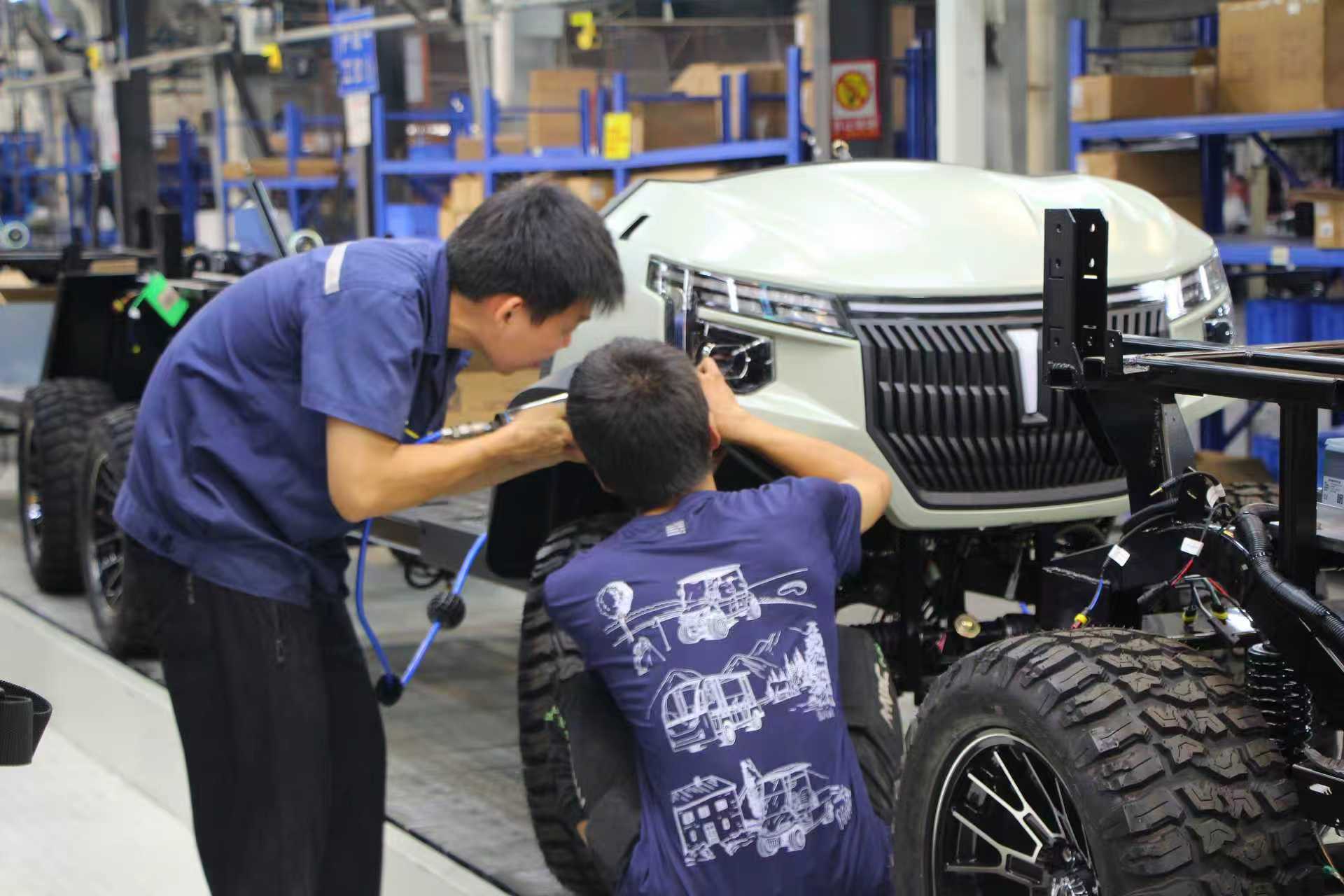
Assessing workplace safety and labor practices forms the cornerstone of any commercial vehicle facility audit. Reliable manufacturers, such as Guangzhou Langqing Electric Car CO., LTD., maintain structured management frameworks across assembly lines to protect worker welfare while securing high product quality. Auditors verify whether specialized quality control teams directly oversee assembly stages and ensure adherence to ISO 45001 safety mandates, emergency response procedures, and fair working hours.
Environmental Control & Advanced Chassis Finishing
Environmental compliance auditing focuses on sustainable raw material handling, factory energy metrics, and chassis surface treatment techniques. Utilizing electrophoretic coating for high-strength metal chassis alongside composite body structures drastically reduces volatile organic compound (VOC) emissions compared to traditional spray painting. Furthermore, electrophoretic processing delivers exceptional corrosion resistance, extending vehicle service life in demanding operational environments. Auditors also examine waste treatment records and adherence to international standards like ISO 14001 and ISO 10012 measurement management systems.
Pre-Delivery Testing & Practical Deployment Track Record
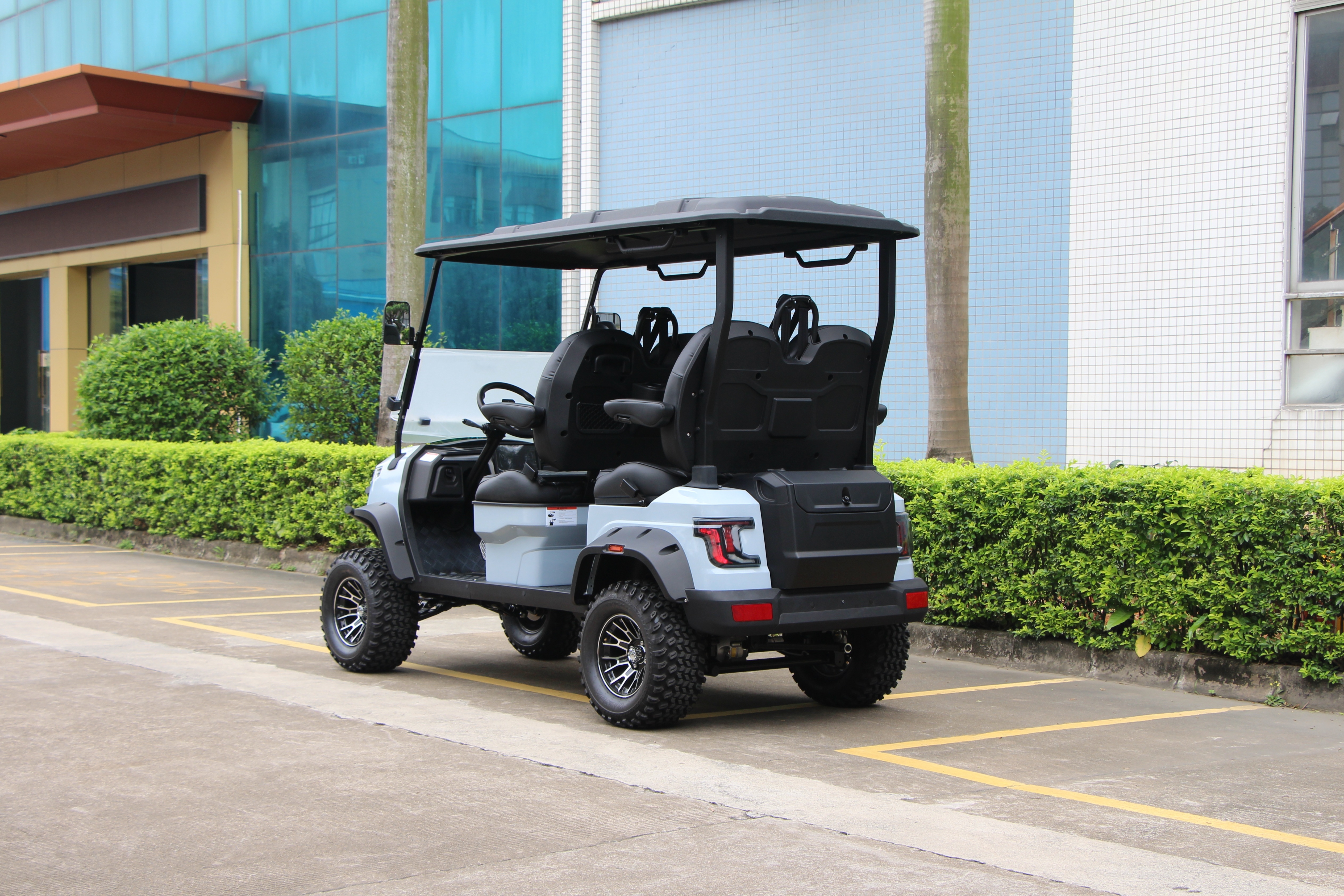
Empirical field data and physical inspections are essential when evaluating multi-seat electric shuttles for resorts, municipal projects, and tourist destinations. A rigorous supplier audit inspects dedicated testing infrastructure, such as hydraulic disc brake testing stations and incline test platforms. Proven international deployments—such as delivering 3,500+ shuttle buses to Cuba or supplying 131 cultural tourism vehicles for museum operations in Egypt—demonstrate that a supplier maintains consistent quality control across high-volume production schedules.
Audit Criteria Benchmark Comparison
The matrix below contrasts baseline industry practices against benchmark audit expectations and operational outcomes for 11-seat electric bus suppliers:
| Audit Criteria | Standard Industry Baseline | Benchmark Audit Verification | Operational Value |
|---|---|---|---|
| Labor & Workplace Safety | Basic adherence to local labor regulations | ISO 45001 certified with dedicated on-site QC and safety teams | Reduces line defect rates and minimizes operational downtime |
| Environmental Management | Conventional spray paint process | ISO 14001 certified with electrophoretic chassis treatment | Provides superior anti-corrosion protection and lower VOC emissions |
| Quality & Pre-Delivery Checks | Random sampling inspections | 100% line testing, road testing & slope platform evaluation | Guarantees immediate vehicle safety, stability, and brake performance |
| Regulatory Certifications | Self-declared compliance statements | Third-party verified EU CE certification (CE 3N250506 / 3N250507) | Facilitates smooth customs clearance across international import markets |
Frequently Asked Questions (FAQ)
Which labor safety factors are most important during a facility audit?
Auditors should focus on ISO 45001 certification, clear floor safety protocols, active oversight by technical teams, and strict compliance with statutory working hours and compensation standards.
Why is electrophoretic coating preferred in eco-friendly bus manufacturing?
Electrophoretic coating delivers a durable, highly corrosion-resistant finish while generating significantly lower volatile organic compound (VOC) emissions than conventional spray painting, fulfilling ISO 14001 environmental benchmarks.
How do suppliers verify vehicle safety standards prior to export shipment?
Top manufacturers utilize dedicated pre-delivery testing setups—including 100% line inspection, hydraulic disc brake verification, and incline test track evaluations—to ensure every bus meets safety criteria prior to dispatch.
Final Conclusion & Recommendations
Auditing an 11-seat electric bus supplier requires a dual emphasis on labor safety, environmental management, and rigorous pre-shipment engineering verification. Procurement managers should prioritize integrated industry and trade manufacturers capable of providing 100% line-tested vehicles, comprehensive warranty coverage, and certified environmental management systems. Selecting a supplier with documented international export experience ensures reliable long-term performance and high product value. For tailored technical inquiries or support, please reach out via crystalhuang@langqing.cn.
About Us
Established in 2000 in the Nansha Economic Development Zone, Guangzhou, Guangzhou Langqing Electric Car CO., LTD. operates a 35,000-square-meter facility with 160 personnel, including a 30-member R&D team, 10 testing specialists, and 20 quality control experts. Operating under an integrated industry and trade structure, the company maintains an annual production capacity of 1,000 units per month across electric sightseeing buses, golf carts, and utility vehicles.
The enterprise holds international management certifications including ISO9001, ISO14001, ISO 10012, ISO45001, and EU CE certification. Its electric passenger vehicles serve global markets across North America, South America, Europe, the Middle East, Africa, and Southeast Asia, supporting resort shuttles, municipal transport, and commercial operations.
REPORT