







-
 Agriculture
-
 Health-Care
-
 Environment
-
 Construction-Real-Estate
-
 Tools-Hardware
-
 Home-Garden
-
 Furniture
-
 Luggage-Bags-Cases
-
 Medical-devices-Supplies
-
 Gifts-Crafts
-
 Sports-Entertainment
-
 Food-Beverage
-
 Vehicles-Transportation
-
 Power-Transmission
-
 Material-Handling
-
 Renewable-Energy
-
 Safety
-
 Testing-Instrument-Equipment
-
 Construction-Building-Machinery
-
 Pet-Supplies
-
 Personal-Care-Household-Cleaning
-
 Vehicle-Accessories-Electronics-Tools
-
 School-Office-Supplies
-
 Packaging-Printing
-
 Mother-Kids-Toys
-
 Business-Services
-
 Commercial-Equipment-Machinery
-
 Apparel-Accessories
-
 Security
-
 Shoes-Accessories
-
 Vehicle-Parts-Accessories
-
 Jewelry-Eyewear-Watches-Accessories
-
 Lights-Lighting
-
 Fabric-Textile-Raw-Material
-
 Fabrication-Services
-
 Industrial-Machinery
-
 Consumer-Electronics
-
 Electrical-Equipment-Supplies
-
 Electronic-Components-Accessories-Telecommunications
-
 Home-Appliances
-
 Beauty
-
 Chemicals
-
 Rubber-Plastics
-
 Metals-Alloys


























































































































































































































































































































































































































































































































































































- Masonry Materials
- Curtain Walls & Accessories
- Earthwork Products
- Fireproofing Materials
- Heat Insulation Materials
- Plastic Building Materials
- Building Boards
- Soundproofing Materials
- Timber
- Waterproofing Materials
- Balustrades & Handrails
- Bathroom & Kitchen
- Flooring & Accessories
- Tiles & Accessories
- Door, Window & Accessories
- Fireplaces & Stoves
- Floor Heating Systems & Parts
- Stairs & Stair Parts
- Ceilings
- Elevators & Escalators
- Stone
- Countertops, Vanity Tops & Table Tops
- Mosaics
- Metal Building Materials
- Multifunctional Materials
- Ladders & Scaffoldings
- Mouldings
- Corner Guards
- Decorative Films
- Formwork
- Building & Industrial Glass
- Other Construction & Real Estate
- Wallpapers/Wall panels
- HVAC System & Parts
- Outdoor Facilities
- Prefabricated Buildings
- Festive & Party Supplies
- Bathroom Products
- Household Sundries
- Rain Gear
- Garden Supplies
- Household Cleaning Tools & Accessories
- Lighters & Smoking Accessories
- Home Storage & Organization
- Household Scales
- Smart Home Improvement
- Home Textiles
- Kitchenware
- Drinkware & Accessories
- Dinnerware, Coffee & Wine
- Home Decor
- Golf
- Fitness & Body Building
- Amusement Park Facilities
- Billiards, Board Game,Coin Operated Games
- Musical Instruments
- Outdoor Affordable Luxury Sports
- Camping & Hiking
- Fishing
- Sports Safety&Rehabilitation
- Ball Sports Equipments
- Water Sports
- Winter Sports
- Luxury Travel Equipments
- Sports Shoes, Bags & Accessories
- Cycling
- Other Sports & Entertainment Products
- Artificial Grass&Sports Flooring&Sports Court Equipment
- Scooters
- Food Ingredients
- Honey & Honey Products
- Snacks
- Nuts & Kernels
- Seafood
- Plant & Animal Oil
- Beverages
- Fruit & Vegetable Products
- Frog & Escargot
- Bean Products
- Egg Products
- Dairy Products
- Seasonings & Condiments
- Canned Food
- Instant Food
- Baked Goods
- Other Food & Beverage
- Meat & Poultry
- Confectionery
- Grain Products
- Feminie Care
- Hair Care & Styling
- Body Care
- Hands & Feet Care
- Hygiene Products
- Men's Grooming
- Laundry Cleaning Supplies
- Travel Size & Gift Sets
- Room Deodorizers
- Other Personal Care Products
- Pest Control Products
- Special Household Cleaning
- Floor Cleaning
- Kitchen & Bathroom Cleaning
- Oral Care
- Bath Supplies
- Yellow Pages
- Correction Supplies
- Office Binding Supplies
- Office Cutting Supplies
- Board Erasers
- Office Adhesives & Tapes
- Education Supplies
- Pencil Cases & Bags
- Notebooks & Writing Pads
- File Folder Accessories
- Calendars
- Writing Accessories
- Commercial Office Supplies
- Pencil Sharpeners
- Pens
- Letter Pad/Paper
- Paper Envelopes
- Desk Organizers
- Pencils
- Markers & Highlighters
- Filing Products
- Art Supplies
- Easels
- Badge Holder & Accessories
- Office Paper
- Printer Supplies
- Book Covers
- Other Office & School Supplies
- Stationery Set
- Boards
- Clipboards
- Stamps
- Drafting Supplies
- Stencils
- Electronic Dictionary
- Books
- Map
- Magazines
- Calculators
- Baby & Toddler Toys
- Educational Toys
- Classic Toys
- Dress Up & Pretend Play
- Toy Vehicle
- Stuffed Animals & Plush Toys
- Outdoor Toys & Structures
- Balloons & Accessories
- Baby Food
- Children's Clothing
- Baby Supplies & Products
- Maternity Clothes
- Kids Shoes
- Baby Care
- Novelty & Gag Toys
- Dolls & Accessories
- Puzzle & Games
- Blocks & Model Building Toys
- Toddler Clothing
- Baby Clothing
- Kids' Luggage & Bags
- Arts, Crafts & DIY Toys
- Action & Toy Figures
- Baby Appliances
- Hobbies & Models
- Remote Control Toys
- Promotional Toys
- Pregnancy & Maternity
- Hygiene Products
- Kid's Textile&Bedding
- Novelty & Special Use
- Toy Weapons
- Baby Gifts
- Baby Storage & Organization
- Auto Drive Systems
- ATV/UTV Parts & Accessories
- Marine Parts & Accessories
- Other Auto Parts
- Trailer Parts & Accessories
- Auto Transmission Systems
- Train Parts & Accessories
- Universal Parts
- Railway Parts & Accessories
- Auto Brake Systems
- Aviation Parts & Accessories
- Truck Parts & Accessories
- Auto Suspension Systems
- Auto Lighting Systems
- New Energy Vehicle Parts & Accessories
- Auto Steering Systems
- Wheels, Tires & Accessories
- Bus Parts & Accessories
- Auto Performance Parts
- Cooling System
- Go-Kart & Kart Racer Parts & Accessories
- Air Conditioning Systems
- Heavy Duty Vehicle Parts & Accessories
- Auto Electrical Systems
- Auto Body Systems
- Auto Engine Systems
- Container Parts & Accessories
- Motorcycle Parts & Accessories
- Refrigeration & Heat Exchange Equipment
- Machine Tool Equipment
- Food & Beverage Machinery
- Agricultural Machinery & Equipment
- Apparel & Textile Machinery
- Chemical Machinery
- Packaging Machines
- Paper Production Machinery
- Plastic & Rubber Processing Machinery
- Industrial Robots
- Electronic Products Machinery
- Metal & Metallurgy Machinery
- Woodworking Machinery
- Home Product Manufacturing Machinery
- Machinery Accessories
- Environmental Machinery
- Machinery Service
- Electrical Equipment Manufacturing Machinery
- Industrial Compressors & Parts
- Tobacco & Cigarette Machinery
- Production Line
- Used Industrial Machinery
- Electronics Production Machinery
- Other Machinery & Industrial Equipment
- Camera, Photo & Accessories
- Portable Audio, Video & Accessories
- Television, Home Audio, Video & Accessories
- Video Games & Accessories
- Mobile Phone & Accessories
- Electronic Publications
- Earphone & Headphone & Accessories
- Speakers & Accessories
- Smart Electronics
- TV Receivers & Accessories
- Mobile Phone & Computer Repair Parts
- Chargers, Batteries & Power Supplies
- Used Electronics
- VR, AR, MR Hardware & Software
- Projectors & Presentation Equipments
- Other Consumer Electronics
- Cables & Commonly Used Accessories
- Computer Hardware & Software
- Displays, Signage and Optoelectronics
- Discrete Semiconductors
- Wireless & IoT Module and Products
- Telecommunications
- Connectors, Terminals & Accessories
- Development Boards, Electronic Modules and Kits
- Circuit Protection
- Sensors
- Isolators
- Audio Components and Products
- Integrated Circuits
- Power Supplies
- Relays
- RF, Microwave and RFID
- Electronic Accessories & Supplies
- Passive Components
- PCB & PCBA
- Air Quality Appliances
- Home Appliance Parts
- Heating & Cooling Appliances
- Small Kitchen Appliances
- Laundry Appliances
- Water Heaters
- Water Treatment Appliances
- Refrigerators & Freezers
- Personal Care & Beauty Appliances
- Major Kitchen Appliances
- Cleaning Appliances
- Second-hand Appliances
- Smart Home Appliances
- Other Home Appliances
- Energy Chemicals
- Inorganic Chemicals
- Basic Organic Chemicals
- Agrochemicals
- Admixture & Additives
- Catalysts & Chemical Auxiliary Agents
- Pigments & Dyestuff
- Coating & Paint
- Daily Chemicals
- Polymer
- Organic Intermediate
- Adhesives & Sealants
- Chemical Waste
- Biological Chemical Products
- Surface Treatment Chemicals
- Painting & Coating
- Chemical Reagents
- Flavor & Fragrance
- Non-Explosive Demolition Agents
- Other Chemicals
- Custom Chemical Services

High Density Interconnect PCBs Enabling Advanced Filter Networks And Power Amplifier Integration
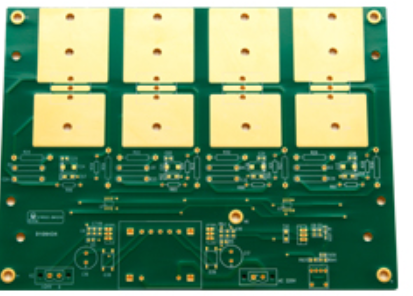
In the relentless pursuit of miniaturization and enhanced performance within modern electronics, particularly in telecommunications, aerospace, and defense, the integration of complex radio frequency (RF) subsystems presents a formidable challenge. Traditional printed circuit boards (PCBs) often fall short when tasked with housing advanced filter networks and high-power amplifiers in increasingly compact footprints without sacrificing signal integrity or thermal management. This is where High-Density Interconnect (HDI) PCBs emerge as a transformative enabler. By utilizing finer lines, microvias, and multiple sequential lamination cycles, HDI technology allows for a dramatic increase in interconnection density within a smaller area. This article delves into how HDI PCBs are revolutionizing RF design, specifically by facilitating the sophisticated integration of advanced filter networks and power amplifiers—a synergy critical for next-generation wireless systems, radar, and satellite communications. The convergence of these technologies is not merely an incremental improvement but a fundamental shift enabling higher frequencies, improved efficiency, and unprecedented levels of functional integration.
The Architectural Foundation of HDI for RF Integration
High-Density Interconnect PCB technology is fundamentally characterized by its use of microvias—laser-drilled holes with diameters typically less than 150 microns—and buried or blind via structures. This architecture allows for more routing channels in the inner layers and facilitates a component density far surpassing that of conventional through-hole PCBs. For RF systems, this means critical passive and active components can be placed in closer proximity, drastically reducing parasitic inductances and capacitances that plague high-frequency performance.
Furthermore, the multilayer buildup process inherent to HDI supports the creation of embedded planar structures, such as striplines and microstrips, with exceptional precision. This precision is paramount for designing filter networks that operate at millimeter-wave frequencies, where physical dimensions directly dictate electrical behavior. The ability to stack multiple thin dielectric layers also enables better impedance control across the board, ensuring that signals traveling to and from power amplifiers and filters encounter minimal reflection and loss, thereby preserving signal purity and power efficiency.
Enabling Advanced and Miniaturized Filter Networks
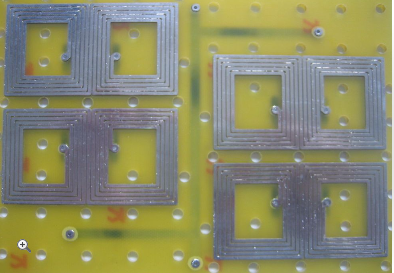
Advanced filter networks, including bandpass, low-pass, and duplexers, are essential for selecting desired frequency bands and rejecting interference. In HDI PCBs, these filters can be implemented as embedded planar components, such as coupled-line filters or defected ground structure (DGS) filters, directly within the board layers. This integration eliminates the need for bulky, discrete surface-mount filter components, saving valuable board real estate and reducing assembly complexity.
The design flexibility of HDI allows for the creation of complex, multi-pole filter responses that would be impractical with discrete parts. Designers can precisely control the coupling between resonant elements by adjusting the spacing and geometry of traces in adjacent layers. Moreover, the use of low-loss, high-frequency laminate materials (e.g., Rogers or Taconic substrates) in HDI stack-ups ensures that these embedded filters maintain high Q-factors, leading to sharper roll-offs and lower insertion loss—a critical advantage for sensitive receiver front-ends and transmitter output stages.
Facilitating Efficient Power Amplifier Integration and Thermal Management
Power amplifiers (PAs) are notoriously challenging to integrate due to their high power dissipation and sensitivity to thermal and electrical noise. HDI PCBs address these challenges holistically. Electrically, the shortened interconnect paths between the PA die or module and its matching networks—which can also be embedded—reduce losses and improve power-added efficiency (PAE). The dense via arrays characteristic of HDI provide excellent ground connections, minimizing ground bounce and ensuring stable operation.
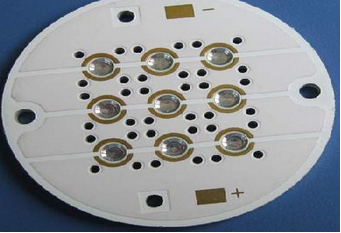
Thermally, HDI technology excels by incorporating dedicated thermal vias—arrays of larger, often filled vias—directly under the PA component. These vias act as heat pipes, channeling heat from the active device down into inner copper planes or to a dedicated metal-core base layer or external heatsink. This integrated thermal management is crucial for maintaining PA reliability and preventing performance degradation due to overheating. The compact nature of HDI also allows for the co-location of the PA with its pre-driver stages and associated control circuitry, creating a fully integrated, high-performance RF front-end module in a single, ultra-compact package.
The Synergistic Impact on System Performance and Design
The true power of HDI lies in its ability to co-integrate advanced filters and power amplifiers into a unified, optimized subsystem. This synergy mitigates the interconnect losses that typically occur when these blocks are separate entities on a board. For instance, an output filter can be placed immediately adjacent to the PA output, minimizing the loss of precious amplified RF power. This direct integration also enhances system linearity and reduces unwanted harmonic emissions.
From a design perspective, HDI enables a more holistic, 3D co-design approach where the electrical performance of the filters, the thermal and electrical behavior of the PA, and the board's mechanical constraints are simulated and optimized concurrently. This results in first-pass design success, reduced time-to-market, and ultimately, a more robust and high-performing product. As wireless standards evolve towards 5G/6G and satellite constellations demand ever-smaller form factors, the role of HDI PCBs in enabling these advanced RF integrations will only become more central, pushing the boundaries of what is possible in electronic system design.
REPORT