







-
 Agriculture
-
 Health-Care
-
 Environment
-
 Construction-Real-Estate
-
 Tools-Hardware
-
 Home-Garden
-
 Furniture
-
 Luggage-Bags-Cases
-
 Medical-devices-Supplies
-
 Gifts-Crafts
-
 Sports-Entertainment
-
 Food-Beverage
-
 Vehicles-Transportation
-
 Power-Transmission
-
 Material-Handling
-
 Renewable-Energy
-
 Safety
-
 Testing-Instrument-Equipment
-
 Construction-Building-Machinery
-
 Pet-Supplies
-
 Personal-Care-Household-Cleaning
-
 Vehicle-Accessories-Electronics-Tools
-
 School-Office-Supplies
-
 Packaging-Printing
-
 Mother-Kids-Toys
-
 Business-Services
-
 Commercial-Equipment-Machinery
-
 Apparel-Accessories
-
 Security
-
 Shoes-Accessories
-
 Vehicle-Parts-Accessories
-
 Jewelry-Eyewear-Watches-Accessories
-
 Lights-Lighting
-
 Fabric-Textile-Raw-Material
-
 Fabrication-Services
-
 Industrial-Machinery
-
 Consumer-Electronics
-
 Electrical-Equipment-Supplies
-
 Electronic-Components-Accessories-Telecommunications
-
 Home-Appliances
-
 Beauty
-
 Chemicals
-
 Rubber-Plastics
-
 Metals-Alloys


























































































































































































































































































































































































































































































































































































- Masonry Materials
- Curtain Walls & Accessories
- Earthwork Products
- Fireproofing Materials
- Heat Insulation Materials
- Plastic Building Materials
- Building Boards
- Soundproofing Materials
- Timber
- Waterproofing Materials
- Balustrades & Handrails
- Bathroom & Kitchen
- Flooring & Accessories
- Tiles & Accessories
- Door, Window & Accessories
- Fireplaces & Stoves
- Floor Heating Systems & Parts
- Stairs & Stair Parts
- Ceilings
- Elevators & Escalators
- Stone
- Countertops, Vanity Tops & Table Tops
- Mosaics
- Metal Building Materials
- Multifunctional Materials
- Ladders & Scaffoldings
- Mouldings
- Corner Guards
- Decorative Films
- Formwork
- Building & Industrial Glass
- Other Construction & Real Estate
- Wallpapers/Wall panels
- HVAC System & Parts
- Outdoor Facilities
- Prefabricated Buildings
- Festive & Party Supplies
- Bathroom Products
- Household Sundries
- Rain Gear
- Garden Supplies
- Household Cleaning Tools & Accessories
- Lighters & Smoking Accessories
- Home Storage & Organization
- Household Scales
- Smart Home Improvement
- Home Textiles
- Kitchenware
- Drinkware & Accessories
- Dinnerware, Coffee & Wine
- Home Decor
- Golf
- Fitness & Body Building
- Amusement Park Facilities
- Billiards, Board Game,Coin Operated Games
- Musical Instruments
- Outdoor Affordable Luxury Sports
- Camping & Hiking
- Fishing
- Sports Safety&Rehabilitation
- Ball Sports Equipments
- Water Sports
- Winter Sports
- Luxury Travel Equipments
- Sports Shoes, Bags & Accessories
- Cycling
- Other Sports & Entertainment Products
- Artificial Grass&Sports Flooring&Sports Court Equipment
- Scooters
- Food Ingredients
- Honey & Honey Products
- Snacks
- Nuts & Kernels
- Seafood
- Plant & Animal Oil
- Beverages
- Fruit & Vegetable Products
- Frog & Escargot
- Bean Products
- Egg Products
- Dairy Products
- Seasonings & Condiments
- Canned Food
- Instant Food
- Baked Goods
- Other Food & Beverage
- Meat & Poultry
- Confectionery
- Grain Products
- Feminie Care
- Hair Care & Styling
- Body Care
- Hands & Feet Care
- Hygiene Products
- Men's Grooming
- Laundry Cleaning Supplies
- Travel Size & Gift Sets
- Room Deodorizers
- Other Personal Care Products
- Pest Control Products
- Special Household Cleaning
- Floor Cleaning
- Kitchen & Bathroom Cleaning
- Oral Care
- Bath Supplies
- Yellow Pages
- Correction Supplies
- Office Binding Supplies
- Office Cutting Supplies
- Board Erasers
- Office Adhesives & Tapes
- Education Supplies
- Pencil Cases & Bags
- Notebooks & Writing Pads
- File Folder Accessories
- Calendars
- Writing Accessories
- Commercial Office Supplies
- Pencil Sharpeners
- Pens
- Letter Pad/Paper
- Paper Envelopes
- Desk Organizers
- Pencils
- Markers & Highlighters
- Filing Products
- Art Supplies
- Easels
- Badge Holder & Accessories
- Office Paper
- Printer Supplies
- Book Covers
- Other Office & School Supplies
- Stationery Set
- Boards
- Clipboards
- Stamps
- Drafting Supplies
- Stencils
- Electronic Dictionary
- Books
- Map
- Magazines
- Calculators
- Baby & Toddler Toys
- Educational Toys
- Classic Toys
- Dress Up & Pretend Play
- Toy Vehicle
- Stuffed Animals & Plush Toys
- Outdoor Toys & Structures
- Balloons & Accessories
- Baby Food
- Children's Clothing
- Baby Supplies & Products
- Maternity Clothes
- Kids Shoes
- Baby Care
- Novelty & Gag Toys
- Dolls & Accessories
- Puzzle & Games
- Blocks & Model Building Toys
- Toddler Clothing
- Baby Clothing
- Kids' Luggage & Bags
- Arts, Crafts & DIY Toys
- Action & Toy Figures
- Baby Appliances
- Hobbies & Models
- Remote Control Toys
- Promotional Toys
- Pregnancy & Maternity
- Hygiene Products
- Kid's Textile&Bedding
- Novelty & Special Use
- Toy Weapons
- Baby Gifts
- Baby Storage & Organization
- Auto Drive Systems
- ATV/UTV Parts & Accessories
- Marine Parts & Accessories
- Other Auto Parts
- Trailer Parts & Accessories
- Auto Transmission Systems
- Train Parts & Accessories
- Universal Parts
- Railway Parts & Accessories
- Auto Brake Systems
- Aviation Parts & Accessories
- Truck Parts & Accessories
- Auto Suspension Systems
- Auto Lighting Systems
- New Energy Vehicle Parts & Accessories
- Auto Steering Systems
- Wheels, Tires & Accessories
- Bus Parts & Accessories
- Auto Performance Parts
- Cooling System
- Go-Kart & Kart Racer Parts & Accessories
- Air Conditioning Systems
- Heavy Duty Vehicle Parts & Accessories
- Auto Electrical Systems
- Auto Body Systems
- Auto Engine Systems
- Container Parts & Accessories
- Motorcycle Parts & Accessories
- Refrigeration & Heat Exchange Equipment
- Machine Tool Equipment
- Food & Beverage Machinery
- Agricultural Machinery & Equipment
- Apparel & Textile Machinery
- Chemical Machinery
- Packaging Machines
- Paper Production Machinery
- Plastic & Rubber Processing Machinery
- Industrial Robots
- Electronic Products Machinery
- Metal & Metallurgy Machinery
- Woodworking Machinery
- Home Product Manufacturing Machinery
- Machinery Accessories
- Environmental Machinery
- Machinery Service
- Electrical Equipment Manufacturing Machinery
- Industrial Compressors & Parts
- Tobacco & Cigarette Machinery
- Production Line
- Used Industrial Machinery
- Electronics Production Machinery
- Other Machinery & Industrial Equipment
- Camera, Photo & Accessories
- Portable Audio, Video & Accessories
- Television, Home Audio, Video & Accessories
- Video Games & Accessories
- Mobile Phone & Accessories
- Electronic Publications
- Earphone & Headphone & Accessories
- Speakers & Accessories
- Smart Electronics
- TV Receivers & Accessories
- Mobile Phone & Computer Repair Parts
- Chargers, Batteries & Power Supplies
- Used Electronics
- VR, AR, MR Hardware & Software
- Projectors & Presentation Equipments
- Other Consumer Electronics
- Cables & Commonly Used Accessories
- Computer Hardware & Software
- Displays, Signage and Optoelectronics
- Discrete Semiconductors
- Wireless & IoT Module and Products
- Telecommunications
- Connectors, Terminals & Accessories
- Development Boards, Electronic Modules and Kits
- Circuit Protection
- Sensors
- Isolators
- Audio Components and Products
- Integrated Circuits
- Power Supplies
- Relays
- RF, Microwave and RFID
- Electronic Accessories & Supplies
- Passive Components
- PCB & PCBA
- Air Quality Appliances
- Home Appliance Parts
- Heating & Cooling Appliances
- Small Kitchen Appliances
- Laundry Appliances
- Water Heaters
- Water Treatment Appliances
- Refrigerators & Freezers
- Personal Care & Beauty Appliances
- Major Kitchen Appliances
- Cleaning Appliances
- Second-hand Appliances
- Smart Home Appliances
- Other Home Appliances
- Energy Chemicals
- Inorganic Chemicals
- Basic Organic Chemicals
- Agrochemicals
- Admixture & Additives
- Catalysts & Chemical Auxiliary Agents
- Pigments & Dyestuff
- Coating & Paint
- Daily Chemicals
- Polymer
- Organic Intermediate
- Adhesives & Sealants
- Chemical Waste
- Biological Chemical Products
- Surface Treatment Chemicals
- Painting & Coating
- Chemical Reagents
- Flavor & Fragrance
- Non-Explosive Demolition Agents
- Other Chemicals
- Custom Chemical Services


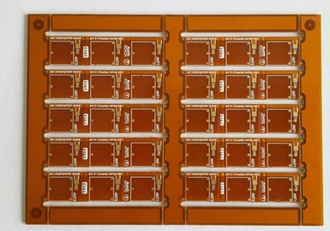
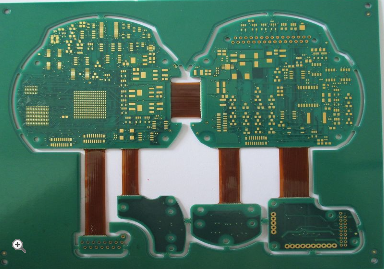
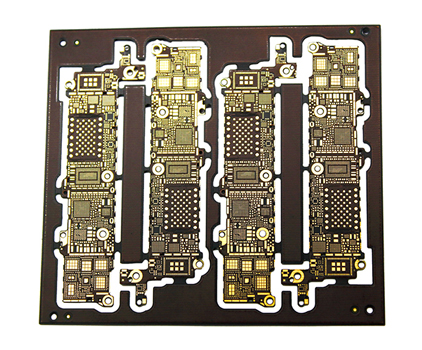
High Precision Lighting Control PCB Solutions Tailored For Modern TV Studio Environments
In the dynamic world of modern television production, where every frame is scrutinized in ultra-high definition and live broadcasts demand flawless execution, lighting is far more than mere illumination. It is a critical storytelling tool, shaping mood, directing viewer attention, and ensuring color accuracy. The backbone of this sophisticated lighting artistry is no longer just the fixture itself, but the intelligent, unseen technology that commands it: the High Precision Lighting Control PCB (Printed Circuit Board). This article delves into the specialized world of PCB solutions engineered explicitly for the rigorous demands of contemporary TV studios, exploring how these compact yet powerful boards are revolutionizing broadcast environments by offering unprecedented control, reliability, and integration.
Unparalleled Control Accuracy and Signal Integrity
The primary mandate for any TV studio lighting system is precise, repeatable control. High Precision Lighting Control PCBs are designed to meet this need at the most fundamental electronic level. They utilize advanced microcontrollers and digital signal processors (DSPs) capable of executing complex dimming curves—such as logarithmic or square law—with exceptional fidelity. This ensures that a lighting director's command for a 10% intensity increase translates to an exact, smooth, and flicker-free adjustment in the fixture, crucial for maintaining consistent exposure during slow fades or dramatic cues.
Furthermore, signal integrity is paramount in the electrically noisy environment of a studio packed with cameras, monitors, and power cables. These specialized PCBs incorporate robust design principles: multi-layer boards with dedicated ground planes, high-quality filtering components, and shielded communication interfaces. This architecture minimizes electromagnetic interference (EMI) and crosstalk, ensuring that control signals for hundreds of channels remain clean and uncompromised. Whether receiving DMX512, Art-Net, sACN, or proprietary digital protocols, the PCB acts as a reliable interpreter, guaranteeing that the artistic intent is perfectly executed by the LED arrays or conventional dimmers.
Thermal Management and Long-Term Reliability
TV studios operate for extended periods, often under hot lighting loads. The control PCBs within lighting fixtures and dimmer racks are subjected to significant thermal stress. High Precision solutions address this through meticulous thermal design. This involves the strategic placement of heat-generating components like power MOSFETs or drivers, the use of thermally conductive substrates (e.g., metal-core PCBs or ceramics for high-power applications), and the integration of thermal pads and vias to dissipate heat efficiently to heatsinks.
This focus on thermal management is directly linked to system longevity and stability. By maintaining optimal operating temperatures, these PCBs prevent the premature aging of components, particularly electrolytic capacitors and semiconductors. Enhanced reliability means reduced downtime—a critical factor during a live news broadcast or a prime-time show. Manufacturers of these solutions often subject their PCBs to rigorous environmental stress testing, ensuring they can withstand the thermal cycling and sustained operation endemic to 24/7 broadcast facilities.
Seamless Integration and Networked Intelligence
Modern TV studios are ecosystems of interconnected devices. A lighting control PCB is no longer an isolated component but a networked node. Advanced solutions feature embedded networking capabilities, such as Ethernet ports or wireless modules, allowing them to be part of a larger IoT-style infrastructure. They can receive timecode for synchronization with video playback, respond to triggers from automation systems for pre-programmed scene changes, and report their status back to a central monitoring dashboard.
This intelligence extends to diagnostics and configurability. On-board sensors can monitor output current, voltage, and temperature, enabling predictive maintenance by alerting technicians to potential issues before they cause a failure. Furthermore, many high-precision PCBs are firmware-upgradable via the network. This allows studios to add new features, improve performance, or adapt to new lighting protocols without physically replacing hardware, offering a future-proof investment and unparalleled flexibility in a rapidly evolving technological landscape.
Miniaturization and Customization for Diverse Form Factors
The trend in studio lighting, especially with LED technology, is toward smaller, more versatile fixtures. High Precision Control PCBs have kept pace through significant miniaturization. Using surface-mount technology (SMT), high-density interconnect (HDI) layouts, and compact component packages, engineers pack powerful control logic into remarkably small footprints. This enables the design of sleek, lightweight fixtures that can be mounted in tight spaces on set or within intricate lighting grids.
Perhaps most importantly, these PCB solutions are often tailored—or readily customizable—for specific studio applications. A PCB for a high-power LED Fresnel will have a different power stage design than one for a low-voltage LED tape or a legacy tungsten dimmer module. Leading providers work closely with lighting manufacturers to develop application-specific solutions, optimizing the circuit for the exact voltage, current, control protocol, and form factor required. This bespoke approach ensures that each lighting instrument performs at its peak, contributing to a cohesive and precisely controllable studio lighting rig.
REPORT