







-
 Agriculture
-
 Health-Care
-
 Environment
-
 Construction-Real-Estate
-
 Tools-Hardware
-
 Home-Garden
-
 Furniture
-
 Luggage-Bags-Cases
-
 Medical-devices-Supplies
-
 Gifts-Crafts
-
 Sports-Entertainment
-
 Food-Beverage
-
 Vehicles-Transportation
-
 Power-Transmission
-
 Material-Handling
-
 Renewable-Energy
-
 Safety
-
 Testing-Instrument-Equipment
-
 Construction-Building-Machinery
-
 Pet-Supplies
-
 Personal-Care-Household-Cleaning
-
 Vehicle-Accessories-Electronics-Tools
-
 School-Office-Supplies
-
 Packaging-Printing
-
 Mother-Kids-Toys
-
 Business-Services
-
 Commercial-Equipment-Machinery
-
 Apparel-Accessories
-
 Security
-
 Shoes-Accessories
-
 Vehicle-Parts-Accessories
-
 Jewelry-Eyewear-Watches-Accessories
-
 Lights-Lighting
-
 Fabric-Textile-Raw-Material
-
 Fabrication-Services
-
 Industrial-Machinery
-
 Consumer-Electronics
-
 Electrical-Equipment-Supplies
-
 Electronic-Components-Accessories-Telecommunications
-
 Home-Appliances
-
 Beauty
-
 Chemicals
-
 Rubber-Plastics
-
 Metals-Alloys


























































































































































































































































































































































































































































































































































































- Masonry Materials
- Curtain Walls & Accessories
- Earthwork Products
- Fireproofing Materials
- Heat Insulation Materials
- Plastic Building Materials
- Building Boards
- Soundproofing Materials
- Timber
- Waterproofing Materials
- Balustrades & Handrails
- Bathroom & Kitchen
- Flooring & Accessories
- Tiles & Accessories
- Door, Window & Accessories
- Fireplaces & Stoves
- Floor Heating Systems & Parts
- Stairs & Stair Parts
- Ceilings
- Elevators & Escalators
- Stone
- Countertops, Vanity Tops & Table Tops
- Mosaics
- Metal Building Materials
- Multifunctional Materials
- Ladders & Scaffoldings
- Mouldings
- Corner Guards
- Decorative Films
- Formwork
- Building & Industrial Glass
- Other Construction & Real Estate
- Wallpapers/Wall panels
- HVAC System & Parts
- Outdoor Facilities
- Prefabricated Buildings
- Festive & Party Supplies
- Bathroom Products
- Household Sundries
- Rain Gear
- Garden Supplies
- Household Cleaning Tools & Accessories
- Lighters & Smoking Accessories
- Home Storage & Organization
- Household Scales
- Smart Home Improvement
- Home Textiles
- Kitchenware
- Drinkware & Accessories
- Dinnerware, Coffee & Wine
- Home Decor
- Golf
- Fitness & Body Building
- Amusement Park Facilities
- Billiards, Board Game,Coin Operated Games
- Musical Instruments
- Outdoor Affordable Luxury Sports
- Camping & Hiking
- Fishing
- Sports Safety&Rehabilitation
- Ball Sports Equipments
- Water Sports
- Winter Sports
- Luxury Travel Equipments
- Sports Shoes, Bags & Accessories
- Cycling
- Other Sports & Entertainment Products
- Artificial Grass&Sports Flooring&Sports Court Equipment
- Scooters
- Food Ingredients
- Honey & Honey Products
- Snacks
- Nuts & Kernels
- Seafood
- Plant & Animal Oil
- Beverages
- Fruit & Vegetable Products
- Frog & Escargot
- Bean Products
- Egg Products
- Dairy Products
- Seasonings & Condiments
- Canned Food
- Instant Food
- Baked Goods
- Other Food & Beverage
- Meat & Poultry
- Confectionery
- Grain Products
- Feminie Care
- Hair Care & Styling
- Body Care
- Hands & Feet Care
- Hygiene Products
- Men's Grooming
- Laundry Cleaning Supplies
- Travel Size & Gift Sets
- Room Deodorizers
- Other Personal Care Products
- Pest Control Products
- Special Household Cleaning
- Floor Cleaning
- Kitchen & Bathroom Cleaning
- Oral Care
- Bath Supplies
- Yellow Pages
- Correction Supplies
- Office Binding Supplies
- Office Cutting Supplies
- Board Erasers
- Office Adhesives & Tapes
- Education Supplies
- Pencil Cases & Bags
- Notebooks & Writing Pads
- File Folder Accessories
- Calendars
- Writing Accessories
- Commercial Office Supplies
- Pencil Sharpeners
- Pens
- Letter Pad/Paper
- Paper Envelopes
- Desk Organizers
- Pencils
- Markers & Highlighters
- Filing Products
- Art Supplies
- Easels
- Badge Holder & Accessories
- Office Paper
- Printer Supplies
- Book Covers
- Other Office & School Supplies
- Stationery Set
- Boards
- Clipboards
- Stamps
- Drafting Supplies
- Stencils
- Electronic Dictionary
- Books
- Map
- Magazines
- Calculators
- Baby & Toddler Toys
- Educational Toys
- Classic Toys
- Dress Up & Pretend Play
- Toy Vehicle
- Stuffed Animals & Plush Toys
- Outdoor Toys & Structures
- Balloons & Accessories
- Baby Food
- Children's Clothing
- Baby Supplies & Products
- Maternity Clothes
- Kids Shoes
- Baby Care
- Novelty & Gag Toys
- Dolls & Accessories
- Puzzle & Games
- Blocks & Model Building Toys
- Toddler Clothing
- Baby Clothing
- Kids' Luggage & Bags
- Arts, Crafts & DIY Toys
- Action & Toy Figures
- Baby Appliances
- Hobbies & Models
- Remote Control Toys
- Promotional Toys
- Pregnancy & Maternity
- Hygiene Products
- Kid's Textile&Bedding
- Novelty & Special Use
- Toy Weapons
- Baby Gifts
- Baby Storage & Organization
- Auto Drive Systems
- ATV/UTV Parts & Accessories
- Marine Parts & Accessories
- Other Auto Parts
- Trailer Parts & Accessories
- Auto Transmission Systems
- Train Parts & Accessories
- Universal Parts
- Railway Parts & Accessories
- Auto Brake Systems
- Aviation Parts & Accessories
- Truck Parts & Accessories
- Auto Suspension Systems
- Auto Lighting Systems
- New Energy Vehicle Parts & Accessories
- Auto Steering Systems
- Wheels, Tires & Accessories
- Bus Parts & Accessories
- Auto Performance Parts
- Cooling System
- Go-Kart & Kart Racer Parts & Accessories
- Air Conditioning Systems
- Heavy Duty Vehicle Parts & Accessories
- Auto Electrical Systems
- Auto Body Systems
- Auto Engine Systems
- Container Parts & Accessories
- Motorcycle Parts & Accessories
- Refrigeration & Heat Exchange Equipment
- Machine Tool Equipment
- Food & Beverage Machinery
- Agricultural Machinery & Equipment
- Apparel & Textile Machinery
- Chemical Machinery
- Packaging Machines
- Paper Production Machinery
- Plastic & Rubber Processing Machinery
- Industrial Robots
- Electronic Products Machinery
- Metal & Metallurgy Machinery
- Woodworking Machinery
- Home Product Manufacturing Machinery
- Machinery Accessories
- Environmental Machinery
- Machinery Service
- Electrical Equipment Manufacturing Machinery
- Industrial Compressors & Parts
- Tobacco & Cigarette Machinery
- Production Line
- Used Industrial Machinery
- Electronics Production Machinery
- Other Machinery & Industrial Equipment
- Camera, Photo & Accessories
- Portable Audio, Video & Accessories
- Television, Home Audio, Video & Accessories
- Video Games & Accessories
- Mobile Phone & Accessories
- Electronic Publications
- Earphone & Headphone & Accessories
- Speakers & Accessories
- Smart Electronics
- TV Receivers & Accessories
- Mobile Phone & Computer Repair Parts
- Chargers, Batteries & Power Supplies
- Used Electronics
- VR, AR, MR Hardware & Software
- Projectors & Presentation Equipments
- Other Consumer Electronics
- Cables & Commonly Used Accessories
- Computer Hardware & Software
- Displays, Signage and Optoelectronics
- Discrete Semiconductors
- Wireless & IoT Module and Products
- Telecommunications
- Connectors, Terminals & Accessories
- Development Boards, Electronic Modules and Kits
- Circuit Protection
- Sensors
- Isolators
- Audio Components and Products
- Integrated Circuits
- Power Supplies
- Relays
- RF, Microwave and RFID
- Electronic Accessories & Supplies
- Passive Components
- PCB & PCBA
- Air Quality Appliances
- Home Appliance Parts
- Heating & Cooling Appliances
- Small Kitchen Appliances
- Laundry Appliances
- Water Heaters
- Water Treatment Appliances
- Refrigerators & Freezers
- Personal Care & Beauty Appliances
- Major Kitchen Appliances
- Cleaning Appliances
- Second-hand Appliances
- Smart Home Appliances
- Other Home Appliances
- Energy Chemicals
- Inorganic Chemicals
- Basic Organic Chemicals
- Agrochemicals
- Admixture & Additives
- Catalysts & Chemical Auxiliary Agents
- Pigments & Dyestuff
- Coating & Paint
- Daily Chemicals
- Polymer
- Organic Intermediate
- Adhesives & Sealants
- Chemical Waste
- Biological Chemical Products
- Surface Treatment Chemicals
- Painting & Coating
- Chemical Reagents
- Flavor & Fragrance
- Non-Explosive Demolition Agents
- Other Chemicals
- Custom Chemical Services


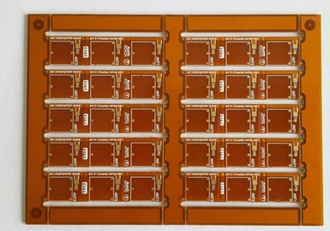
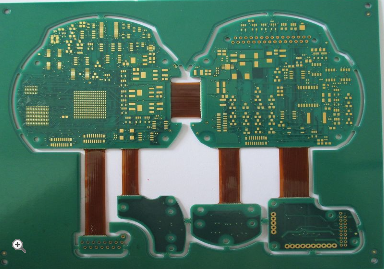
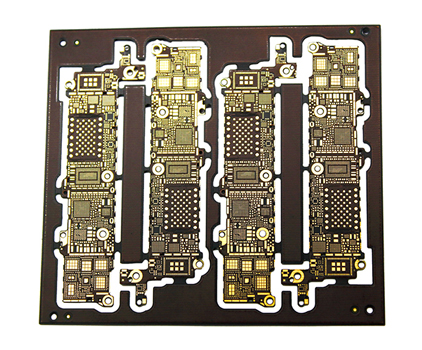
Professional Grade Television Lighting PCBs With Enhanced Thermal Management And Longevity Features
In the rapidly evolving world of television production and high-end consumer displays, the demand for superior image quality, reliability, and energy efficiency has never been higher. At the heart of modern LED-backlit and direct-lit televisions lies a critical, yet often overlooked component: the lighting printed circuit board (PCB). While standard PCBs perform adequately for everyday electronics, professional-grade television applications require a specialized breed of lighting PCBs engineered to withstand intense thermal loads and ensure exceptional longevity. This article delves into the sophisticated world of Professional Grade Television Lighting PCBs with Enhanced Thermal Management and Longevity Features, exploring the advanced technologies that power the brilliant, consistent, and durable visuals we experience on premium screens today. Understanding these innovations provides insight into how manufacturers achieve stunning picture quality that lasts, making it a compelling topic for industry professionals, tech enthusiasts, and discerning consumers alike.
Advanced Thermal Management Systems
The primary challenge in high-brightness television LED arrays is heat dissipation. Unlike conventional PCBs, professional-grade lighting PCBs are designed with a multi-faceted thermal management strategy. This begins with the substrate material itself. While standard FR-4 materials are common, professional PCBs often utilize metal-core PCBs (MCPCBs), typically with an aluminum or copper base. These materials possess exceptionally high thermal conductivity, allowing heat generated by the high-power LED chips to be rapidly transferred away from the sensitive semiconductor junctions.
Beyond the core material, the design incorporates sophisticated thermal vias and extensive copper pours in the internal layers. Thermal vias are plated-through holes that act as heat pipes, channeling thermal energy from the surface-mounted LEDs down into the underlying metal core or dedicated heat sink layers. This intricate network ensures there are no localized hot spots, which are a leading cause of premature LED failure and color shift. Furthermore, the physical layout of the PCB is meticulously planned to maximize surface area for heat dissipation, often integrating the PCB directly into the television's structural heat sink or chassis, creating a unified thermal solution that operates with high efficiency even under prolonged peak brightness.
Enhanced Longevity and Reliability Features
Longevity in professional television lighting is non-negotiable, as these systems are expected to perform flawlessly for tens of thousands of hours. Enhanced PCBs achieve this through material selection and protective coatings. The copper traces are frequently thicker and made with high-purity, oxygen-free copper to reduce electrical resistance and minimize heat generation due to current flow. This also enhances the current-carrying capacity, preventing trace delamination or burnout under high load.
A critical longevity feature is the application of specialized conformal coatings. These coatings, such as silicone or acrylic-based layers, are applied over the assembled PCB. They provide a robust barrier against environmental contaminants like dust, moisture, and corrosive gases that can lead to electrochemical migration and short circuits. Additionally, the soldering process uses high-temperature, lead-free solder alloys with superior fatigue resistance to withstand the constant thermal cycling—heating when on and cooling when off—that television boards endure daily. The combination of robust materials and protective measures significantly extends the mean time between failures (MTBF), ensuring consistent color performance and light output over the display's entire lifespan.
Precision Electrical Performance and Signal Integrity
For professional-grade televisions, especially those used in color-critical applications like broadcast studios or medical imaging, consistent and precise light output is paramount. The lighting PCB must deliver stable power to each LED or mini-LED zone. This is achieved through meticulous PCB design that minimizes parasitic inductance and capacitance. Dedicated power and ground planes are used to provide a low-impedance path for current, reducing voltage drops and ensuring every LED in an array receives an identical voltage, which is crucial for uniform brightness.
In advanced local dimming systems, where hundreds or thousands of zones are individually controlled, the PCB's role becomes even more complex. The board must accommodate dense networks of control signal traces without crosstalk or interference. High-quality dielectric materials with stable electrical properties across a wide temperature range are essential to maintain signal integrity. Impedance control for high-speed dimming signals is carefully managed during the PCB fabrication process to prevent timing errors and ensure the rapid, accurate modulation of light required for deep blacks and high dynamic range (HDR) content.
Robust Mechanical Design and Manufacturing Standards
The mechanical robustness of a lighting PCB directly impacts its survival in the final product. Professional-grade PCBs are designed to resist warping from thermal stress and physical vibration. This involves using materials with matched coefficients of thermal expansion (CTE) where possible. For instance, the CTE of the solder mask, copper layers, and substrate are engineered to expand and contract at similar rates during temperature fluctuations, preventing stress fractures in solder joints.
Manufacturing these boards adheres to stringent standards, often surpassing IPC Class 2 or 3 requirements for electronic assemblies. This includes automated optical inspection (AOI) for soldering defects, X-ray inspection for hidden issues like voiding in thermal vias, and rigorous electrical testing. The components themselves, from the LED packages to the smallest decoupling capacitor, are sourced for high-temperature operation and long-term stability. This holistic approach to mechanical and manufacturing integrity ensures that the lighting PCB is not the weak link in a premium television, capable of enduring the rigors of shipping, installation, and years of continuous operation.
REPORT