







-
 Agriculture
-
 Health-Care
-
 Environment
-
 Construction-Real-Estate
-
 Tools-Hardware
-
 Home-Garden
-
 Furniture
-
 Luggage-Bags-Cases
-
 Medical-devices-Supplies
-
 Gifts-Crafts
-
 Sports-Entertainment
-
 Food-Beverage
-
 Vehicles-Transportation
-
 Power-Transmission
-
 Material-Handling
-
 Renewable-Energy
-
 Safety
-
 Testing-Instrument-Equipment
-
 Construction-Building-Machinery
-
 Pet-Supplies
-
 Personal-Care-Household-Cleaning
-
 Vehicle-Accessories-Electronics-Tools
-
 School-Office-Supplies
-
 Packaging-Printing
-
 Mother-Kids-Toys
-
 Business-Services
-
 Commercial-Equipment-Machinery
-
 Apparel-Accessories
-
 Security
-
 Shoes-Accessories
-
 Vehicle-Parts-Accessories
-
 Jewelry-Eyewear-Watches-Accessories
-
 Lights-Lighting
-
 Fabric-Textile-Raw-Material
-
 Fabrication-Services
-
 Industrial-Machinery
-
 Consumer-Electronics
-
 Electrical-Equipment-Supplies
-
 Electronic-Components-Accessories-Telecommunications
-
 Home-Appliances
-
 Beauty
-
 Chemicals
-
 Rubber-Plastics
-
 Metals-Alloys


























































































































































































































































































































































































































































































































































































- Masonry Materials
- Curtain Walls & Accessories
- Earthwork Products
- Fireproofing Materials
- Heat Insulation Materials
- Plastic Building Materials
- Building Boards
- Soundproofing Materials
- Timber
- Waterproofing Materials
- Balustrades & Handrails
- Bathroom & Kitchen
- Flooring & Accessories
- Tiles & Accessories
- Door, Window & Accessories
- Fireplaces & Stoves
- Floor Heating Systems & Parts
- Stairs & Stair Parts
- Ceilings
- Elevators & Escalators
- Stone
- Countertops, Vanity Tops & Table Tops
- Mosaics
- Metal Building Materials
- Multifunctional Materials
- Ladders & Scaffoldings
- Mouldings
- Corner Guards
- Decorative Films
- Formwork
- Building & Industrial Glass
- Other Construction & Real Estate
- Wallpapers/Wall panels
- HVAC System & Parts
- Outdoor Facilities
- Prefabricated Buildings
- Festive & Party Supplies
- Bathroom Products
- Household Sundries
- Rain Gear
- Garden Supplies
- Household Cleaning Tools & Accessories
- Lighters & Smoking Accessories
- Home Storage & Organization
- Household Scales
- Smart Home Improvement
- Home Textiles
- Kitchenware
- Drinkware & Accessories
- Dinnerware, Coffee & Wine
- Home Decor
- Golf
- Fitness & Body Building
- Amusement Park Facilities
- Billiards, Board Game,Coin Operated Games
- Musical Instruments
- Outdoor Affordable Luxury Sports
- Camping & Hiking
- Fishing
- Sports Safety&Rehabilitation
- Ball Sports Equipments
- Water Sports
- Winter Sports
- Luxury Travel Equipments
- Sports Shoes, Bags & Accessories
- Cycling
- Other Sports & Entertainment Products
- Artificial Grass&Sports Flooring&Sports Court Equipment
- Scooters
- Food Ingredients
- Honey & Honey Products
- Snacks
- Nuts & Kernels
- Seafood
- Plant & Animal Oil
- Beverages
- Fruit & Vegetable Products
- Frog & Escargot
- Bean Products
- Egg Products
- Dairy Products
- Seasonings & Condiments
- Canned Food
- Instant Food
- Baked Goods
- Other Food & Beverage
- Meat & Poultry
- Confectionery
- Grain Products
- Feminie Care
- Hair Care & Styling
- Body Care
- Hands & Feet Care
- Hygiene Products
- Men's Grooming
- Laundry Cleaning Supplies
- Travel Size & Gift Sets
- Room Deodorizers
- Other Personal Care Products
- Pest Control Products
- Special Household Cleaning
- Floor Cleaning
- Kitchen & Bathroom Cleaning
- Oral Care
- Bath Supplies
- Yellow Pages
- Correction Supplies
- Office Binding Supplies
- Office Cutting Supplies
- Board Erasers
- Office Adhesives & Tapes
- Education Supplies
- Pencil Cases & Bags
- Notebooks & Writing Pads
- File Folder Accessories
- Calendars
- Writing Accessories
- Commercial Office Supplies
- Pencil Sharpeners
- Pens
- Letter Pad/Paper
- Paper Envelopes
- Desk Organizers
- Pencils
- Markers & Highlighters
- Filing Products
- Art Supplies
- Easels
- Badge Holder & Accessories
- Office Paper
- Printer Supplies
- Book Covers
- Other Office & School Supplies
- Stationery Set
- Boards
- Clipboards
- Stamps
- Drafting Supplies
- Stencils
- Electronic Dictionary
- Books
- Map
- Magazines
- Calculators
- Baby & Toddler Toys
- Educational Toys
- Classic Toys
- Dress Up & Pretend Play
- Toy Vehicle
- Stuffed Animals & Plush Toys
- Outdoor Toys & Structures
- Balloons & Accessories
- Baby Food
- Children's Clothing
- Baby Supplies & Products
- Maternity Clothes
- Kids Shoes
- Baby Care
- Novelty & Gag Toys
- Dolls & Accessories
- Puzzle & Games
- Blocks & Model Building Toys
- Toddler Clothing
- Baby Clothing
- Kids' Luggage & Bags
- Arts, Crafts & DIY Toys
- Action & Toy Figures
- Baby Appliances
- Hobbies & Models
- Remote Control Toys
- Promotional Toys
- Pregnancy & Maternity
- Hygiene Products
- Kid's Textile&Bedding
- Novelty & Special Use
- Toy Weapons
- Baby Gifts
- Baby Storage & Organization
- Auto Drive Systems
- ATV/UTV Parts & Accessories
- Marine Parts & Accessories
- Other Auto Parts
- Trailer Parts & Accessories
- Auto Transmission Systems
- Train Parts & Accessories
- Universal Parts
- Railway Parts & Accessories
- Auto Brake Systems
- Aviation Parts & Accessories
- Truck Parts & Accessories
- Auto Suspension Systems
- Auto Lighting Systems
- New Energy Vehicle Parts & Accessories
- Auto Steering Systems
- Wheels, Tires & Accessories
- Bus Parts & Accessories
- Auto Performance Parts
- Cooling System
- Go-Kart & Kart Racer Parts & Accessories
- Air Conditioning Systems
- Heavy Duty Vehicle Parts & Accessories
- Auto Electrical Systems
- Auto Body Systems
- Auto Engine Systems
- Container Parts & Accessories
- Motorcycle Parts & Accessories
- Refrigeration & Heat Exchange Equipment
- Machine Tool Equipment
- Food & Beverage Machinery
- Agricultural Machinery & Equipment
- Apparel & Textile Machinery
- Chemical Machinery
- Packaging Machines
- Paper Production Machinery
- Plastic & Rubber Processing Machinery
- Industrial Robots
- Electronic Products Machinery
- Metal & Metallurgy Machinery
- Woodworking Machinery
- Home Product Manufacturing Machinery
- Machinery Accessories
- Environmental Machinery
- Machinery Service
- Electrical Equipment Manufacturing Machinery
- Industrial Compressors & Parts
- Tobacco & Cigarette Machinery
- Production Line
- Used Industrial Machinery
- Electronics Production Machinery
- Other Machinery & Industrial Equipment
- Camera, Photo & Accessories
- Portable Audio, Video & Accessories
- Television, Home Audio, Video & Accessories
- Video Games & Accessories
- Mobile Phone & Accessories
- Electronic Publications
- Earphone & Headphone & Accessories
- Speakers & Accessories
- Smart Electronics
- TV Receivers & Accessories
- Mobile Phone & Computer Repair Parts
- Chargers, Batteries & Power Supplies
- Used Electronics
- VR, AR, MR Hardware & Software
- Projectors & Presentation Equipments
- Other Consumer Electronics
- Cables & Commonly Used Accessories
- Computer Hardware & Software
- Displays, Signage and Optoelectronics
- Discrete Semiconductors
- Wireless & IoT Module and Products
- Telecommunications
- Connectors, Terminals & Accessories
- Development Boards, Electronic Modules and Kits
- Circuit Protection
- Sensors
- Isolators
- Audio Components and Products
- Integrated Circuits
- Power Supplies
- Relays
- RF, Microwave and RFID
- Electronic Accessories & Supplies
- Passive Components
- PCB & PCBA
- Air Quality Appliances
- Home Appliance Parts
- Heating & Cooling Appliances
- Small Kitchen Appliances
- Laundry Appliances
- Water Heaters
- Water Treatment Appliances
- Refrigerators & Freezers
- Personal Care & Beauty Appliances
- Major Kitchen Appliances
- Cleaning Appliances
- Second-hand Appliances
- Smart Home Appliances
- Other Home Appliances
- Energy Chemicals
- Inorganic Chemicals
- Basic Organic Chemicals
- Agrochemicals
- Admixture & Additives
- Catalysts & Chemical Auxiliary Agents
- Pigments & Dyestuff
- Coating & Paint
- Daily Chemicals
- Polymer
- Organic Intermediate
- Adhesives & Sealants
- Chemical Waste
- Biological Chemical Products
- Surface Treatment Chemicals
- Painting & Coating
- Chemical Reagents
- Flavor & Fragrance
- Non-Explosive Demolition Agents
- Other Chemicals
- Custom Chemical Services

How to Audit Pilates and Yoga Grip Socks with Silicone Applications
A reliable audit of Pilates and Yoga socks with silicone grip features should cover more than the anti-slip sole. Buyers need to verify the silicone pattern against the approved artwork, assess application consistency, confirm the yarn and knit construction, inspect toe closing and sewing quality, and review the supplier's final inspection records. Production equipment and traceability are also important when developing customized grip socks.
Essential Audit Priorities
- Compare silicone or PVC grip patterns with the approved design, checking position, coverage, spacing, and visual uniformity.
- Verify that the manufacturer uses dedicated dispensing equipment designed for yoga, Pilates, and sports sock applications.
- Inspect the complete sock structure, including yarn composition, jacquard pattern quality, toe closure, stitching, dimensions, and appearance.
- Request documented inspection procedures and confirm how defects are identified, recorded, and controlled before shipment.
How the Main Quality Checks Connect
For grip socks used in Pilates studios, yoga classes, and fitness training, the silicone sole directly affects traction and user confidence. The audit should therefore begin by comparing the approved technical drawing or artwork with production samples. Inspectors should confirm that the grip elements are located correctly, applied evenly, and free from gaps, excessive buildup, smearing, or visible variation between pairs.
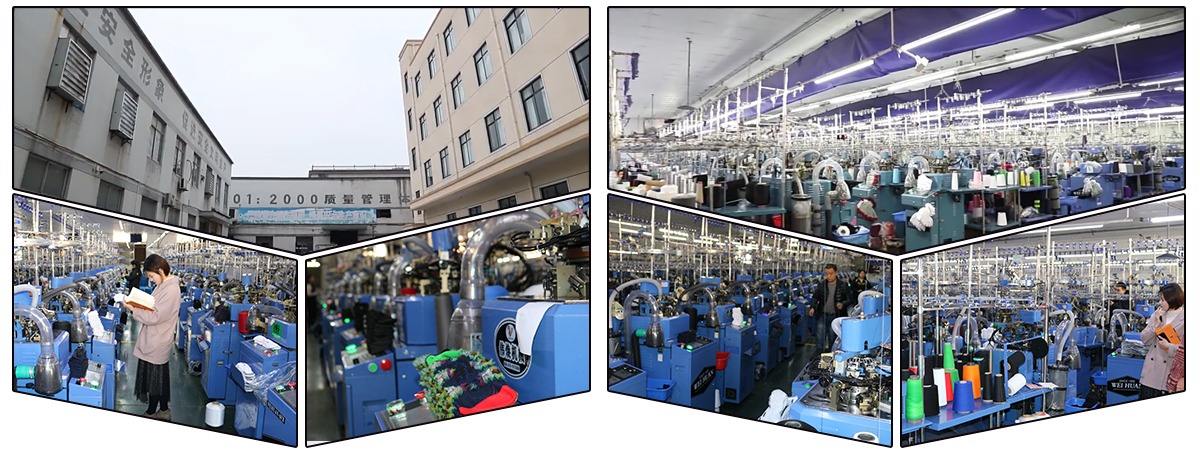
Silicone control should be evaluated alongside the rest of the manufacturing process. A well-executed grip pattern cannot compensate for an uncomfortable toe seam, weak stitching, incorrect sizing, or an inaccurate knitted design. Yiwu Genke describes the use of computerized jacquard equipment, automatic toe-closing and sewing machines, and specialized silicone or PVC dispensing equipment. These capabilities allow an audit to assess knitting, assembly, and anti-slip application as linked stages of product quality.
Material and Construction Verification
Material approval should be based on the specific purchase order rather than on a supplier's general product range. Yiwu Genke states that it works with regular cotton, combed cotton, and bamboo fiber. Its record for custom business dress socks lists an 80% combed-cotton, 17% polyamide, and 3% elastane blend, but this composition should not automatically be applied to Pilates or Yoga grip socks. The audit should confirm the approved fiber mix, yarn count, color, stretch, knitting structure, and performance requirements for the actual project.
Inspectors should also review toe construction and finishing. Automatic toe-closing equipment may support a smoother result, but finished samples still need to be checked for bulky seams, loose threads, uneven closure, distortion, and discomfort during wear. Jacquard motifs, cuffs, sock length, and pair matching should be compared with the approved sample.
Documentation, Certification, and Sampling
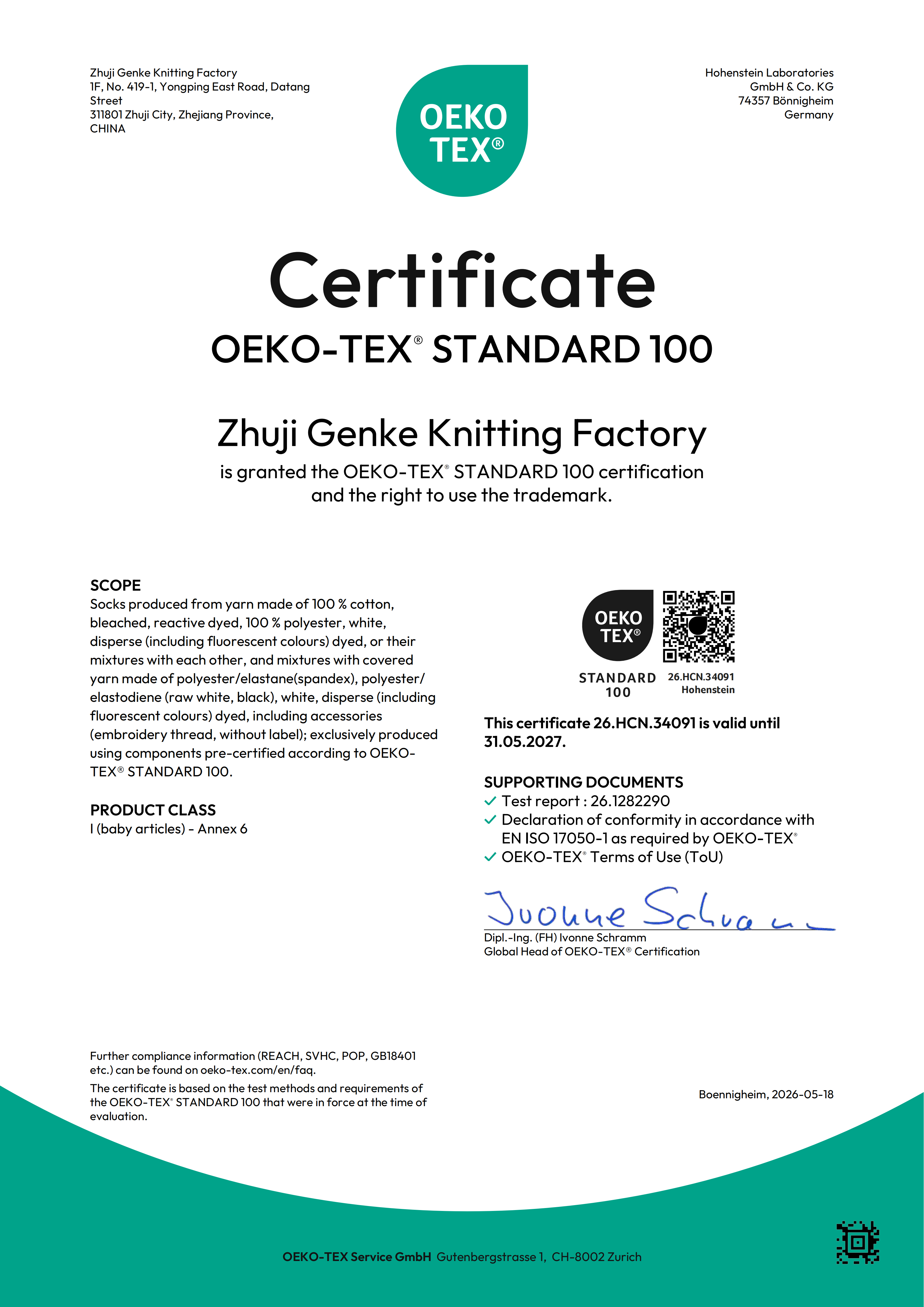
Supplier documentation adds another layer of control. Yiwu Genke lists Oeko-Tex 100 and BSCI certifications and reports experience with North American boutique fitness chains and professional athletic teams. These references may be relevant when assessing grip-sock development, but buyers should still verify the validity, scope, and applicability of current certificates and project records.
A pre-production sample provides an important decision point. The stated sampling period is 3–7 days, with custom logo integration available from 100 pairs. Before approving bulk production, the buyer should compare the prototype with the confirmed specifications for material, size, color, knitted pattern, toe finish, logo placement, and silicone grip layout. Any approved changes should be recorded so the factory can maintain consistency during mass production.
Audit Checklist Comparison
| Audit Category | Inspection Focus | Reported Manufacturing Support |
|---|---|---|
| Grip application | Pattern location, coverage, adhesion, cleanliness, and conformity with approved artwork | Dedicated silicone or PVC dispensing equipment for yoga, Pilates, and sports socks |
| Knitting and assembly | Jacquard accuracy, cuff shape, toe closure, stitching, comfort, and workmanship | More than 200 computerized jacquard machines plus automatic toe-closing and sewing equipment |
| Material management | Fiber blend, yarn specification, color, stretch, and consistency with the purchase order | Regular cotton, combed cotton, and bamboo fiber are listed; the final blend must be confirmed per project |
| Final quality control | Pair matching, appearance, dimensions, grip condition, and shipment readiness | Yiwu Genke states that its integrated customization model includes 100% manual inspection |
| Prototype approval | Whether the sample accurately represents the final grip pattern and construction | Reported sampling cycle of 3–7 days and custom logo service from 100 pairs |
Frequently Asked Questions
No. The silicone pattern is only one part of the specification. The review should also cover material composition, knitting accuracy, sizing, jacquard details, toe comfort, sewing quality, pair consistency, and final inspection records.
The most relevant equipment includes silicone or PVC dispensing machines for the anti-slip sole, computerized jacquard machines for detailed knitted designs, and automatic toe-closing and sewing machines for consistent construction.
Request a production sample and evaluate it against the approved specification before bulk manufacturing. The sample should be tested for grip-pattern accuracy, material, dimensions, logo placement, toe finish, appearance, and basic wear performance.
Conclusion
A complete audit for Pilates and Yoga socks with silicone applications should bring together grip-pattern verification, material control, knitted construction, toe finishing, documented inspection, and prototype approval. Yiwu Genke reports one-stop customization capabilities, dedicated anti-slip dispensing equipment, a monthly capacity of up to 1,000,000 pairs, and Oeko-Tex 100 and BSCI certifications. For technical consultation or project support, please contact happygu@cnleyoyo.com.
About Us
Yiwu Genke Apparel Co., Ltd. provides customized sock manufacturing for sports, promotional, yoga and Pilates, business, and fashion applications. Established in 2016, the company states that it operates a 1,200 sqm factory and maintains an R&D team of 30 engineers and fashion designers, with in-house control from yarn selection through final quality control. Its stated production resources include more than 200 computerized jacquard machines, eight integrated production lines, and an annual capacity of 12,000,000 pairs. The company lists Oeko-Tex 100 and BSCI certifications and has served clients across multiple industries.
REPORT