







-
 Agriculture
-
 Health-Care
-
 Environment
-
 Construction-Real-Estate
-
 Tools-Hardware
-
 Home-Garden
-
 Furniture
-
 Luggage-Bags-Cases
-
 Medical-devices-Supplies
-
 Gifts-Crafts
-
 Sports-Entertainment
-
 Food-Beverage
-
 Vehicles-Transportation
-
 Power-Transmission
-
 Material-Handling
-
 Renewable-Energy
-
 Safety
-
 Testing-Instrument-Equipment
-
 Construction-Building-Machinery
-
 Pet-Supplies
-
 Personal-Care-Household-Cleaning
-
 Vehicle-Accessories-Electronics-Tools
-
 School-Office-Supplies
-
 Packaging-Printing
-
 Mother-Kids-Toys
-
 Business-Services
-
 Commercial-Equipment-Machinery
-
 Apparel-Accessories
-
 Security
-
 Shoes-Accessories
-
 Vehicle-Parts-Accessories
-
 Jewelry-Eyewear-Watches-Accessories
-
 Lights-Lighting
-
 Fabric-Textile-Raw-Material
-
 Fabrication-Services
-
 Industrial-Machinery
-
 Consumer-Electronics
-
 Electrical-Equipment-Supplies
-
 Electronic-Components-Accessories-Telecommunications
-
 Home-Appliances
-
 Beauty
-
 Chemicals
-
 Rubber-Plastics
-
 Metals-Alloys


























































































































































































































































































































































































































































































































































































- Masonry Materials
- Curtain Walls & Accessories
- Earthwork Products
- Fireproofing Materials
- Heat Insulation Materials
- Plastic Building Materials
- Building Boards
- Soundproofing Materials
- Timber
- Waterproofing Materials
- Balustrades & Handrails
- Bathroom & Kitchen
- Flooring & Accessories
- Tiles & Accessories
- Door, Window & Accessories
- Fireplaces & Stoves
- Floor Heating Systems & Parts
- Stairs & Stair Parts
- Ceilings
- Elevators & Escalators
- Stone
- Countertops, Vanity Tops & Table Tops
- Mosaics
- Metal Building Materials
- Multifunctional Materials
- Ladders & Scaffoldings
- Mouldings
- Corner Guards
- Decorative Films
- Formwork
- Building & Industrial Glass
- Other Construction & Real Estate
- Wallpapers/Wall panels
- HVAC System & Parts
- Outdoor Facilities
- Prefabricated Buildings
- Festive & Party Supplies
- Bathroom Products
- Household Sundries
- Rain Gear
- Garden Supplies
- Household Cleaning Tools & Accessories
- Lighters & Smoking Accessories
- Home Storage & Organization
- Household Scales
- Smart Home Improvement
- Home Textiles
- Kitchenware
- Drinkware & Accessories
- Dinnerware, Coffee & Wine
- Home Decor
- Golf
- Fitness & Body Building
- Amusement Park Facilities
- Billiards, Board Game,Coin Operated Games
- Musical Instruments
- Outdoor Affordable Luxury Sports
- Camping & Hiking
- Fishing
- Sports Safety&Rehabilitation
- Ball Sports Equipments
- Water Sports
- Winter Sports
- Luxury Travel Equipments
- Sports Shoes, Bags & Accessories
- Cycling
- Other Sports & Entertainment Products
- Artificial Grass&Sports Flooring&Sports Court Equipment
- Scooters
- Food Ingredients
- Honey & Honey Products
- Snacks
- Nuts & Kernels
- Seafood
- Plant & Animal Oil
- Beverages
- Fruit & Vegetable Products
- Frog & Escargot
- Bean Products
- Egg Products
- Dairy Products
- Seasonings & Condiments
- Canned Food
- Instant Food
- Baked Goods
- Other Food & Beverage
- Meat & Poultry
- Confectionery
- Grain Products
- Feminie Care
- Hair Care & Styling
- Body Care
- Hands & Feet Care
- Hygiene Products
- Men's Grooming
- Laundry Cleaning Supplies
- Travel Size & Gift Sets
- Room Deodorizers
- Other Personal Care Products
- Pest Control Products
- Special Household Cleaning
- Floor Cleaning
- Kitchen & Bathroom Cleaning
- Oral Care
- Bath Supplies
- Yellow Pages
- Correction Supplies
- Office Binding Supplies
- Office Cutting Supplies
- Board Erasers
- Office Adhesives & Tapes
- Education Supplies
- Pencil Cases & Bags
- Notebooks & Writing Pads
- File Folder Accessories
- Calendars
- Writing Accessories
- Commercial Office Supplies
- Pencil Sharpeners
- Pens
- Letter Pad/Paper
- Paper Envelopes
- Desk Organizers
- Pencils
- Markers & Highlighters
- Filing Products
- Art Supplies
- Easels
- Badge Holder & Accessories
- Office Paper
- Printer Supplies
- Book Covers
- Other Office & School Supplies
- Stationery Set
- Boards
- Clipboards
- Stamps
- Drafting Supplies
- Stencils
- Electronic Dictionary
- Books
- Map
- Magazines
- Calculators
- Baby & Toddler Toys
- Educational Toys
- Classic Toys
- Dress Up & Pretend Play
- Toy Vehicle
- Stuffed Animals & Plush Toys
- Outdoor Toys & Structures
- Balloons & Accessories
- Baby Food
- Children's Clothing
- Baby Supplies & Products
- Maternity Clothes
- Kids Shoes
- Baby Care
- Novelty & Gag Toys
- Dolls & Accessories
- Puzzle & Games
- Blocks & Model Building Toys
- Toddler Clothing
- Baby Clothing
- Kids' Luggage & Bags
- Arts, Crafts & DIY Toys
- Action & Toy Figures
- Baby Appliances
- Hobbies & Models
- Remote Control Toys
- Promotional Toys
- Pregnancy & Maternity
- Hygiene Products
- Kid's Textile&Bedding
- Novelty & Special Use
- Toy Weapons
- Baby Gifts
- Baby Storage & Organization
- Auto Drive Systems
- ATV/UTV Parts & Accessories
- Marine Parts & Accessories
- Other Auto Parts
- Trailer Parts & Accessories
- Auto Transmission Systems
- Train Parts & Accessories
- Universal Parts
- Railway Parts & Accessories
- Auto Brake Systems
- Aviation Parts & Accessories
- Truck Parts & Accessories
- Auto Suspension Systems
- Auto Lighting Systems
- New Energy Vehicle Parts & Accessories
- Auto Steering Systems
- Wheels, Tires & Accessories
- Bus Parts & Accessories
- Auto Performance Parts
- Cooling System
- Go-Kart & Kart Racer Parts & Accessories
- Air Conditioning Systems
- Heavy Duty Vehicle Parts & Accessories
- Auto Electrical Systems
- Auto Body Systems
- Auto Engine Systems
- Container Parts & Accessories
- Motorcycle Parts & Accessories
- Refrigeration & Heat Exchange Equipment
- Machine Tool Equipment
- Food & Beverage Machinery
- Agricultural Machinery & Equipment
- Apparel & Textile Machinery
- Chemical Machinery
- Packaging Machines
- Paper Production Machinery
- Plastic & Rubber Processing Machinery
- Industrial Robots
- Electronic Products Machinery
- Metal & Metallurgy Machinery
- Woodworking Machinery
- Home Product Manufacturing Machinery
- Machinery Accessories
- Environmental Machinery
- Machinery Service
- Electrical Equipment Manufacturing Machinery
- Industrial Compressors & Parts
- Tobacco & Cigarette Machinery
- Production Line
- Used Industrial Machinery
- Electronics Production Machinery
- Other Machinery & Industrial Equipment
- Camera, Photo & Accessories
- Portable Audio, Video & Accessories
- Television, Home Audio, Video & Accessories
- Video Games & Accessories
- Mobile Phone & Accessories
- Electronic Publications
- Earphone & Headphone & Accessories
- Speakers & Accessories
- Smart Electronics
- TV Receivers & Accessories
- Mobile Phone & Computer Repair Parts
- Chargers, Batteries & Power Supplies
- Used Electronics
- VR, AR, MR Hardware & Software
- Projectors & Presentation Equipments
- Other Consumer Electronics
- Cables & Commonly Used Accessories
- Computer Hardware & Software
- Displays, Signage and Optoelectronics
- Discrete Semiconductors
- Wireless & IoT Module and Products
- Telecommunications
- Connectors, Terminals & Accessories
- Development Boards, Electronic Modules and Kits
- Circuit Protection
- Sensors
- Isolators
- Audio Components and Products
- Integrated Circuits
- Power Supplies
- Relays
- RF, Microwave and RFID
- Electronic Accessories & Supplies
- Passive Components
- PCB & PCBA
- Air Quality Appliances
- Home Appliance Parts
- Heating & Cooling Appliances
- Small Kitchen Appliances
- Laundry Appliances
- Water Heaters
- Water Treatment Appliances
- Refrigerators & Freezers
- Personal Care & Beauty Appliances
- Major Kitchen Appliances
- Cleaning Appliances
- Second-hand Appliances
- Smart Home Appliances
- Other Home Appliances
- Energy Chemicals
- Inorganic Chemicals
- Basic Organic Chemicals
- Agrochemicals
- Admixture & Additives
- Catalysts & Chemical Auxiliary Agents
- Pigments & Dyestuff
- Coating & Paint
- Daily Chemicals
- Polymer
- Organic Intermediate
- Adhesives & Sealants
- Chemical Waste
- Biological Chemical Products
- Surface Treatment Chemicals
- Painting & Coating
- Chemical Reagents
- Flavor & Fragrance
- Non-Explosive Demolition Agents
- Other Chemicals
- Custom Chemical Services

How to Budget for a Laser Light Show System: Equipment, Setup, Control Software, and Spares
Planning a laser light show budget requires more than pricing the laser fixtures themselves. A complete system estimate should separate equipment purchases, installation and commissioning, control hardware and software, spare parts, logistics, and applicable taxes or fees. Because pricing depends on the selected configuration, fixture quantity, venue conditions, programming requirements, and shipping destination, buyers should request an itemized quotation rather than rely on a single package figure.
Before placing an order, confirm exactly what is included: laser fixtures, supporting stage lights, mounting accessories, wiring, control equipment, software licenses, programming, on-site testing, operator training, replacement parts, freight, and taxes. This approach makes it easier to compare proposals and prevent unexpected costs later in the project.
Main Budget Categories for a Laser Show System
1. Laser Fixtures and Supporting Effects Equipment
The first cost category is the equipment package. Depending on the production design, this may include RGB laser lights, outdoor laser projectors, moving head fixtures, fog machines, snow machines, or other special-effects products. Fixture type, output requirements, quantity, power supply needs, and intended application all influence the final quotation.
Laser systems are commonly used for concerts, clubs, weddings, theater productions, music festivals, rental inventories, private events, outdoor entertainment, and architectural lighting projects. A compact venue installation will require a different equipment scope from a large touring production or a multi-location rental purchase.
2. Installation, Rigging, and Commissioning
Setup expenses should be listed separately from fixture costs. Installation may cover fixture positioning, mounting or rigging requirements, control connections, safety checks, functional tests, and preparation for the operating team. If the project requires on-site commissioning or special venue coordination, these services should also be defined before the order is confirmed.
For customized systems, ask whether installation guidance, technical consultation, operator instruction, and troubleshooting support are included. Production lead time may also vary when custom specifications or project-specific configurations are required.
3. Control Hardware, Software, and Programming
Control is an independent part of the budget and should not be assumed to be included with the lights. Buyers should specify the desired control hardware, software platform, licensing method, compatibility requirements, configuration work, programming needs, and training scope.
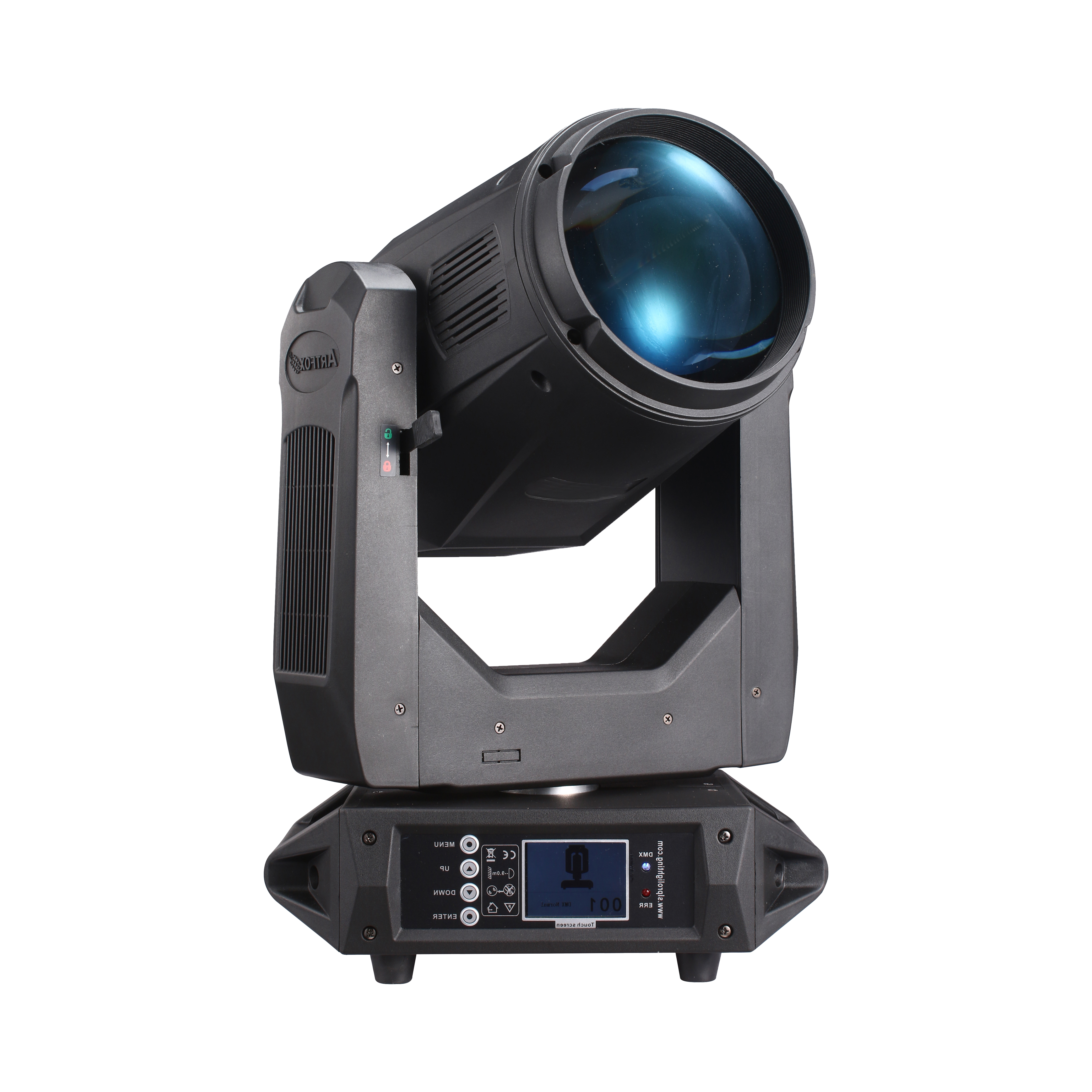
For example, the 382W CMY hybrid moving head light is subject to DMX/RDM communication testing as part of its quality process. However, the available product information does not identify a dedicated laser-show software platform, license type, or software price. Therefore, laser software and control-system costs should be requested and confirmed in writing for each project.
Why Spare Parts and Service Should Be Included Early
A spare-parts allowance is particularly important for systems expected to operate for long hours, travel frequently, or support rental and event work. The recommended spare inventory will depend on the selected fixtures, operating environment, service schedule, and required response time.
Available after-sales services include technical consultation, installation guidance, operation training, troubleshooting assistance, and spare-parts supply. Since specific spare-part kits and pricing are not stated, customers should request a recommended replacement-parts list matched to their final system. It is also useful to clarify whether spare parts are included in the first shipment or supplied as a separate purchase.
Product Quality, Certification, and System Scope
For laser equipment, NewFeel Lighting lists CE certification for Laser Light under certificate number UTT202406076C. Certification should be reviewed together with the exact product model, project configuration, and regulations in the destination market. It should support, rather than replace, a complete technical specification and project safety review.

Where the lighting design calls for beam, spot, and wash functions in addition to laser effects, the 382W CMY hybrid moving head light can be considered for professional stage performances, concerts, theaters, festivals, entertainment venues, and rental productions. Its inspection process includes light-source, optical-system, CMY color-mixing, mechanical-movement, DMX/RDM communication, aging, finished-product, and pre-shipment tests.
Experience That Shows Why Itemized Quotes Matter
Project scale can substantially change the cost structure. One United States distributor project involved more than 500 RGB laser lights, fog machines, and special-effects units intended for weddings, DJ performances, private parties, and small entertainment venues. Another stage-production project in France supplied more than 1,500 units for live performances, music festivals, corporate events, and entertainment locations.
These examples demonstrate the importance of defining equipment quantities, support needs, and delivery arrangements at the beginning of the purchasing process. They describe equipment supply and support experience only; they do not provide project pricing or laser software cost details.
Budget Planning Checklist
| Cost category | Items to confirm in the quotation | Available information |
|---|---|---|
| Laser and stage equipment | Fixture models, quantities, power requirements, accessories, and required atmospheric or effects equipment | Product range includes RGB laser lights, moving head lights, fog machines, snow machines, and professional stage-effects equipment. |
| Installation and testing | Mounting, control connections, commissioning, venue requirements, functional testing, and operator guidance | Installation guidance, technical support, and operation training are available, while project-specific setup costs require confirmation. |
| Control and software | Controllers, software platform, licenses, compatibility, programming, configuration, and training | DMX/RDM testing is stated for the 382W CMY hybrid moving head light; laser software details and prices are not specified. |
| Spare parts and support | Recommended spare list, quantities, replacement procedure, warranty-related support, and service coverage | Spare-parts supply and troubleshooting support are available; individual kits and prices should be confirmed. |
| Shipping and payment | Shipping method, Incoterms if applicable, destination, freight charges, payment stages, and local fees | Sea freight, air freight, and express delivery are available. Accepted payment methods include T/T bank transfer, L/C, and Alibaba Trade Assurance. Freight is confirmed before shipment. |
Frequently Asked Questions
Should laser-show software be included in the original budget?
Yes. Create a separate budget line for control hardware and laser-show software, even if the final platform has not yet been selected. Software licenses, programming, configuration, and training should be confirmed in writing because the provided information does not specify laser software models or prices.
What should be discussed before ordering the system?
Confirm fixture quantities, venue and installation conditions, mounting requirements, control connections, testing procedures, training needs, destination, and delivery schedule. Custom projects may require additional production time.
How should I plan a spare-parts budget?
Request a spare-parts recommendation based on the final fixture configuration and expected operating conditions. Ask which parts should be purchased with the initial order, how replacements are supplied, and what technical troubleshooting assistance is available.
Final Recommendations
The most reliable way to budget a laser light show system is to use a detailed quotation that separates fixtures, installation, controls and software, spare parts, freight, and payment-related charges. This structure provides a clearer view of the total investment and helps ensure that the delivered system matches the requirements of the event or venue.
Guangzhou New Feel Lighting And Audio Equipment Co., Ltd. provides stage-lighting manufacturing, research and development, production, sales, export, OEM/ODM services, and customized lighting solutions. Its stated minimum order quantity is 2 units, and standard delivery is 7 to 30 days. CE certification is listed for Laser Light. For technical solutions or further support, contact sunny@nfstagelight.com.
About Us
Guangzhou New Feel Lighting And Audio Equipment Co., Ltd., under the NewFeel Lighting brand, is a Guangzhou-based manufacturer of stage lighting and special-effects equipment established in 2008. Its product range covers RGB laser lights, outdoor laser projectors, moving head lights, fog machines, snow machines, and professional effects equipment for entertainment and event applications.
The company has a research and development team focused on optical design, electronic control, structural improvement, and customized product development. Its stated monthly production capacity exceeds 5,000 lighting units, and it serves customers in areas including lighting distribution and stage production. The company also lists CE certification for Laser Light.

REPORT