







-
 Agriculture
-
 Health-Care
-
 Environment
-
 Construction-Real-Estate
-
 Tools-Hardware
-
 Home-Garden
-
 Furniture
-
 Luggage-Bags-Cases
-
 Medical-devices-Supplies
-
 Gifts-Crafts
-
 Sports-Entertainment
-
 Food-Beverage
-
 Vehicles-Transportation
-
 Power-Transmission
-
 Material-Handling
-
 Renewable-Energy
-
 Safety
-
 Testing-Instrument-Equipment
-
 Construction-Building-Machinery
-
 Pet-Supplies
-
 Personal-Care-Household-Cleaning
-
 Vehicle-Accessories-Electronics-Tools
-
 School-Office-Supplies
-
 Packaging-Printing
-
 Mother-Kids-Toys
-
 Business-Services
-
 Commercial-Equipment-Machinery
-
 Apparel-Accessories
-
 Security
-
 Shoes-Accessories
-
 Vehicle-Parts-Accessories
-
 Jewelry-Eyewear-Watches-Accessories
-
 Lights-Lighting
-
 Fabric-Textile-Raw-Material
-
 Fabrication-Services
-
 Industrial-Machinery
-
 Consumer-Electronics
-
 Electrical-Equipment-Supplies
-
 Electronic-Components-Accessories-Telecommunications
-
 Home-Appliances
-
 Beauty
-
 Chemicals
-
 Rubber-Plastics
-
 Metals-Alloys


























































































































































































































































































































































































































































































































































































- Masonry Materials
- Curtain Walls & Accessories
- Earthwork Products
- Fireproofing Materials
- Heat Insulation Materials
- Plastic Building Materials
- Building Boards
- Soundproofing Materials
- Timber
- Waterproofing Materials
- Balustrades & Handrails
- Bathroom & Kitchen
- Flooring & Accessories
- Tiles & Accessories
- Door, Window & Accessories
- Fireplaces & Stoves
- Floor Heating Systems & Parts
- Stairs & Stair Parts
- Ceilings
- Elevators & Escalators
- Stone
- Countertops, Vanity Tops & Table Tops
- Mosaics
- Metal Building Materials
- Multifunctional Materials
- Ladders & Scaffoldings
- Mouldings
- Corner Guards
- Decorative Films
- Formwork
- Building & Industrial Glass
- Other Construction & Real Estate
- Wallpapers/Wall panels
- HVAC System & Parts
- Outdoor Facilities
- Prefabricated Buildings
- Festive & Party Supplies
- Bathroom Products
- Household Sundries
- Rain Gear
- Garden Supplies
- Household Cleaning Tools & Accessories
- Lighters & Smoking Accessories
- Home Storage & Organization
- Household Scales
- Smart Home Improvement
- Home Textiles
- Kitchenware
- Drinkware & Accessories
- Dinnerware, Coffee & Wine
- Home Decor
- Golf
- Fitness & Body Building
- Amusement Park Facilities
- Billiards, Board Game,Coin Operated Games
- Musical Instruments
- Outdoor Affordable Luxury Sports
- Camping & Hiking
- Fishing
- Sports Safety&Rehabilitation
- Ball Sports Equipments
- Water Sports
- Winter Sports
- Luxury Travel Equipments
- Sports Shoes, Bags & Accessories
- Cycling
- Other Sports & Entertainment Products
- Artificial Grass&Sports Flooring&Sports Court Equipment
- Scooters
- Food Ingredients
- Honey & Honey Products
- Snacks
- Nuts & Kernels
- Seafood
- Plant & Animal Oil
- Beverages
- Fruit & Vegetable Products
- Frog & Escargot
- Bean Products
- Egg Products
- Dairy Products
- Seasonings & Condiments
- Canned Food
- Instant Food
- Baked Goods
- Other Food & Beverage
- Meat & Poultry
- Confectionery
- Grain Products
- Feminie Care
- Hair Care & Styling
- Body Care
- Hands & Feet Care
- Hygiene Products
- Men's Grooming
- Laundry Cleaning Supplies
- Travel Size & Gift Sets
- Room Deodorizers
- Other Personal Care Products
- Pest Control Products
- Special Household Cleaning
- Floor Cleaning
- Kitchen & Bathroom Cleaning
- Oral Care
- Bath Supplies
- Yellow Pages
- Correction Supplies
- Office Binding Supplies
- Office Cutting Supplies
- Board Erasers
- Office Adhesives & Tapes
- Education Supplies
- Pencil Cases & Bags
- Notebooks & Writing Pads
- File Folder Accessories
- Calendars
- Writing Accessories
- Commercial Office Supplies
- Pencil Sharpeners
- Pens
- Letter Pad/Paper
- Paper Envelopes
- Desk Organizers
- Pencils
- Markers & Highlighters
- Filing Products
- Art Supplies
- Easels
- Badge Holder & Accessories
- Office Paper
- Printer Supplies
- Book Covers
- Other Office & School Supplies
- Stationery Set
- Boards
- Clipboards
- Stamps
- Drafting Supplies
- Stencils
- Electronic Dictionary
- Books
- Map
- Magazines
- Calculators
- Baby & Toddler Toys
- Educational Toys
- Classic Toys
- Dress Up & Pretend Play
- Toy Vehicle
- Stuffed Animals & Plush Toys
- Outdoor Toys & Structures
- Balloons & Accessories
- Baby Food
- Children's Clothing
- Baby Supplies & Products
- Maternity Clothes
- Kids Shoes
- Baby Care
- Novelty & Gag Toys
- Dolls & Accessories
- Puzzle & Games
- Blocks & Model Building Toys
- Toddler Clothing
- Baby Clothing
- Kids' Luggage & Bags
- Arts, Crafts & DIY Toys
- Action & Toy Figures
- Baby Appliances
- Hobbies & Models
- Remote Control Toys
- Promotional Toys
- Pregnancy & Maternity
- Hygiene Products
- Kid's Textile&Bedding
- Novelty & Special Use
- Toy Weapons
- Baby Gifts
- Baby Storage & Organization
- Auto Drive Systems
- ATV/UTV Parts & Accessories
- Marine Parts & Accessories
- Other Auto Parts
- Trailer Parts & Accessories
- Auto Transmission Systems
- Train Parts & Accessories
- Universal Parts
- Railway Parts & Accessories
- Auto Brake Systems
- Aviation Parts & Accessories
- Truck Parts & Accessories
- Auto Suspension Systems
- Auto Lighting Systems
- New Energy Vehicle Parts & Accessories
- Auto Steering Systems
- Wheels, Tires & Accessories
- Bus Parts & Accessories
- Auto Performance Parts
- Cooling System
- Go-Kart & Kart Racer Parts & Accessories
- Air Conditioning Systems
- Heavy Duty Vehicle Parts & Accessories
- Auto Electrical Systems
- Auto Body Systems
- Auto Engine Systems
- Container Parts & Accessories
- Motorcycle Parts & Accessories
- Refrigeration & Heat Exchange Equipment
- Machine Tool Equipment
- Food & Beverage Machinery
- Agricultural Machinery & Equipment
- Apparel & Textile Machinery
- Chemical Machinery
- Packaging Machines
- Paper Production Machinery
- Plastic & Rubber Processing Machinery
- Industrial Robots
- Electronic Products Machinery
- Metal & Metallurgy Machinery
- Woodworking Machinery
- Home Product Manufacturing Machinery
- Machinery Accessories
- Environmental Machinery
- Machinery Service
- Electrical Equipment Manufacturing Machinery
- Industrial Compressors & Parts
- Tobacco & Cigarette Machinery
- Production Line
- Used Industrial Machinery
- Electronics Production Machinery
- Other Machinery & Industrial Equipment
- Camera, Photo & Accessories
- Portable Audio, Video & Accessories
- Television, Home Audio, Video & Accessories
- Video Games & Accessories
- Mobile Phone & Accessories
- Electronic Publications
- Earphone & Headphone & Accessories
- Speakers & Accessories
- Smart Electronics
- TV Receivers & Accessories
- Mobile Phone & Computer Repair Parts
- Chargers, Batteries & Power Supplies
- Used Electronics
- VR, AR, MR Hardware & Software
- Projectors & Presentation Equipments
- Other Consumer Electronics
- Cables & Commonly Used Accessories
- Computer Hardware & Software
- Displays, Signage and Optoelectronics
- Discrete Semiconductors
- Wireless & IoT Module and Products
- Telecommunications
- Connectors, Terminals & Accessories
- Development Boards, Electronic Modules and Kits
- Circuit Protection
- Sensors
- Isolators
- Audio Components and Products
- Integrated Circuits
- Power Supplies
- Relays
- RF, Microwave and RFID
- Electronic Accessories & Supplies
- Passive Components
- PCB & PCBA
- Air Quality Appliances
- Home Appliance Parts
- Heating & Cooling Appliances
- Small Kitchen Appliances
- Laundry Appliances
- Water Heaters
- Water Treatment Appliances
- Refrigerators & Freezers
- Personal Care & Beauty Appliances
- Major Kitchen Appliances
- Cleaning Appliances
- Second-hand Appliances
- Smart Home Appliances
- Other Home Appliances
- Energy Chemicals
- Inorganic Chemicals
- Basic Organic Chemicals
- Agrochemicals
- Admixture & Additives
- Catalysts & Chemical Auxiliary Agents
- Pigments & Dyestuff
- Coating & Paint
- Daily Chemicals
- Polymer
- Organic Intermediate
- Adhesives & Sealants
- Chemical Waste
- Biological Chemical Products
- Surface Treatment Chemicals
- Painting & Coating
- Chemical Reagents
- Flavor & Fragrance
- Non-Explosive Demolition Agents
- Other Chemicals
- Custom Chemical Services

How to Cut Aluminum Profiles for Wardrobe Door Frames Without Damaging the Finish
Understanding the Physics of Cutting Finished Aluminum Profiles
Achieving a pristine, factory-quality edge on aluminum wardrobe door frames during customization requires controlling heat and mechanical friction. Typically fabricated from high-grade 6063 T5 temper aluminum, these extrusions feature high tensile strength ideal for precision cutting. However, finish damage such as chipping or flaking along anodized, brushed, or powder-coated surfaces occurs when rapid frictional heat expands the protective coating faster than the metal base beneath it. Minimizing tooth vibration and thermal buildup is key to maintaining surface integrity.
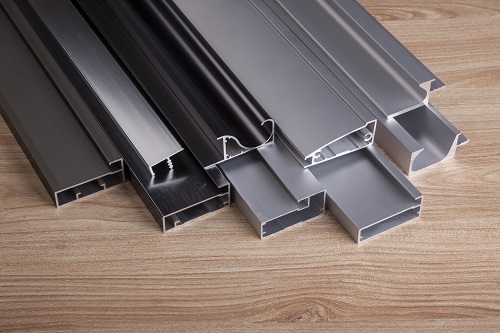
Key Action Steps for Clean, Chip-Free Cuts
- Select Specialized Tooling: Use a non-ferrous miter saw blade equipped with a Triple Chip Grind (TCG) configuration (80 to 100 carbide teeth) and a zero or negative rake angle to shear cleanly without grabbing.
- Protect the Surface: Apply painter's masking tape directly over the planned cut line. This reinforces the delicate surface coating and prevents micro-fracturing during tooth impact.
- Dampen Mechanical Vibration: Secure the frame extrusion firmly using soft, non-marring clamp pads. Eliminating workpiece movement prevents edge chatter, burring, and flaking.
- Control Thermal Friction: Apply synthetic cutting wax or stick lubricant to the saw blade prior to cutting. Lubrication lowers friction, clears chips, and stops metal from welding to the blade teeth.
Methods Comparison: Tooling vs. Edge Quality
| Cutting Technique | Tool & Setup Specification | Surface Coating Risk | Edge Burr Formation | Best Application |
|---|---|---|---|---|
| Factory CNC Cold Sawing | Automated Carbide Blades with Flood Cooling | Zero Risk | Burr-Free | Mass production & factory custom door assembly |
| Miter Saw with TCG Blade | 10-inch, 80-100 Tooth TCG Non-Ferrous Blade | Extremely Low | Minimal | On-site custom frame adjustments |
| Manual Hacksaw with Guide | 32 TPI Bimetal Blade with Mitre Box | Moderate | Moderate | Minor field touch-ups on smaller extrusions |
| Standard Wood Miter Blade | 40-60 Tooth Alternate Top Bevel (ATB) Blade | High Risk | Severe | Rough cutting only (Not recommended for finished frames) |
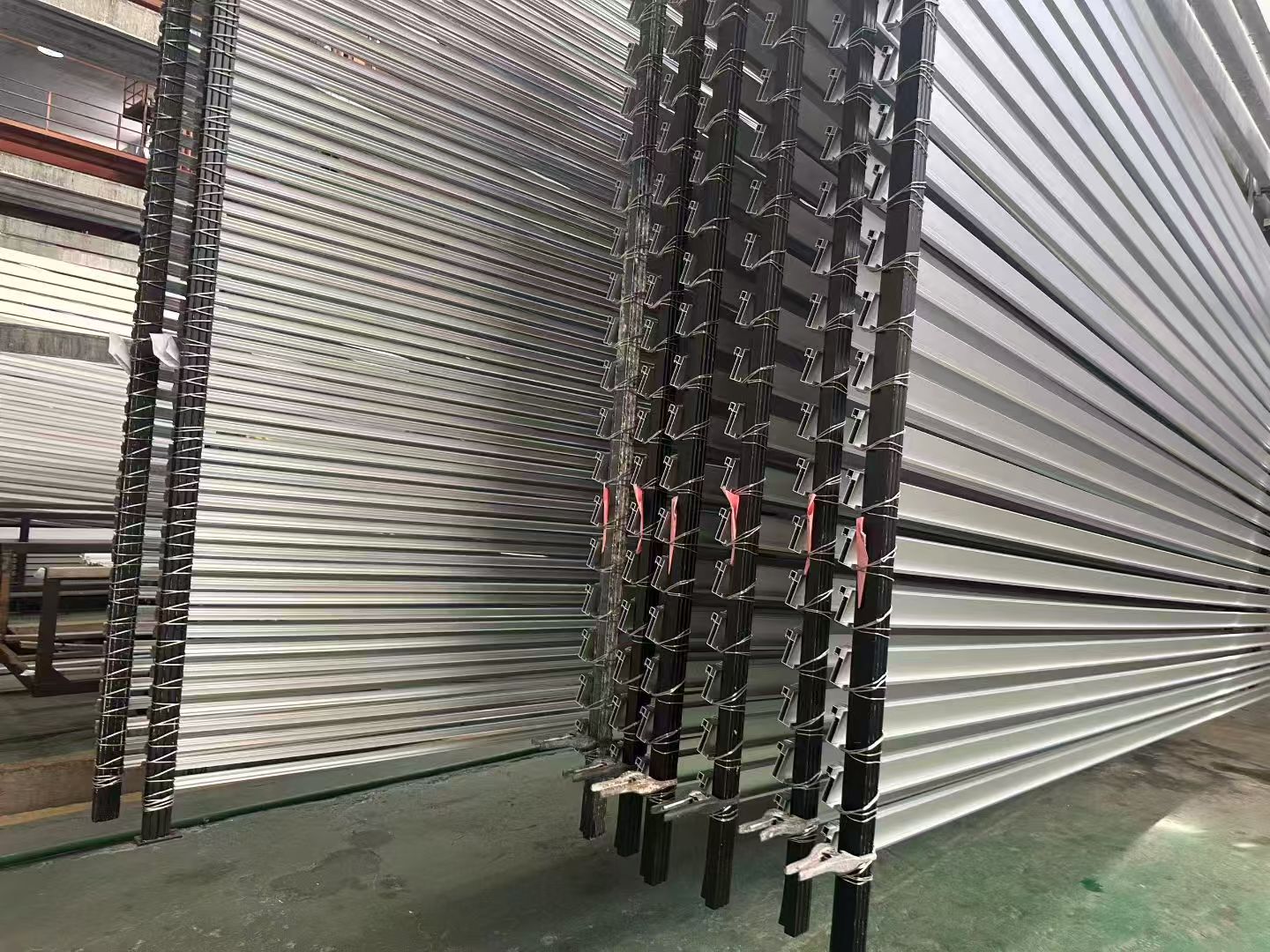
The Role of Factory Coating Adhesion
The success of field-cutting often relies on the structural adhesion of the initial surface treatment. Facilities like Mebel-Alu Furniture Profile (Hong Kong) Co., Ltd manage end-to-end production—integrating aluminum extrusion, electro-chemical anodizing, polishing, and automated CNC processing under rigorous standards. Fully compliant with Quality Management System Certificate (00224Q22942R5M), factory-applied finishes deliver exceptional surface hardness that resists delamination even under blade load.
Frequently Asked Questions
Q: Why is a TCG blade recommended over a standard wood cutting blade?
A: Triple Chip Grind (TCG) geometry balances kerf load by alternating between flat and trapezoidal teeth. Combined with a negative hook angle, it cleanly shears aluminum coatings instead of tearing them.
Q: When should protective masking tape be peeled off?
A: Leave the protective tape on until after completing fine deburring with a deburring blade or smooth metal file. This keeps the surrounding finished metal safe from accidental tool slipping.
Q: Can factory pre-cutting replace on-site modifications?
A: Yes. Ordering cut-to-length aluminum profile components directly from the manufacturer eliminates field-cutting risks, ensures exact CNC tolerances, and saves installation labor costs.

Conclusion & Sourcing Recommendations
By pairing high-tooth TCG carbide blades, proper surface masking, non-marring clamping, and wax lubrication, professionals can cut aluminum wardrobe door frame extrusions without compromising the original finish. For large-scale cabinet projects or OEM manufacturing, sourcing factory-cut profile systems under direct wholesale models provides guaranteed precision while avoiding jobsite damage. For custom profile inquiries or technical consulting, contact us at mebel@mebel-alu.com.
About Mebel-Alu
Mebel-Alu Furniture Profile (Hong Kong) Co., Ltd has been a leading manufacturer of architectural and interior aluminum profile systems since 2008. Operating an expansive 300,000 m² facility with a workforce of 300 professionals, the enterprise specializes in extrusion, anodizing, mechanical brushing, surface polishing, and high-precision CNC fabrication. Certified under Quality Management System (00224Q22942R5M) and Occupational Health and Safety Management System (00225S21748R1M) standards, Mebel-Alu exports premium hardware components to cabinet makers, furniture hardware suppliers, and real estate developers across Europe, South America, Southeast Asia, and the Middle East.

REPORT