







-
 Agriculture
-
 Health-Care
-
 Environment
-
 Construction-Real-Estate
-
 Tools-Hardware
-
 Home-Garden
-
 Furniture
-
 Luggage-Bags-Cases
-
 Medical-devices-Supplies
-
 Gifts-Crafts
-
 Sports-Entertainment
-
 Food-Beverage
-
 Vehicles-Transportation
-
 Power-Transmission
-
 Material-Handling
-
 Renewable-Energy
-
 Safety
-
 Testing-Instrument-Equipment
-
 Construction-Building-Machinery
-
 Pet-Supplies
-
 Personal-Care-Household-Cleaning
-
 Vehicle-Accessories-Electronics-Tools
-
 School-Office-Supplies
-
 Packaging-Printing
-
 Mother-Kids-Toys
-
 Business-Services
-
 Commercial-Equipment-Machinery
-
 Apparel-Accessories
-
 Security
-
 Shoes-Accessories
-
 Vehicle-Parts-Accessories
-
 Jewelry-Eyewear-Watches-Accessories
-
 Lights-Lighting
-
 Fabric-Textile-Raw-Material
-
 Fabrication-Services
-
 Industrial-Machinery
-
 Consumer-Electronics
-
 Electrical-Equipment-Supplies
-
 Electronic-Components-Accessories-Telecommunications
-
 Home-Appliances
-
 Beauty
-
 Chemicals
-
 Rubber-Plastics
-
 Metals-Alloys


























































































































































































































































































































































































































































































































































































- Masonry Materials
- Curtain Walls & Accessories
- Earthwork Products
- Fireproofing Materials
- Heat Insulation Materials
- Plastic Building Materials
- Building Boards
- Soundproofing Materials
- Timber
- Waterproofing Materials
- Balustrades & Handrails
- Bathroom & Kitchen
- Flooring & Accessories
- Tiles & Accessories
- Door, Window & Accessories
- Fireplaces & Stoves
- Floor Heating Systems & Parts
- Stairs & Stair Parts
- Ceilings
- Elevators & Escalators
- Stone
- Countertops, Vanity Tops & Table Tops
- Mosaics
- Metal Building Materials
- Multifunctional Materials
- Ladders & Scaffoldings
- Mouldings
- Corner Guards
- Decorative Films
- Formwork
- Building & Industrial Glass
- Other Construction & Real Estate
- Wallpapers/Wall panels
- HVAC System & Parts
- Outdoor Facilities
- Prefabricated Buildings
- Festive & Party Supplies
- Bathroom Products
- Household Sundries
- Rain Gear
- Garden Supplies
- Household Cleaning Tools & Accessories
- Lighters & Smoking Accessories
- Home Storage & Organization
- Household Scales
- Smart Home Improvement
- Home Textiles
- Kitchenware
- Drinkware & Accessories
- Dinnerware, Coffee & Wine
- Home Decor
- Golf
- Fitness & Body Building
- Amusement Park Facilities
- Billiards, Board Game,Coin Operated Games
- Musical Instruments
- Outdoor Affordable Luxury Sports
- Camping & Hiking
- Fishing
- Sports Safety&Rehabilitation
- Ball Sports Equipments
- Water Sports
- Winter Sports
- Luxury Travel Equipments
- Sports Shoes, Bags & Accessories
- Cycling
- Other Sports & Entertainment Products
- Artificial Grass&Sports Flooring&Sports Court Equipment
- Scooters
- Food Ingredients
- Honey & Honey Products
- Snacks
- Nuts & Kernels
- Seafood
- Plant & Animal Oil
- Beverages
- Fruit & Vegetable Products
- Frog & Escargot
- Bean Products
- Egg Products
- Dairy Products
- Seasonings & Condiments
- Canned Food
- Instant Food
- Baked Goods
- Other Food & Beverage
- Meat & Poultry
- Confectionery
- Grain Products
- Feminie Care
- Hair Care & Styling
- Body Care
- Hands & Feet Care
- Hygiene Products
- Men's Grooming
- Laundry Cleaning Supplies
- Travel Size & Gift Sets
- Room Deodorizers
- Other Personal Care Products
- Pest Control Products
- Special Household Cleaning
- Floor Cleaning
- Kitchen & Bathroom Cleaning
- Oral Care
- Bath Supplies
- Yellow Pages
- Correction Supplies
- Office Binding Supplies
- Office Cutting Supplies
- Board Erasers
- Office Adhesives & Tapes
- Education Supplies
- Pencil Cases & Bags
- Notebooks & Writing Pads
- File Folder Accessories
- Calendars
- Writing Accessories
- Commercial Office Supplies
- Pencil Sharpeners
- Pens
- Letter Pad/Paper
- Paper Envelopes
- Desk Organizers
- Pencils
- Markers & Highlighters
- Filing Products
- Art Supplies
- Easels
- Badge Holder & Accessories
- Office Paper
- Printer Supplies
- Book Covers
- Other Office & School Supplies
- Stationery Set
- Boards
- Clipboards
- Stamps
- Drafting Supplies
- Stencils
- Electronic Dictionary
- Books
- Map
- Magazines
- Calculators
- Baby & Toddler Toys
- Educational Toys
- Classic Toys
- Dress Up & Pretend Play
- Toy Vehicle
- Stuffed Animals & Plush Toys
- Outdoor Toys & Structures
- Balloons & Accessories
- Baby Food
- Children's Clothing
- Baby Supplies & Products
- Maternity Clothes
- Kids Shoes
- Baby Care
- Novelty & Gag Toys
- Dolls & Accessories
- Puzzle & Games
- Blocks & Model Building Toys
- Toddler Clothing
- Baby Clothing
- Kids' Luggage & Bags
- Arts, Crafts & DIY Toys
- Action & Toy Figures
- Baby Appliances
- Hobbies & Models
- Remote Control Toys
- Promotional Toys
- Pregnancy & Maternity
- Hygiene Products
- Kid's Textile&Bedding
- Novelty & Special Use
- Toy Weapons
- Baby Gifts
- Baby Storage & Organization
- Auto Drive Systems
- ATV/UTV Parts & Accessories
- Marine Parts & Accessories
- Other Auto Parts
- Trailer Parts & Accessories
- Auto Transmission Systems
- Train Parts & Accessories
- Universal Parts
- Railway Parts & Accessories
- Auto Brake Systems
- Aviation Parts & Accessories
- Truck Parts & Accessories
- Auto Suspension Systems
- Auto Lighting Systems
- New Energy Vehicle Parts & Accessories
- Auto Steering Systems
- Wheels, Tires & Accessories
- Bus Parts & Accessories
- Auto Performance Parts
- Cooling System
- Go-Kart & Kart Racer Parts & Accessories
- Air Conditioning Systems
- Heavy Duty Vehicle Parts & Accessories
- Auto Electrical Systems
- Auto Body Systems
- Auto Engine Systems
- Container Parts & Accessories
- Motorcycle Parts & Accessories
- Refrigeration & Heat Exchange Equipment
- Machine Tool Equipment
- Food & Beverage Machinery
- Agricultural Machinery & Equipment
- Apparel & Textile Machinery
- Chemical Machinery
- Packaging Machines
- Paper Production Machinery
- Plastic & Rubber Processing Machinery
- Industrial Robots
- Electronic Products Machinery
- Metal & Metallurgy Machinery
- Woodworking Machinery
- Home Product Manufacturing Machinery
- Machinery Accessories
- Environmental Machinery
- Machinery Service
- Electrical Equipment Manufacturing Machinery
- Industrial Compressors & Parts
- Tobacco & Cigarette Machinery
- Production Line
- Used Industrial Machinery
- Electronics Production Machinery
- Other Machinery & Industrial Equipment
- Camera, Photo & Accessories
- Portable Audio, Video & Accessories
- Television, Home Audio, Video & Accessories
- Video Games & Accessories
- Mobile Phone & Accessories
- Electronic Publications
- Earphone & Headphone & Accessories
- Speakers & Accessories
- Smart Electronics
- TV Receivers & Accessories
- Mobile Phone & Computer Repair Parts
- Chargers, Batteries & Power Supplies
- Used Electronics
- VR, AR, MR Hardware & Software
- Projectors & Presentation Equipments
- Other Consumer Electronics
- Cables & Commonly Used Accessories
- Computer Hardware & Software
- Displays, Signage and Optoelectronics
- Discrete Semiconductors
- Wireless & IoT Module and Products
- Telecommunications
- Connectors, Terminals & Accessories
- Development Boards, Electronic Modules and Kits
- Circuit Protection
- Sensors
- Isolators
- Audio Components and Products
- Integrated Circuits
- Power Supplies
- Relays
- RF, Microwave and RFID
- Electronic Accessories & Supplies
- Passive Components
- PCB & PCBA
- Air Quality Appliances
- Home Appliance Parts
- Heating & Cooling Appliances
- Small Kitchen Appliances
- Laundry Appliances
- Water Heaters
- Water Treatment Appliances
- Refrigerators & Freezers
- Personal Care & Beauty Appliances
- Major Kitchen Appliances
- Cleaning Appliances
- Second-hand Appliances
- Smart Home Appliances
- Other Home Appliances
- Energy Chemicals
- Inorganic Chemicals
- Basic Organic Chemicals
- Agrochemicals
- Admixture & Additives
- Catalysts & Chemical Auxiliary Agents
- Pigments & Dyestuff
- Coating & Paint
- Daily Chemicals
- Polymer
- Organic Intermediate
- Adhesives & Sealants
- Chemical Waste
- Biological Chemical Products
- Surface Treatment Chemicals
- Painting & Coating
- Chemical Reagents
- Flavor & Fragrance
- Non-Explosive Demolition Agents
- Other Chemicals
- Custom Chemical Services

Understanding How Aluminum Profiles Are Priced: Weight vs. Length vs. Piece Costing Models
Understanding the pricing mechanisms for aluminum skirting and architectural edge profiles is critical for strategic sourcing. Depending on your position in the supply chain, vendors quote costs based on total weight, linear length, or individual piece units. Direct B2B extruders generally quote per kilogram or metric ton for raw alloys like 6063 T5, hardware distributors sell uniform length extrusions, and secondary fabricators charge per finished item.
Key Takeaways & Core Pricing Breakdown
- Weight-Based Costing (Per KG/MT): Standard in primary manufacturing and mass B2B export. Quotations correlate with raw ingot spot prices and alloy grades, best suited for high-volume procurement.
- Linear Length Pricing (Per Meter/Bar): Common among commercial distributors supplying standard profile lengths (such as 3m or 6m Gola channels) for streamlined inventory.
- Per-Piece Pricing (Unit Cost): Applied when extrusions require precision CNC machining, custom drilling, or specialized surface treatments like anodizing, brushing, or mechanical polishing.
- Target Markets: Ideal for cabinet manufacturers, interior door fabricators, hardware distributors, and large-scale commercial or residential contractors.
In-Depth Supply Chain Pricing Mechanics
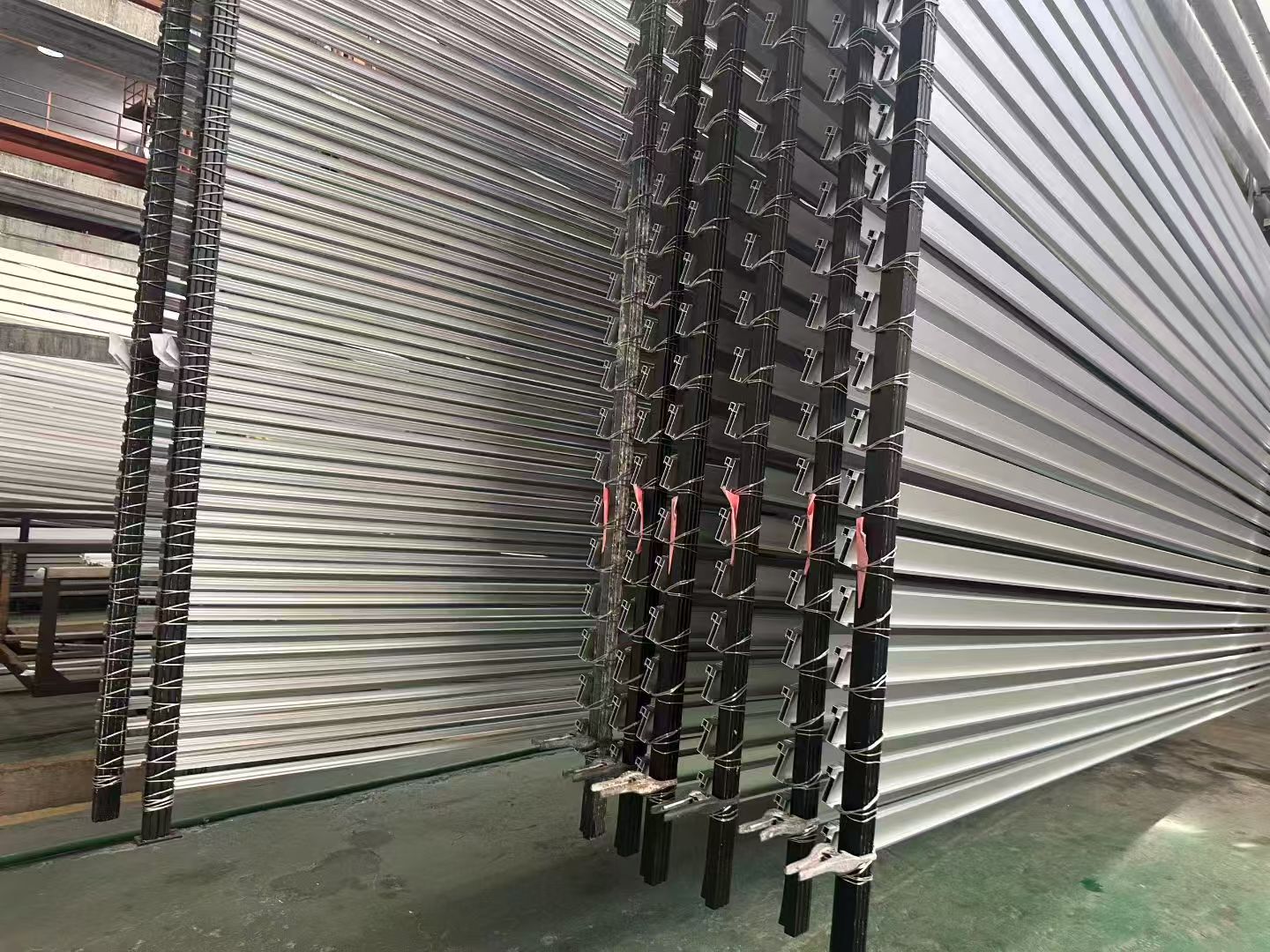
Where a transaction occurs along the supply chain determines how aluminum profiles are priced. At the primary extrusion phase, manufacturers such as Mebel-Alu Furniture Profile (Hong Kong) Co., Ltd utilize weight-based pricing models. High-grade 6063 T5 alloy billets are pressed into profiles, making raw metal weight the foundational cost component. International B2B contracts under FOB shipping terms routinely use price per kilogram or metric ton to reflect current metal market valuations.
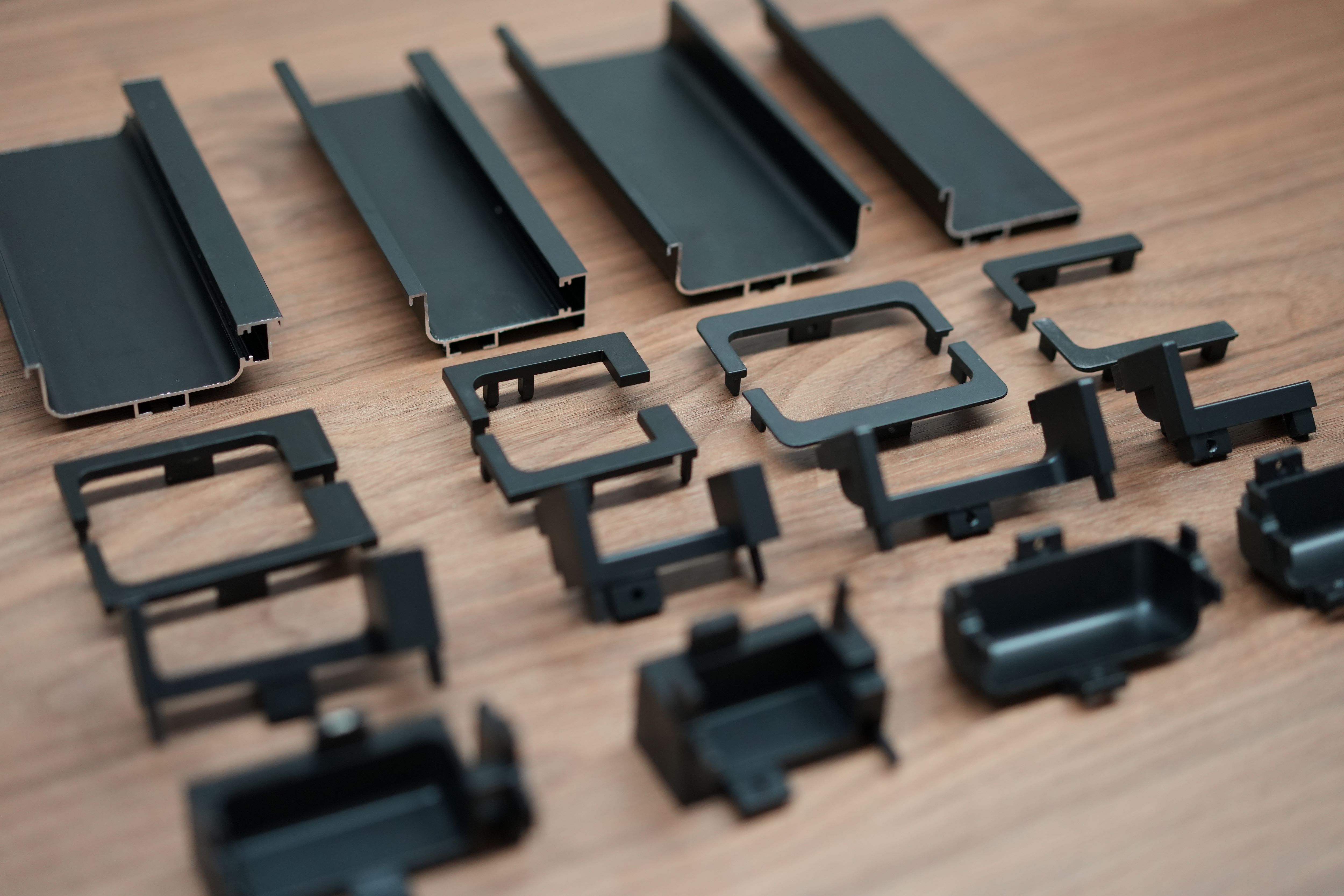
As profiles move downstream to wholesalers, pricing shifts to linear measure. Architectural channels, wardrobe tracks, aluminum glass door frames, and kitchen trim are packaged into standard lengths for simple stock keeping. Conversely, when projects require custom work—such as CNC drilling, precise length cuts, or dedicated component assembly—suppliers adopt per-piece pricing. Stringent quality frameworks, including certified Quality Management Systems (Certificate 00224Q22942R5M) and Occupational Health and Safety Management Systems (Certificate 00225S21748R1M), maintain strict dimensional tolerances across all pricing methodologies.

Comparative Overview of Pricing Structures
| Pricing Method | Primary Target Client | Standard Measurement | Main Cost Factors | Minimum Order Quantity (MOQ) |
|---|---|---|---|---|
| By Weight | Extrusion Importers, High-Volume Wholesalers | KG / Metric Ton | Raw ingot rates, alloy specification (6063 T5), geometry complexity | High (e.g., ~12,000 KG minimum batch) |
| By Length | Hardware Distributors, Furniture Factories | Standard Length (Meter / Foot) | Surface finishes (anodized, brushed, polished), wall thickness | Medium (Standard bundle quantities) |
| By Piece | Project Developers, Modular Furniture Makers | Per Unit / Component | Secondary CNC fabrication, custom punching, specialized packaging | Low to Medium (Project-specific) |
Frequently Asked Questions
Why is weight-based pricing preferred for bulk B2B profile orders?
Pricing by weight directly mirrors raw material consumption and press production capacity. It eliminates cutting variances and provides clear transparency based on 6063 T5 alloy volume.
How do surface finishes affect linear and unit pricing?
Finishing treatments—such as anodizing, brushing, mechanical polishing, and powder coating—introduce extra processing steps measured per meter or unit area. These costs add to the base aluminum rate, raising the final per-meter or per-piece price.
What logistics and payment terms support global shipments?
Bulk exports operate primarily under FOB terms using ocean freight, rail freight, and full container transport. International financial settlements are standardly processed through SWIFT bank transfers.
Strategic Purchasing Recommendations & Summary
Selecting the ideal purchasing strategy depends on your project scale and technical needs. For large-scale procurement directly from extrusion factories, weight-based FOB pricing provides maximum cost efficiency (typically requiring minimum orders around 12,000 KG). For modular assembly or turnkey installations, buying standardized linear bars or pre-cut pieces minimizes jobsite labor and streamlines transport. Transactions are secured via SWIFT to support rail and containerized sea shipping. For specialized technical guidance or inquiries, reach out to mebel@mebel-alu.com.
About Our Company
Mebel-Alu Furniture Profile (Hong Kong) Co., Ltd is a premier manufacturer of precision architectural aluminum profile systems. Founded in 2008, the company operates a 300,000 m² facility with 300 employees, producing 5,000 tons of extrusions and 60,000 precision handle units monthly. Holding Quality Management System Certificate (00224Q22942R5M) and Occupational Health and Safety Management System Certificate (00225S21748R1M), 100% of products are exported globally across Europe, South America, Southeast Asia, and the Middle East.

REPORT