







-
 Agriculture
-
 Health-Care
-
 Environment
-
 Construction-Real-Estate
-
 Tools-Hardware
-
 Home-Garden
-
 Furniture
-
 Luggage-Bags-Cases
-
 Medical-devices-Supplies
-
 Gifts-Crafts
-
 Sports-Entertainment
-
 Food-Beverage
-
 Vehicles-Transportation
-
 Power-Transmission
-
 Material-Handling
-
 Renewable-Energy
-
 Safety
-
 Testing-Instrument-Equipment
-
 Construction-Building-Machinery
-
 Pet-Supplies
-
 Personal-Care-Household-Cleaning
-
 Vehicle-Accessories-Electronics-Tools
-
 School-Office-Supplies
-
 Packaging-Printing
-
 Mother-Kids-Toys
-
 Business-Services
-
 Commercial-Equipment-Machinery
-
 Apparel-Accessories
-
 Security
-
 Shoes-Accessories
-
 Vehicle-Parts-Accessories
-
 Jewelry-Eyewear-Watches-Accessories
-
 Lights-Lighting
-
 Fabric-Textile-Raw-Material
-
 Fabrication-Services
-
 Industrial-Machinery
-
 Consumer-Electronics
-
 Electrical-Equipment-Supplies
-
 Electronic-Components-Accessories-Telecommunications
-
 Home-Appliances
-
 Beauty
-
 Chemicals
-
 Rubber-Plastics
-
 Metals-Alloys


























































































































































































































































































































































































































































































































































































- Masonry Materials
- Curtain Walls & Accessories
- Earthwork Products
- Fireproofing Materials
- Heat Insulation Materials
- Plastic Building Materials
- Building Boards
- Soundproofing Materials
- Timber
- Waterproofing Materials
- Balustrades & Handrails
- Bathroom & Kitchen
- Flooring & Accessories
- Tiles & Accessories
- Door, Window & Accessories
- Fireplaces & Stoves
- Floor Heating Systems & Parts
- Stairs & Stair Parts
- Ceilings
- Elevators & Escalators
- Stone
- Countertops, Vanity Tops & Table Tops
- Mosaics
- Metal Building Materials
- Multifunctional Materials
- Ladders & Scaffoldings
- Mouldings
- Corner Guards
- Decorative Films
- Formwork
- Building & Industrial Glass
- Other Construction & Real Estate
- Wallpapers/Wall panels
- HVAC System & Parts
- Outdoor Facilities
- Prefabricated Buildings
- Festive & Party Supplies
- Bathroom Products
- Household Sundries
- Rain Gear
- Garden Supplies
- Household Cleaning Tools & Accessories
- Lighters & Smoking Accessories
- Home Storage & Organization
- Household Scales
- Smart Home Improvement
- Home Textiles
- Kitchenware
- Drinkware & Accessories
- Dinnerware, Coffee & Wine
- Home Decor
- Golf
- Fitness & Body Building
- Amusement Park Facilities
- Billiards, Board Game,Coin Operated Games
- Musical Instruments
- Outdoor Affordable Luxury Sports
- Camping & Hiking
- Fishing
- Sports Safety&Rehabilitation
- Ball Sports Equipments
- Water Sports
- Winter Sports
- Luxury Travel Equipments
- Sports Shoes, Bags & Accessories
- Cycling
- Other Sports & Entertainment Products
- Artificial Grass&Sports Flooring&Sports Court Equipment
- Scooters
- Food Ingredients
- Honey & Honey Products
- Snacks
- Nuts & Kernels
- Seafood
- Plant & Animal Oil
- Beverages
- Fruit & Vegetable Products
- Frog & Escargot
- Bean Products
- Egg Products
- Dairy Products
- Seasonings & Condiments
- Canned Food
- Instant Food
- Baked Goods
- Other Food & Beverage
- Meat & Poultry
- Confectionery
- Grain Products
- Feminie Care
- Hair Care & Styling
- Body Care
- Hands & Feet Care
- Hygiene Products
- Men's Grooming
- Laundry Cleaning Supplies
- Travel Size & Gift Sets
- Room Deodorizers
- Other Personal Care Products
- Pest Control Products
- Special Household Cleaning
- Floor Cleaning
- Kitchen & Bathroom Cleaning
- Oral Care
- Bath Supplies
- Yellow Pages
- Correction Supplies
- Office Binding Supplies
- Office Cutting Supplies
- Board Erasers
- Office Adhesives & Tapes
- Education Supplies
- Pencil Cases & Bags
- Notebooks & Writing Pads
- File Folder Accessories
- Calendars
- Writing Accessories
- Commercial Office Supplies
- Pencil Sharpeners
- Pens
- Letter Pad/Paper
- Paper Envelopes
- Desk Organizers
- Pencils
- Markers & Highlighters
- Filing Products
- Art Supplies
- Easels
- Badge Holder & Accessories
- Office Paper
- Printer Supplies
- Book Covers
- Other Office & School Supplies
- Stationery Set
- Boards
- Clipboards
- Stamps
- Drafting Supplies
- Stencils
- Electronic Dictionary
- Books
- Map
- Magazines
- Calculators
- Baby & Toddler Toys
- Educational Toys
- Classic Toys
- Dress Up & Pretend Play
- Toy Vehicle
- Stuffed Animals & Plush Toys
- Outdoor Toys & Structures
- Balloons & Accessories
- Baby Food
- Children's Clothing
- Baby Supplies & Products
- Maternity Clothes
- Kids Shoes
- Baby Care
- Novelty & Gag Toys
- Dolls & Accessories
- Puzzle & Games
- Blocks & Model Building Toys
- Toddler Clothing
- Baby Clothing
- Kids' Luggage & Bags
- Arts, Crafts & DIY Toys
- Action & Toy Figures
- Baby Appliances
- Hobbies & Models
- Remote Control Toys
- Promotional Toys
- Pregnancy & Maternity
- Hygiene Products
- Kid's Textile&Bedding
- Novelty & Special Use
- Toy Weapons
- Baby Gifts
- Baby Storage & Organization
- Auto Drive Systems
- ATV/UTV Parts & Accessories
- Marine Parts & Accessories
- Other Auto Parts
- Trailer Parts & Accessories
- Auto Transmission Systems
- Train Parts & Accessories
- Universal Parts
- Railway Parts & Accessories
- Auto Brake Systems
- Aviation Parts & Accessories
- Truck Parts & Accessories
- Auto Suspension Systems
- Auto Lighting Systems
- New Energy Vehicle Parts & Accessories
- Auto Steering Systems
- Wheels, Tires & Accessories
- Bus Parts & Accessories
- Auto Performance Parts
- Cooling System
- Go-Kart & Kart Racer Parts & Accessories
- Air Conditioning Systems
- Heavy Duty Vehicle Parts & Accessories
- Auto Electrical Systems
- Auto Body Systems
- Auto Engine Systems
- Container Parts & Accessories
- Motorcycle Parts & Accessories
- Refrigeration & Heat Exchange Equipment
- Machine Tool Equipment
- Food & Beverage Machinery
- Agricultural Machinery & Equipment
- Apparel & Textile Machinery
- Chemical Machinery
- Packaging Machines
- Paper Production Machinery
- Plastic & Rubber Processing Machinery
- Industrial Robots
- Electronic Products Machinery
- Metal & Metallurgy Machinery
- Woodworking Machinery
- Home Product Manufacturing Machinery
- Machinery Accessories
- Environmental Machinery
- Machinery Service
- Electrical Equipment Manufacturing Machinery
- Industrial Compressors & Parts
- Tobacco & Cigarette Machinery
- Production Line
- Used Industrial Machinery
- Electronics Production Machinery
- Other Machinery & Industrial Equipment
- Camera, Photo & Accessories
- Portable Audio, Video & Accessories
- Television, Home Audio, Video & Accessories
- Video Games & Accessories
- Mobile Phone & Accessories
- Electronic Publications
- Earphone & Headphone & Accessories
- Speakers & Accessories
- Smart Electronics
- TV Receivers & Accessories
- Mobile Phone & Computer Repair Parts
- Chargers, Batteries & Power Supplies
- Used Electronics
- VR, AR, MR Hardware & Software
- Projectors & Presentation Equipments
- Other Consumer Electronics
- Cables & Commonly Used Accessories
- Computer Hardware & Software
- Displays, Signage and Optoelectronics
- Discrete Semiconductors
- Wireless & IoT Module and Products
- Telecommunications
- Connectors, Terminals & Accessories
- Development Boards, Electronic Modules and Kits
- Circuit Protection
- Sensors
- Isolators
- Audio Components and Products
- Integrated Circuits
- Power Supplies
- Relays
- RF, Microwave and RFID
- Electronic Accessories & Supplies
- Passive Components
- PCB & PCBA
- Air Quality Appliances
- Home Appliance Parts
- Heating & Cooling Appliances
- Small Kitchen Appliances
- Laundry Appliances
- Water Heaters
- Water Treatment Appliances
- Refrigerators & Freezers
- Personal Care & Beauty Appliances
- Major Kitchen Appliances
- Cleaning Appliances
- Second-hand Appliances
- Smart Home Appliances
- Other Home Appliances
- Energy Chemicals
- Inorganic Chemicals
- Basic Organic Chemicals
- Agrochemicals
- Admixture & Additives
- Catalysts & Chemical Auxiliary Agents
- Pigments & Dyestuff
- Coating & Paint
- Daily Chemicals
- Polymer
- Organic Intermediate
- Adhesives & Sealants
- Chemical Waste
- Biological Chemical Products
- Surface Treatment Chemicals
- Painting & Coating
- Chemical Reagents
- Flavor & Fragrance
- Non-Explosive Demolition Agents
- Other Chemicals
- Custom Chemical Services

Understanding Hidden Logistics Expenses in Containerized Microfiber Car Leather Shipping
When importing microfiber leather for automotive upholstery via ocean containers, buyers and suppliers often encounter unexpected freight surcharges beyond basic ocean freight rates. Understanding these hidden logistics expenses—and how trade terms dictate who pays them—is essential for budget accuracy and smooth customs release.
Key Takeaways & Cost Drivers
- Incoterms Responsibilities: Terms like FOB, CIF, EXW, and DDP explicitly assign obligations for terminal charges, ocean freight, customs tariffs, and delivery fees.
- Port & Terminal Handling: Full Container Load (FCL) and Less-than-Container Load (LCL) shipments incur Terminal Handling Charges (THC) at both export and import ports.
- Demurrage and Storage Penalties: Exceeding free-time allowances at port terminals leads to daily detention and storage fines.
- Packaging & Cargo Density: Automotive leather rolls (0.8–1.4 mm thickness, 54/55 inch width) feature high volumetric density that optimizes container volume but requires careful handling to prevent creasing.
Analyzing Container Shipping Fees for Automotive Leather
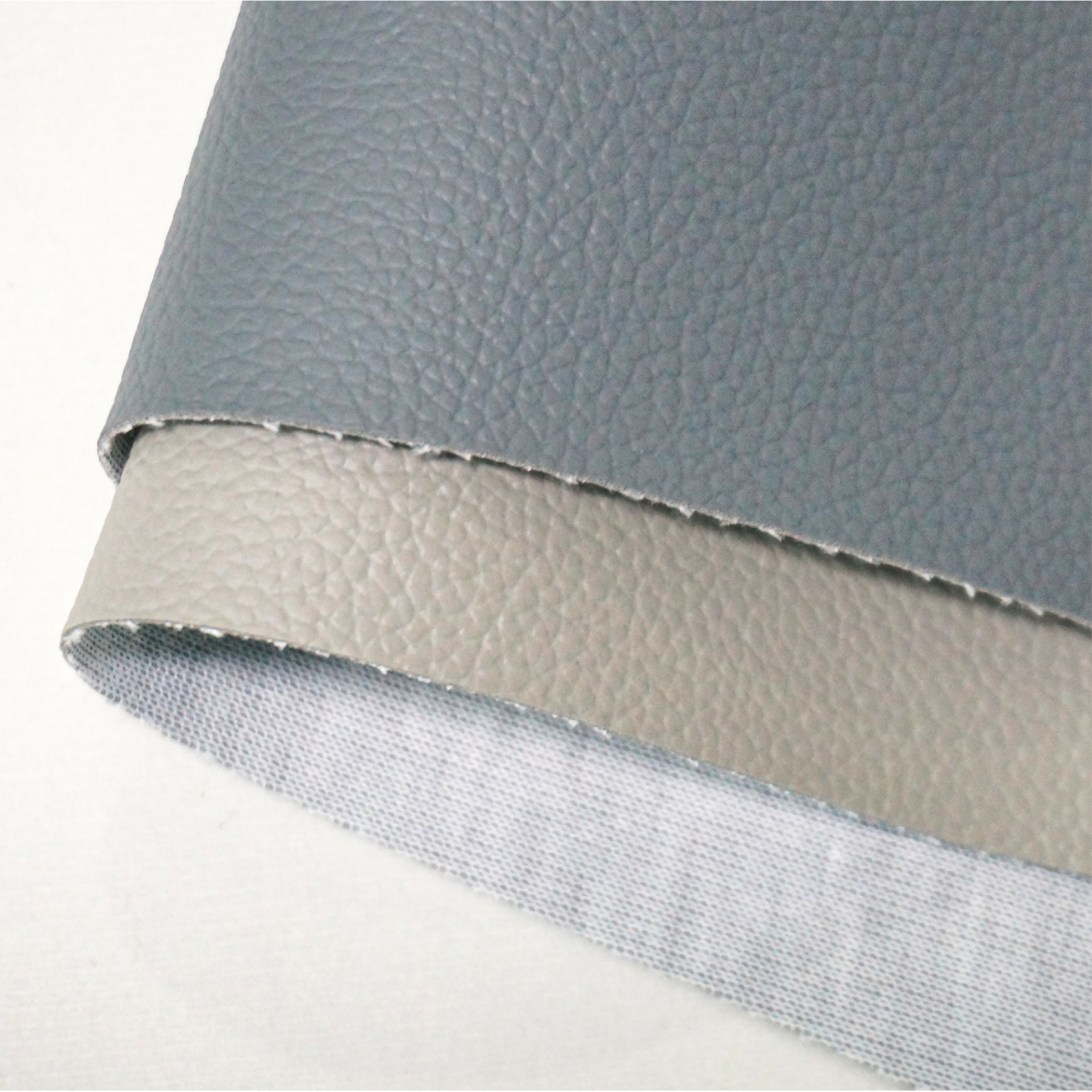
Microfiber synthetic leather intended for car seats is supplied in dense rolls standardizing at 54/55 inches wide with thicknesses from 0.8 mm up to 1.4 mm. While this compact format maximizes container loading capacity, overall freight costs are frequently elevated by variable surcharges, such as Bunker Adjustment Factors (BAF), Peak Season Surcharges (PSS), and Currency Adjustment Factors (CAF).
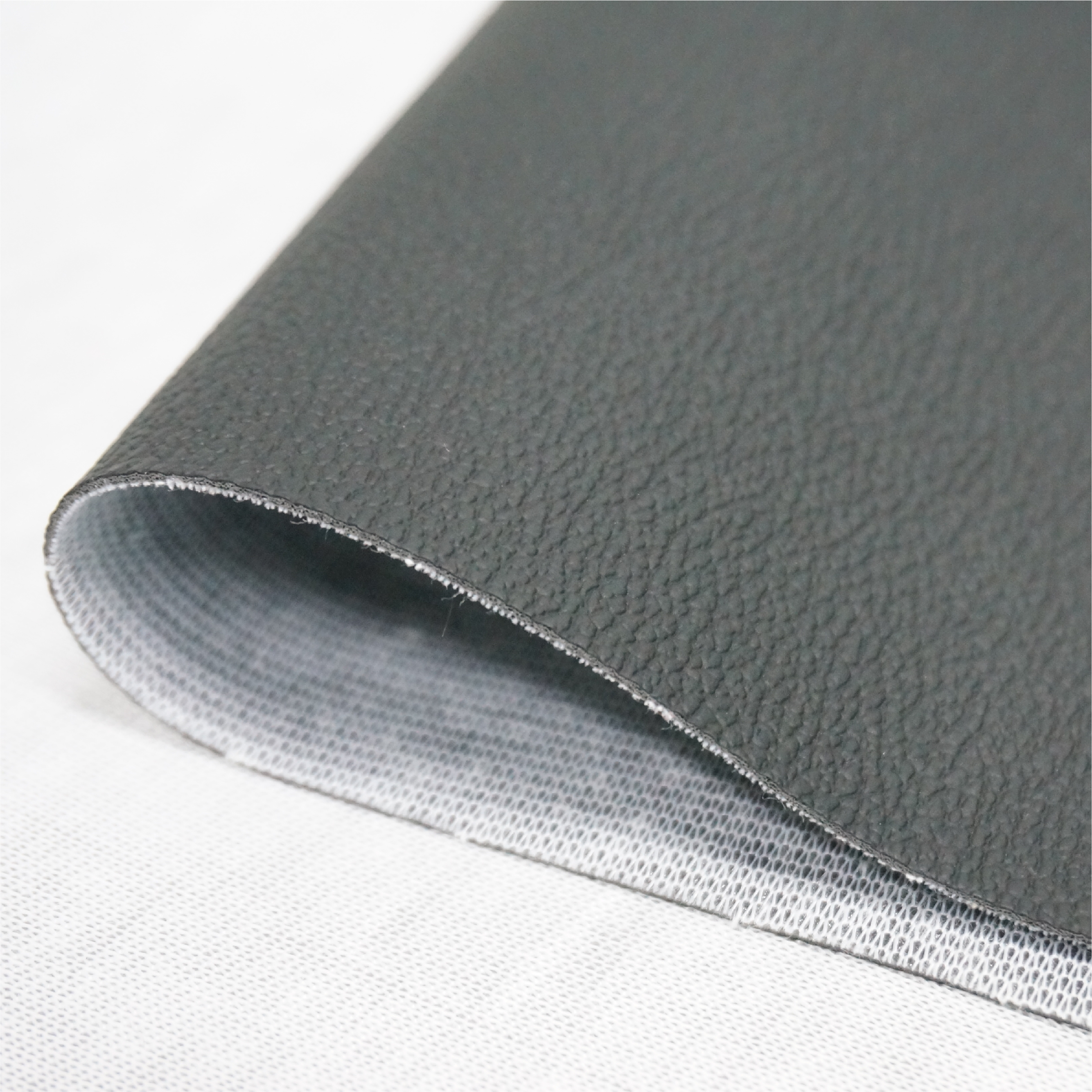
Customs compliance forms another major variable. International shipments destined for regions like North America, Europe, Latin America, or Southeast Asia may undergo random or mandatory physical inspections. For instance, a bulk delivery of 50,000 meters of customized automotive synthetic leather to Mexico required rigorous compliance verification for flame retardancy, UV resistance, low odor, cleanability, and abrasion resistance. Failure to pass inspection quickly leads to extended port holding times and escalating storage penalties.
Quality Certifications & Customs Clearance
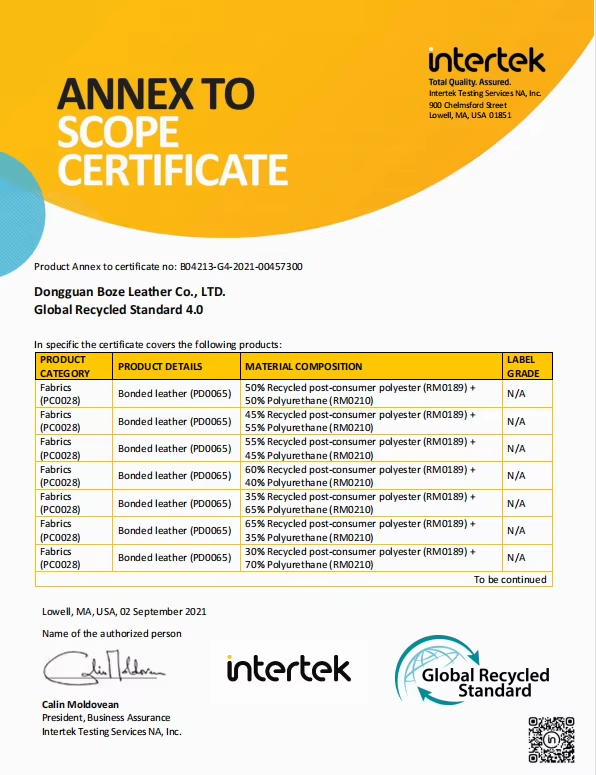
To avoid customs rejections and costly re-inspection fees, exporters must provide clear documentation matching international standards. Compliance credentials like GRS, USDA, and Oeko-Tex 100 should accompany the cargo manifest. Adhering to strict ISO 9001 quality management procedures—including raw material audits, peeling strength testing, tensile strength checks, and pre-shipment inspections—ensures seamless border crossing.
Freight Method Cost Comparison
| Expense Category | Ocean Freight (FCL/LCL) | Air Freight | Express Courier |
|---|---|---|---|
| Best Suited For | Large volume production (>1,000 meters) | High-priority bulk & mid-size orders | Product samples & critical fast-tracks |
| Average Transit Time | 15–30 days | 5–10 days | 3–7 days |
| Risk of Storage Fines | High (Detention fees after free period) | Low (Brief terminal storage window) | Minimal (Handled directly by door-to-door carrier) |
| Port & Clearance Fees | THC, Documentation, Import Clearance | Air Waybill, Airport Handling | Included in base shipping rate |
| Cost Efficiency for Heavy Material | Most economical per meter | Higher cost per kg/meter | Highest cost per meter |
Frequently Asked Questions
What triggers container demurrage charges when importing car microfiber leather?
Demurrage fees occur when an ocean container remains inside the port terminal beyond the free time provided by the shipping line. Common causes include delayed paperwork, customs entry mistakes, late duty payments, or physical customs holds.
How do trade Incoterms define responsibility for extra destination charges?
Under FOB terms, the seller pays origin inland transport and export clearance, while the buyer covers ocean freight, destination THC, import tariffs, and final delivery. Under CIF, ocean freight and insurance are paid by the seller, but destination port charges and import duties belong to the buyer. Under DDP terms, the seller assumes all costs through delivery to the buyer's destination.
What are the lead times and order minimums for automotive seat leather?
Standard manufacturing requires 15 to 30 days after order confirmation. Minimum order quantities (MOQ) are 1,000 meters per color for custom automotive specifications, whereas ready-to-ship standard lines require an MOQ of 100 meters per order.
Recommendations & Final Thoughts
To minimize unexpected logistics expenses when buying microfiber leather for car seats, importers should clearly define Incoterms in their contracts, utilize flexible payment arrangements (such as 30% initial deposit with 70% balance prior to dispatch via T/T, L/C, or Alibaba Trade Assurance), and prepare customs documentation in advance. Partnering with certified manufacturers guarantees adherence to ISO 9001 processes and accurate export documentation. For technical consultations or inquiries, contact us at vicky@bozeleather.com.
Company Overview
Dongguan Cigno Leather Co., Ltd. is a premier synthetic leather manufacturer established in 2007 in Dongguan, China. Operating across global markets—including North America, Europe, Southeast Asia, South America, and the Middle East—the company exports 60% of its total output. The product portfolio includes PVC, PU, water-based, solvent-free, and microfiber leathers designed for automotive interiors, furniture, shoes, and goods. Holding certifications such as GRS, USDA, and Oeko-Tex 100, the company delivers products thoroughly tested for UV resistance, flame retardancy, and wear resistance.

REPORT