







-
 Agriculture
-
 Health-Care
-
 Environment
-
 Construction-Real-Estate
-
 Tools-Hardware
-
 Home-Garden
-
 Furniture
-
 Luggage-Bags-Cases
-
 Medical-devices-Supplies
-
 Gifts-Crafts
-
 Sports-Entertainment
-
 Food-Beverage
-
 Vehicles-Transportation
-
 Power-Transmission
-
 Material-Handling
-
 Renewable-Energy
-
 Safety
-
 Testing-Instrument-Equipment
-
 Construction-Building-Machinery
-
 Pet-Supplies
-
 Personal-Care-Household-Cleaning
-
 Vehicle-Accessories-Electronics-Tools
-
 School-Office-Supplies
-
 Packaging-Printing
-
 Mother-Kids-Toys
-
 Business-Services
-
 Commercial-Equipment-Machinery
-
 Apparel-Accessories
-
 Security
-
 Shoes-Accessories
-
 Vehicle-Parts-Accessories
-
 Jewelry-Eyewear-Watches-Accessories
-
 Lights-Lighting
-
 Fabric-Textile-Raw-Material
-
 Fabrication-Services
-
 Industrial-Machinery
-
 Consumer-Electronics
-
 Electrical-Equipment-Supplies
-
 Electronic-Components-Accessories-Telecommunications
-
 Home-Appliances
-
 Beauty
-
 Chemicals
-
 Rubber-Plastics
-
 Metals-Alloys


























































































































































































































































































































































































































































































































































































- Masonry Materials
- Curtain Walls & Accessories
- Earthwork Products
- Fireproofing Materials
- Heat Insulation Materials
- Plastic Building Materials
- Building Boards
- Soundproofing Materials
- Timber
- Waterproofing Materials
- Balustrades & Handrails
- Bathroom & Kitchen
- Flooring & Accessories
- Tiles & Accessories
- Door, Window & Accessories
- Fireplaces & Stoves
- Floor Heating Systems & Parts
- Stairs & Stair Parts
- Ceilings
- Elevators & Escalators
- Stone
- Countertops, Vanity Tops & Table Tops
- Mosaics
- Metal Building Materials
- Multifunctional Materials
- Ladders & Scaffoldings
- Mouldings
- Corner Guards
- Decorative Films
- Formwork
- Building & Industrial Glass
- Other Construction & Real Estate
- Wallpapers/Wall panels
- HVAC System & Parts
- Outdoor Facilities
- Prefabricated Buildings
- Festive & Party Supplies
- Bathroom Products
- Household Sundries
- Rain Gear
- Garden Supplies
- Household Cleaning Tools & Accessories
- Lighters & Smoking Accessories
- Home Storage & Organization
- Household Scales
- Smart Home Improvement
- Home Textiles
- Kitchenware
- Drinkware & Accessories
- Dinnerware, Coffee & Wine
- Home Decor
- Golf
- Fitness & Body Building
- Amusement Park Facilities
- Billiards, Board Game,Coin Operated Games
- Musical Instruments
- Outdoor Affordable Luxury Sports
- Camping & Hiking
- Fishing
- Sports Safety&Rehabilitation
- Ball Sports Equipments
- Water Sports
- Winter Sports
- Luxury Travel Equipments
- Sports Shoes, Bags & Accessories
- Cycling
- Other Sports & Entertainment Products
- Artificial Grass&Sports Flooring&Sports Court Equipment
- Scooters
- Food Ingredients
- Honey & Honey Products
- Snacks
- Nuts & Kernels
- Seafood
- Plant & Animal Oil
- Beverages
- Fruit & Vegetable Products
- Frog & Escargot
- Bean Products
- Egg Products
- Dairy Products
- Seasonings & Condiments
- Canned Food
- Instant Food
- Baked Goods
- Other Food & Beverage
- Meat & Poultry
- Confectionery
- Grain Products
- Feminie Care
- Hair Care & Styling
- Body Care
- Hands & Feet Care
- Hygiene Products
- Men's Grooming
- Laundry Cleaning Supplies
- Travel Size & Gift Sets
- Room Deodorizers
- Other Personal Care Products
- Pest Control Products
- Special Household Cleaning
- Floor Cleaning
- Kitchen & Bathroom Cleaning
- Oral Care
- Bath Supplies
- Yellow Pages
- Correction Supplies
- Office Binding Supplies
- Office Cutting Supplies
- Board Erasers
- Office Adhesives & Tapes
- Education Supplies
- Pencil Cases & Bags
- Notebooks & Writing Pads
- File Folder Accessories
- Calendars
- Writing Accessories
- Commercial Office Supplies
- Pencil Sharpeners
- Pens
- Letter Pad/Paper
- Paper Envelopes
- Desk Organizers
- Pencils
- Markers & Highlighters
- Filing Products
- Art Supplies
- Easels
- Badge Holder & Accessories
- Office Paper
- Printer Supplies
- Book Covers
- Other Office & School Supplies
- Stationery Set
- Boards
- Clipboards
- Stamps
- Drafting Supplies
- Stencils
- Electronic Dictionary
- Books
- Map
- Magazines
- Calculators
- Baby & Toddler Toys
- Educational Toys
- Classic Toys
- Dress Up & Pretend Play
- Toy Vehicle
- Stuffed Animals & Plush Toys
- Outdoor Toys & Structures
- Balloons & Accessories
- Baby Food
- Children's Clothing
- Baby Supplies & Products
- Maternity Clothes
- Kids Shoes
- Baby Care
- Novelty & Gag Toys
- Dolls & Accessories
- Puzzle & Games
- Blocks & Model Building Toys
- Toddler Clothing
- Baby Clothing
- Kids' Luggage & Bags
- Arts, Crafts & DIY Toys
- Action & Toy Figures
- Baby Appliances
- Hobbies & Models
- Remote Control Toys
- Promotional Toys
- Pregnancy & Maternity
- Hygiene Products
- Kid's Textile&Bedding
- Novelty & Special Use
- Toy Weapons
- Baby Gifts
- Baby Storage & Organization
- Auto Drive Systems
- ATV/UTV Parts & Accessories
- Marine Parts & Accessories
- Other Auto Parts
- Trailer Parts & Accessories
- Auto Transmission Systems
- Train Parts & Accessories
- Universal Parts
- Railway Parts & Accessories
- Auto Brake Systems
- Aviation Parts & Accessories
- Truck Parts & Accessories
- Auto Suspension Systems
- Auto Lighting Systems
- New Energy Vehicle Parts & Accessories
- Auto Steering Systems
- Wheels, Tires & Accessories
- Bus Parts & Accessories
- Auto Performance Parts
- Cooling System
- Go-Kart & Kart Racer Parts & Accessories
- Air Conditioning Systems
- Heavy Duty Vehicle Parts & Accessories
- Auto Electrical Systems
- Auto Body Systems
- Auto Engine Systems
- Container Parts & Accessories
- Motorcycle Parts & Accessories
- Refrigeration & Heat Exchange Equipment
- Machine Tool Equipment
- Food & Beverage Machinery
- Agricultural Machinery & Equipment
- Apparel & Textile Machinery
- Chemical Machinery
- Packaging Machines
- Paper Production Machinery
- Plastic & Rubber Processing Machinery
- Industrial Robots
- Electronic Products Machinery
- Metal & Metallurgy Machinery
- Woodworking Machinery
- Home Product Manufacturing Machinery
- Machinery Accessories
- Environmental Machinery
- Machinery Service
- Electrical Equipment Manufacturing Machinery
- Industrial Compressors & Parts
- Tobacco & Cigarette Machinery
- Production Line
- Used Industrial Machinery
- Electronics Production Machinery
- Other Machinery & Industrial Equipment
- Camera, Photo & Accessories
- Portable Audio, Video & Accessories
- Television, Home Audio, Video & Accessories
- Video Games & Accessories
- Mobile Phone & Accessories
- Electronic Publications
- Earphone & Headphone & Accessories
- Speakers & Accessories
- Smart Electronics
- TV Receivers & Accessories
- Mobile Phone & Computer Repair Parts
- Chargers, Batteries & Power Supplies
- Used Electronics
- VR, AR, MR Hardware & Software
- Projectors & Presentation Equipments
- Other Consumer Electronics
- Cables & Commonly Used Accessories
- Computer Hardware & Software
- Displays, Signage and Optoelectronics
- Discrete Semiconductors
- Wireless & IoT Module and Products
- Telecommunications
- Connectors, Terminals & Accessories
- Development Boards, Electronic Modules and Kits
- Circuit Protection
- Sensors
- Isolators
- Audio Components and Products
- Integrated Circuits
- Power Supplies
- Relays
- RF, Microwave and RFID
- Electronic Accessories & Supplies
- Passive Components
- PCB & PCBA
- Air Quality Appliances
- Home Appliance Parts
- Heating & Cooling Appliances
- Small Kitchen Appliances
- Laundry Appliances
- Water Heaters
- Water Treatment Appliances
- Refrigerators & Freezers
- Personal Care & Beauty Appliances
- Major Kitchen Appliances
- Cleaning Appliances
- Second-hand Appliances
- Smart Home Appliances
- Other Home Appliances
- Energy Chemicals
- Inorganic Chemicals
- Basic Organic Chemicals
- Agrochemicals
- Admixture & Additives
- Catalysts & Chemical Auxiliary Agents
- Pigments & Dyestuff
- Coating & Paint
- Daily Chemicals
- Polymer
- Organic Intermediate
- Adhesives & Sealants
- Chemical Waste
- Biological Chemical Products
- Surface Treatment Chemicals
- Painting & Coating
- Chemical Reagents
- Flavor & Fragrance
- Non-Explosive Demolition Agents
- Other Chemicals
- Custom Chemical Services

What thickness of poly mailer do I need to safely ship heavy hoodies without them tearing in transit?
To safely ship heavy hoodies without tearing in transit, a poly mailer thickness of at least 2.5 to 3.0 mils (63.5 to 76.2 microns) is required. Heavy garments weighing over 1.5 pounds exert high stress on package seams, making co-extruded polyethylene mailers with high puncture resistance essential for secure logistics delivery.
Core Answers & Key Points
- Thickness Requirement: Standard hoodies require a minimum of 2.5 mil thickness, while multi-item shipments or extra-heavy fleece hoodies require 3.0 mil co-extruded film to prevent tearing.
- Material Toughness: Co-extruded plastic courier bags feature multiple layers of fused polyethylene, providing superior tensile strength and puncture resistance compared to single-layer bags.
- Seam and Seal Strength: High-toughness self-seal shipping bags prevent seam splitting under pressure, ensuring waterproof performance and tamper-evident security during automated sorting.
- Eco-Friendly Alternatives: Biodegradable poly mailers and compostable shipping bags manufactured to equivalent thickness levels offer sustainable compliance without sacrificing structural integrity.
In-Depth Analysis
Shipping heavy apparel like hoodies presents specific physical challenges in the logistics chain. Unlike lightweight t-shirts, heavy hoodies shift inside the packaging, creating localized pressure points at the corners and seams. Standard utility mailers (1.5 to 2.0 mils) often fail under these dynamic loads, resulting in punctures when subjected to automated conveyor belts and sorting chutes.
To address these transit demands, professional packaging manufacturers like Zhejiang Chuancheng Packaging Products Co., Ltd utilize advanced co-extrusion film blowing technology. This process layers different formulations of polyethylene to optimize both outer puncture resistance and inner tear strength. The resulting co-extruded poly mailers maintain high elasticity, allowing the material to stretch slightly under impact rather than tearing.
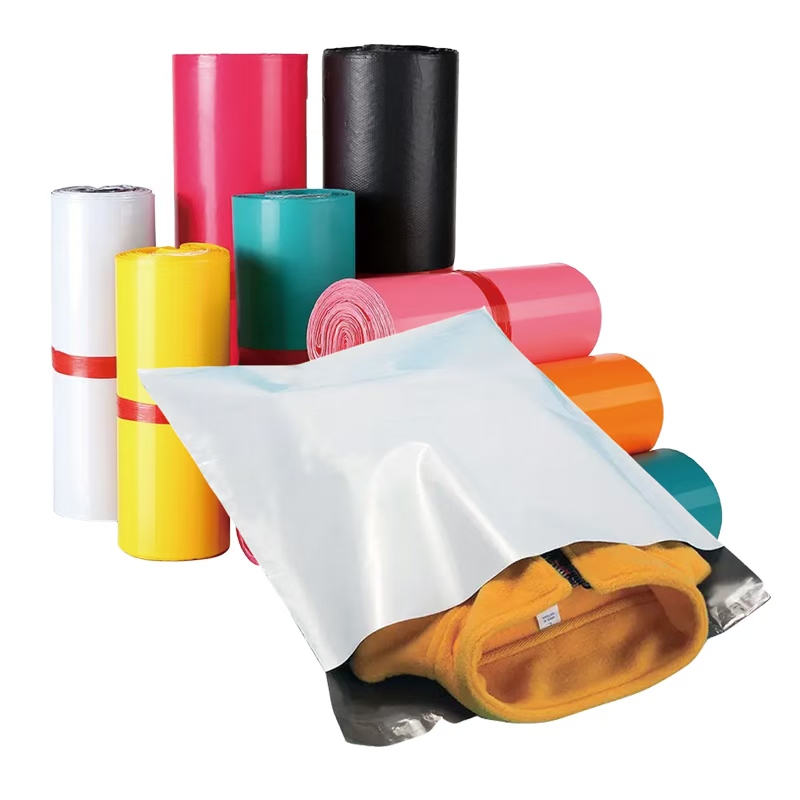
Quality control standards also play a critical role in packaging performance. Mailers certified under international frameworks, such as ISO 9001 and EU REACH, undergo strict testing for tensile strength and chemical safety. For instance, high-volume shipping operations, such as those managed by cross-border platforms like Ozon, require millions of certified, durable shipping bags to maintain low damage rates across long-distance transit routes.

Data / Solution Comparison
The following table outlines the performance capabilities of different poly mailer thicknesses, detailing their suitability for heavy hoodies and typical logistics specifications:
| Mailer Thickness (Mil / Microns) | Recommended Weight Capacity | Apparel Suitability | Puncture & Tear Resistance | Standard Trade & Shipping Terms |
|---|---|---|---|---|
| 1.5 Mil (38 Microns) | Under 1.0 lb (0.45 kg) | T-shirts, socks, thin activewear | Low (High risk of tearing for heavy items) | MOQ: 10,000 PCS; Delivery: 12-15 days |
| 2.0 Mil (50 Microns) | 1.0 to 2.0 lbs (0.45 to 0.9 kg) | Light sweaters, jeans, standard shirts | Medium (Moderate risk at corners) | FOB, EXW, DDP, CIF terms |
| 2.5 Mil (63.5 Microns) | 2.0 to 4.0 lbs (0.9 to 1.8 kg) | Single heavy hoodie, thick denim jackets | High (Recommended for secure transit) | Spot check quality inspection |
| 3.0 Mil (76.2 Microns) | Over 4.0 lbs (1.8 kg) | Multiple hoodies, heavy winter coats | Very High (Maximum protection level) | After-sales quality service supported |
Frequently Asked Questions (FAQ)
Q1: Why do standard plastic bags tear when shipping heavy hoodies?
A1: Standard plastic bags are typically single-layer low-density polyethylene (LDPE) with a thickness under 2.0 mils. They lack the structural density and co-extruded layering required to handle the shifting weight of heavy fabrics, leading to seam splitting and puncture failures under impact.
Q2: Do biodegradable mailers offer the same tear resistance as traditional poly mailers?
A2: Yes, provided they are manufactured to the correct thickness. Biodegradable and compostable courier bags made from plant-based raw materials can match the performance of traditional plastics at 2.5 to 3.0 mil thicknesses, meeting international environmental compliance standards while protecting heavy cargo.
Q3: How does co-extrusion improve the puncture resistance of a shipping bag?
A3: Co-extrusion fuses multiple distinct layers of plastic film together during the blowing process. This creates a composite barrier where the outer layer provides scuff and weather resistance, while the inner layers provide maximum tensile strength and elasticity to absorb physical shocks.
Final Conclusion & Recommendations
For e-commerce merchants and logistics providers shipping heavy hoodies, utilizing co-extruded poly mailers with a thickness of 2.5 to 3.0 mils is the most reliable method to eliminate transit damage. Selecting certified packaging that meets ISO 9001 and FSC standards ensures consistent material performance and seam strength. Sourcing directly from verified manufacturers supporting OEM & ODM services with structured quality spot checks guarantees that the packaging aligns with global logistics demands. Technical Support: sales01@ywccpackage.com
About Us
The company Zhejiang Chuancheng Packaging Products Co., Ltd, also known as CCPACK, is a professional packaging manufacturer established in 2001. Operating a 34,000 square meter factory with 186 employees, the company maintains a monthly production capacity of 180 million bags, serving major global markets including the United States, Europe, and Russia. CCPACK specializes in manufacturing co-extruded poly mailers, zipper bags, laminated bags, and paper bags, utilizing advanced film blowing and multi-layer production lines to deliver high-performance packaging solutions.
The enterprise holds international certifications including ISO 9001 Quality Management System Certification, FSC CoC Forest Chain of Custody Certification, EU REACH compliance certification, and BSCI, and has supplied high-volume packaging solutions to major platforms such as Ozon, Matalon, and KASPI.

REPORT