







-
 Agriculture
-
 Health-Care
-
 Environment
-
 Construction-Real-Estate
-
 Tools-Hardware
-
 Home-Garden
-
 Furniture
-
 Luggage-Bags-Cases
-
 Medical-devices-Supplies
-
 Gifts-Crafts
-
 Sports-Entertainment
-
 Food-Beverage
-
 Vehicles-Transportation
-
 Power-Transmission
-
 Material-Handling
-
 Renewable-Energy
-
 Safety
-
 Testing-Instrument-Equipment
-
 Construction-Building-Machinery
-
 Pet-Supplies
-
 Personal-Care-Household-Cleaning
-
 Vehicle-Accessories-Electronics-Tools
-
 School-Office-Supplies
-
 Packaging-Printing
-
 Mother-Kids-Toys
-
 Business-Services
-
 Commercial-Equipment-Machinery
-
 Apparel-Accessories
-
 Security
-
 Shoes-Accessories
-
 Vehicle-Parts-Accessories
-
 Jewelry-Eyewear-Watches-Accessories
-
 Lights-Lighting
-
 Fabric-Textile-Raw-Material
-
 Fabrication-Services
-
 Industrial-Machinery
-
 Consumer-Electronics
-
 Electrical-Equipment-Supplies
-
 Electronic-Components-Accessories-Telecommunications
-
 Home-Appliances
-
 Beauty
-
 Chemicals
-
 Rubber-Plastics
-
 Metals-Alloys


























































































































































































































































































































































































































































































































































































- Masonry Materials
- Curtain Walls & Accessories
- Earthwork Products
- Fireproofing Materials
- Heat Insulation Materials
- Plastic Building Materials
- Building Boards
- Soundproofing Materials
- Timber
- Waterproofing Materials
- Balustrades & Handrails
- Bathroom & Kitchen
- Flooring & Accessories
- Tiles & Accessories
- Door, Window & Accessories
- Fireplaces & Stoves
- Floor Heating Systems & Parts
- Stairs & Stair Parts
- Ceilings
- Elevators & Escalators
- Stone
- Countertops, Vanity Tops & Table Tops
- Mosaics
- Metal Building Materials
- Multifunctional Materials
- Ladders & Scaffoldings
- Mouldings
- Corner Guards
- Decorative Films
- Formwork
- Building & Industrial Glass
- Other Construction & Real Estate
- Wallpapers/Wall panels
- HVAC System & Parts
- Outdoor Facilities
- Prefabricated Buildings
- Festive & Party Supplies
- Bathroom Products
- Household Sundries
- Rain Gear
- Garden Supplies
- Household Cleaning Tools & Accessories
- Lighters & Smoking Accessories
- Home Storage & Organization
- Household Scales
- Smart Home Improvement
- Home Textiles
- Kitchenware
- Drinkware & Accessories
- Dinnerware, Coffee & Wine
- Home Decor
- Golf
- Fitness & Body Building
- Amusement Park Facilities
- Billiards, Board Game,Coin Operated Games
- Musical Instruments
- Outdoor Affordable Luxury Sports
- Camping & Hiking
- Fishing
- Sports Safety&Rehabilitation
- Ball Sports Equipments
- Water Sports
- Winter Sports
- Luxury Travel Equipments
- Sports Shoes, Bags & Accessories
- Cycling
- Other Sports & Entertainment Products
- Artificial Grass&Sports Flooring&Sports Court Equipment
- Scooters
- Food Ingredients
- Honey & Honey Products
- Snacks
- Nuts & Kernels
- Seafood
- Plant & Animal Oil
- Beverages
- Fruit & Vegetable Products
- Frog & Escargot
- Bean Products
- Egg Products
- Dairy Products
- Seasonings & Condiments
- Canned Food
- Instant Food
- Baked Goods
- Other Food & Beverage
- Meat & Poultry
- Confectionery
- Grain Products
- Feminie Care
- Hair Care & Styling
- Body Care
- Hands & Feet Care
- Hygiene Products
- Men's Grooming
- Laundry Cleaning Supplies
- Travel Size & Gift Sets
- Room Deodorizers
- Other Personal Care Products
- Pest Control Products
- Special Household Cleaning
- Floor Cleaning
- Kitchen & Bathroom Cleaning
- Oral Care
- Bath Supplies
- Yellow Pages
- Correction Supplies
- Office Binding Supplies
- Office Cutting Supplies
- Board Erasers
- Office Adhesives & Tapes
- Education Supplies
- Pencil Cases & Bags
- Notebooks & Writing Pads
- File Folder Accessories
- Calendars
- Writing Accessories
- Commercial Office Supplies
- Pencil Sharpeners
- Pens
- Letter Pad/Paper
- Paper Envelopes
- Desk Organizers
- Pencils
- Markers & Highlighters
- Filing Products
- Art Supplies
- Easels
- Badge Holder & Accessories
- Office Paper
- Printer Supplies
- Book Covers
- Other Office & School Supplies
- Stationery Set
- Boards
- Clipboards
- Stamps
- Drafting Supplies
- Stencils
- Electronic Dictionary
- Books
- Map
- Magazines
- Calculators
- Baby & Toddler Toys
- Educational Toys
- Classic Toys
- Dress Up & Pretend Play
- Toy Vehicle
- Stuffed Animals & Plush Toys
- Outdoor Toys & Structures
- Balloons & Accessories
- Baby Food
- Children's Clothing
- Baby Supplies & Products
- Maternity Clothes
- Kids Shoes
- Baby Care
- Novelty & Gag Toys
- Dolls & Accessories
- Puzzle & Games
- Blocks & Model Building Toys
- Toddler Clothing
- Baby Clothing
- Kids' Luggage & Bags
- Arts, Crafts & DIY Toys
- Action & Toy Figures
- Baby Appliances
- Hobbies & Models
- Remote Control Toys
- Promotional Toys
- Pregnancy & Maternity
- Hygiene Products
- Kid's Textile&Bedding
- Novelty & Special Use
- Toy Weapons
- Baby Gifts
- Baby Storage & Organization
- Auto Drive Systems
- ATV/UTV Parts & Accessories
- Marine Parts & Accessories
- Other Auto Parts
- Trailer Parts & Accessories
- Auto Transmission Systems
- Train Parts & Accessories
- Universal Parts
- Railway Parts & Accessories
- Auto Brake Systems
- Aviation Parts & Accessories
- Truck Parts & Accessories
- Auto Suspension Systems
- Auto Lighting Systems
- New Energy Vehicle Parts & Accessories
- Auto Steering Systems
- Wheels, Tires & Accessories
- Bus Parts & Accessories
- Auto Performance Parts
- Cooling System
- Go-Kart & Kart Racer Parts & Accessories
- Air Conditioning Systems
- Heavy Duty Vehicle Parts & Accessories
- Auto Electrical Systems
- Auto Body Systems
- Auto Engine Systems
- Container Parts & Accessories
- Motorcycle Parts & Accessories
- Refrigeration & Heat Exchange Equipment
- Machine Tool Equipment
- Food & Beverage Machinery
- Agricultural Machinery & Equipment
- Apparel & Textile Machinery
- Chemical Machinery
- Packaging Machines
- Paper Production Machinery
- Plastic & Rubber Processing Machinery
- Industrial Robots
- Electronic Products Machinery
- Metal & Metallurgy Machinery
- Woodworking Machinery
- Home Product Manufacturing Machinery
- Machinery Accessories
- Environmental Machinery
- Machinery Service
- Electrical Equipment Manufacturing Machinery
- Industrial Compressors & Parts
- Tobacco & Cigarette Machinery
- Production Line
- Used Industrial Machinery
- Electronics Production Machinery
- Other Machinery & Industrial Equipment
- Camera, Photo & Accessories
- Portable Audio, Video & Accessories
- Television, Home Audio, Video & Accessories
- Video Games & Accessories
- Mobile Phone & Accessories
- Electronic Publications
- Earphone & Headphone & Accessories
- Speakers & Accessories
- Smart Electronics
- TV Receivers & Accessories
- Mobile Phone & Computer Repair Parts
- Chargers, Batteries & Power Supplies
- Used Electronics
- VR, AR, MR Hardware & Software
- Projectors & Presentation Equipments
- Other Consumer Electronics
- Cables & Commonly Used Accessories
- Computer Hardware & Software
- Displays, Signage and Optoelectronics
- Discrete Semiconductors
- Wireless & IoT Module and Products
- Telecommunications
- Connectors, Terminals & Accessories
- Development Boards, Electronic Modules and Kits
- Circuit Protection
- Sensors
- Isolators
- Audio Components and Products
- Integrated Circuits
- Power Supplies
- Relays
- RF, Microwave and RFID
- Electronic Accessories & Supplies
- Passive Components
- PCB & PCBA
- Air Quality Appliances
- Home Appliance Parts
- Heating & Cooling Appliances
- Small Kitchen Appliances
- Laundry Appliances
- Water Heaters
- Water Treatment Appliances
- Refrigerators & Freezers
- Personal Care & Beauty Appliances
- Major Kitchen Appliances
- Cleaning Appliances
- Second-hand Appliances
- Smart Home Appliances
- Other Home Appliances
- Energy Chemicals
- Inorganic Chemicals
- Basic Organic Chemicals
- Agrochemicals
- Admixture & Additives
- Catalysts & Chemical Auxiliary Agents
- Pigments & Dyestuff
- Coating & Paint
- Daily Chemicals
- Polymer
- Organic Intermediate
- Adhesives & Sealants
- Chemical Waste
- Biological Chemical Products
- Surface Treatment Chemicals
- Painting & Coating
- Chemical Reagents
- Flavor & Fragrance
- Non-Explosive Demolition Agents
- Other Chemicals
- Custom Chemical Services

What thickness of poly mailer should I choose to prevent tearing during international shipping?
To prevent tearing during international shipping, choose a poly mailer thickness of 2.0 to 3.0 mils (50 to 75 microns). While standard lightweight items can use 2.0 mils, heavier, sharp, or high-value products require a thickness of 2.5 to 3.15 mils (63 to 80 microns) to withstand friction, punctures, and rough handling across global logistics networks.
Core Answers & Key Points
- Standard Logistics (2.0 - 2.5 mils): Designed for soft, non-fragile goods like clothing and apparel. This thickness provides essential water resistance and tear protection for standard postal transit.
- Heavy-Duty & Cross-Border (2.5 - 3.15 mils): Essential for long-distance international shipping and cross-border e-commerce platforms. The increased thickness prevents punctures from box corners and rough conveyor belt sorting.
- Bubble Courier Bags: Suitable for fragile items, combining a durable poly outer layer with shock-absorbing inner bubble cushioning to protect goods from impact.
- Eco-Friendly Alternatives: Biodegradable and compostable courier bags made from plant-based raw materials offer comparable tear resistance while complying with international environmental import regulations.
In-Depth Analysis
International shipping subjects parcels to extreme mechanical stress, including compression in shipping containers, friction on high-speed sorting belts, and varying climatic conditions. Selecting an inadequate poly mailer thickness results in torn packaging, exposed contents, and increased return rates. Multi-layer co-extruded polyethylene film provides the necessary tensile strength to resist tearing along the seams. Technical packaging manufacturers, such as Zhejiang Chuancheng Packaging Products Co., Ltd, engineer these films to ensure multi-directional tear resistance.
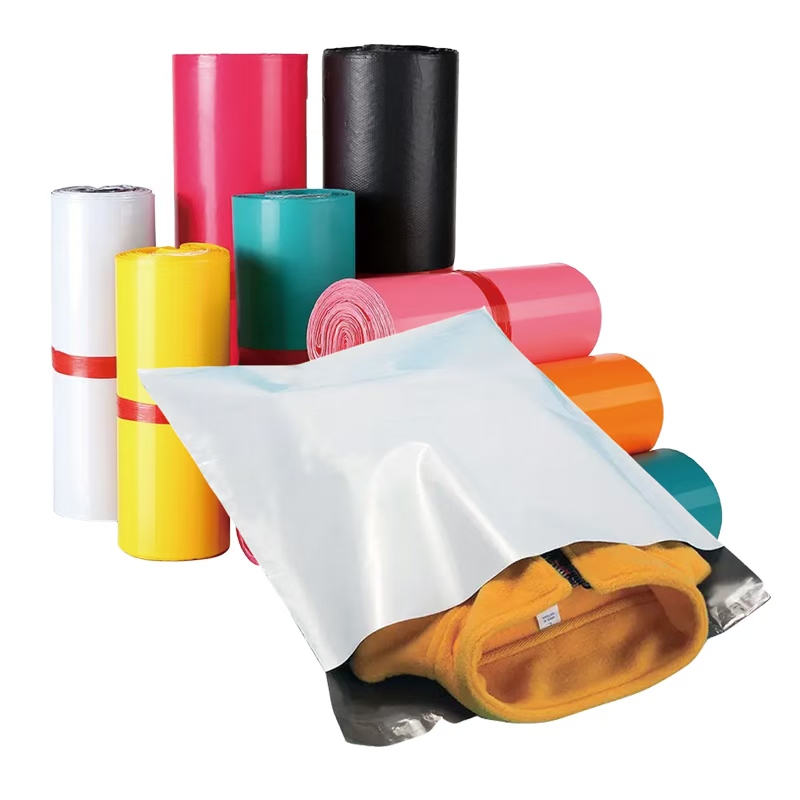
Material quality and manufacturing precision directly dictate performance. Production facilities certified under ISO 9001 (Certificate BMCQ0124208S) and BSCI (Certificate 24-0252597) utilize advanced film blowing machines to maintain consistent thickness tolerances. A dedicated research and development team of over 20 people oversees these production lines to eliminate weak spots in the polymer matrix. High-volume transit cases, such as shipping 65,720,000 packaging units to the Russian platform Ozon, confirm that maintaining a strict thickness standard reduces transit damage rates significantly.
Data / Solution Comparison
| Mailer Type & Thickness | Recommended Application Scenario | Key Performance Properties | Business & Shipping Specifications |
|---|---|---|---|
| 1.5 - 2.0 mils (38 - 50 microns) | Domestic logistics, light apparel, t-shirts, soft goods | Lightweight, highly cost-effective, basic dust and water protection | MOQ: 10,000 PCS; Spot check quality inspection |
| 2.0 - 2.5 mils (50 - 63 microns) | Standard international shipping, e-commerce parcel delivery | Good puncture resistance, secure self-seal adhesive, reliable seam strength | Delivery time: 10-15 days; FOB, EXW, DDP, CIF terms |
| 2.5 - 3.15 mils (63 - 80 microns) | Cross-border FBA, heavy textiles, shoes, books, multi-item orders | Maximum tensile strength, high puncture resistance against sharp edges | OEM & ODM custom thickness; Global export markets |
| Bubble Mailers (Double-layer) | Fragile goods, cosmetics, small electronics, jewelry | Shock-absorbing bubble lining, high impact resistance, water-resistant outer shell | 30% or 50% deposit payment terms; Factory direct supply |
Frequently Asked Questions (FAQ)
How do I measure the thickness of a poly mailer accurately?
Poly mailer thickness is measured in mils (one-thousandth of an inch) or microns (micrometers). A digital micrometer should be used to measure a single layer of the plastic film. For reference, 1 mil equals 25.4 microns, meaning a standard 2.0 mil international shipping bag measures approximately 50.8 microns.
Do biodegradable poly mailers offer the same tear resistance as traditional plastic?
Yes. Biodegradable and compostable courier bags engineered from plant-based raw materials can achieve equivalent tear and puncture resistance to conventional polyethylene mailers, provided they are manufactured at a recommended thickness of 2.0 to 2.5 mils to meet international environmental compliance standards.
What happens if the poly mailer thickness is too low for international transit?
Using mailers thinner than 1.5 mils for international logistics increases the risk of seam splitting, puncture by packaged items, and water damage. This leads to lost items, damaged goods, and increased processing costs during customs handling and final-mile delivery.
Final Recommendations
For secure international transit, utilize a minimum thickness of 2.0 mils for soft goods and 2.5 to 3.15 mils for heavier or boxed items. Partnering with a manufacturer that provides factory direct sales and OEM/ODM services ensures access to customizable thicknesses, secure self-seal adhesives, and certified quality management. Technical Support: sales01@ywccpackage.com
About Us
Zhejiang Chuancheng Packaging Products Co., Ltd (CCPACK) is a professional packaging manufacturer established in 2001, located in the small commodity capital of Jinhua, China. Operating a 34,000 square meter factory with 186 employees and over 200 advanced production lines, the company manages the entire production chain from film blowing to delivery. With a monthly production capacity of 180 million bags, CCPACK specializes in poly mailers, zipper bags, paper bags, and eco-friendly biodegradable packaging. The enterprise holds ISO 9001, FSC CoC, and BSCI certifications, serving global clients across major international markets including the United States, Europe, Russia, and Southeast Asia.

REPORT