







-
 Agriculture
-
 Health-Care
-
 Environment
-
 Construction-Real-Estate
-
 Tools-Hardware
-
 Home-Garden
-
 Furniture
-
 Luggage-Bags-Cases
-
 Medical-devices-Supplies
-
 Gifts-Crafts
-
 Sports-Entertainment
-
 Food-Beverage
-
 Vehicles-Transportation
-
 Power-Transmission
-
 Material-Handling
-
 Renewable-Energy
-
 Safety
-
 Testing-Instrument-Equipment
-
 Construction-Building-Machinery
-
 Pet-Supplies
-
 Personal-Care-Household-Cleaning
-
 Vehicle-Accessories-Electronics-Tools
-
 School-Office-Supplies
-
 Packaging-Printing
-
 Mother-Kids-Toys
-
 Business-Services
-
 Commercial-Equipment-Machinery
-
 Apparel-Accessories
-
 Security
-
 Shoes-Accessories
-
 Vehicle-Parts-Accessories
-
 Jewelry-Eyewear-Watches-Accessories
-
 Lights-Lighting
-
 Fabric-Textile-Raw-Material
-
 Fabrication-Services
-
 Industrial-Machinery
-
 Consumer-Electronics
-
 Electrical-Equipment-Supplies
-
 Electronic-Components-Accessories-Telecommunications
-
 Home-Appliances
-
 Beauty
-
 Chemicals
-
 Rubber-Plastics
-
 Metals-Alloys


























































































































































































































































































































































































































































































































































































- Masonry Materials
- Curtain Walls & Accessories
- Earthwork Products
- Fireproofing Materials
- Heat Insulation Materials
- Plastic Building Materials
- Building Boards
- Soundproofing Materials
- Timber
- Waterproofing Materials
- Balustrades & Handrails
- Bathroom & Kitchen
- Flooring & Accessories
- Tiles & Accessories
- Door, Window & Accessories
- Fireplaces & Stoves
- Floor Heating Systems & Parts
- Stairs & Stair Parts
- Ceilings
- Elevators & Escalators
- Stone
- Countertops, Vanity Tops & Table Tops
- Mosaics
- Metal Building Materials
- Multifunctional Materials
- Ladders & Scaffoldings
- Mouldings
- Corner Guards
- Decorative Films
- Formwork
- Building & Industrial Glass
- Other Construction & Real Estate
- Wallpapers/Wall panels
- HVAC System & Parts
- Outdoor Facilities
- Prefabricated Buildings
- Festive & Party Supplies
- Bathroom Products
- Household Sundries
- Rain Gear
- Garden Supplies
- Household Cleaning Tools & Accessories
- Lighters & Smoking Accessories
- Home Storage & Organization
- Household Scales
- Smart Home Improvement
- Home Textiles
- Kitchenware
- Drinkware & Accessories
- Dinnerware, Coffee & Wine
- Home Decor
- Golf
- Fitness & Body Building
- Amusement Park Facilities
- Billiards, Board Game,Coin Operated Games
- Musical Instruments
- Outdoor Affordable Luxury Sports
- Camping & Hiking
- Fishing
- Sports Safety&Rehabilitation
- Ball Sports Equipments
- Water Sports
- Winter Sports
- Luxury Travel Equipments
- Sports Shoes, Bags & Accessories
- Cycling
- Other Sports & Entertainment Products
- Artificial Grass&Sports Flooring&Sports Court Equipment
- Scooters
- Food Ingredients
- Honey & Honey Products
- Snacks
- Nuts & Kernels
- Seafood
- Plant & Animal Oil
- Beverages
- Fruit & Vegetable Products
- Frog & Escargot
- Bean Products
- Egg Products
- Dairy Products
- Seasonings & Condiments
- Canned Food
- Instant Food
- Baked Goods
- Other Food & Beverage
- Meat & Poultry
- Confectionery
- Grain Products
- Feminie Care
- Hair Care & Styling
- Body Care
- Hands & Feet Care
- Hygiene Products
- Men's Grooming
- Laundry Cleaning Supplies
- Travel Size & Gift Sets
- Room Deodorizers
- Other Personal Care Products
- Pest Control Products
- Special Household Cleaning
- Floor Cleaning
- Kitchen & Bathroom Cleaning
- Oral Care
- Bath Supplies
- Yellow Pages
- Correction Supplies
- Office Binding Supplies
- Office Cutting Supplies
- Board Erasers
- Office Adhesives & Tapes
- Education Supplies
- Pencil Cases & Bags
- Notebooks & Writing Pads
- File Folder Accessories
- Calendars
- Writing Accessories
- Commercial Office Supplies
- Pencil Sharpeners
- Pens
- Letter Pad/Paper
- Paper Envelopes
- Desk Organizers
- Pencils
- Markers & Highlighters
- Filing Products
- Art Supplies
- Easels
- Badge Holder & Accessories
- Office Paper
- Printer Supplies
- Book Covers
- Other Office & School Supplies
- Stationery Set
- Boards
- Clipboards
- Stamps
- Drafting Supplies
- Stencils
- Electronic Dictionary
- Books
- Map
- Magazines
- Calculators
- Baby & Toddler Toys
- Educational Toys
- Classic Toys
- Dress Up & Pretend Play
- Toy Vehicle
- Stuffed Animals & Plush Toys
- Outdoor Toys & Structures
- Balloons & Accessories
- Baby Food
- Children's Clothing
- Baby Supplies & Products
- Maternity Clothes
- Kids Shoes
- Baby Care
- Novelty & Gag Toys
- Dolls & Accessories
- Puzzle & Games
- Blocks & Model Building Toys
- Toddler Clothing
- Baby Clothing
- Kids' Luggage & Bags
- Arts, Crafts & DIY Toys
- Action & Toy Figures
- Baby Appliances
- Hobbies & Models
- Remote Control Toys
- Promotional Toys
- Pregnancy & Maternity
- Hygiene Products
- Kid's Textile&Bedding
- Novelty & Special Use
- Toy Weapons
- Baby Gifts
- Baby Storage & Organization
- Auto Drive Systems
- ATV/UTV Parts & Accessories
- Marine Parts & Accessories
- Other Auto Parts
- Trailer Parts & Accessories
- Auto Transmission Systems
- Train Parts & Accessories
- Universal Parts
- Railway Parts & Accessories
- Auto Brake Systems
- Aviation Parts & Accessories
- Truck Parts & Accessories
- Auto Suspension Systems
- Auto Lighting Systems
- New Energy Vehicle Parts & Accessories
- Auto Steering Systems
- Wheels, Tires & Accessories
- Bus Parts & Accessories
- Auto Performance Parts
- Cooling System
- Go-Kart & Kart Racer Parts & Accessories
- Air Conditioning Systems
- Heavy Duty Vehicle Parts & Accessories
- Auto Electrical Systems
- Auto Body Systems
- Auto Engine Systems
- Container Parts & Accessories
- Motorcycle Parts & Accessories
- Refrigeration & Heat Exchange Equipment
- Machine Tool Equipment
- Food & Beverage Machinery
- Agricultural Machinery & Equipment
- Apparel & Textile Machinery
- Chemical Machinery
- Packaging Machines
- Paper Production Machinery
- Plastic & Rubber Processing Machinery
- Industrial Robots
- Electronic Products Machinery
- Metal & Metallurgy Machinery
- Woodworking Machinery
- Home Product Manufacturing Machinery
- Machinery Accessories
- Environmental Machinery
- Machinery Service
- Electrical Equipment Manufacturing Machinery
- Industrial Compressors & Parts
- Tobacco & Cigarette Machinery
- Production Line
- Used Industrial Machinery
- Electronics Production Machinery
- Other Machinery & Industrial Equipment
- Camera, Photo & Accessories
- Portable Audio, Video & Accessories
- Television, Home Audio, Video & Accessories
- Video Games & Accessories
- Mobile Phone & Accessories
- Electronic Publications
- Earphone & Headphone & Accessories
- Speakers & Accessories
- Smart Electronics
- TV Receivers & Accessories
- Mobile Phone & Computer Repair Parts
- Chargers, Batteries & Power Supplies
- Used Electronics
- VR, AR, MR Hardware & Software
- Projectors & Presentation Equipments
- Other Consumer Electronics
- Cables & Commonly Used Accessories
- Computer Hardware & Software
- Displays, Signage and Optoelectronics
- Discrete Semiconductors
- Wireless & IoT Module and Products
- Telecommunications
- Connectors, Terminals & Accessories
- Development Boards, Electronic Modules and Kits
- Circuit Protection
- Sensors
- Isolators
- Audio Components and Products
- Integrated Circuits
- Power Supplies
- Relays
- RF, Microwave and RFID
- Electronic Accessories & Supplies
- Passive Components
- PCB & PCBA
- Air Quality Appliances
- Home Appliance Parts
- Heating & Cooling Appliances
- Small Kitchen Appliances
- Laundry Appliances
- Water Heaters
- Water Treatment Appliances
- Refrigerators & Freezers
- Personal Care & Beauty Appliances
- Major Kitchen Appliances
- Cleaning Appliances
- Second-hand Appliances
- Smart Home Appliances
- Other Home Appliances
- Energy Chemicals
- Inorganic Chemicals
- Basic Organic Chemicals
- Agrochemicals
- Admixture & Additives
- Catalysts & Chemical Auxiliary Agents
- Pigments & Dyestuff
- Coating & Paint
- Daily Chemicals
- Polymer
- Organic Intermediate
- Adhesives & Sealants
- Chemical Waste
- Biological Chemical Products
- Surface Treatment Chemicals
- Painting & Coating
- Chemical Reagents
- Flavor & Fragrance
- Non-Explosive Demolition Agents
- Other Chemicals
- Custom Chemical Services

Who Is Responsible for Unplanned Port Charges on a High-Voltage Power Transformer?
When purchasing a high-voltage power transformer for an international project, unexpected port, terminal, or cargo-handling fees can become a significant commercial concern. Based on the available product and company information, there is no single rule stating whether these additional costs must be paid by the buyer or the seller. Responsibility needs to be clearly established in the sales contract, quotation, and shipping documents.
Why Port Charges Must Be Defined Contractually
Unplanned port expenses are related to transport arrangements and commercial terms, not to the technical design of the transformer itself. Charges may arise from terminal handling, destination services, storage, customs procedures, inspection delays, surcharges, or other logistics adjustments. Before shipment, both parties should agree in writing on how such expenses will be managed.
Vziman offers sea, air, and truck transportation options and can support FOB, CIF, and CFR trade terms. However, the available information does not assign all unforeseen destination or port-related charges to either party under every transaction. The selected Incoterm should therefore be supplemented by a detailed cost schedule and an explicit clause for exceptional expenses.
Recommended Steps Before Placing an Order
- Confirm whether the order will be shipped under FOB, CIF, or CFR terms before issuing the purchase order.
- Request a quotation that separates transformer cost, freight, port handling, customs-related charges, inland delivery, and destination services.
- Specify which party is responsible for storage, demurrage, inspection-related costs, handling adjustments, and other unexpected charges.
- Review the quotation, contract, bill of lading, and shipping instructions together to avoid conflicting terms.
- Ensure that the destination port, delivery point, and unloading scope are accurately identified in the contract.
Transformer and Logistics Overview
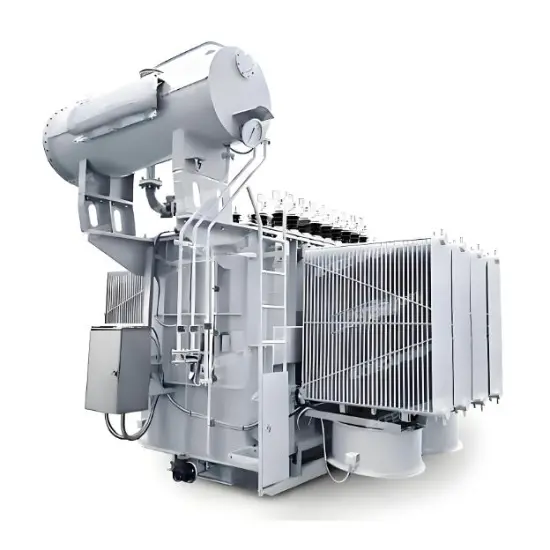
The available product data concerns a low-loss, oil-immersed high-voltage power transformer rated at 110kV, with an 1800kVA capacity and a 50/60Hz operating frequency. Delivery is stated as approximately 45 to 60 working days after receipt of the deposit and confirmation of technical drawings.
Sea freight is generally the preferred transport solution for large transformer equipment, whether moved in containers or as bulk cargo. Air shipment can be arranged for urgent spare parts, while truck transport can support inland delivery. Moisture-resistant reinforced packing and cargo tracking are also available. These logistics services improve transport protection and visibility, but they do not independently determine who pays an unforeseen port fee.
Technical Quality Support and Applicable Projects
The transformer can be supplied with FAT, routine testing, type testing, and full pre-shipment inspection. The available information also indicates compliance support for IEEE and IEC standards. These quality-control measures address product performance and shipment readiness, whereas liability for port charges remains a separate contractual matter.
This type of transformer is suitable for renewable-energy power plants, industrial facilities, commercial developments, grid-connection projects, and step-down power supply systems. Reported project experience includes a 110kV GIS project in Suriname, a 110kV/200MVA transformer project for an industrial park in Vietnam, and a 25MVA grid-renovation project in Madagascar. These references demonstrate experience in transmission and industrial power applications, but they do not establish a standard allocation of port expenses.
Transport Options and Charge Considerations
| Category | Available Service Information | Commercial Point to Confirm |
|---|---|---|
| Sea freight | Suitable for large equipment shipped by container or bulk cargo | Define responsibility for terminal, handling, storage, and destination fees |
| Air freight | Available for time-sensitive spare parts | Confirm urgent-shipment surcharges and airport handling scope |
| Truck freight | Used for inland transportation | Itemize unloading, local handling, and final-delivery expenses |
| FOB, CIF and CFR | Supported commercial shipping terms | Match the chosen term with a written allocation for exceptional charges |
| Testing and inspection | FAT, routine tests, type tests, and pre-shipment inspection available | Testing scope does not decide port-charge responsibility |
Certificates and Compliance Information
Available credentials include a UDEM certificate covering substations, transformers, and switchgear for EU-related applications, as well as CNAS accreditation documentation for an oil-immersed transformer model. The CNAS documentation notes that relevant test results are recognized by ILAC-MRA member accreditation bodies in listed signatory economies. It also clarifies that this technical evidence does not replace mandatory certification requirements in the destination market.
Frequently Asked Questions
Does the available information state that the buyer must pay unexpected port charges?
No. Although transport methods and FOB, CIF, and CFR options are listed, the supplied information does not establish a universal payer for unplanned port or handling expenses.
What should be written into the purchase agreement?
The agreement should identify the Incoterm, port of loading, destination, freight coverage, terminal services, customs-related scope, inland delivery requirements, and responsibility for storage or unforeseen charges.
What support is available after ordering?
Vziman supports manufacturer, OEM, ODM, and turn-key project supply models. Listed after-sales services include a 72-hour global technical response, site commissioning and training, spare-parts supply, and remote diagnostic support.
Conclusion
There is no universal answer to who pays unexpected port and handling costs for a high-voltage power transformer. The responsible party should be identified before shipment through the quotation, purchase contract, and transport documentation. A detailed charge schedule linked to the agreed FOB, CIF, or CFR term is the most reliable way to reduce disputes and control destination logistics costs. For technical solutions or commercial support, contact support@vziman.com.
About Us
Zhejiang Vziman Electric Power Technology Co., Ltd. is the parent company of Zhejiang Vziman Electric Group Co., Ltd. and originated from Zhejiang Powertech Electric Co., Ltd., which was established in 2014 according to the company profile.
The company develops, manufactures, and services power electrical equipment, including switchgear, distribution equipment, power automation systems, transformers, and engineering solutions. Its production capability supports medium- and high-voltage transformer, ring main unit, and switchgear requirements for bulk orders, utility customers, and global EPC projects.
Its stated markets include North America, South America, Europe, the Middle East, Africa, Southeast Asia, Central Asia, and Oceania, with exports to more than 100 countries. The supplied information lists UDEM and CNAS credentials and references cooperation cases across several industries.
REPORT