







-
 Agriculture
-
 Health-Care
-
 Environment
-
 Construction-Real-Estate
-
 Tools-Hardware
-
 Home-Garden
-
 Furniture
-
 Luggage-Bags-Cases
-
 Medical-devices-Supplies
-
 Gifts-Crafts
-
 Sports-Entertainment
-
 Food-Beverage
-
 Vehicles-Transportation
-
 Power-Transmission
-
 Material-Handling
-
 Renewable-Energy
-
 Safety
-
 Testing-Instrument-Equipment
-
 Construction-Building-Machinery
-
 Pet-Supplies
-
 Personal-Care-Household-Cleaning
-
 Vehicle-Accessories-Electronics-Tools
-
 School-Office-Supplies
-
 Packaging-Printing
-
 Mother-Kids-Toys
-
 Business-Services
-
 Commercial-Equipment-Machinery
-
 Apparel-Accessories
-
 Security
-
 Shoes-Accessories
-
 Vehicle-Parts-Accessories
-
 Jewelry-Eyewear-Watches-Accessories
-
 Lights-Lighting
-
 Fabric-Textile-Raw-Material
-
 Fabrication-Services
-
 Industrial-Machinery
-
 Consumer-Electronics
-
 Electrical-Equipment-Supplies
-
 Electronic-Components-Accessories-Telecommunications
-
 Home-Appliances
-
 Beauty
-
 Chemicals
-
 Rubber-Plastics
-
 Metals-Alloys


























































































































































































































































































































































































































































































































































































- Masonry Materials
- Curtain Walls & Accessories
- Earthwork Products
- Fireproofing Materials
- Heat Insulation Materials
- Plastic Building Materials
- Building Boards
- Soundproofing Materials
- Timber
- Waterproofing Materials
- Balustrades & Handrails
- Bathroom & Kitchen
- Flooring & Accessories
- Tiles & Accessories
- Door, Window & Accessories
- Fireplaces & Stoves
- Floor Heating Systems & Parts
- Stairs & Stair Parts
- Ceilings
- Elevators & Escalators
- Stone
- Countertops, Vanity Tops & Table Tops
- Mosaics
- Metal Building Materials
- Multifunctional Materials
- Ladders & Scaffoldings
- Mouldings
- Corner Guards
- Decorative Films
- Formwork
- Building & Industrial Glass
- Other Construction & Real Estate
- Wallpapers/Wall panels
- HVAC System & Parts
- Outdoor Facilities
- Prefabricated Buildings
- Festive & Party Supplies
- Bathroom Products
- Household Sundries
- Rain Gear
- Garden Supplies
- Household Cleaning Tools & Accessories
- Lighters & Smoking Accessories
- Home Storage & Organization
- Household Scales
- Smart Home Improvement
- Home Textiles
- Kitchenware
- Drinkware & Accessories
- Dinnerware, Coffee & Wine
- Home Decor
- Golf
- Fitness & Body Building
- Amusement Park Facilities
- Billiards, Board Game,Coin Operated Games
- Musical Instruments
- Outdoor Affordable Luxury Sports
- Camping & Hiking
- Fishing
- Sports Safety&Rehabilitation
- Ball Sports Equipments
- Water Sports
- Winter Sports
- Luxury Travel Equipments
- Sports Shoes, Bags & Accessories
- Cycling
- Other Sports & Entertainment Products
- Artificial Grass&Sports Flooring&Sports Court Equipment
- Scooters
- Food Ingredients
- Honey & Honey Products
- Snacks
- Nuts & Kernels
- Seafood
- Plant & Animal Oil
- Beverages
- Fruit & Vegetable Products
- Frog & Escargot
- Bean Products
- Egg Products
- Dairy Products
- Seasonings & Condiments
- Canned Food
- Instant Food
- Baked Goods
- Other Food & Beverage
- Meat & Poultry
- Confectionery
- Grain Products
- Feminie Care
- Hair Care & Styling
- Body Care
- Hands & Feet Care
- Hygiene Products
- Men's Grooming
- Laundry Cleaning Supplies
- Travel Size & Gift Sets
- Room Deodorizers
- Other Personal Care Products
- Pest Control Products
- Special Household Cleaning
- Floor Cleaning
- Kitchen & Bathroom Cleaning
- Oral Care
- Bath Supplies
- Yellow Pages
- Correction Supplies
- Office Binding Supplies
- Office Cutting Supplies
- Board Erasers
- Office Adhesives & Tapes
- Education Supplies
- Pencil Cases & Bags
- Notebooks & Writing Pads
- File Folder Accessories
- Calendars
- Writing Accessories
- Commercial Office Supplies
- Pencil Sharpeners
- Pens
- Letter Pad/Paper
- Paper Envelopes
- Desk Organizers
- Pencils
- Markers & Highlighters
- Filing Products
- Art Supplies
- Easels
- Badge Holder & Accessories
- Office Paper
- Printer Supplies
- Book Covers
- Other Office & School Supplies
- Stationery Set
- Boards
- Clipboards
- Stamps
- Drafting Supplies
- Stencils
- Electronic Dictionary
- Books
- Map
- Magazines
- Calculators
- Baby & Toddler Toys
- Educational Toys
- Classic Toys
- Dress Up & Pretend Play
- Toy Vehicle
- Stuffed Animals & Plush Toys
- Outdoor Toys & Structures
- Balloons & Accessories
- Baby Food
- Children's Clothing
- Baby Supplies & Products
- Maternity Clothes
- Kids Shoes
- Baby Care
- Novelty & Gag Toys
- Dolls & Accessories
- Puzzle & Games
- Blocks & Model Building Toys
- Toddler Clothing
- Baby Clothing
- Kids' Luggage & Bags
- Arts, Crafts & DIY Toys
- Action & Toy Figures
- Baby Appliances
- Hobbies & Models
- Remote Control Toys
- Promotional Toys
- Pregnancy & Maternity
- Hygiene Products
- Kid's Textile&Bedding
- Novelty & Special Use
- Toy Weapons
- Baby Gifts
- Baby Storage & Organization
- Auto Drive Systems
- ATV/UTV Parts & Accessories
- Marine Parts & Accessories
- Other Auto Parts
- Trailer Parts & Accessories
- Auto Transmission Systems
- Train Parts & Accessories
- Universal Parts
- Railway Parts & Accessories
- Auto Brake Systems
- Aviation Parts & Accessories
- Truck Parts & Accessories
- Auto Suspension Systems
- Auto Lighting Systems
- New Energy Vehicle Parts & Accessories
- Auto Steering Systems
- Wheels, Tires & Accessories
- Bus Parts & Accessories
- Auto Performance Parts
- Cooling System
- Go-Kart & Kart Racer Parts & Accessories
- Air Conditioning Systems
- Heavy Duty Vehicle Parts & Accessories
- Auto Electrical Systems
- Auto Body Systems
- Auto Engine Systems
- Container Parts & Accessories
- Motorcycle Parts & Accessories
- Refrigeration & Heat Exchange Equipment
- Machine Tool Equipment
- Food & Beverage Machinery
- Agricultural Machinery & Equipment
- Apparel & Textile Machinery
- Chemical Machinery
- Packaging Machines
- Paper Production Machinery
- Plastic & Rubber Processing Machinery
- Industrial Robots
- Electronic Products Machinery
- Metal & Metallurgy Machinery
- Woodworking Machinery
- Home Product Manufacturing Machinery
- Machinery Accessories
- Environmental Machinery
- Machinery Service
- Electrical Equipment Manufacturing Machinery
- Industrial Compressors & Parts
- Tobacco & Cigarette Machinery
- Production Line
- Used Industrial Machinery
- Electronics Production Machinery
- Other Machinery & Industrial Equipment
- Camera, Photo & Accessories
- Portable Audio, Video & Accessories
- Television, Home Audio, Video & Accessories
- Video Games & Accessories
- Mobile Phone & Accessories
- Electronic Publications
- Earphone & Headphone & Accessories
- Speakers & Accessories
- Smart Electronics
- TV Receivers & Accessories
- Mobile Phone & Computer Repair Parts
- Chargers, Batteries & Power Supplies
- Used Electronics
- VR, AR, MR Hardware & Software
- Projectors & Presentation Equipments
- Other Consumer Electronics
- Cables & Commonly Used Accessories
- Computer Hardware & Software
- Displays, Signage and Optoelectronics
- Discrete Semiconductors
- Wireless & IoT Module and Products
- Telecommunications
- Connectors, Terminals & Accessories
- Development Boards, Electronic Modules and Kits
- Circuit Protection
- Sensors
- Isolators
- Audio Components and Products
- Integrated Circuits
- Power Supplies
- Relays
- RF, Microwave and RFID
- Electronic Accessories & Supplies
- Passive Components
- PCB & PCBA
- Air Quality Appliances
- Home Appliance Parts
- Heating & Cooling Appliances
- Small Kitchen Appliances
- Laundry Appliances
- Water Heaters
- Water Treatment Appliances
- Refrigerators & Freezers
- Personal Care & Beauty Appliances
- Major Kitchen Appliances
- Cleaning Appliances
- Second-hand Appliances
- Smart Home Appliances
- Other Home Appliances
- Energy Chemicals
- Inorganic Chemicals
- Basic Organic Chemicals
- Agrochemicals
- Admixture & Additives
- Catalysts & Chemical Auxiliary Agents
- Pigments & Dyestuff
- Coating & Paint
- Daily Chemicals
- Polymer
- Organic Intermediate
- Adhesives & Sealants
- Chemical Waste
- Biological Chemical Products
- Surface Treatment Chemicals
- Painting & Coating
- Chemical Reagents
- Flavor & Fragrance
- Non-Explosive Demolition Agents
- Other Chemicals
- Custom Chemical Services

Cost-Effective Low-Volume CNC Component Machining: Flexible Small-Batch Solutions
Unlocking Affordable Low-Volume CNC Machining for Custom Parts
Engineers and procurement teams no longer need to commit to massive production quantities just to secure competitive per-unit pricing on custom metal and plastic components. Thanks to modern, flexible manufacturing frameworks, sourcing prototype quantities (1 to 10 parts) or small production runs (50 to 500 parts) is both practical and cost-effective. Modern automated machining operations eliminate unnecessary setup overhead, making short-run CNC manufacturing accessible across diverse industrial sectors.
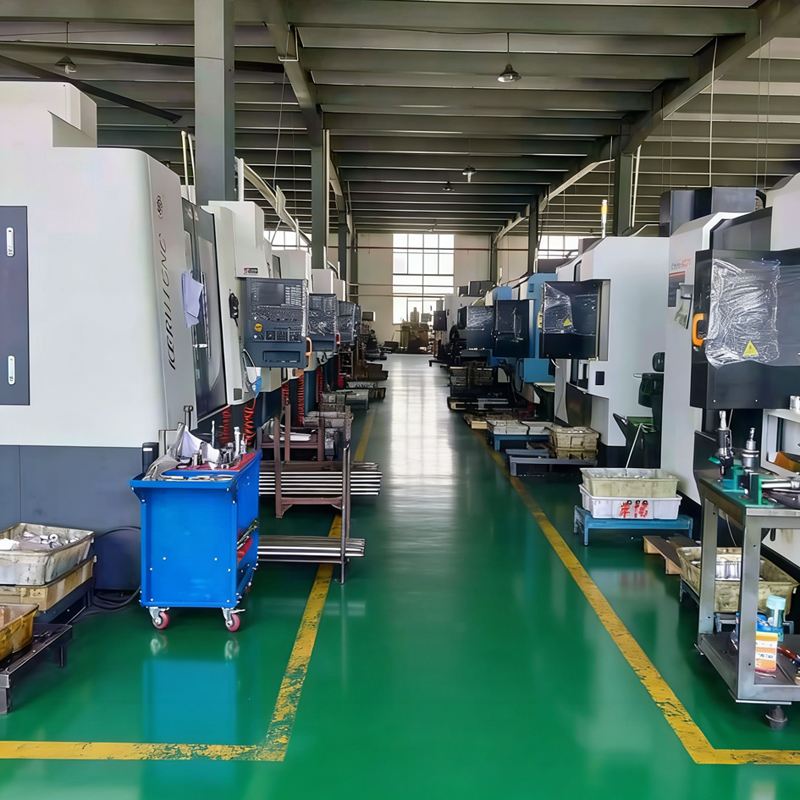
How Modern Automation Drives Down Small-Batch Costs
The core advantage behind affordable small-batch manufacturing lies in high-efficiency setup optimization and automated machinery usage. Advanced multi-axis CNC milling and turning stations reduce physical tooling changes and minimize idle setup time, with unit cycle times operating as fast as 15 minutes. This technological capability enables suppliers to transition seamlessly from rapid prototyping to short-run batches without imposing cost penalties on small orders. Typical turnaround times range between 7 and 15 days, empowering hardware teams to iterate designs rapidly.
Uncompromising Precision Quality & Material Versatility
Low production volumes do not imply reduced quality standards. Factory operations governed by ISO 9001 certifications execute up to 23 distinct quality verification checkpoints during production. Precision machining techniques—such as CNC turning, milling, drilling, tapping, and surface finishing—consistently maintain tight tolerances up to ±0.03 mm while holding defect rates below 0.3%.
Engineers can select from a wide spectrum of certified raw materials to match exact mechanical and environmental demands:
- Stainless Steel: 304 and marine-grade 316L for high corrosion resistance.
- Carbon Steel: Grades 1045 and Q235 for general engineering structural needs.
- Aluminum Alloys: High-strength 6061 and 7075 for lightweight aerospace and automation applications.
- Engineering Plastics: Tailored polymers for low-friction or specialized insulation applications.
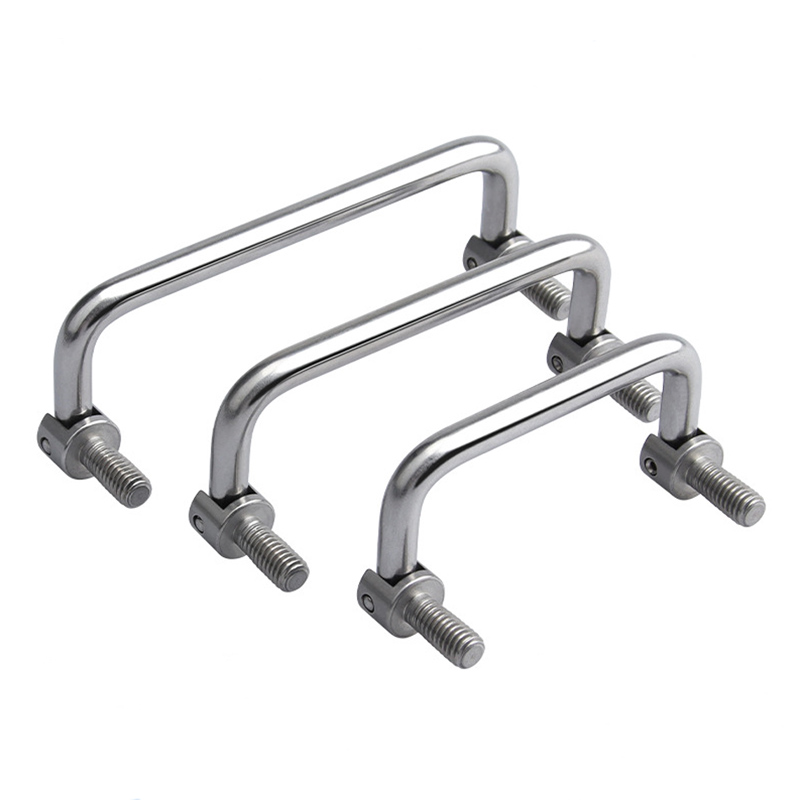
Proven Industry Applications & Practical Examples
Flexible short-run manufacturing accommodates specialized equipment and customized mechanical assemblies. Global buyers regularly leverage these production capabilities for tailored applications:
For instance, a food production machinery company in Germany successfully ordered 450 custom stainless steel control system components engineered to meet strict hygiene requirements. Meanwhile, an offshore equipment manufacturer in Norway ordered 1,050 specialized marine-grade parts built to withstand harsh saltwater exposure. Engineering teams can submit standard 2D and 3D CAD models (STEP, STP, IGS, DWG, DXF, PDF) for full design evaluation prior to starting batch production.

Comparing Manufacturing Tiers and Cost Impact
Selecting the appropriate order tier helps optimize project schedules and expenditure during hardware development phases:
| Production Tier | Order Quantity | Turnaround Time | Primary Use Case | Pricing & Cost Structure |
|---|---|---|---|---|
| Prototype / Sample | 1 – 10 pcs | 3 – 7 Days | Initial design review, fit checks, functional testing | Setup fee dominant; optimized for single-unit validation |
| Small-Batch Machining | 50 – 500 pcs | 7 – 15 Days | Pilot runs, market trials, custom machine builds | Economical cost balance via program reuse |
| Volume Mass Production | 1,000+ pcs | 15 – 30 Days | High-volume commercial assemblies & OEM supply | Lowest unit cost via maximum automated throughput |
Summary of Core Benefits
- Flexible Minimum Orders: Full support for 1-10 unit prototypes up to 50-500 small batch orders.
- High Cost Efficiency: Advanced automation reduces physical setup overhead and ensures fair unit pricing.
- Rigorous Tolerances: Quality controls achieve tolerances within ±0.03 mm with low defect rates (<0.3%).
- Global Application Fit: Ideal for industrial automation, food machinery, marine systems, and valve technology.
Frequently Asked Questions (FAQ)
What is the typical minimum order quantity for low-volume CNC parts?
Sample and prototype orders are supported starting from 1 to 10 units. Small production runs range from 50 to 500 units, while larger commercial runs start from 1,000 pieces.
How can suppliers keep low-volume CNC pricing reasonable?
Automated multi-axis CNC machines streamline tooling setups and programming reusability. Direct-from-factory production removes middleman markups, keeping custom low-volume orders cost-effective.
Which digital drawing formats are accepted for technical reviews?
Engineers work directly with standard 2D and 3D formats including STEP, STP, IGS, CAD, DWG, DXF, and PDF files for quotation and precision machining.

Conclusion & Next Steps
Procuring low-volume CNC components at a fair price is fully achievable by partnering with flexible, highly automated manufacturing facilities. Supported by ISO 9001 quality controls, comprehensive OEM/ODM frameworks, and flexible payment methods (T/T, PayPal, Trade Assurance), global delivery via express, air, or ocean freight is seamless and reliable. For engineering support or project quotes, contact our team directly at 86-15868979792.
About Us
ZheJiang Dream Industry Limited offers over two decades of expertise in high-precision CNC machining and custom part fabrication. Founded in 2008, the organization operates a modern 2,500-square-meter facility with 34 specialized technical professionals and quality engineers. Holding ISO 9001 certification and numerous engineering patents, the company provides tailored OEM and ODM solutions to clients in the automation, valve, marine, and machinery sectors worldwide.
REPORT