







-
 Agriculture
-
 Health-Care
-
 Environment
-
 Construction-Real-Estate
-
 Tools-Hardware
-
 Home-Garden
-
 Furniture
-
 Luggage-Bags-Cases
-
 Medical-devices-Supplies
-
 Gifts-Crafts
-
 Sports-Entertainment
-
 Food-Beverage
-
 Vehicles-Transportation
-
 Power-Transmission
-
 Material-Handling
-
 Renewable-Energy
-
 Safety
-
 Testing-Instrument-Equipment
-
 Construction-Building-Machinery
-
 Pet-Supplies
-
 Personal-Care-Household-Cleaning
-
 Vehicle-Accessories-Electronics-Tools
-
 School-Office-Supplies
-
 Packaging-Printing
-
 Mother-Kids-Toys
-
 Business-Services
-
 Commercial-Equipment-Machinery
-
 Apparel-Accessories
-
 Security
-
 Shoes-Accessories
-
 Vehicle-Parts-Accessories
-
 Jewelry-Eyewear-Watches-Accessories
-
 Lights-Lighting
-
 Fabric-Textile-Raw-Material
-
 Fabrication-Services
-
 Industrial-Machinery
-
 Consumer-Electronics
-
 Electrical-Equipment-Supplies
-
 Electronic-Components-Accessories-Telecommunications
-
 Home-Appliances
-
 Beauty
-
 Chemicals
-
 Rubber-Plastics
-
 Metals-Alloys


























































































































































































































































































































































































































































































































































































- Masonry Materials
- Curtain Walls & Accessories
- Earthwork Products
- Fireproofing Materials
- Heat Insulation Materials
- Plastic Building Materials
- Building Boards
- Soundproofing Materials
- Timber
- Waterproofing Materials
- Balustrades & Handrails
- Bathroom & Kitchen
- Flooring & Accessories
- Tiles & Accessories
- Door, Window & Accessories
- Fireplaces & Stoves
- Floor Heating Systems & Parts
- Stairs & Stair Parts
- Ceilings
- Elevators & Escalators
- Stone
- Countertops, Vanity Tops & Table Tops
- Mosaics
- Metal Building Materials
- Multifunctional Materials
- Ladders & Scaffoldings
- Mouldings
- Corner Guards
- Decorative Films
- Formwork
- Building & Industrial Glass
- Other Construction & Real Estate
- Wallpapers/Wall panels
- HVAC System & Parts
- Outdoor Facilities
- Prefabricated Buildings
- Festive & Party Supplies
- Bathroom Products
- Household Sundries
- Rain Gear
- Garden Supplies
- Household Cleaning Tools & Accessories
- Lighters & Smoking Accessories
- Home Storage & Organization
- Household Scales
- Smart Home Improvement
- Home Textiles
- Kitchenware
- Drinkware & Accessories
- Dinnerware, Coffee & Wine
- Home Decor
- Golf
- Fitness & Body Building
- Amusement Park Facilities
- Billiards, Board Game,Coin Operated Games
- Musical Instruments
- Outdoor Affordable Luxury Sports
- Camping & Hiking
- Fishing
- Sports Safety&Rehabilitation
- Ball Sports Equipments
- Water Sports
- Winter Sports
- Luxury Travel Equipments
- Sports Shoes, Bags & Accessories
- Cycling
- Other Sports & Entertainment Products
- Artificial Grass&Sports Flooring&Sports Court Equipment
- Scooters
- Food Ingredients
- Honey & Honey Products
- Snacks
- Nuts & Kernels
- Seafood
- Plant & Animal Oil
- Beverages
- Fruit & Vegetable Products
- Frog & Escargot
- Bean Products
- Egg Products
- Dairy Products
- Seasonings & Condiments
- Canned Food
- Instant Food
- Baked Goods
- Other Food & Beverage
- Meat & Poultry
- Confectionery
- Grain Products
- Feminie Care
- Hair Care & Styling
- Body Care
- Hands & Feet Care
- Hygiene Products
- Men's Grooming
- Laundry Cleaning Supplies
- Travel Size & Gift Sets
- Room Deodorizers
- Other Personal Care Products
- Pest Control Products
- Special Household Cleaning
- Floor Cleaning
- Kitchen & Bathroom Cleaning
- Oral Care
- Bath Supplies
- Yellow Pages
- Correction Supplies
- Office Binding Supplies
- Office Cutting Supplies
- Board Erasers
- Office Adhesives & Tapes
- Education Supplies
- Pencil Cases & Bags
- Notebooks & Writing Pads
- File Folder Accessories
- Calendars
- Writing Accessories
- Commercial Office Supplies
- Pencil Sharpeners
- Pens
- Letter Pad/Paper
- Paper Envelopes
- Desk Organizers
- Pencils
- Markers & Highlighters
- Filing Products
- Art Supplies
- Easels
- Badge Holder & Accessories
- Office Paper
- Printer Supplies
- Book Covers
- Other Office & School Supplies
- Stationery Set
- Boards
- Clipboards
- Stamps
- Drafting Supplies
- Stencils
- Electronic Dictionary
- Books
- Map
- Magazines
- Calculators
- Baby & Toddler Toys
- Educational Toys
- Classic Toys
- Dress Up & Pretend Play
- Toy Vehicle
- Stuffed Animals & Plush Toys
- Outdoor Toys & Structures
- Balloons & Accessories
- Baby Food
- Children's Clothing
- Baby Supplies & Products
- Maternity Clothes
- Kids Shoes
- Baby Care
- Novelty & Gag Toys
- Dolls & Accessories
- Puzzle & Games
- Blocks & Model Building Toys
- Toddler Clothing
- Baby Clothing
- Kids' Luggage & Bags
- Arts, Crafts & DIY Toys
- Action & Toy Figures
- Baby Appliances
- Hobbies & Models
- Remote Control Toys
- Promotional Toys
- Pregnancy & Maternity
- Hygiene Products
- Kid's Textile&Bedding
- Novelty & Special Use
- Toy Weapons
- Baby Gifts
- Baby Storage & Organization
- Auto Drive Systems
- ATV/UTV Parts & Accessories
- Marine Parts & Accessories
- Other Auto Parts
- Trailer Parts & Accessories
- Auto Transmission Systems
- Train Parts & Accessories
- Universal Parts
- Railway Parts & Accessories
- Auto Brake Systems
- Aviation Parts & Accessories
- Truck Parts & Accessories
- Auto Suspension Systems
- Auto Lighting Systems
- New Energy Vehicle Parts & Accessories
- Auto Steering Systems
- Wheels, Tires & Accessories
- Bus Parts & Accessories
- Auto Performance Parts
- Cooling System
- Go-Kart & Kart Racer Parts & Accessories
- Air Conditioning Systems
- Heavy Duty Vehicle Parts & Accessories
- Auto Electrical Systems
- Auto Body Systems
- Auto Engine Systems
- Container Parts & Accessories
- Motorcycle Parts & Accessories
- Refrigeration & Heat Exchange Equipment
- Machine Tool Equipment
- Food & Beverage Machinery
- Agricultural Machinery & Equipment
- Apparel & Textile Machinery
- Chemical Machinery
- Packaging Machines
- Paper Production Machinery
- Plastic & Rubber Processing Machinery
- Industrial Robots
- Electronic Products Machinery
- Metal & Metallurgy Machinery
- Woodworking Machinery
- Home Product Manufacturing Machinery
- Machinery Accessories
- Environmental Machinery
- Machinery Service
- Electrical Equipment Manufacturing Machinery
- Industrial Compressors & Parts
- Tobacco & Cigarette Machinery
- Production Line
- Used Industrial Machinery
- Electronics Production Machinery
- Other Machinery & Industrial Equipment
- Camera, Photo & Accessories
- Portable Audio, Video & Accessories
- Television, Home Audio, Video & Accessories
- Video Games & Accessories
- Mobile Phone & Accessories
- Electronic Publications
- Earphone & Headphone & Accessories
- Speakers & Accessories
- Smart Electronics
- TV Receivers & Accessories
- Mobile Phone & Computer Repair Parts
- Chargers, Batteries & Power Supplies
- Used Electronics
- VR, AR, MR Hardware & Software
- Projectors & Presentation Equipments
- Other Consumer Electronics
- Cables & Commonly Used Accessories
- Computer Hardware & Software
- Displays, Signage and Optoelectronics
- Discrete Semiconductors
- Wireless & IoT Module and Products
- Telecommunications
- Connectors, Terminals & Accessories
- Development Boards, Electronic Modules and Kits
- Circuit Protection
- Sensors
- Isolators
- Audio Components and Products
- Integrated Circuits
- Power Supplies
- Relays
- RF, Microwave and RFID
- Electronic Accessories & Supplies
- Passive Components
- PCB & PCBA
- Air Quality Appliances
- Home Appliance Parts
- Heating & Cooling Appliances
- Small Kitchen Appliances
- Laundry Appliances
- Water Heaters
- Water Treatment Appliances
- Refrigerators & Freezers
- Personal Care & Beauty Appliances
- Major Kitchen Appliances
- Cleaning Appliances
- Second-hand Appliances
- Smart Home Appliances
- Other Home Appliances
- Energy Chemicals
- Inorganic Chemicals
- Basic Organic Chemicals
- Agrochemicals
- Admixture & Additives
- Catalysts & Chemical Auxiliary Agents
- Pigments & Dyestuff
- Coating & Paint
- Daily Chemicals
- Polymer
- Organic Intermediate
- Adhesives & Sealants
- Chemical Waste
- Biological Chemical Products
- Surface Treatment Chemicals
- Painting & Coating
- Chemical Reagents
- Flavor & Fragrance
- Non-Explosive Demolition Agents
- Other Chemicals
- Custom Chemical Services

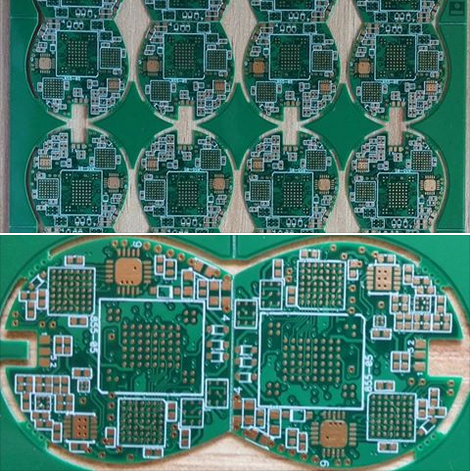
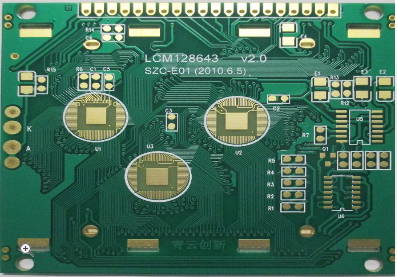
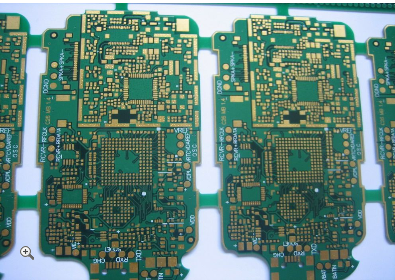
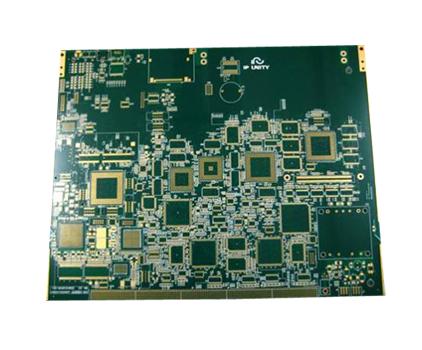
Reliable Plating Half Holes PCB Techniques Supporting High Density Interconnects And Robust Assembly
In the rapidly evolving landscape of electronics manufacturing, the demand for miniaturization and enhanced functionality has pushed printed circuit board (PCB) design to its limits. High-density interconnect (HDI) technology has emerged as a critical solution, enabling more components and connections in increasingly compact spaces. However, achieving reliable interconnections within these dense architectures presents significant challenges, particularly at the board edge where traditional plating methods may fall short. This is where the innovative technique of reliable plating for half holes, also known as castellated holes or plated half-holes, becomes indispensable. These specialized features, consisting of semi-circular plated pads along the board edge, serve as robust interconnection points for board-to-board mounting, module stacking, or direct soldering onto carrier boards. They are pivotal in applications ranging from wearable devices and IoT modules to advanced telecommunications and automotive systems, where space is at a premium and mechanical stability is non-negotiable. This article delves into the sophisticated techniques behind reliable half-hole plating, exploring how they form the backbone of high-density interconnects and contribute to assemblies that are not only compact but also remarkably durable and trustworthy under operational stress.
Precision Drilling and Routing: The Foundation of Integrity
The journey to a reliable plated half-hole begins with meticulous fabrication of the hole itself. Unlike standard through-holes, half holes are created by drilling a complete hole through the PCB substrate and then precisely routing away half of it along the board edge. The initial drilling process must achieve exceptional accuracy in terms of hole diameter, position, and perpendicularity. Any deviation can lead to misalignment during subsequent plating or assembly, compromising the interconnection's mechanical and electrical integrity. Advanced CNC drilling machines with high-speed spindles and real-time monitoring systems are employed to ensure consistency. The choice of drill bit material and geometry is also critical, as it affects hole wall smoothness and the potential for resin smear, which could hinder proper plating adhesion later.
Following drilling, the routing operation is equally decisive. This step removes the unwanted half of the hole to create the characteristic castellated edge. The routing must be executed with extreme precision to leave a clean, smooth semicircular edge without causing delamination, burrs, or cracks in the laminate or the copper foil. Techniques such as using specialized routing bits, optimizing feed rates, and implementing effective dust extraction are vital. The quality of this edge is paramount, as it becomes the substrate for the subsequent metallization process. A flawed edge can lead to uneven plating thickness, weak adhesion, or points of failure where cracks may initiate under thermal or mechanical stress during the product's lifecycle.
Advanced Metallization and Plating Processes
Once the half-hole structure is formed, the core challenge lies in depositing a uniform, adherent, and conductive metal layer onto its complex three-dimensional surface. The plating process for half holes is more demanding than for standard through-holes due to the exposed cross-section of the hole wall, which includes the dielectric material (typically FR-4, Rogers, or other laminates) and the inner copper layers in multilayer boards. The process typically begins with a thorough cleaning and desmear step to remove any drilling debris or resin smear, ensuring a pristine surface for metallization. This is often followed by a catalytic treatment to prepare the non-conductive surfaces for copper deposition.
The actual plating involves multiple stages, starting with electroless copper deposition to establish a thin, continuous conductive seed layer over the entire hole wall, including the dielectric. This autocatalytic process is crucial for bridging the non-conductive areas. Subsequently, electrolytic copper plating is applied to build up the required thickness, often targeting 25-35 microns (1 oz/ft²) or more for robust current carrying capacity and mechanical strength. Key to reliability is achieving uniform thickness distribution along the entire semicircular profile, from the board edge to the innermost point of the hole. Advanced plating chemistries, precise control of bath parameters (temperature, agitation, current density), and sometimes the use of conformal anodes or pulse plating are employed to overcome throwing power limitations and prevent thin spots, especially at the "heel" of the half-hole where the plating can be most challenging.
Finally, a surface finish is applied over the copper to prevent oxidation and enhance solderability. Common choices include Electroless Nickel Immersion Gold (ENIG), which provides a flat, solderable surface excellent for fine-pitch connections, or Immersion Silver/Tin. The selection of finish impacts the assembly yield and long-term reliability in harsh environments. The entire metallization sequence must be tightly controlled, as defects like voids, nodules, or poor adhesion in the plated layer can become latent failure points, leading to intermittent connections or open circuits under vibration or thermal cycling.
Enabling High-Density Interconnects and Miniaturization
Plated half holes are a cornerstone technology for implementing high-density interconnect strategies. In HDI designs, where real estate is precious, the ability to utilize the board edge for connections is a game-changer. Half holes allow for the vertical stacking of daughterboards or modules directly onto a motherboard, creating a compact, three-dimensional assembly. This eliminates the need for bulky connectors, saving significant horizontal space and reducing the overall footprint of the electronic system. The pitch (center-to-center distance) between adjacent half holes can be made very fine, supporting a high number of I/O connections in a limited edge length, which is essential for complex modules like system-on-chip (SoC) carriers, wireless communication modules, or miniaturized sensors.
Furthermore, half holes facilitate a direct and short interconnection path. The plated hole provides a robust via structure that connects the surface pad on the module to its internal signal, power, or ground planes. This short path minimizes parasitic inductance and signal loss, which is critical for high-speed digital or high-frequency RF applications common in modern HDI boards. By serving as both a mechanical anchor and an electrical conduit, half holes enable designers to push the boundaries of miniaturization without sacrificing electrical performance, paving the way for ever-smaller and more powerful electronic devices.
Ensuring Robust Assembly and Long-Term Reliability
The ultimate test of any PCB technique is its performance in the final assembled product under real-world conditions. Reliably plated half holes excel in providing robust assembly interfaces. During soldering—whether by reflow, wave, or selective soldering—the plated metallization must withstand the thermal shock of the solder process without delaminating from the substrate. The uniform and adequate copper thickness ensured by controlled plating is key to this thermal resilience. The semicircular profile offers a larger surface area for solder fillet formation compared to a simple edge pad, creating a stronger mechanical bond. A well-formed solder fillet that wets smoothly up the plated wall provides visual confirmation of a good joint and significantly enhances resistance to mechanical stresses such as shock, vibration, or board flexing.
Long-term reliability is underpinned by the structural integrity of the plated interface. A high-quality plating bond resists the formation and propagation of cracks that can be initiated by coefficient of thermal expansion (CTE) mismatches between the PCB laminate, the copper plating, and the solder. This is especially important in automotive, aerospace, or industrial applications where boards are subjected to extreme temperature cycling. The reliability of the half-hole connection directly impacts the mean time between failures (MTBF) of the entire assembly. Rigorous testing, including thermal cycling, mechanical shear testing, and cross-sectional analysis (microsectioning), is employed to validate that the plating techniques produce half holes capable of enduring the specified lifetime of the product, thereby ensuring the robustness of the final electronic system.
REPORT